Key Takeaways
- Explore D-Day beaches and World War II history.
- Visit charming towns and local markets.
- Experience beautiful coastal landscapes and gardens.
- Enjoy regional cuisine and wine tasting.
Normandy, a region in northern France, is renowned for its rich history, stunning coastline, and picturesque villages. From the dramatic cliffs of Étretat to the historic sites of the D-Day landings, Normandy offers a diverse range of activities and sights for travelers of all interests. This guide will introduce you to the top things to do in Normandy, ensuring you make the most of your visit.
Whether you are a history buff, a nature lover, or simply looking to enjoy some delicious French cuisine, Normandy has something for everyone. As you plan your trip, consider the seasonal activities and local events that can enhance your experience. In this article, we’ll explore the must-see attractions, hidden gems, and practical tips for navigating this beautiful region.
With so much to see and do, you may find it helpful to prioritize your itinerary based on your interests. Let’s dive into the top things to do in Normandy!
1. Visit the Historic D-Day Beaches
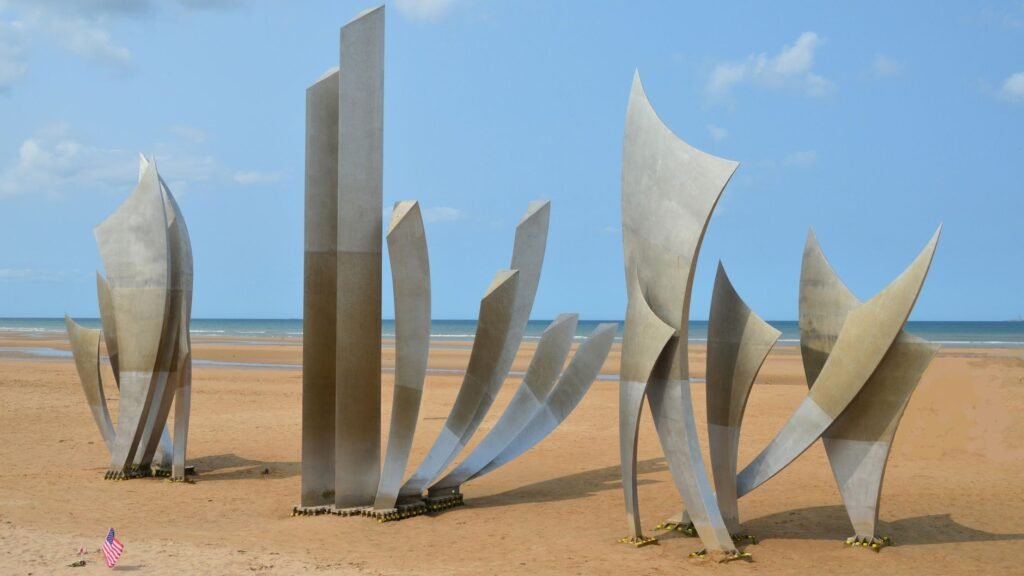
The D-Day beaches of Normandy are perhaps the most significant historical sites in the region. These beaches, where Allied forces landed on June 6, 1944, to begin the liberation of Europe, are now memorials that honor the bravery and sacrifice of the soldiers. The most notable beaches include Omaha Beach, Utah Beach, Gold Beach, Juno Beach, and Sword Beach.
At Omaha Beach, you can visit the Omaha Beach Memorial Museum, which provides insights into the events of D-Day through exhibits, photographs, and personal stories. The American Cemetery at Colleville-sur-Mer is also a poignant site, featuring thousands of graves of American soldiers who lost their lives during the operation. Walking along the beach, you can reflect on the history while enjoying the stunning views of the coastline.
For a more immersive experience, consider joining a guided tour that covers multiple D-Day sites. Many local guides offer tours that include visits to key locations, such as the Pegasus Bridge, Pointe du Hoc, and the various museums dedicated to the events of World War II.
2. Explore Mont Saint-Michel
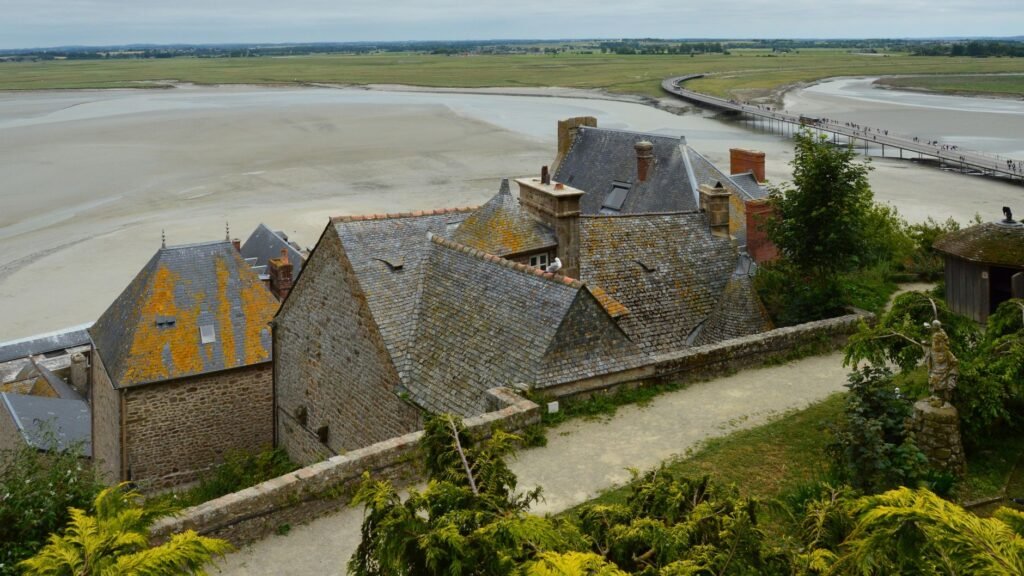
Mont Saint-Michel is one of France’s most iconic landmarks and a UNESCO World Heritage site. This small rocky island is topped by a stunning abbey and surrounded by tidal flats, creating a breathtaking view that changes with the tides. Visitors can explore the narrow streets lined with shops, cafes, and historical buildings.
The abbey itself is a marvel of medieval architecture, offering guided tours that delve into its history and significance. The views from the abbey provide a panoramic perspective of the surrounding area, making it a perfect spot for photography. Be sure to check the tide schedule, as the island can become isolated during high tide.
For those looking to enhance their visit, consider dining at one of the local restaurants that serve traditional dishes, such as omelets made with fresh local eggs. The experience of dining with a view of the island is unforgettable.
3. Discover the Charming Towns of Normandy
Normandy is home to several charming towns that offer a glimpse into local life and culture. One such town is Honfleur, known for its picturesque harbor and colorful buildings. The Vieux Bassin (Old Port) is a lovely spot for a leisurely stroll, and the town is filled with art galleries and boutiques that showcase local craftsmanship.
Another must-visit town is Bayeux, famous for the Bayeux Tapestry, an intricate embroidery that depicts the Norman Conquest of England. The tapestry museum provides context and details about this remarkable piece of history. Additionally, the impressive Bayeux Cathedral is worth a visit for its stunning architecture.
For a taste of tradition, visit the local markets held in towns like Rouen and Lisieux, where you can find fresh produce, cheeses, and artisanal goods. Engaging with local vendors provides insight into the region’s culinary delights.
4. Experience the Natural Beauty of the Normandy Coast
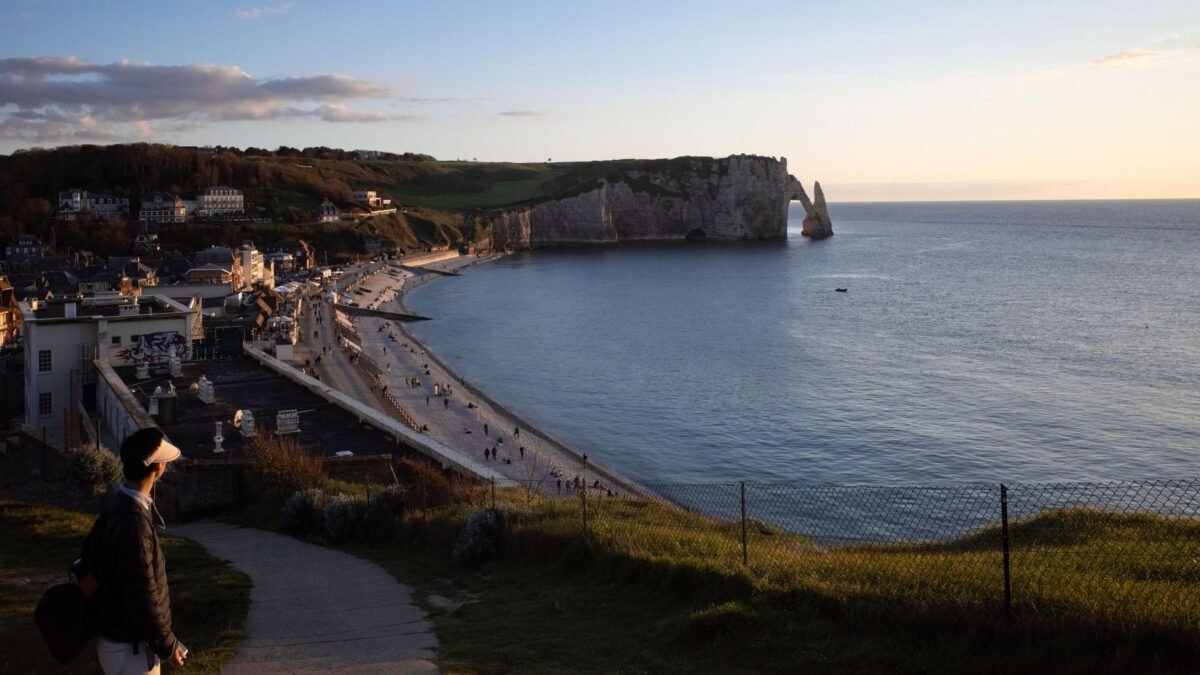
Normandy’s coastline is dotted with beautiful cliffs, sandy beaches, and charming seaside towns. Étretat is famous for its dramatic cliffs and natural arches, which have inspired many artists and writers. You can hike along the coastal paths for stunning views of the cliffs and the sea. The area is perfect for photography, particularly during sunrise or sunset.
Another lovely coastal destination is Deauville, known for its upscale resorts and beautiful beach. The boardwalk is ideal for a leisurely walk, and the town hosts various events throughout the year, including film festivals. Whether you want to relax on the beach or explore boutique shops, Deauville offers a sophisticated atmosphere.
For a more rugged experience, head to the cliffs of Cap de la Hague. This area is less touristy and offers breathtaking scenery along with opportunities for hiking and wildlife spotting. The natural parks in this region are also great for outdoor activities, including cycling and bird watching.
5. Indulge in Local Cuisine and Wine
Normandy is known for its rich culinary heritage, and sampling local dishes is a must during your visit. The region is famous for its dairy products, particularly Camembert cheese, which you can taste at local fromageries. Additionally, Normandy is known for its cider and calvados, an apple brandy that is worth trying at local distilleries.
Seafood lovers will enjoy the fresh catches available in coastal towns. Restaurants often serve dishes featuring mussels, oysters, and sole. A popular dish to try is “moules marinières,” mussels cooked in white wine and herbs, typically served with fries.
For a unique dining experience, consider booking a table at a farm-to-table restaurant that sources ingredients locally. These establishments often provide a deeper understanding of the region’s agricultural practices and culinary traditions.
6. Visit Historical Sites and Museums
Beyond the D-Day beaches, Normandy is rich with historical sites that cover various periods, from medieval times to the French Revolution. The Caen Memorial Museum is a significant site that focuses on the history of the 20th century, including World War II and the Cold War, providing an engaging experience for visitors.
The Château de Falaise, the birthplace of William the Conqueror, is another historical site worth visiting. The castle offers guided tours that delve into the life and times of this significant figure. Exploring the castle grounds provides insight into medieval architecture and history.
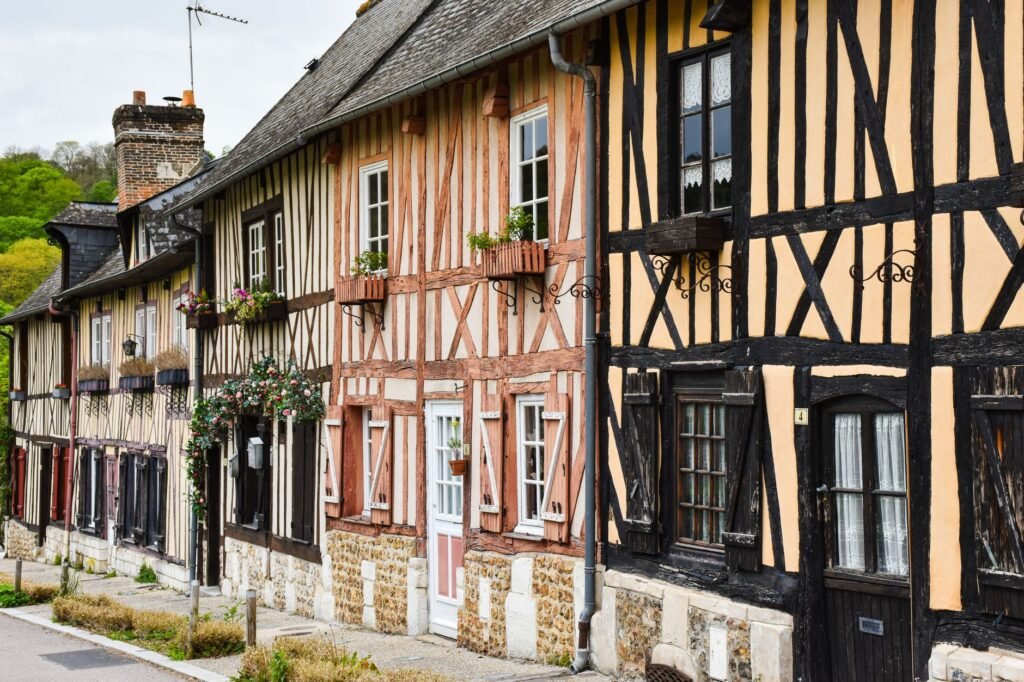
Additionally, the historical town of Rouen features the stunning Rouen Cathedral, which has been the subject of many famous paintings by Claude Monet. The city is also known for its well-preserved half-timbered houses and vibrant market squares.
7. Engage in Seasonal Activities
Seasonal events and activities in Normandy add a unique dimension to your visit. In spring, the gardens of the region come to life, particularly in the beautiful gardens of Giverny, home to Monet’s famous water lilies. The vibrant colors and scents of blooming flowers create a picturesque setting.
Summer is ideal for beach activities, with many towns hosting festivals and events that celebrate local culture. You can participate in sailing, kayaking, or simply sunbathing along the coast.
In autumn, the apple harvest season brings cider festivals and local markets showcasing apple-based products. Winter offers a quieter experience, with opportunities to explore the region’s historical sites without the crowds.
Experience the Thrill of Outdoor Adventures
Hiking the Coastal Trails
Normandy is home to some of the most picturesque coastal trails in France, offering breathtaking views of the English Channel. One of the most famous trails is the GR223, which stretches for over 600 kilometers along the coastline, providing hikers with a diverse landscape that includes cliffs, sandy beaches, and quaint villages. As you hike, you’ll encounter stunning natural formations such as the cliffs of Étretat, known for their iconic arches and needle-like rock formations.
Along the way, hikers can take breaks in small towns where they can enjoy local delicacies or simply soak in the views. The best time to hike is during the spring and early summer when the weather is mild and the wildflowers are in bloom. Here are some highlights of the GR223 trail:
- Cliff-top views of the English Channel
- Access to hidden beaches
- Opportunity to spot diverse wildlife
Cycling Through the Countryside
For those who prefer to explore Normandy on two wheels, cycling offers an excellent way to experience the region’s scenic landscapes. Numerous cycling paths wind through the countryside, vineyards, and historic sites, allowing riders to enjoy the fresh air and picturesque settings. The Véloscénie route is particularly popular, connecting Paris to Mont Saint-Michel via a series of well-marked cycling paths.
Cyclists can stop at various points of interest, including the iconic Caen Memorial, the charming village of Bayeux, and the lush orchards of the Calvados region. Local bike rental shops provide suitable bicycles and even guided tours for those looking for a more structured experience. Key features of cycling in Normandy include:
- Variety of routes for different skill levels
- Access to bike-friendly accommodations
- Scenic stops at historical and natural landmarks
Water Sports and Activities
Water sports enthusiasts will find plenty to keep them entertained in Normandy’s coastal areas. The beaches provide opportunities for activities such as kayaking, paddleboarding, and even surfing, particularly around the coastal town of Ouistreham. Equipment rentals are widely available, and local instructors offer lessons for beginners and those looking to improve their skills.
In addition to traditional water sports, visitors can also embark on fishing trips or take boat tours that explore the coastline and nearby islands. Some tour operators even offer guided excursions that combine fishing with the chance to experience the region’s marine life. Here are popular water activities in Normandy:
- Kayaking along the Seine River
- Surfing at the beaches of Étretat
- Fishing trips in the English Channel
Immerse Yourself in Normandy’s Art and Culture
Visit Local Art Galleries
Normandy has a rich artistic heritage, and its numerous art galleries showcase both contemporary and traditional works. Towns like Honfleur and Rouen have vibrant art scenes, featuring local artists and historical exhibits. Honfleur, in particular, is known for its charming harbor and has inspired many famous painters, including Claude Monet.
Visitors can take leisurely strolls through these galleries, often located in historical buildings that themselves are works of art. Many galleries also offer workshops and classes, allowing visitors to gain hands-on experience in various art forms. Notable galleries to explore include:
- The Museum of Modern Art in Rouen
- La Forge in Honfleur
- Galerie d’Art du Palais des Congrès in Caen
Explore Historical Craftsmanship
Normandy is home to a variety of traditional crafts that reflect the region’s cultural history. Visitors can explore workshops dedicated to pottery, tapestry weaving, and cider making, providing an opportunity to learn about these age-old techniques. Many artisans offer guided tours where you can see the crafting process firsthand and even participate in workshops to create your own piece.
In towns like Falaise and Lisieux, visitors can find artisans specializing in local crafts that have been passed down through generations. This is not only a chance to learn but also to support local economies by purchasing unique souvenirs. Highlights of Normandy’s craftsmanship include:
- Pottery workshops in the village of Villedieu-les-Poêles
- Traditional tapestry weaving in Bayeux
- Cider production tours in the Pays d’Auge region
Attend Cultural Festivals
Throughout the year, Normandy hosts a variety of cultural festivals that celebrate its history, arts, and gastronomy. These events provide an immersive experience for visitors, allowing them to engage with the local community and enjoy unique traditions. One of the most notable festivals is the Festival of the Sea in Dieppe, which celebrates maritime heritage with parades, concerts, and seafood tastings.
Other festivals include the Impressionist Festival in Giverny, which showcases works inspired by the region’s scenic beauty, and the Normandy Apple Festival, dedicated to the region’s famous cider. Attending one of these festivals offers a vibrant and entertaining way to experience Normandy’s culture. Key festivals to consider include:
- La Fête de la Mer in June
- Les Fêtes de Bayeux in July
- Festival de la Gastronomie in October
Engage with Normandy’s Unique Wildlife
Visit Nature Reserves and Parks
Normandy boasts several nature reserves and parks that are home to a wide variety of wildlife. The Bessin Marshes and the Regional Natural Park of Normandy are excellent places to observe native species in their natural habitats. Birdwatchers will particularly enjoy the marshes, which attract migratory birds during certain seasons.
Visitors can take guided tours or explore the trails on their own while keeping an eye out for local fauna such as deer, wild boar, and various bird species. The park’s educational centers often provide information on the region’s ecosystem, making it a great destination for families and nature lovers alike. Here are some notable parks to visit:
- Les Marais du Bessin
- Parc Naturel Régional des Boucles de la Seine Normande
- Les jardins de la Côte d’Albâtre
Wildlife Watching Tours
For a more immersive experience, consider joining a wildlife watching tour. These guided excursions allow visitors to explore the natural landscapes of Normandy while learning about the local ecosystems. Various operators offer boat tours where you can spot seals, dolphins, and a variety of seabirds around the coastal waters.
These tours often provide detailed insights into the behaviors and habitats of the wildlife, making them a perfect educational experience for families and nature enthusiasts. Visitors are encouraged to bring binoculars and cameras to capture the stunning sights. Popular wildlife tours include:
- Seabird watching off the coast of Granville
- Seal watching in the Bay of Seine
- Guided nature walks in the Cotentin Peninsula
Engage with Local Conservation Efforts
Many local organizations in Normandy are dedicated to preserving the region’s natural beauty and biodiversity. Visitors can participate in volunteer opportunities or educational programs that focus on conservation efforts. Activities may include beach clean-ups, tree planting, and habitat restoration projects.
These hands-on experiences not only benefit the environment but also provide a deeper understanding of the challenges facing local ecosystems. Engaging with conservation efforts can be a fulfilling way to give back to the region while enjoying its natural wonders. Here are ways to get involved:
- Volunteer with local wildlife organizations
- Participate in beach clean-up events
- Attend workshops on sustainable practices
Frequently Asked Questions
What is the best time to visit Normandy?
The best time to visit Normandy is during late spring (May to June) and early autumn (September to October) when the weather is mild, and the crowds are smaller.
How do I get around Normandy?
While public transportation is available, renting a car is often the best way to explore Normandy, as it allows for flexibility in visiting remote sites and picturesque villages.
Are there guided tours available in Normandy?
Yes, many local companies offer guided tours covering various themes, including history, food, and nature. This can enhance your understanding of the region.
What should I pack for a trip to Normandy?
Pack layers, as the weather can be unpredictable. Comfortable walking shoes are essential for exploring towns and historical sites, and a light rain jacket is advisable.
The Bottom Line
Normandy offers a rich tapestry of experiences, from its poignant historical sites to its stunning natural landscapes and delicious cuisine. Whether you are drawn to its history, culture, or scenery, the top things to do in Normandy ensure an enriching and memorable trip. Plan your itinerary to include a mix of activities that reflect your interests, and take the time to savor the local flavors and sights.