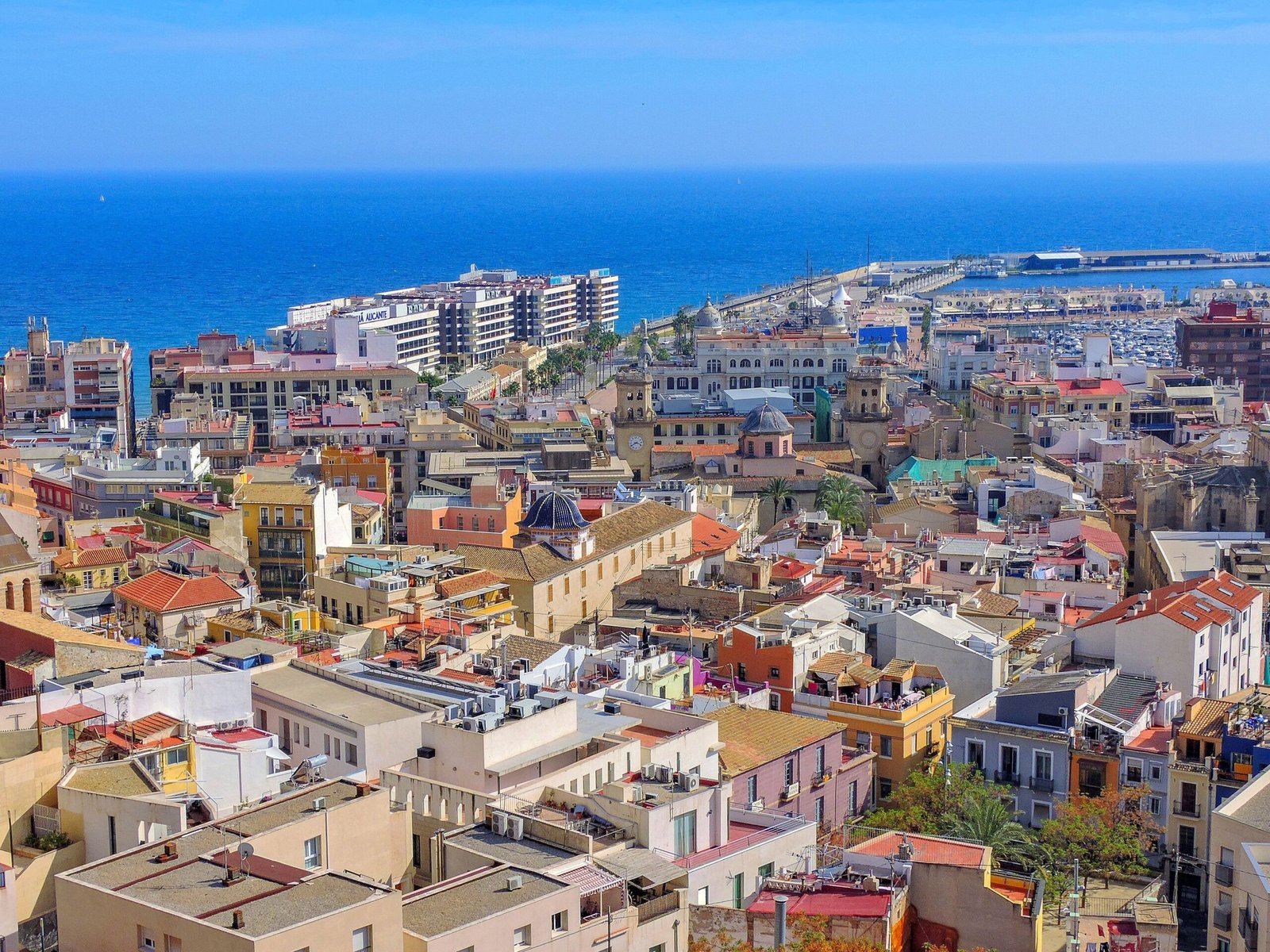
Things to do in Alicante Spain is an easy win for travelers who want sunshine, beaches, and a strong mix of history in one compact city. Alicante sits on Spain’s southeast coast in the province of Alicante, with the Mediterranean on one side and the skyline views from Mount Benacantil on the other.
If it is your first time in Spain, Alicante can feel especially approachable: walkable neighborhoods, reliable public transport, and plenty of day-trip options like Santa Pola or Alicante’s coastline towns. If you already know Spain’s big cities, Alicante adds a calmer pace without losing classic Spanish food and nightlife.
In the sections below, you’ll find practical things to do in Alicante Spain, including what to book ahead, where to go for viewpoints, the best areas to stay, and a realistic checklist for international visitors.
Things To Do In Alicante, Spain: A Practical Numbered Guide
| Best for | What to do | Where to go | Time needed |
|---|---|---|---|
| Big views | Castillo de Santa Bárbara | Mount Benacantil | 2 to 3 hours |
| Classic seafront walk | Explanada de España | Alicante waterfront | 30 to 60 minutes |
| History close to the port | Old Town stroll | El Barrio, Santa Cruz area | 1 to 2 hours |
| Local shopping | Mercado Central | Downtown | 45 to 75 minutes |
| At-home day tour | Tabarca day trip | From Alicante port | 6 to 8 hours |
Tip 1 – Start with the views at Castillo de Santa Bárbara
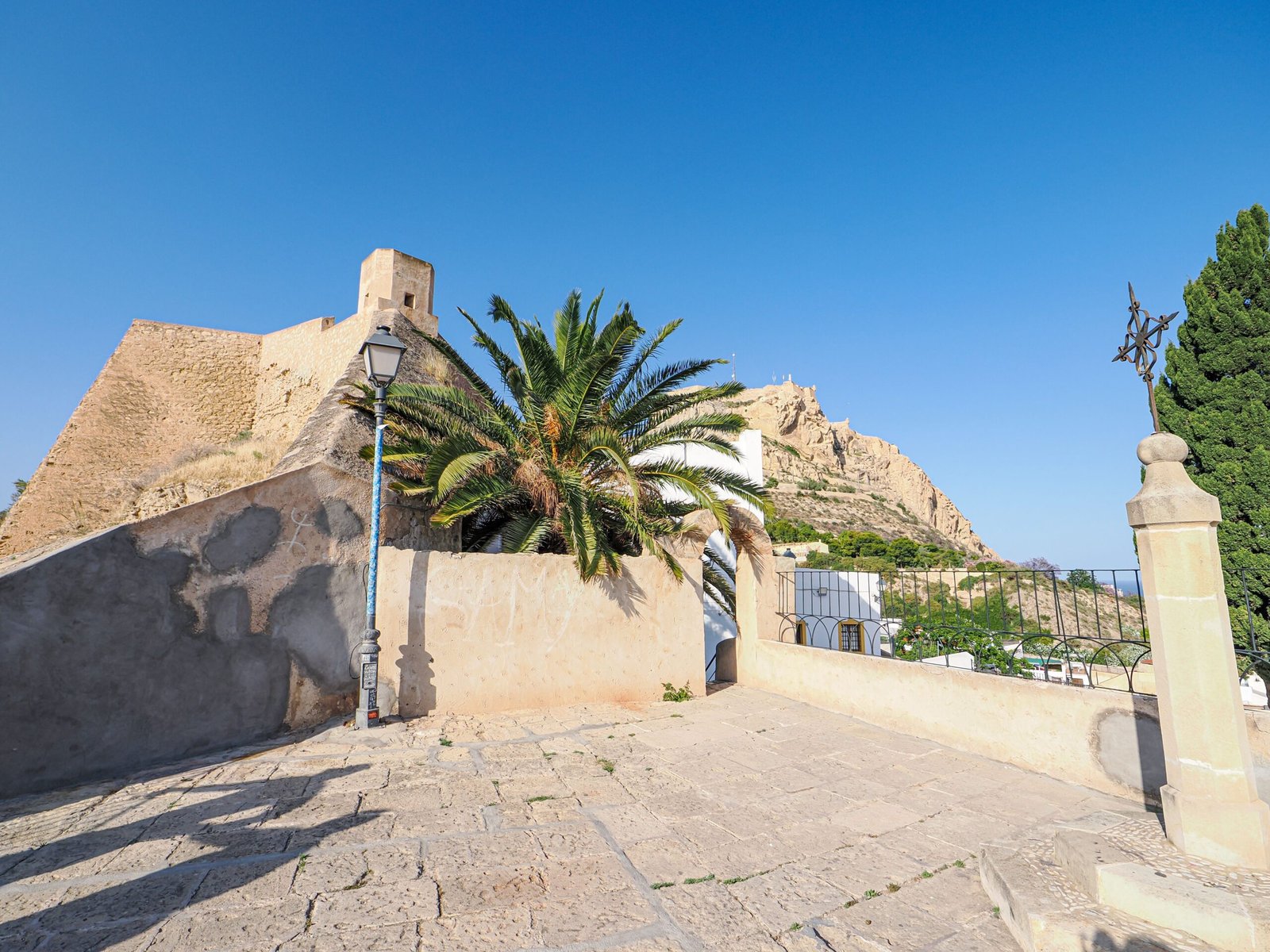
Everything in Alicante feels better after you see it from above. The castle area on Mount Benacantil is the city’s defining viewpoint, and the light over the bay is excellent in morning or late afternoon.
Tip 2 – Use the funicular up, or walk if you enjoy a challenge
The most efficient way is the funicular from near the port area. If you walk, wear good shoes and expect a steady climb. The trade-off is that you get quieter paths and photo stops.
Tip 3 – Stroll the Explanada de España for an instant “Alicante vibe”
This palm-lined promenade with the distinctive mosaic walkway is one of the best easy things to do in Alicante Spain. It’s great for a first evening walk, especially when street life picks up around sunset.
Tip 4 – Explore the Old Town on foot
Head toward the Santa Cruz area for narrow streets, small plazas, and that authentic European feel. Plan some time to wander without a strict route, then take breaks in side streets for coffee.
Tip 5 – Visit the MACA for modern art and local context
For a change from beaches and viewpoints, Alicante’s art scene is worth time. The MACA museum is a helpful stop because it connects visitors to contemporary Spanish and regional work.
Tip 6 – Shop like a local at Mercado Central
Grab a snack, look at seasonal produce, and try Spanish classics like jamón or fresh fruit. It is one of the best low-cost things to do in Alicante Spain, and it also helps you plan what to order later.

Tip 7 – Take a beach day, but pick the right one
Alicante has multiple beach options. Playa del Postiguet is the closest and most convenient for a “city beach” day, while other nearby stretches feel quieter if you go slightly farther along the coast.
Tip 8 – Don’t miss Alicante’s marina atmosphere
The harbor area is lively, especially in the evening. It’s a practical base for everything from boat tours to long dinners, and it works well for couples and first-time visitors.
Tip 9 – Do a Tabarca day trip for clear water and an easy escape
Tabarca Island is famous for its calm, blue scenery and relaxed beach time. For many travelers, it’s the “wow” payoff of things to do in Alicante Spain without needing a full multi-day plan.
Tip 10 – Time your visit for good weather and fewer crowds
Spring and early autumn are often the sweet spots. In summer, heat builds quickly, so plan outdoor sights early morning and evenings, and keep midday indoors.
Tip 11 – Watch for local festivals, especially in March
Spain’s fiesta culture is real in Alicante. If you travel near the big ongoing celebrations, book accommodation early and expect street closures and bigger crowds in key areas.

Tip 12 – Use public transport smartly, including trams and buses
Getting around Alicante is generally straightforward. Trams and buses cover most tourist needs, but check routes for any areas you plan to visit often, especially if you base yourself away from the center.
Tip 13 – Consider stopping at Luceros for an easy central anchor
Luceros is a handy downtown reference point for buses and walking connections. It’s not a single “must-see,” but it makes planning your day simpler.
Tip 14 – Eat tapas, then “upgrade” to a sit-down meal
Tapas crawls are a great introduction to local flavors. After that, choose one proper restaurant for a longer meal so you can slow down, enjoy regional dishes, and avoid eating too much too fast.
Tip 15 – Try fresh seafood and a quick regional favorite
You’ll find plenty of seafood options because Alicante is a coastal city. Ask what is fresh that day, and if you see local specialties with simple ingredients, order one to taste the area’s cooking style.
Tip 16 – Keep an eye on hydration and sunscreen
It sounds obvious, but it is one of the most common tourist mistakes in Alicante. The sun can be intense, especially during summer. Bring water, use sunscreen, and schedule breaks.
Tip 17 – Plan day trips: Santa Pola, Elche, or beaches further out
If you want “things to do in Alicante Spain” beyond the city center, short day trips can be worth it. Santa Pola is a classic coastal option, while Elche is known for palm landscapes and history.
Tip 18 – Pack comfortable shoes for hills and viewpoints
Alicante is walkable, but the terrain includes climbs. If you want to cover the castle views and Old Town streets in one day, comfortable footwear matters.

Tip 19 – Book castle tickets or boat trips ahead when traveling in peak season
Not every attraction needs pre-booking, but popular boat routes and high-demand dates can sell out. Booking in advance can be the difference between “easy plan” and “let’s improvise.”
Tip 20 – Learn a few basics in Spanish (it goes a long way)
Simple phrases like “por favor,” “gracias,” and “la cuenta” help with ordering and small interactions. Many staff understand English, but a little Spanish makes everything feel smoother.
Most Common Tourist Mistake In Alicante
Rushing the schedule and trying to cram too many hill climbs and beach walks into the hottest hours. Build in downtime, especially if you’re doing the castle area and a long promenade in one day.
Visa & Entry Requirements
Visa and entry rules for Spain depend on your passport and on Spain’s current government policy at the time you travel. That means requirements can differ even for travelers with similar plans, so it’s important to check before you book. Start with your passport validity and then confirm whether you need a visa, or an electronic travel authorization (if applicable), for the length and purpose of your stay.
In general, you should expect the following to be part of the checks: a passport that is valid for your intended period in Spain (and sometimes beyond), any specific authorization required for your nationality, and proof of onward or return travel if asked by border officials. You may also be asked to show accommodation details, basic information about your trip, and in some cases proof of sufficient funds.
Vaccinations are usually not universally required for all travelers, but health rules can change. Customs declarations can also apply to items you carry, including certain goods you bring into Spain and any cash or high-value items, depending on current regulations.
Your best and safest approach is to verify the final details through official sources. For Spain’s immigration information and guidance, consult Spain’s Ministry of the Interior and relevant immigration pages here: Spain Ministry of the Interior – Entry to Spain guidance (official). If you hold a passport from a country that requires a visa or authorization, your local Spanish embassy or consulate site may provide the application steps and current documentation requirements.
As a practical checklist, plan to review: passport validity dates, any blank-page needs for stamps, whether you will have the required authorization, proof of accommodation, travel insurance coverage, and simple customs questions (what you are bringing and declaring). Because policies can change, verify close to departure as well, especially if you travel during busy holiday periods.
Frequently Asked Questions
What are the best things to do in Alicante Spain for first-time visitors?
For most first-time travelers, the top picks are Castillo de Santa Bárbara for views, the Explanada de España for an easy seafront walk, the Old Town streets near Santa Cruz, and a beach-time at Playa del Postiguet. If you have a full day free, add a Tabarca island trip.
How many days do I need for things to do in Alicante Spain?
In many cases, 2 to 4 days is a comfortable range. Two days covers the main sights and food walks. Three to four days lets you include a day trip like Tabarca, plus more relaxed beach time and shopping markets.
Is Alicante walkable, or do I need taxis?
Alicante is walkable in the center, especially around the marina, promenade, and Old Town. However, the castle area sits on a hill. Expect some climbs, and consider the funicular or a taxi for convenience when you want to save energy.
What is the best time of year to visit Alicante?
Spring and early autumn are often ideal for comfortable sightseeing. Summer is great for beach life, but plan around heat by going out early and keeping midday lighter.
Are day trips worth it from Alicante?
Yes, especially if you like variety. Tabarca is the classic easy day trip. Other options can balance history, nature, or different coastal scenes, depending on your interests.
Is it expensive to do things in Alicante Spain?
Alicante can suit different budgets. Beach days, promenades, and markets can be low cost, while museums, boat trips, and popular viewpoints may cost more. Eating tapas and doing one sit-down meal often helps manage spending.
What should I do if I have a problem while traveling in Alicante?
Keep your accommodation details and local emergency number handy. For medical concerns, use local services and follow official guidance. If you are in doubt, ask your hotel reception for the nearest help points and opening hours.
Conclusion: Plan Your Alicante Base and Enjoy The Mix
Whether you are here for the sea breeze, the historic castle views, or the relaxed rhythm of the Old Town, things to do in Alicante Spain are rewarding because the best experiences are also fairly easy to combine. Start with the skyline from Castillo de Santa Bárbara, then spend time along the Explanada and marina, and let your evenings build around tapas and fresh seafood.
To get the most from your trip, avoid the most common mistake in Alicante, which is trying to do everything in the hottest hours. Instead, schedule viewpoints and walking when the light is softer, then enjoy beach and dining at a slower pace.
If you want a simple way to organize your plan, use the tips above as anchors, then choose one day trip. That approach keeps your itinerary realistic, so your “things to do in Alicante Spain” list feels fun rather than exhausting.
For more official updates and travel planning basics, check the city and region resources from reputable destinations and guides. And remember, whenever you travel internationally, confirm entry rules for Spain well in advance to make your Alicante days feel effortless.
External inspiration links:
Comunitat Valenciana tourism information,
Alicante air travel and airport information (ADER network),
AENA airport operator information (official).
And yes, keep “things to do in Alicante Spain” at the center of your planning, but let the city’s pace guide your final route once you arrive.