Key Takeaways
- Explore Old Havana's rich history and architecture.
- Experience the vibrant nightlife with local music and dance.
- Enjoy authentic Cuban cuisine at local eateries.
- Visit iconic landmarks and museums for cultural insights.
Exploring the Heart of Havana
Havana, the vibrant capital of Cuba, is a city filled with colorful architecture, rich history, and a lively atmosphere. As you wander through its streets, you will be captivated by the blend of colonial buildings and modern life. The city offers countless opportunities for exploration, making it a must-visit destination for any traveler.
From the stunning plazas and historic fortresses to the lively markets and iconic Malecón, Havana is a city that pulsates with energy. The top things to do in Havana reflect its diverse culture, making it easy to fill your itinerary with unique experiences. Whether you are interested in history, art, music, or gastronomy, Havana has something to offer every traveler.
This guide will provide you with practical insights into the best activities and sights in Havana, ensuring you make the most of your visit to this enchanting city.
Visit Old Havana (Habana Vieja)
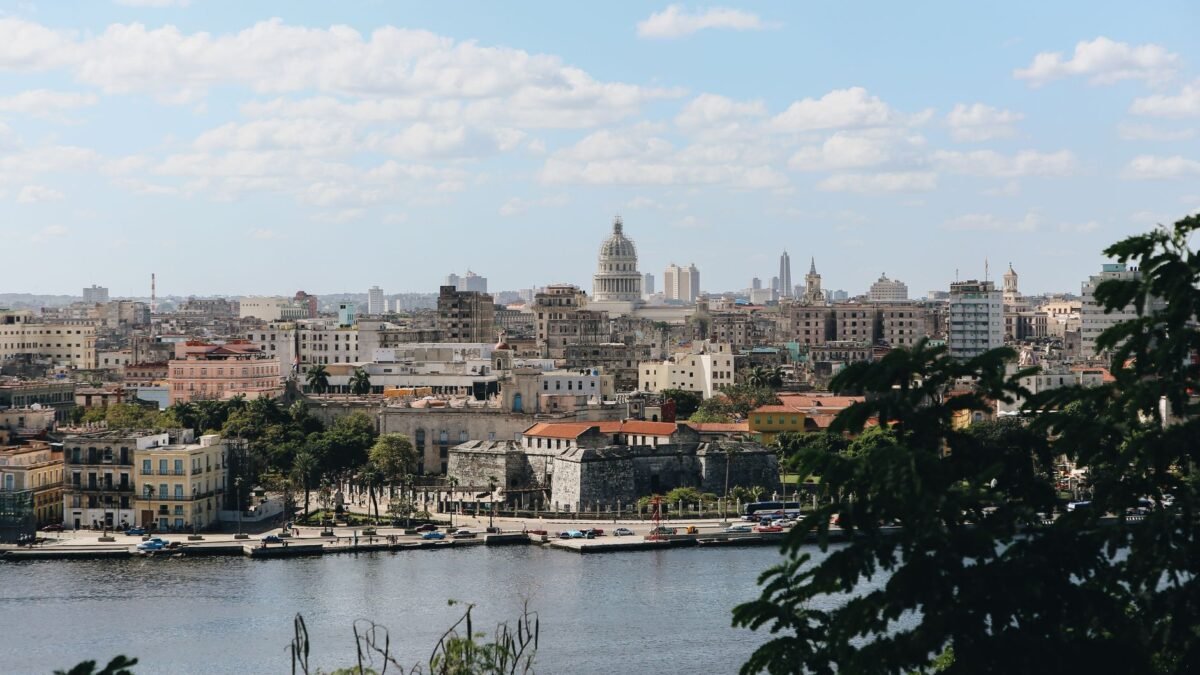
Old Havana, a UNESCO World Heritage site, is the historic heart of the city. Its cobblestone streets are lined with beautifully restored buildings, museums, and lively plazas. A stroll through Old Havana will transport you back in time, where you can admire the Spanish colonial architecture and vibrant street life.
Key highlights of Old Havana include:
- Plaza de Armas: The oldest square in Havana, surrounded by historical buildings and a lively market. Here, you can find local artisans selling handicrafts and souvenirs.
- Castillo del Morro: This fortress offers stunning views of the harbor and the city. Climbing to the top is a rewarding experience, especially during sunset.
- Catedral de la Habana: A magnificent baroque cathedral that is a symbol of Havana. Its beautiful façade and interior are worth a visit, and attending a mass can be a unique cultural experience.
While exploring Old Havana, be sure to stop by a local café to enjoy a traditional Cuban coffee or a refreshing mojito.
Experience the Cuban Culture Through Music and Dance
Cuba is renowned for its music and dance, and Havana offers numerous opportunities to experience this vibrant aspect of its culture. From salsa clubs to street performances, the rhythm of Cuba is infectious.
Some popular venues and events include:
- Casa de la Musica: A famous music venue in Havana where you can enjoy live performances of salsa, son, and other Cuban music genres. It’s a great place to dance the night away.
- Street Performances: Throughout the city, especially in Old Havana, you will find street musicians and dancers showcasing their talents. Joining in on the fun is encouraged, so don’t hesitate to dance along!
- Festival del Nuevo Cine Latinoamericano: If you are visiting in December, this film festival celebrates Latin American cinema and offers a variety of screenings, workshops, and events.
Experiencing Cuban music and dance is not just about watching; it’s about participating and immersing yourself in the local culture.
Indulge in Authentic Cuban Cuisine
Cuban cuisine reflects the island’s history and diverse influences, making it a delightful experience for food lovers. From traditional dishes to innovative culinary creations, Havana has a thriving food scene.
Must-try dishes include:
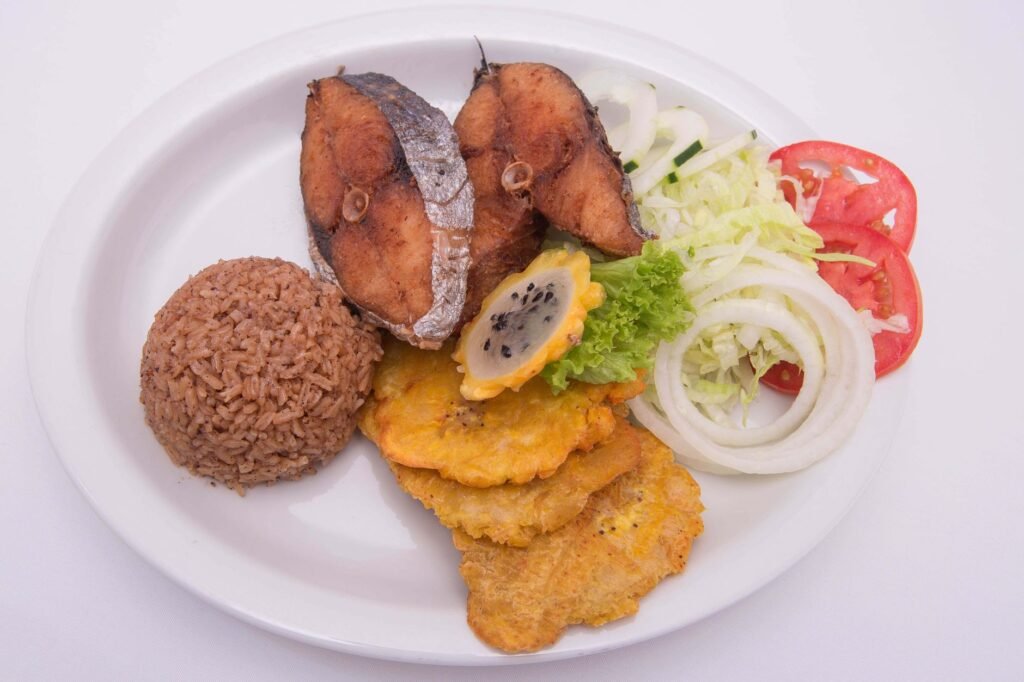
- Ropa Vieja: A classic Cuban dish made with shredded beef, vegetables, and spices, often served with rice and beans.
- Vaca Frita: Marinated and grilled beef, typically served with onions and lime, offering a burst of flavor.
- Moros y Cristianos: A popular dish of black beans and rice cooked together, symbolizing the historical coexistence of cultures in Cuba.
For a more contemporary dining experience, consider visiting paladares, private restaurants often run by families. These establishments serve delicious, home-cooked meals and provide a more intimate atmosphere than larger restaurants.
Explore the Malecón
The Malecón is a famous seawall stretching along the coast of Havana, offering breathtaking views of the ocean and the city. It’s a popular spot for locals and tourists alike to relax, socialize, and enjoy the scenery.
Activities along the Malecón include:
- Strolling or Biking: The long promenade is perfect for a leisurely walk or bike ride, especially during the early morning or late afternoon when the temperatures are cooler.
- Sunset Views: The Malecón is renowned for its stunning sunsets. Bring a camera and find a comfortable spot to watch the sun dip below the horizon.
- Street Vendors: Along the Malecón, you’ll find vendors selling snacks, drinks, and souvenirs. It’s a great place to try local treats while enjoying the ocean breeze.
Whether you’re looking for a romantic evening or a peaceful place to unwind, the Malecón is an essential part of the Havana experience.
Visit the Museums and Cultural Institutions
Havana is home to a variety of museums and cultural institutions that provide insight into the country’s history and artistic heritage. These venues are perfect for those looking to deepen their understanding of Cuba.
Notable museums include:
- Museo de la Revolución: Housed in the former presidential palace, this museum chronicles Cuba’s revolutionary history through artifacts, photographs, and exhibits.
- Museo Nacional de Bellas Artes: This museum showcases a vast collection of Cuban art, ranging from colonial times to contemporary works. It’s a must-visit for art enthusiasts.
- Fábrica de Arte Cubano: An innovative cultural center that combines art, music, and food. It features exhibitions, concerts, and a vibrant atmosphere.
These museums not only enrich your knowledge of Cuba’s past but also showcase its thriving art scene today.
Take a Classic Car Tour
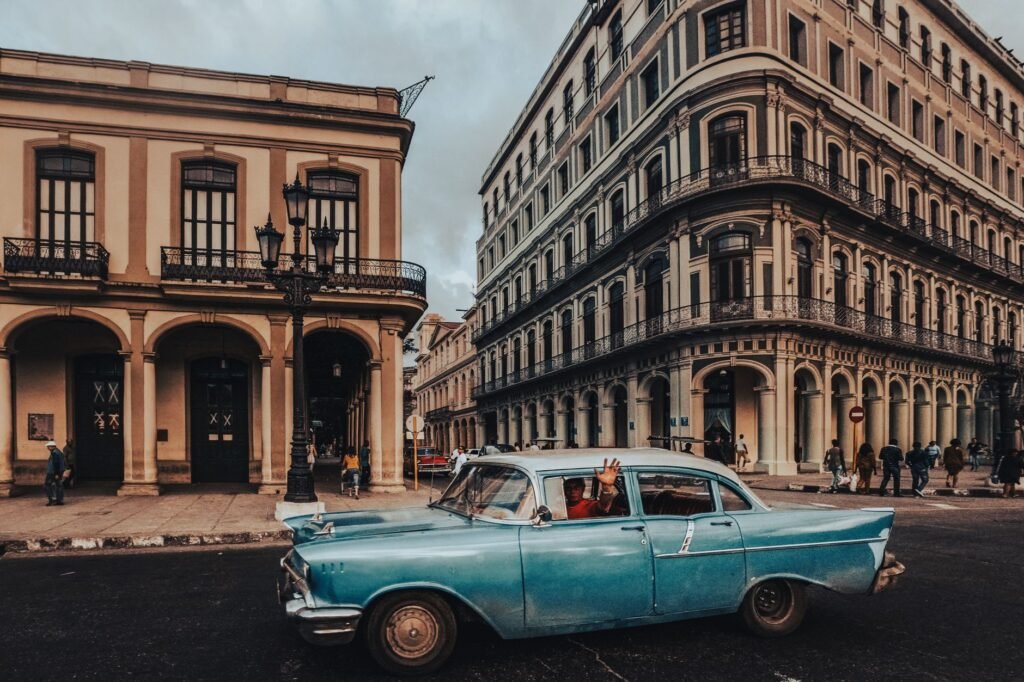
One of the most iconic experiences in Havana is taking a ride in a classic American car. The vintage vehicles, often beautifully restored, are a symbol of Cuba’s unique automotive history.
When considering a classic car tour, here are some tips:
- Choose Your Ride: From convertibles to sedans, you can pick a car that fits your style. Many drivers are also happy to share interesting stories about their vehicles.
- Tour Options: Consider a guided tour that takes you through key areas of Havana, or opt for a self-driven experience to explore at your own pace.
- Photography Opportunities: The colorful cars against the backdrop of Havana’s architecture make for fantastic photo opportunities, so don’t forget your camera!
A classic car tour is not just a mode of transportation; it’s an experience that immerses you in the charm of Havana.
Discover Havana’s Street Art Scene
The Evolution of Street Art in Havana
Havana’s street art scene has evolved significantly over the years, transforming the city into an open-air gallery. This art form reflects the social and political issues of the country while capturing the vibrancy of Cuban life. Many artists began to use the streets as their canvas around the early 2000s, as a means of expression amidst the restrictions of the time. Today, the murals and graffiti found throughout the city serve not only as a form of artistic expression but also as a conversation starter about the complexities of contemporary Cuban society.
Must-Visit Areas for Street Art
To fully appreciate the street art in Havana, certain neighborhoods stand out as hotspots for artwork. One such area is the district of Centro Habana, where you can find a mix of traditional and modern murals that depict various themes, from the struggles of daily life to celebratory representations of Cuban culture.
- Fábrica de Arte Cubano: This cultural center is a hub for artists and features rotating exhibitions, making it a prime location to view contemporary art.
- El Barrio Chino: The Chinese neighborhood has vibrant murals that tell the story of the Chinese community in Cuba.
- San Isidro: This neighborhood is known for its bold and provocative pieces that challenge social norms.
Engaging with Local Artists
Connecting with local artists can provide deeper insights into the meaning behind their work. Many street artists in Havana are open to talking about their inspiration and techniques. Consider joining an organized street art tour, which often includes visits to artists’ studios and discussions about their processes. Alternatively, you may find artists creating works in real-time, allowing you to witness firsthand the evolution of their art.
Uncover Havana’s Architectural Gems
Colonial Architecture and Its Significance
Havana is a treasure trove of colonial architecture, showcasing a blend of Spanish, French, and Moorish influences. The city’s historical significance is reflected in the preservation of buildings that date back to the 16th century. Walking through the streets of Old Havana, you will notice the colorful façades, ornate balconies, and intricate ironwork that tell stories of the past. Notable examples include the Capitolio, which mirrors the architecture of Washington D.C., and the stunning Catedral de la Habana, a baroque masterpiece.
Modernist Movements in Havana
In addition to colonial structures, Havana is home to impressive examples of modernist architecture that emerged in the 20th century. The buildings from this era reflect the optimism and innovation that characterized the period. Key structures include the Edificio Bacardí, known for its Art Deco style, and the Hotel Nacional, which combines functionality with elegance. Exploring these modernist buildings provides a contrast to the historical aspects of the city.
- Edificio López Serrano: A significant skyscraper that showcases the combination of modernism with traditional Cuban elements.
- Casa de las Américas: A cultural institution housed in a modern building that promotes Latin American art and literature.
- Teatro Nacional: A grand theater with an eclectic architectural style that hosts a variety of performances.
Architectural Tours and Preservation Efforts
Many organizations in Havana are dedicated to preserving the city’s architectural heritage. Participating in guided architectural tours can enrich your understanding of the significance of these structures. These tours often highlight restoration projects and the challenges faced in maintaining the historical integrity of the buildings. Engaging with locals and preservationists can provide unique perspectives on the ongoing efforts to safeguard Havana’s architectural legacy.
Participate in Local Workshops and Classes
Art and Craft Workshops
Havana offers a variety of art and craft workshops that allow travelers to immerse themselves in Cuban culture while learning new skills. These workshops range from painting and sculpture to traditional crafts such as cigar rolling and pottery. Participating in these sessions not only provides a hands-on experience but also supports local artisans and their communities.
Culinary Classes with Local Chefs
Discovering Cuban cuisine through cooking classes is an excellent way to connect with the culture. Local chefs often share family recipes that have been passed down through generations, teaching participants about the ingredients and techniques that make Cuban food unique. Classes typically cover a range of dishes, from classic ropa vieja to delectable desserts like flan. Engaging in these culinary experiences allows travelers to savor the flavors of Cuba long after they return home.
- Recommended Culinary Schools:
- Instituto Culinario de La Habana
- Casa de la Cultura
- Culinary Tours Cuba
- Art Workshop Providers:
- Casa Taller de Arte
- Fábrica de Arte Cubano
- Galería de Arte Contemporáneo
Dance Classes for All Levels
Havana is renowned for its lively dance scene, particularly salsa. Many dance studios offer classes for all skill levels, from complete beginners to advanced dancers. Learning salsa in its birthplace not only enhances your travel experience but also provides a fun way to engage with locals. These classes often culminate in social dance nights, where participants can practice their new skills in a vibrant atmosphere, fostering connections with both locals and fellow travelers.
Frequently Asked Questions
What is the best time to visit Havana?
The best time to visit Havana is during the dry season, from November to April, when temperatures are pleasant and rainfall is minimal.
Is Havana safe for tourists?
Havana is generally considered safe for tourists, but like any major city, it’s important to stay aware of your surroundings and take standard safety precautions.
Do I need to speak Spanish in Havana?
While many people in Havana speak some English, knowing basic Spanish phrases can enhance your experience and help you connect with locals.
What currency is used in Havana?
The official currency in Cuba is the Cuban Peso (CUP). It’s advisable to exchange money before your trip or at local exchanges in Havana.
The Bottom Line
Havana is a city that offers a rich tapestry of experiences, from its historic streets to its vibrant music scene and mouthwatering cuisine. Whether you’re exploring Old Havana, enjoying the views from the Malecón, or immersing yourself in Cuban culture, there are countless things to do that will make your visit memorable. Plan your trip with these top activities in mind, and you’ll be sure to create lasting memories in this captivating city.


