Key Takeaways
- Discover Malta's rich history and culture.
- Enjoy beautiful beaches and outdoor activities.
- Experience vibrant nightlife and local cuisine.
- Find practical travel tips for an easier visit.
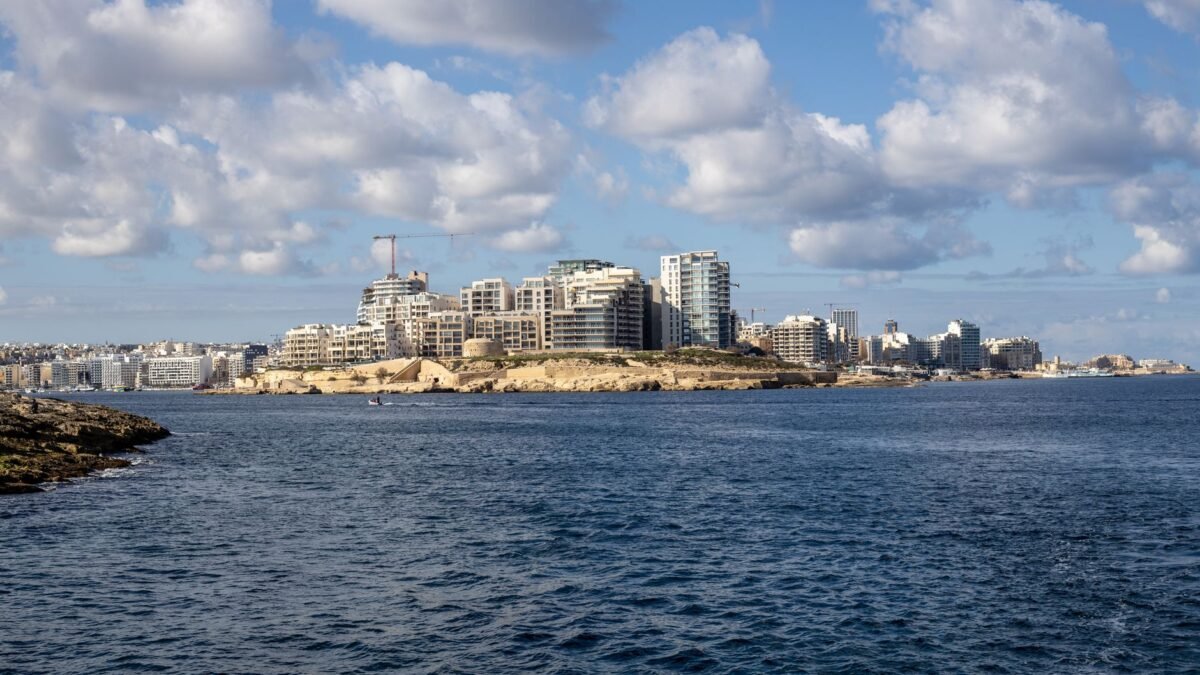
Malta is a stunning Mediterranean archipelago that boasts a rich tapestry of history, culture, and breathtaking scenery. With its strategic location, Malta has been influenced by numerous civilizations over the centuries, resulting in a unique blend of cultures evident in its architecture, language, and traditions. Whether you are a history buff, an adventure seeker, or someone looking to relax on beautiful beaches, Malta has something for everyone. This guide will provide you with the top things to do in Malta to make your visit unforgettable.
From the ancient temples of the Neolithic period to the vibrant nightlife of Valletta, Malta is a treasure trove of experiences waiting to be explored. The islands are home to some of the most remarkable historical sites, pristine beaches, and lively towns that showcase the local culture. As you plan your trip, this guide will help you navigate the best activities and attractions to suit your interests and preferences.
Throughout this article, you will find practical tips, suggested itineraries, and must-see attractions that will help you get the most out of your visit to Malta. Whether you’re traveling with family, friends, or solo, each section is tailored to provide a comprehensive overview of what Malta has to offer.
1. Explore Valletta: The Capital City
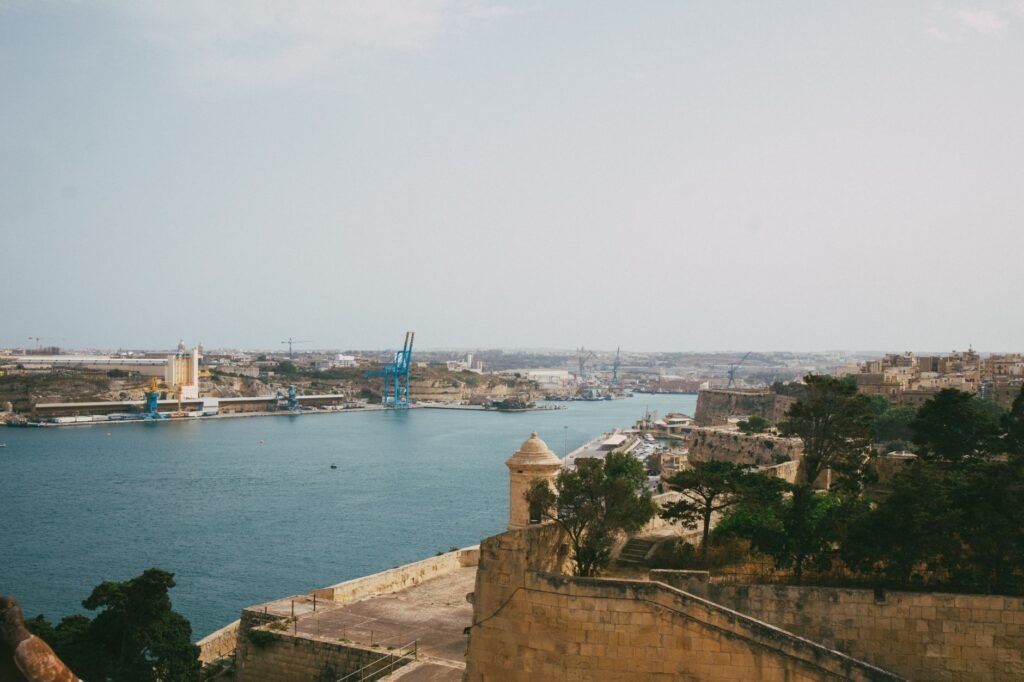
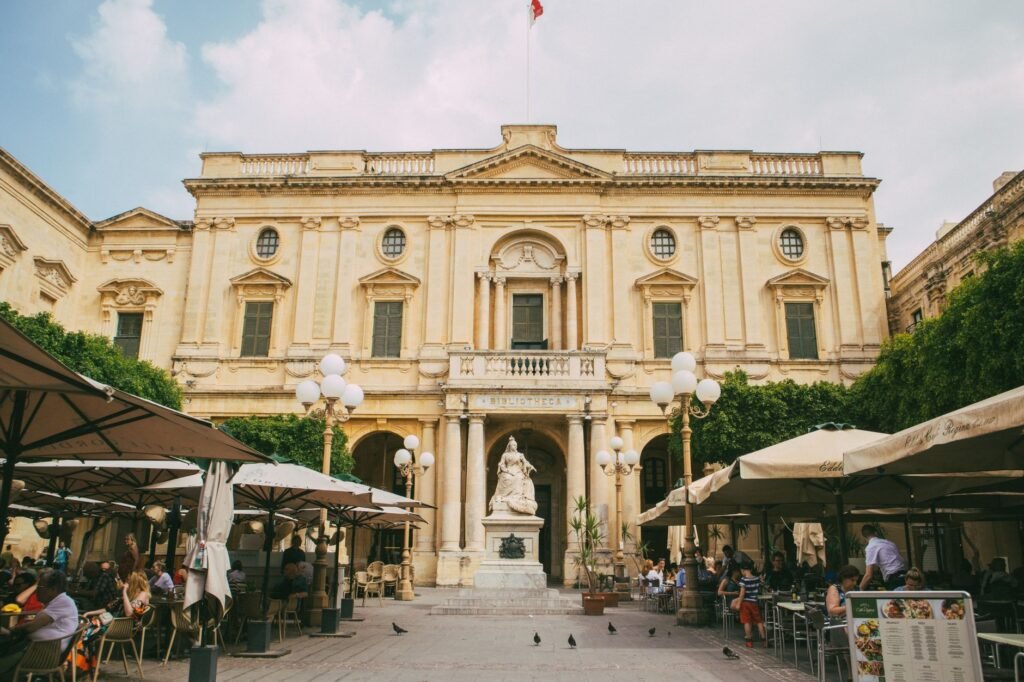
Valletta, the capital city of Malta, is a UNESCO World Heritage Site that is rich in history and culture. The city is known for its Baroque architecture, stunning fortifications, and vibrant atmosphere. One of the best ways to explore Valletta is on foot, allowing you to take in the intricate details of its buildings and the lively streets.
Start your visit at the Grand Master’s Palace, which once served as the residence of the Knights of St. John. Today, it houses the Office of the President and the Parliament of Malta. The palace features impressive architecture and beautiful gardens, making it a perfect spot for photos.
- St. John’s Co-Cathedral: This stunning cathedral is famous for its opulent interior and the works of Caravaggio. Be sure to admire the intricate marble tombstones and the stunning ceiling frescoes.
- Upper Barracca Gardens: Offering breathtaking views of the Grand Harbour, these gardens are a peaceful retreat. It’s an ideal location for a leisurely stroll or a picnic.
- The National Museum of Archaeology: Discover Malta’s prehistoric past through a rich collection of artifacts, including the famous statue of the Venus of Malta.
2. Discover the Megalithic Temples
Malta is home to some of the oldest freestanding structures in the world, the Megalithic Temples, which date back to around 3600 BC. These temples are a testament to Malta’s prehistoric civilization and are a must-visit for history enthusiasts.
The most notable temples include:
- Ħaġar Qim: Located on a hilltop, this UNESCO World Heritage Site features massive stone blocks and intricate carvings. The panoramic views of the Mediterranean Sea from the site are also breathtaking.
- Mnajdra: Situated close to Ħaġar Qim, this temple complex consists of three temples and is known for its astronomical alignments, particularly during the equinoxes.
- Tarxien Temples: These temples are renowned for their elaborate sculptures and are located near Valletta. They provide insight into the rituals and practices of Malta’s ancient inhabitants.
Visiting these sites provides a unique glimpse into Malta’s ancient past. Guided tours are available and can enrich your understanding of the significance of these temples.
3. Relax on Malta’s Beautiful Beaches
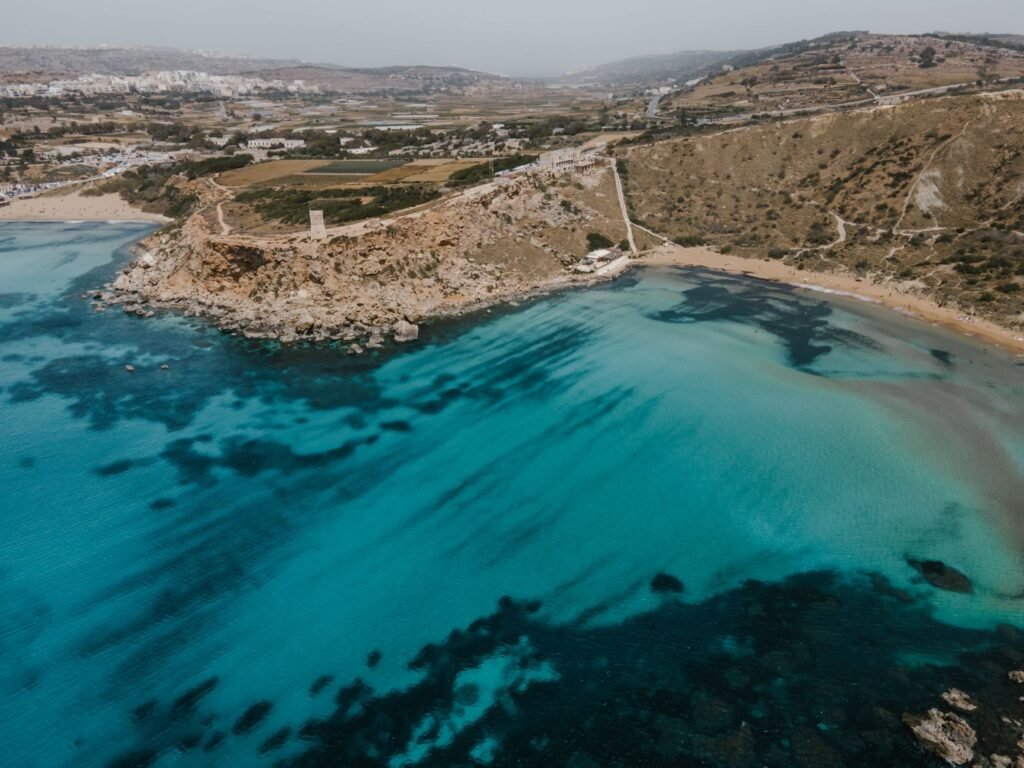
Malta boasts some of the most beautiful beaches in the Mediterranean, perfect for sunbathing, swimming, and water sports. Whether you prefer sandy shores or rocky coves, there is a beach for everyone.
Some of the top beaches include:
- Golden Bay: This popular sandy beach is ideal for families and offers various water sports. The surrounding area features restaurants and bars for refreshments.
- Blue Lagoon: Located on the small island of Comino, the Blue Lagoon is famous for its crystal-clear waters. It’s perfect for swimming and snorkeling, and the scenery is absolutely stunning.
- Ramla Bay: Known for its unique red sand, Ramla Bay is a great spot for relaxation and enjoying the sun. The beach is less crowded, making it a peaceful getaway.
When visiting the beaches, remember to bring essentials such as sunscreen, water, and snacks. Facilities vary by location, so plan accordingly.
4. Experience Malta’s Nightlife
Malta’s nightlife is vibrant and diverse, offering something for everyone. From lively bars to nightclubs with top DJs, the nightlife scene comes alive after dark, particularly in areas like St. Julian’s and Paceville.
Some popular nightlife spots include:
- St. Julian’s: This area is packed with bars and clubs catering to various tastes. Enjoy cocktails at beach clubs or dance the night away at popular nightclubs.
- Paceville: Known as the party capital of Malta, Paceville is home to numerous clubs and bars. It’s a great place to meet fellow travelers and locals alike.
- Sliema: This area offers a more laid-back nightlife experience with waterfront bars and lounges. Enjoy a drink while taking in the stunning views of Valletta across the harbor.
Many venues host themed nights and events, so check local listings for what’s happening during your visit. For a unique experience, consider attending a traditional Maltese festa, featuring fireworks, music, and local delicacies.
5. Savor Maltese Cuisine
Maltese cuisine is a delightful mix of Mediterranean flavors, influenced by the islands’ history and culture. Dining in Malta is a treat, with numerous restaurants offering both traditional and contemporary dishes.
Don’t miss trying some of the following local specialties:
- Rabbit Stew (Fenkata): A traditional Maltese dish, rabbit stew is slow-cooked with a rich tomato sauce and served with fresh bread.
- Pastizzi: These flaky pastries are filled with ricotta or mushy peas and make for a perfect snack or light meal.
- Ħobż biż-żejt: A popular Maltese sandwich made with crusty bread, olive oil, tomatoes, and various fillings, often enjoyed as a quick lunch.
For dessert, try the local favorite, Kannoli, a pastry filled with sweet ricotta. To enhance your dining experience, pair your meals with local wines or try a refreshing Kinnie, a soft drink made from bitter oranges.
6. Visit the Blue Grotto and Other Natural Wonders
The Blue Grotto is one of Malta’s most famous natural attractions, known for its stunning sea caves and vibrant blue waters. A boat trip to the grotto is a must-do for visitors, offering a chance to explore the caves and enjoy the breathtaking scenery.
In addition to the Blue Grotto, consider visiting:
- Azure Window (now collapsed): Although the iconic structure collapsed in 2017, the area remains a beautiful spot for photos and offers stunning views of the coastline.
- Comino Island: Known for the Blue Lagoon, Comino is also great for hiking and exploring its natural beauty.
- Ta’ Pinu National Park: This park offers various hiking trails with picturesque views of the countryside and cliffs.
For the adventurous, activities like cliff diving and snorkeling are popular in these areas. Always prioritize safety and be mindful of local guidelines.
Delve into Malta’s Rich History at the National Museum of Archaeology
An Overview of the Museum
The National Museum of Archaeology, located in Valletta, is a treasure trove of Malta’s prehistoric past. Housed in a beautiful baroque building, the museum showcases artifacts that date back to the Neolithic period. Visitors can marvel at the collection of ancient pottery, tools, and decorative items that reveal the lives of Malta’s earliest inhabitants. The museum offers an insightful look into the development of Maltese civilization and the influences that shaped the island over millennia.
Must-See Exhibits
Among the numerous exhibits, several stand out as must-sees for anyone interested in Malta’s history. Here are a few highlights:
- The Sleeping Lady: A stunning limestone statuette from the Hypogeum of Ħal-Saflieni, depicting a reclining female figure.
- The Venus of Malta: A prehistoric figurine that exemplifies the artistic capabilities of ancient Maltese artisans.
- Unique Pottery: Various examples of pottery styles that evolved throughout Malta’s history, showcasing different cultural influences.
Visiting Information
The museum is open daily, making it accessible for travelers. Guided tours are available, providing deeper insights into the exhibits and the historical context behind them. The museum also hosts temporary exhibitions that focus on specific themes within Maltese archaeology, so it’s wise to check their schedule before your visit.
Discover the Hidden Gems of Gozo: Malta’s Sister Island
Exploring Victoria
The capital of Gozo, Victoria, is a charming town that is rich in history and culture. One of its main attractions is the Citadel, a fortified city that offers panoramic views of the island. Visitors can wander through its ancient streets, visit the Cathedral of the Assumption, and enjoy a variety of shops and eateries. The vibrant atmosphere, especially during local festivals, offers a glimpse into Gozitan life.
Natural Wonders of Gozo
Gozo is renowned for its stunning natural landscapes. The island is less developed than Malta, providing an authentic experience for nature lovers. Here are some of Gozo’s natural highlights:
- Azure Window: Though it collapsed in 2017, the site remains a popular spot for diving and photography.
- Ramla Bay: Known for its red sandy beach, Ramla Bay is perfect for swimming and sunbathing.
- Ta’ Pinu Sanctuary: A beautiful basilica set in a picturesque landscape, offering hiking opportunities nearby.
Activities to Enjoy in Gozo
Gozo offers a range of activities for visitors looking to explore more than just the sights. Some popular options include:
- Hiking: The coastal paths provide breathtaking views and access to secluded beaches.
- Diving: The clear waters around Gozo are perfect for divers, with numerous dive sites showcasing marine life.
- Local Festivals: Participating in local events provides an immersive experience in Gozitan culture.
Experience Malta’s Unique Cultural Heritage through Festivals
Festivals Celebrating Tradition
Malta is known for its vibrant festivals that celebrate local traditions and culture. Throughout the year, various towns host feasts in honor of patron saints, often featuring parades, fireworks, and traditional music. These festivals are a fantastic way to immerse yourself in Maltese culture. Some notable festivals include:
- Feast of St. Paul: Celebrated in Valletta, this festival features a procession, fireworks, and cultural events.
- Feast of St. George: Held in the town of Victoria, Gozo, this festival includes traditional music and elaborate decorations.
- Malta International Arts Festival: Showcasing local and international artists, this festival spans various artistic disciplines.
Gastronomic Events
Food plays a crucial role in Maltese culture, and various festivals celebrate local cuisine. The Malta International Food Festival, for instance, brings together local chefs and food enthusiasts, showcasing traditional dishes and modern interpretations. Visitors can sample everything from pastizzi to rabbit stew, along with local wines and desserts.
Participating in Workshops and Local Events
Many festivals offer workshops where visitors can learn traditional crafts such as lace-making, pottery, and weaving. Engaging in these activities offers a hands-on experience of Malta’s cultural heritage. Local artisans often share their skills and stories, making it a meaningful experience for participants.
Frequently Asked Questions
What is the best time to visit Malta?
The best time to visit Malta is during the spring (April to June) and fall (September to October) when the weather is pleasant and the tourist crowds are smaller.
What is the currency used in Malta?
The currency used in Malta is the Euro (€). Credit and debit cards are widely accepted, but it’s advisable to carry some cash for smaller establishments.
Is Malta safe for tourists?
Yes, Malta is generally considered safe for tourists. However, it’s always wise to take standard precautions, such as avoiding poorly lit areas at night and keeping valuables secure.
How do I get around Malta?
Malta has a reliable public transport system, including buses that connect major towns and attractions. For more flexibility, consider renting a car or scooter.
The Bottom Line
Malta offers a diverse range of activities and attractions, making it a perfect destination for travelers of all interests. From exploring historical sites and stunning beaches to enjoying a vibrant nightlife and savoring local cuisine, there is no shortage of things to do in Malta. By planning your itinerary to include these top attractions, you are sure to have an enriching and memorable experience on this beautiful Mediterranean archipelago.


