Key Takeaways
- Cuba offers a vibrant mix of history, culture, and nature.
- Must-visit locations include Havana, Varadero, and Trinidad.
- Local cuisine and music are integral to the Cuban experience.
- Traveling in Cuba requires some preparation and local insight.
Cuba, an island nation in the Caribbean, is a melting pot of vibrant culture, rich history, and stunning landscapes. From its colorful colonial buildings to its pristine beaches, the country offers a plethora of experiences for travelers. Whether you’re an art lover, a history buff, or simply seeking relaxation, Cuba has something for everyone. This article explores the top things to do in Cuba, ensuring you have a fruitful and memorable trip.
As you prepare for your journey, consider the unique blend of experiences that await you. From bustling city life in Havana to serene beach days in Varadero, Cuba’s charm is undeniable. In the following sections, we will delve into various attractions, activities, and practical tips that will help make your visit smooth and enjoyable.
1. Explore Havana: The Heart of Cuba
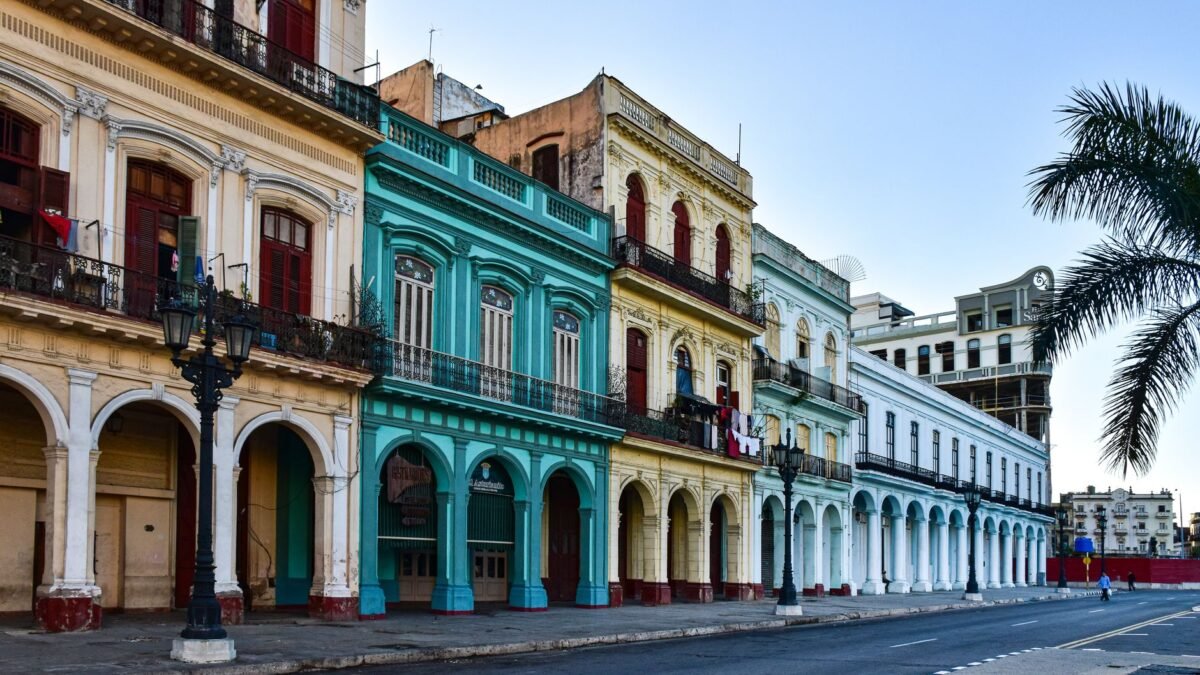
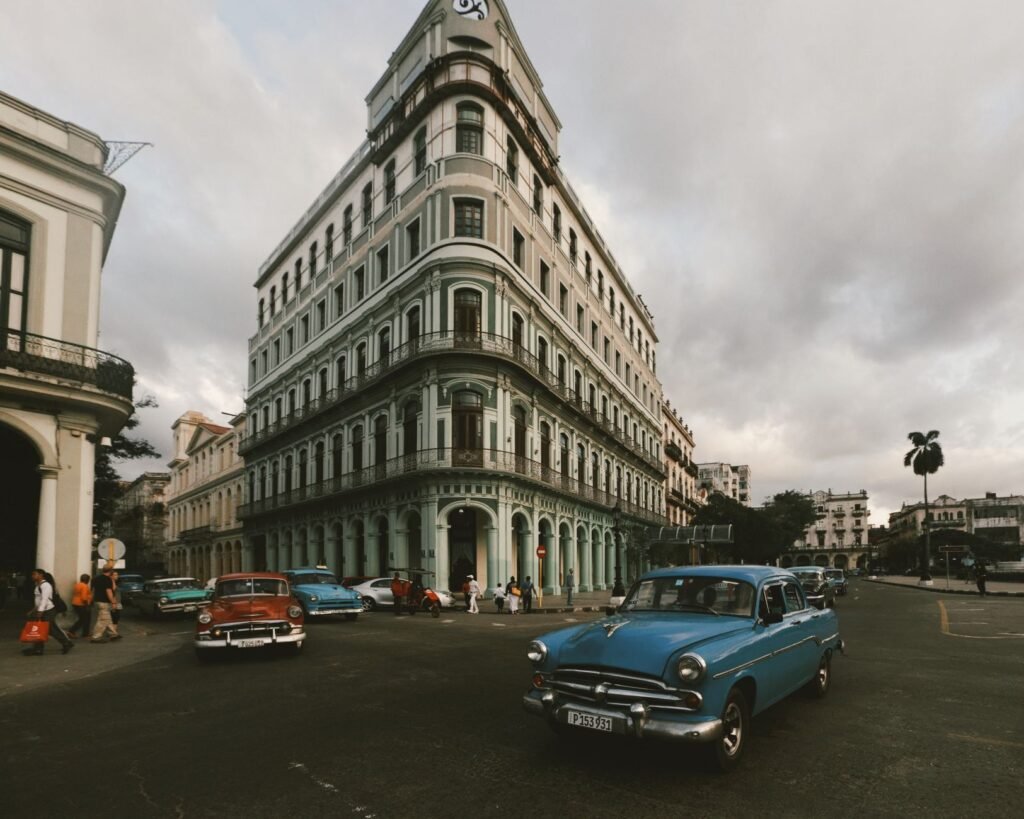
Havana, the capital city, is a vibrant tapestry of history, architecture, and culture. The city’s historic center, Old Havana, is a UNESCO World Heritage site, known for its well-preserved colonial buildings and lively streets. Strolling through the cobblestone streets, you can admire the stunning architecture, including the iconic Capitolio and the majestic Cathedral of Havana.
A visit to Havana wouldn’t be complete without experiencing its rich music scene. The city is famous for its live music venues, with jazz and salsa echoing through the streets. One of the best places to experience this is at the Buena Vista Social Club, where you can enjoy live performances while savoring traditional Cuban cuisine.
For a deeper understanding of Cuban culture, consider visiting the Museo Nacional de Bellas Artes, which houses an impressive collection of Cuban art. From pre-Columbian artifacts to contemporary works, the museum provides insight into the artistic evolution of the island.
Must-See Attractions in Havana
- Malecón: A picturesque seawall stretching along the coast, perfect for a leisurely walk or sunset views.
- Plaza de la Revolución: A significant historical site featuring iconic monuments and an expansive square.
- El Capitolio: A stunning architectural marvel, once the seat of government, now housing the National Museum of Natural History.
2. Discover Varadero: Sun and Sand
Varadero is renowned for its stunning white-sand beaches and crystal-clear waters. This resort town is one of the most popular destinations in Cuba, attracting tourists seeking relaxation and recreational activities. The beach stretches for around 20 kilometers, offering ample space for sunbathing, swimming, and water sports.
For those looking to indulge in adventure, Varadero offers numerous water activities, including snorkeling, scuba diving, and windsurfing. The nearby coral reefs provide excellent opportunities to explore the underwater world, teeming with vibrant marine life.
After a day at the beach, unwind at one of Varadero’s beachfront restaurants, where you can enjoy fresh seafood and traditional Cuban dishes while overlooking the ocean. The lively nightlife in Varadero also promises plenty of entertainment, with clubs and bars featuring local music and dancing.
Top Activities in Varadero
- Visit Parque Josone: A lush park with gardens, a lagoon, and eateries, perfect for a leisurely afternoon.
- Explore the Varadero Dolphinarium: Interact with dolphins and enjoy shows featuring these intelligent marine mammals.
- Take a boat trip: Consider a catamaran excursion to nearby cays, offering snorkeling and beach time in idyllic settings.
3. Step Back in Time in Trinidad
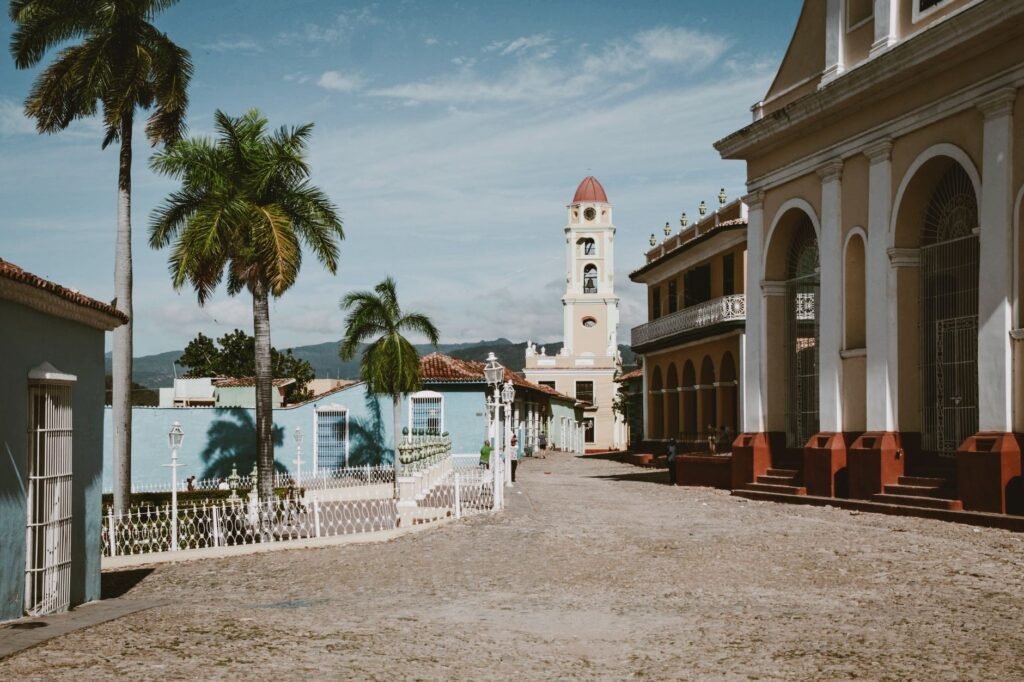
Trinidad is a well-preserved colonial town that transports visitors back to the 18th century. With its cobblestone streets, colorful houses, and vibrant plazas, Trinidad is a UNESCO World Heritage site that showcases the architectural beauty of colonial Cuba. The town’s charm lies in its laid-back atmosphere and the friendly locals who welcome visitors with open arms.
One must-see attraction in Trinidad is the Plaza Mayor, where you can find the Museo Romántico, which offers a glimpse into the lives of the wealthy sugar plantation owners of the past. The nearby Palacio Cantero also provides stunning views of the town from its tower.
In the evening, the town comes alive with music and dance. The Casa de la Musica is the place to be for live performances, where you can enjoy salsa and enjoy a drink while mingling with locals and fellow travelers.
Highlights of Trinidad
- Valle de los Ingenios: A beautiful valley marked by the remains of sugar plantations, accessible via guided tours or horseback riding.
- Playa Ancón: A nearby beach offering relaxation and water sports, just a short drive from Trinidad.
- Topes de Collantes: A national park with hiking trails, waterfalls, and stunning natural scenery, ideal for nature lovers.
4. Experience Cuban Cuisine
Cuban food is a delightful fusion of flavors influenced by Spanish, African, and Caribbean cuisines. It’s essential to indulge in local dishes during your trip. A popular dish to try is Ropa Vieja, shredded beef cooked in a tomato-based sauce, often served with rice and black beans.
Another must-try is Lechón Asado, slow-roasted pork marinated in a citrus-garlic sauce, typically enjoyed during celebrations. Vegetarians can opt for Moros y Cristianos, a dish of black beans and rice seasoned with spices.
Dining in Cuba can vary from street food to upscale restaurants. Street vendors offer delicious snacks like Tostones (fried green plantains) and Yuca frita (fried cassava). For a more refined experience, consider dining at a paladar, a privately-owned restaurant that often serves authentic and fresh dishes.
Recommended Dining Spots
- La Bodeguita del Medio: Famous for its mojitos and traditional Cuban dishes, located in Havana.
- Casa de la Musica: Offers great food along with live music, providing a lively atmosphere.
- Restaurante Trinidad 500: Located in Trinidad, known for its local seafood and stunning views.
5. Engage with Local Culture
Cuban culture is rich and diverse, shaped by its history and the fusion of various influences. Engaging with locals can provide deeper insights into the country’s traditions and lifestyle. Consider taking a dance class to learn salsa or rumba, two dance styles integral to Cuban culture.
Art also plays a significant role in Cuban society. Visit local galleries and art studios, especially in Havana, to appreciate the works of talented Cuban artists. You may even have the opportunity to meet artists and learn about their creative processes.
Festivals are another great way to experience Cuban culture. The Havana Jazz Festival, held annually, features international musicians and local talents. Similarly, the Santiago de Cuba Carnival, celebrated in July, showcases colorful parades and lively music.
Ways to Connect with Cuba’s Culture
- Attend a local music event: Check local listings for concerts and live performances during your stay.
- Participate in workshops: Look for classes on salsa dancing, cooking, or art to immerse yourself in Cuban culture.
- Visit cultural centers: Explore places like the Taller experimental de Gráfica in Havana, where you can see printmaking in action.

6. Practical Travel Tips for Cuba
Traveling to Cuba can be an incredible experience, but it’s essential to prepare adequately. One of the first things to consider is the currency. Cuba operates with two currencies: the Cuban Peso (CUP) and the Cuban Convertible Peso (CUC). As of recent changes, visitors should primarily use CUP, but it’s advisable to have a mix of both for various transactions.
Internet access in Cuba can be limited, with many hotels providing Wi-Fi only in public areas. It’s wise to purchase an ETECSA Wi-Fi card for access at designated hotspots. Additionally, avoid relying solely on credit cards, as many establishments do not accept them. Carry cash for your daily expenses.
Health and safety should also be a priority. While Cuba is generally safe for tourists, it’s wise to take standard precautions. Ensure you have travel insurance that covers medical expenses, and consult your doctor about necessary vaccinations. Drinking bottled water is recommended to avoid any gastrointestinal issues.
Unwind in Cuba’s Natural Wonders
Explore the Viñales Valley
Viñales Valley, a UNESCO World Heritage Site, is an idyllic escape for nature lovers and adventure seekers alike. This stunning area is characterized by its unique limestone formations, known as mogotes, which rise dramatically from the landscape. The valley is also renowned for its lush tobacco fields, where visitors can witness the traditional methods of cigar production firsthand.
While in Viñales, consider engaging in one of the many outdoor activities available:
- Hiking through scenic trails that offer breathtaking views.
- Caving expeditions in the nearby caves, such as Cueva del Indio.
- Horseback riding tours through the picturesque countryside.
Each of these activities provides an opportunity to connect with the striking natural beauty of Cuba while learning about the local agricultural practices that sustain the community.
Visit the Sierra del Rosario Biosphere Reserve
The Sierra del Rosario Biosphere Reserve is a haven for biodiversity and a must-visit for eco-tourists. This protected area is home to a variety of flora and fauna, making it an excellent spot for birdwatching and hiking. The reserve’s commitment to conservation efforts showcases Cuba’s natural heritage.
In addition to exploring the rich ecosystems, visitors can:
- Participate in guided eco-tours that educate on local wildlife and conservation.
- Visit the Los Indios Cave for a unique underground experience.
- Enjoy local organic farms that promote sustainable agriculture.
By immersing yourself in the Sierra del Rosario, you not only appreciate the stunning landscapes but also support the preservation of Cuba’s natural environments.
Cultural Immersion Beyond the Tourist Path
Experience the Arts in Santiago de Cuba
Santiago de Cuba is a vibrant city known for its rich cultural heritage and lively arts scene. It is the birthplace of son music, and the echoes of its rhythms can be felt throughout the streets. Engage with the local art scene by visiting galleries and attending performances that showcase the work of emerging artists.
While in Santiago, consider:
- Attending the Festival del Caribe, celebrating Caribbean culture through music and dance.
- Exploring Casa de la Cultura for workshops and exhibitions.
- Visiting local artisan markets to purchase handmade crafts and artwork.
Engaging with the arts in Santiago not only enriches your travel experience but also supports local artists and the community.
Participate in a Community Project
Volunteering in community projects is a rewarding way to connect with locals and gain deeper insight into Cuban life. Various organizations offer opportunities that range from teaching English to participating in environmental conservation efforts. Engaging in these projects allows visitors to make a meaningful impact while fostering cross-cultural connections.
Opportunities to volunteer include:
- Teaching at local schools, where you can share language and skills.
- Participating in community gardening initiatives that promote sustainable practices.
- Joining cleanup efforts at local parks and beaches.
These immersive experiences not only help you understand Cuban society but also leave a lasting positive effect on the communities you engage with.
Unique Islands and Cays to Discover
Explore Cayo Coco and Cayo Guillermo
Cayo Coco and Cayo Guillermo are two stunning islands located in the Jardines del Rey archipelago. Known for their remote beauty and pristine beaches, these cays offer a tranquil escape from the bustling tourist spots. The area is also famous for its coral reefs, making it a popular destination for snorkeling and diving enthusiasts.
When visiting Cayo Coco and Cayo Guillermo, consider:
- Exploring the underwater world through snorkeling or scuba diving excursions.
- Relaxing on the white sand beaches, such as Playa Pilar.
- Participating in nature tours to observe the local wildlife, including flamingos and diverse marine life.
These islands provide a unique perspective on Cuba’s natural beauty and are perfect for those seeking relaxation and adventure.
Discover the Secrets of Cayo Levisa
Cayo Levisa is a lesser-known island that offers a peaceful retreat with stunning beaches and lush tropical landscapes. Accessible only by boat, it provides a sense of seclusion that is perfect for travelers looking to escape the crowds. The island is known for its crystal-clear waters and vibrant marine life, making it ideal for snorkeling and fishing.
Visitors to Cayo Levisa can enjoy:
- Beachfront lounging with breathtaking sunset views.
- Fishing trips to catch local species, including snapper and grouper.
- Guided snorkeling tours to explore the nearby coral reefs.
Cayo Levisa remains an untouched paradise, allowing for a unique and authentic experience of Cuba’s natural beauty.
Frequently Asked Questions
What is the best time to visit Cuba?
The best time to visit Cuba is between November and April, during the dry season, when the weather is more pleasant and ideal for outdoor activities.
Are there any travel restrictions for entering Cuba?
Travel restrictions can change, so it’s essential to check with your local authorities or the Cuban embassy for the latest entry requirements before your trip.
Do I need a visa to visit Cuba?
Most travelers need a tourist visa, known as a tarjeta del turista, which can be obtained through airlines or travel agencies before departure.
Is it safe to travel around Cuba?
Generally, Cuba is safe for tourists, but it’s advisable to stay vigilant, avoid poorly lit areas at night, and keep your belongings secure.
The Bottom Line
Cuba is a destination that offers an array of experiences, from exploring historical cities to lounging on beautiful beaches. Engaging with the local culture through music, dance, and cuisine enhances your visit. With proper planning and an open mind, your trip to Cuba can be unforgettable, filled with rich experiences and warm encounters.