Key Takeaways
- Explore Yerevan's vibrant culture and history.
- Visit ancient monasteries and breathtaking landscapes.
- Enjoy local cuisine and unique experiences.
- Plan your trip with practical tips for a smooth journey.
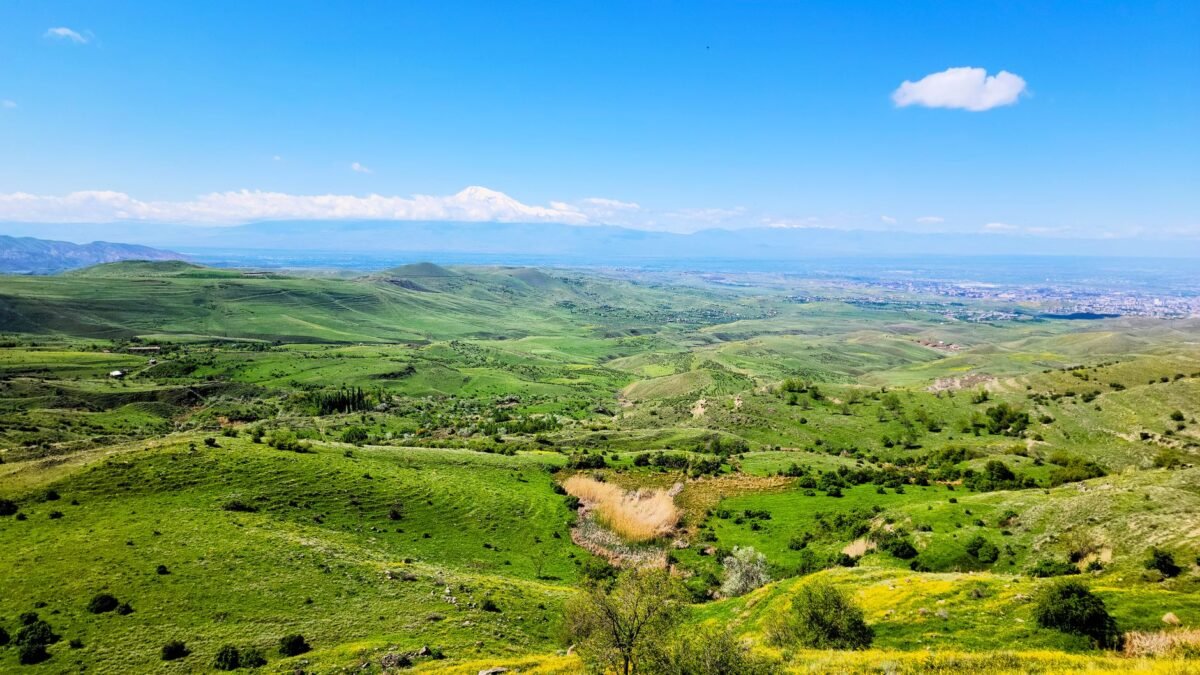
Armenia, known for its rich history, stunning landscapes, and vibrant culture, makes for an excellent travel destination. If you’re planning a trip, spending five days exploring this beautiful country can provide a well-rounded experience. From the bustling streets of Yerevan to the tranquil shores of Lake Sevan, there is much to see and do.
This guide will outline the ultimate five days in Armenia, covering the must-visit attractions, local delicacies to try, and practical tips to ensure a smooth travel experience. Whether you are a history buff, nature lover, or simply looking to immerse yourself in a new culture, Armenia has something to offer.
Get ready to embark on a memorable journey through Armenia, where each day presents unique experiences that highlight the country’s beauty and heritage.
Day 1: Discovering Yerevan
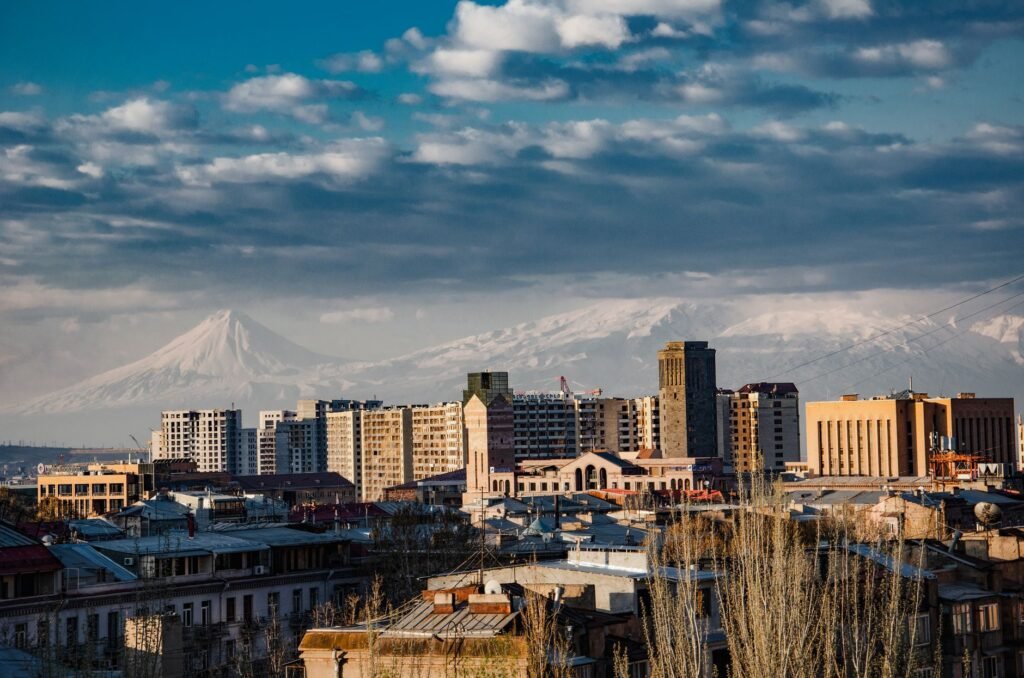
Your adventure begins in Yerevan, the capital city of Armenia and one of the oldest continuously inhabited cities in the world. Start your day by visiting the Republic Square, a central hub surrounded by impressive government buildings and the famous singing fountains. This vibrant area is the perfect place to soak in the local atmosphere.
After exploring the square, head to the Armenian Genocide Memorial and Museum. This poignant site offers insight into Armenia’s history and is essential for understanding the country’s past. Spend some time reflecting and learning about this significant event.
For lunch, try a local restaurant like Dolmama, known for its traditional Armenian dishes. Don’t miss the chance to sample dolma, a dish made of grape leaves stuffed with rice and meat. Afterward, take a stroll along the Cascade Complex, a giant stairway lined with sculptures and fountains that leads to the impressive Cafesjian Center for the Arts. The center showcases both local and international artists and provides fantastic views of the city.
Day 2: Historical Sites Around Yerevan
On your second day, venture outside Yerevan to explore some of the historical sites that define Armenia’s rich cultural heritage. Start with a visit to the ancient temple of Garni, a Hellenistic temple dedicated to the sun god Mihr. This site is not only architecturally fascinating but also offers stunning views of the surrounding mountains and gorge.
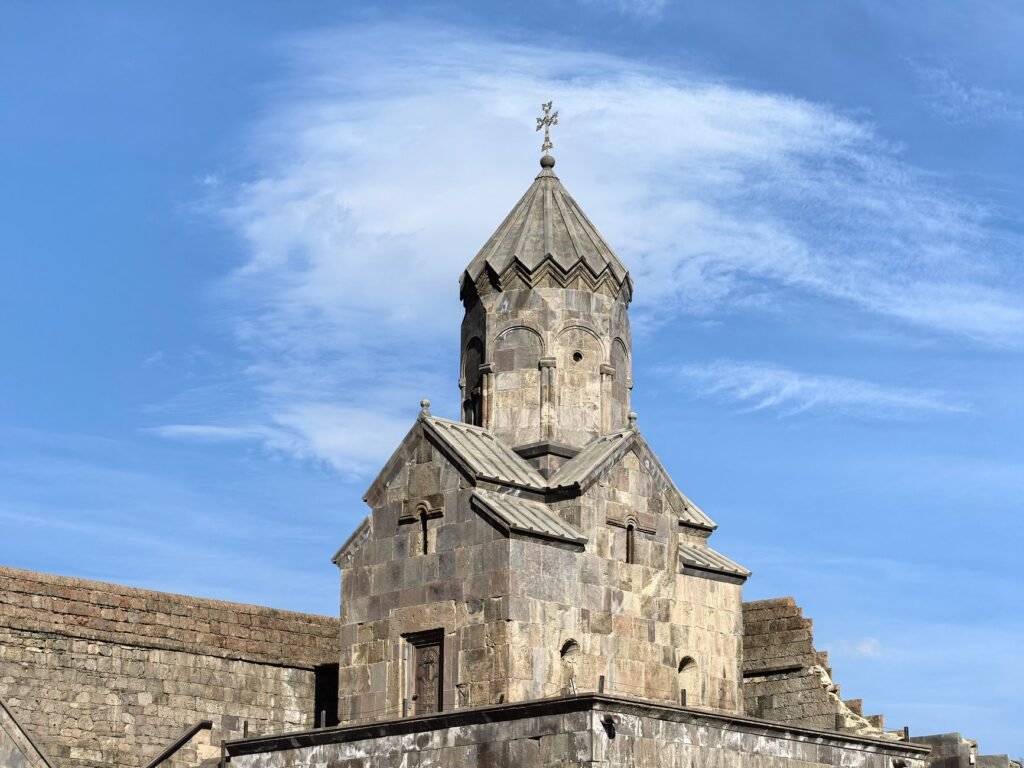
Next, head to the nearby Geghard Monastery, a UNESCO World Heritage site. This remarkable complex is partially carved into the rock and surrounded by towering cliffs. The tranquility of the monastery and its historical significance make it a must-visit. Be sure to take time to walk around and absorb the peaceful atmosphere.
For lunch, enjoy some local cuisine at a nearby eatery, such as the famous Khashlamba (grilled meat). Afterward, return to Yerevan and explore the Vernissage Market, where you can find traditional Armenian crafts, souvenirs, and artwork. It’s an excellent place to pick up unique items to remember your trip.
Day 3: Lake Sevan and Dilijan National Park
Day three takes you to Lake Sevan, often called the Jewel of Armenia. Start early and head to the lake, which is about an hour’s drive from Yerevan. Upon arrival, you can visit the Sevanavank Monastery located on the peninsula. The panoramic views from the monastery are breathtaking, especially in the early morning light.
After exploring Sevan, enjoy a lakeside lunch at one of the many restaurants serving fresh fish from the lake. The trout is particularly famous and is a local delicacy. Post-lunch, take a leisurely stroll along the shores of Lake Sevan to appreciate the serene environment.
In the afternoon, make your way to Dilijan National Park, known for its lush forests and scenic hiking trails. The park offers a variety of trails suitable for different skill levels, and you’ll be able to see diverse flora and fauna. Consider hiking to the Haghartsin Monastery, nestled in the woods, for a peaceful experience amidst nature.
Day 4: The Mythical Khor Virap and Noravank
On your fourth day, visit Khor Virap, an ancient monastery located near the Turkish border. This site is significant in Armenian history as it is where St. Gregory the Illuminator was imprisoned. The breathtaking views of Mount Ararat from the monastery are worth the trip alone, and it offers a perfect backdrop for photography.
After Khor Virap, head to Noravank, a stunning 1100s monastery set against striking red cliffs. The unique architecture and dramatic scenery make Noravank a highlight of Armenia. Explore the complex and take your time to admire the intricate carvings and the natural beauty surrounding the area.
For lunch, try local specialties at a nearby restaurant, perhaps indulging in traditional Armenian lavash bread. Spend your afternoon enjoying the scenery, and consider a short hike in the surrounding area before returning to Yerevan.
Day 5: Cultural Immersion and Departure
Your final day in Armenia should be spent immersing yourself in the local culture and cuisine. Visit the History Museum of Armenia to learn more about the country’s past, from ancient times to modern history. The museum houses a vast collection of artifacts, including items from the Bronze Age.
Next, take a cooking class to learn how to make traditional Armenian dishes. This hands-on experience not only allows you to taste your creations but also gives you insight into Armenian culinary traditions. Many classes include a market tour where you can select fresh ingredients.
After your cooking class, enjoy your final meal in Armenia at a restaurant that offers a tasting menu of various Armenian dishes. This is a perfect way to reflect on your journey and savor the flavors of Armenia one last time before you depart. Ensure you leave some time for last-minute shopping or sightseeing in Yerevan.
Day Trips from Yerevan: Exploring Armenia’s Hidden Gems
1. Garni Temple and Geghard Monastery
Just a short drive from Yerevan, the Garni Temple stands as the only Greco-Roman colonnaded structure in Armenia. This first-century AD temple is dedicated to Mihr, the sun god, and offers breathtaking views of the surrounding mountains. The temple’s classical architecture provides a fascinating contrast to Armenia’s predominantly Armenian Apostolic heritage. Visitors can enjoy a leisurely hike around the area, where the natural scenery is as impressive as the historical site itself.
Nearby, Geghard Monastery, a UNESCO World Heritage site, is carved into the rock and offers a glimpse into medieval monastic life. The acoustics in the main church are particularly striking, often leaving visitors in awe during choral performances. Together, these two sites create a day trip filled with cultural and natural wonders.
- Garni Temple: Explore ancient architecture and stunning vistas.
- Geghard Monastery: Experience the serenity of a rock-hewn monastery.
- Local Cuisine: Don’t miss trying traditional Armenian lavash baked in a tandoor.
2. The Art of Armenian Winemaking in Areni
Areni, a picturesque village in the Vayots Dzor Province, is known for its rich winemaking traditions, which date back thousands of years. A visit to Areni isn’t complete without exploring the Areni Wine Factory, where visitors can take part in guided tours that delve into the ancient methods of winemaking still practiced today. Tasting sessions allow guests to savor local wines while learning about the unique terroir of the region.
The nearby Areni Cave, where the oldest known shoe and evidence of winemaking have been discovered, adds an archaeological twist to the itinerary. This cave is a significant site for those interested in history and anthropology. The combination of cultural history and culinary experiences makes Areni a must-visit destination for wine enthusiasts and casual tourists alike.
- Areni Wine Factory: Sample unique local wines.
- Areni Cave: Discover archaeological treasures.
- Scenic Views: Enjoy the picturesque vineyards against a backdrop of majestic mountains.
3. The Richness of Armenian Folklore and Festivals
Armenia’s rich cultural heritage is best experienced through its festivals, which are often steeped in folklore. One of the most vibrant festivals is Vardavar, celebrated 14 weeks after Easter, where locals douse each other with water in a joyful celebration of summer. Participants of all ages take part in this playful tradition, which has its roots in pagan customs.
Another notable event is the Yerevan Wine Festival held in the fall, showcasing local winemakers and offering a plethora of tastings, traditional food, and performances. These festivals provide an immersive experience, allowing visitors to engage with local customs and traditions while enjoying festivities that highlight the warmth and hospitality of the Armenian people.
- Vardavar: A day of water fights and celebration.
- Yerevan Wine Festival: A celebration of local wines and culinary delights.
- Traditional Music and Dance: Experience performances that bring Armenian folklore to life.
Exploring Armenia’s Nature: Hiking and Outdoor Activities
1. The Transcaucasian Trail
For avid hikers, the Transcaucasian Trail offers an unforgettable journey through Armenia’s stunning landscapes. Stretching over 1,200 kilometers, the trail connects Armenia with its neighboring countries and showcases diverse terrains, from lush forests to rugged mountains. Various segments of the trail can be explored depending on your skill level and time constraints.
Some popular sections near Yerevan include the hike to Mount Ararat, which provides stunning views of the iconic peak, and the trail around Lake Sevan, where hikers can enjoy the serene waters and lush greenery. Whether you are a novice or an experienced trekker, the Transcaucasian Trail is an excellent way to immerse yourself in Armenia’s natural beauty.
- Mount Ararat: Iconic views and breathtaking landscapes.
- Lake Sevan: Scenic trails with opportunities for swimming.
- Guided Tours: Consider joining guided tours for a more informative experience.
2. Adventure Sports in Dilijan
Dilijan, often referred to as the
Local Cuisine: A Taste of Armenia
Signature Dishes to Try
Armenian cuisine is a delightful blend of flavors, influenced by the rich history and culture of the region. When visiting Armenia, it’s essential to indulge in its signature dishes. One must-try is khorovats, a savory grilled meat dish often enjoyed during outdoor gatherings. Another staple is dolma, which consists of grape leaves stuffed with minced meat and rice, infused with aromatic spices.
- Lavash: Traditional Armenian flatbread, perfect for wrapping around meats or vegetables.
- Basturma: Cured beef seasoned with fenugreek and garlic.
- Ghapama: A festive dish made with pumpkin stuffed with rice, dried fruits, and nuts.
Food Markets and Cooking Classes
For an authentic experience, visit local food markets like the GUM Market in Yerevan. Here, you can find fresh produce, spices, and traditional Armenian snacks. The vibrant atmosphere allows visitors to mingle with locals and sample delicacies. Many stalls offer tasting opportunities for items like dried fruits and nuts, which are popular in Armenian households.
If you’re interested in learning how to prepare Armenian dishes, consider taking a cooking class. Many local chefs offer classes that not only teach you how to cook but also share the stories and traditions behind each dish. This hands-on experience will deepen your understanding of Armenian culture.
Exploring Armenian Crafts: From Weaving to Pottery
Traditional Handicrafts to Discover
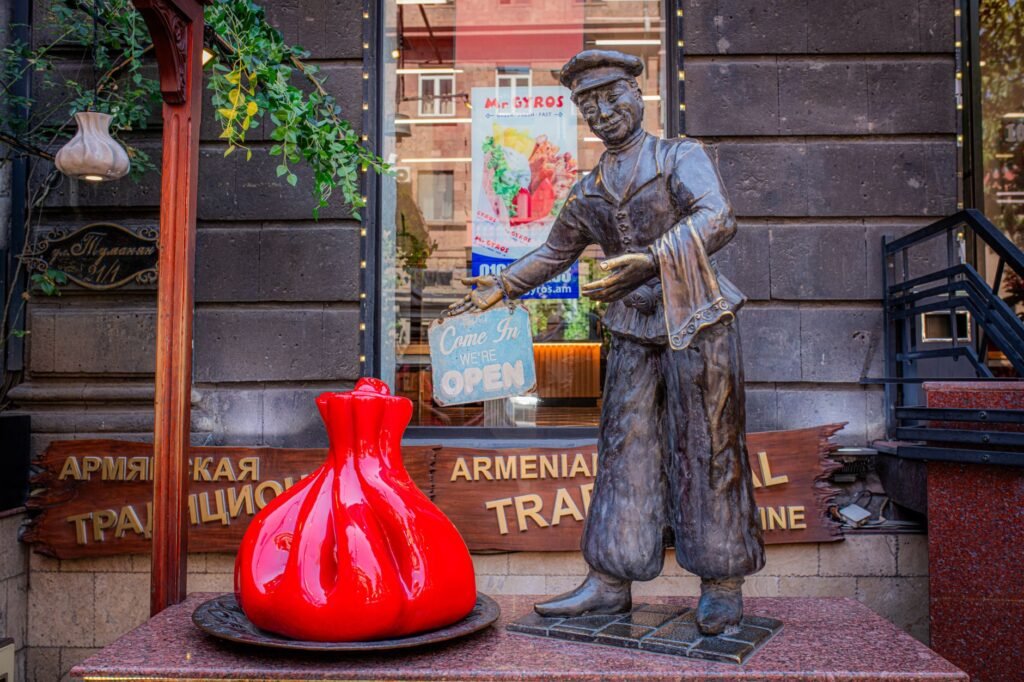
Armenia has a rich tradition of handicrafts that reflect its cultural heritage. When exploring artisan shops, you can find exquisite handwoven rugs, known for their intricate designs and vibrant colors. These rugs are often made using ancient techniques passed down through generations, making them unique pieces of art.
- Keramik: Handcrafted pottery that showcases traditional Armenian motifs.
- Jewelry: Silver and gold pieces often incorporate ancient Armenian symbols.
- Woodwork: Beautifully carved wooden items, such as boxes and utensils.
Workshops and Artisan Visits
To gain insight into Armenia’s craft-making process, consider visiting workshops where artisans create their pieces. Many artisans offer tours that allow you to observe their work firsthand and even participate in crafting your own items. This experience not only supports local artisans but also provides a deeper appreciation for the skills involved in creating these beautiful works.
Music and Dance: The Heartbeat of Armenian Culture
Traditional Music Genres
Armenian music is a vital part of its cultural identity, with a rich tapestry of sounds that have evolved over centuries. Traditional genres include folk music, which features the use of instruments like the duduk and kanun. The melancholic melodies of the duduk can evoke deep emotions, making it an essential part of Armenian celebrations and ceremonies.
- Duduk: A double-reed woodwind instrument native to Armenia.
- Kanun: A stringed instrument that plays a significant role in traditional music.
- Sharakan: Church hymns that reflect the spiritual heritage of Armenia.
Attending Local Performances
To experience the vibrancy of Armenian music and dance, attend local performances. Many cultural venues in Yerevan host concerts and dance shows that showcase traditional Armenian music, often accompanied by performances of dancers in traditional costumes. These events provide a captivating glimpse into the country’s rich cultural heritage and are a great way to immerse yourself in the local scene.
Frequently Asked Questions
What is the best time to visit Armenia?
The best time to visit Armenia is during spring (April to June) and fall (September to October) when the weather is mild and pleasant for outdoor activities.
Is it safe to travel to Armenia?
Armenia is generally considered safe for travelers. However, as with any destination, it is wise to stay informed about local conditions and follow common safety precautions.
What currency is used in Armenia?
The currency used in Armenia is the Armenian dram (AMD). It is advisable to exchange some currency before your trip or use local ATMs.
Do I need a visa to visit Armenia?
Many nationalities can enter Armenia without a visa for short stays. Check with your local embassy or consulate for the most current visa requirements.
The Bottom Line
This five-day itinerary introduces you to the rich culture, history, and stunning landscapes of Armenia. From the capital city of Yerevan to the serene shores of Lake Sevan, each day is packed with unique experiences that will leave a lasting impression. With proper planning and an open heart for adventure, your time in Armenia will surely be unforgettable.