Key Takeaways
- Understand local customs and etiquette.
- Be prepared for varied weather conditions.
- Learn about currency and payment methods.
- Prioritize safety and health precautions.
Traveling to Costa Rica is an exciting adventure filled with stunning landscapes, rich biodiversity, and vibrant culture. However, to ensure a smooth trip, it’s vital to be well-prepared. This article outlines essential things to know before traveling to Costa Rica, providing you with practical tips and insights that will enhance your experience.
From understanding local customs to knowing what to pack for varying climates, this guide covers all the necessary information for a memorable visit. Whether you’re planning to explore the lush rainforests, relax on pristine beaches, or immerse yourself in local culture, being informed will help you make the most of your trip.
As a popular destination for eco-tourism and adventure seekers, Costa Rica offers diverse activities and attractions. Being aware of local norms, safety concerns, and practical travel tips can significantly impact your travel experience. Let’s explore this beautiful country and what you need to know before you go.
Understanding Local Culture and Customs
One of the first things to know before traveling to Costa Rica is the local culture and customs. Costa Ricans, affectionately known as “Ticos,” are known for their friendly and welcoming nature. They value politeness and respect, which is reflected in their everyday interactions. A simple greeting such as “Hola” (Hello) or “Pura Vida” (Pure Life) can go a long way in establishing rapport.
When interacting with locals, it’s essential to be respectful of their customs. For example, when visiting someone’s home, it is polite to bring a small gift, such as fruit or sweets. Additionally, dress modestly when attending religious sites or rural communities. Understanding these social norms will enhance your experience and show respect for the local culture.
Moreover, Ticos take pride in their national identity, so discussing topics like their coffee, wildlife, or the importance of conservation can foster friendly conversations. It’s advisable to avoid sensitive subjects such as politics or international relations, as these may lead to uncomfortable discussions.
Weather and Best Time to Visit
Costa Rica’s climate varies significantly by region and time of year. The country has two main seasons: the dry season (December to April) and the rainy season (May to November). The dry season is generally the best time to visit, as you can enjoy sunny days and optimal conditions for outdoor activities.
However, the rainy season shouldn’t be overlooked, as it brings lush greenery and fewer crowds. If you plan to visit during this time, be prepared for heavy downpours, especially in the afternoons. It’s wise to pack a waterproof jacket and quick-dry clothing to stay comfortable.
Different regions also experience distinct weather patterns. For instance, the Caribbean coast is more humid and can receive rain year-round, while the Pacific coast is drier. Knowing these regional differences will help you plan your itinerary effectively. Check local forecasts leading up to your trip for the most accurate weather information.

Health and Safety Precautions
Your health and safety should always be a priority when traveling. Before heading to Costa Rica, consult with a healthcare professional regarding vaccinations and health precautions. Common recommendations include vaccinations for hepatitis A, typhoid, and tetanus. Malaria prophylaxis may also be advised if you plan to visit certain areas.
While Costa Rica is generally safe for tourists, petty crime does occur, particularly in urban areas. Keep your belongings secure and avoid displaying valuables in public. It’s advisable to use hotel safes and to be cautious when using ATMs.
Travel insurance is also a smart consideration. Ensure your policy covers medical emergencies and theft. Familiarize yourself with emergency numbers in Costa Rica, such as 911 for emergencies, and the contact information for your country’s embassy or consulate.
Currency and Payment Methods
The Costa Rican currency is the colón (CRC). While many places accept US dollars, it is often more advantageous to use colónes for transactions, especially in local markets or rural areas. Currency exchange services are widely available, and ATMs can be found in most towns and cities.
Credit and debit cards are accepted in many establishments, but small businesses may prefer cash. Always inform your bank of your travel plans to avoid any issues with card usage abroad. Keep a small amount of cash on hand for tips or small purchases.
It’s important to note that bargaining is common in markets, so don’t hesitate to negotiate prices for souvenirs or local crafts. This can be a fun way to engage with the local culture while getting a good deal.
Transportation Options
Getting around Costa Rica can be straightforward with various transportation options available. Public buses are a popular and budget-friendly way to travel between cities and towns. They are generally safe, reliable, and offer a chance to experience local life.
If you prefer more flexibility, consider renting a car. This option provides the freedom to explore off-the-beaten-path destinations. However, be aware that driving conditions can vary, with some rural roads being poorly maintained. Ensure you are comfortable with the local driving laws and have a GPS or map on hand.
For shorter distances, taxis and ride-sharing services like Uber are available in urban areas. Always agree on a fare before starting your journey if using a taxi. Additionally, shuttle services are a convenient option for airport transfers or popular tourist routes.

Food and Drink to Try
Costa Rican cuisine is a delightful mix of flavors and fresh ingredients. One staple dish is “gallo pinto,” a traditional breakfast consisting of rice and beans, often served with eggs and plantains. This dish reflects the country’s agricultural heritage and is a must-try.
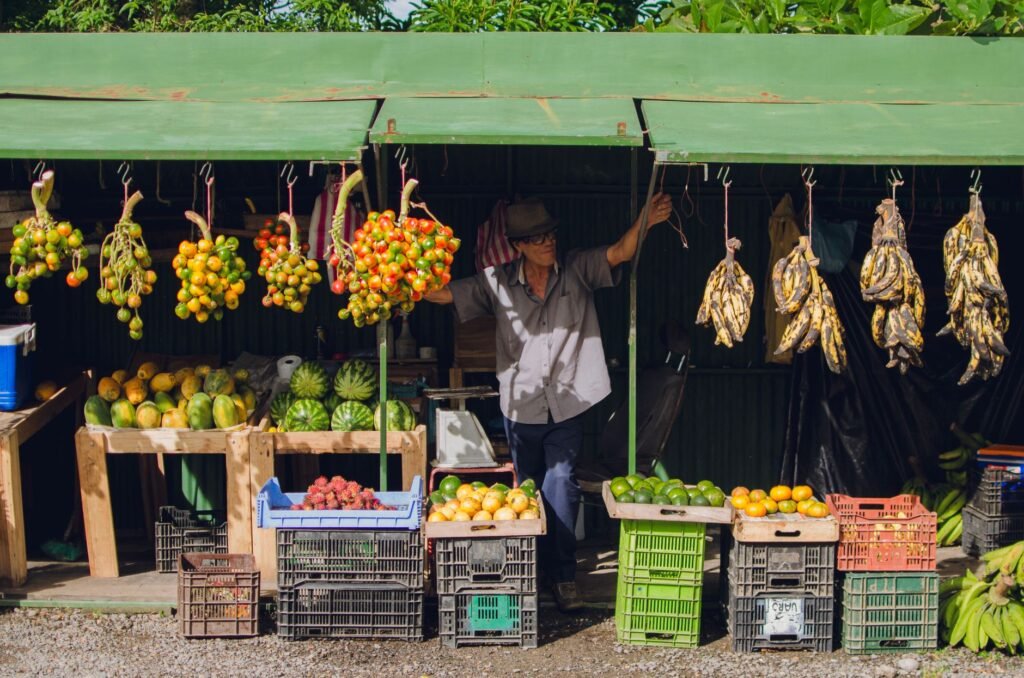
Seafood is also abundant, especially along the coasts. Enjoy fresh ceviche, a popular dish made with marinated raw fish, or try a “casado,” a platter featuring rice, beans, salad, and a protein such as chicken or fish. Don’t forget to sample local fruits like mangoes, papayas, and pineapples, which are bursting with flavor.
When it comes to beverages, Costa Rica is famous for its coffee. Consider visiting a local coffee plantation for a tour and tasting. Additionally, be cautious with tap water; while it is generally safe in urban areas, opting for bottled water in rural regions is advisable.
Environmental Awareness and Eco-Tourism
Costa Rica is renowned for its commitment to conservation and eco-tourism. With over 25% of its land protected as national parks and reserves, the country offers numerous opportunities for wildlife observation and outdoor activities. It’s essential to respect the environment during your travels by following local guidelines.
When participating in tours or activities, choose operators that prioritize sustainable practices. Look for certifications or associations that support conservation efforts. Engaging in eco-friendly practices, such as reducing plastic use and minimizing waste, contributes to the preservation of Costa Rica’s natural beauty.
Responsible tourism is encouraged, so educate yourself about the local flora and fauna. Avoid touching wildlife or disturbing their habitats. This approach allows future generations to enjoy the same breathtaking landscapes and biodiversity that Costa Rica has to offer.
Understanding the Local Language
Basic Spanish Phrases
While many Costa Ricans speak English, especially in tourist areas, learning some basic Spanish can greatly enhance your travel experience. It shows respect for the local culture and can help you connect better with the people. Here are some essential phrases:
- Hola – Hello
- Gracias – Thank you
- Por favor – Please
- ¿Dónde está…? – Where is…?
- ¿Cuánto cuesta? – How much does it cost?
- Disculpe – Excuse me
Using these phrases will help you navigate daily interactions, from ordering food to asking for directions. Additionally, locals appreciate the effort, which can lead to warmer interactions.
Regional Dialects and Expressions
In Costa Rica, different regions have their own dialects and expressions. For instance, in urban areas like San José, you may encounter a faster-paced speech with slang terms, while rural areas may feature a softer tone. This can be an interesting aspect of your cultural experience.
Familiarize yourself with some popular local terms such as:
- Mae – Dude or guy, a common term among friends.
- Pura Vida – A phrase that embodies the Costa Rican lifestyle, meaning pure life or living life to the fullest.
- Chiva – A party bus, often used in celebrations.
Understanding these expressions can make your conversations more engaging and enjoyable.
Language Learning Resources
If you’re interested in learning more Spanish before your trip, various resources are available:
- Apps like Duolingo or Babbel for mobile learning.
- YouTube channels focused on Spanish language learning.
- Local community classes or online courses with native speakers.
Investing time in learning the language can lead to a richer travel experience where you can engage more meaningfully with locals.
Wildlife and Nature Etiquette
Respecting Wildlife
Costa Rica is famous for its biodiversity, but with that comes the responsibility of respecting wildlife. When visiting national parks or wildlife reserves, it’s crucial to maintain a safe distance from animals. Approach wildlife with caution and never attempt to feed or touch them, as this can disrupt their natural behaviors and health.
For example, if you encounter a sloth, admire it from afar and avoid using flash photography, which can startle these slow-moving creatures. Always follow park guidelines and listen to your guides, who are trained to protect both the wildlife and visitors.
Leave No Trace Principles
Practicing Leave No Trace principles is essential to preserving Costa Rica’s natural beauty. Here are key guidelines to follow:
- Stay on marked trails to prevent habitat destruction.
- Pack out what you pack in, including trash and leftover food.
- Avoid picking plants or disturbing wildlife.
By adhering to these principles, you help maintain the pristine environment for future visitors and the wildlife that call it home.
Conservation Efforts
Costa Rica is a leader in conservation, with numerous organizations dedicated to protecting its unique ecosystems. As a traveler, you can contribute to these efforts by choosing eco-friendly tours and supporting local conservation projects. For example, consider participating in volunteer programs that focus on reforestation or wildlife rescue. Not only do these activities provide a rewarding experience, but they also help to preserve the natural wonders of Costa Rica.
Local Festivals and Events
Annual Celebrations
Costa Rica has a rich tapestry of festivals and events throughout the year, celebrating everything from cultural heritage to agricultural milestones. Participating in these local festivities can provide a deeper understanding of Costa Rican culture. Some notable celebrations include:
- Fiestas de Palmares (January) – A festival filled with music, food, and cultural events.
- Día de la Independencia (September 15) – Celebrated with parades, traditional music, and dance, honoring Costa Rica’s independence.
- Festival de la Luz (December) – A vibrant parade of lights and music that marks the holiday season.
Timing your visit to coincide with these events can offer unique experiences and a chance to interact with locals in a festive atmosphere.
Traditional Music and Dance
Music and dance are integral parts of Costa Rican culture. The traditional marimba music and folk dances are often showcased during festivals. If you have the opportunity, attending a local performance can be a delightful experience. Many towns have community events where you can watch traditional dancers in colorful costumes perform.
Furthermore, learning about the significance of these dances can give you insight into the country’s history and cultural identity.
Food Festivals
Food is a central aspect of Costa Rican culture, and there are various food festivals throughout the year that celebrate local cuisine. These festivals often feature traditional dishes, cooking demonstrations, and local ingredients. Some examples include:
- Festival Nacional del Maíz (August) – Celebrating corn, a staple in Costa Rican cooking.
- Feria Internacional del Mar (November) – A seafood festival that highlights the country’s coastal cuisine.
Attending these festivals allows you to taste authentic dishes while supporting local farmers and chefs.
Frequently Asked Questions
What is the best time to visit Costa Rica?
The best time to visit Costa Rica is during the dry season from December to April, when the weather is typically sunny and dry, ideal for outdoor activities.
Do I need a visa to enter Costa Rica?
Most tourists do not need a visa for short stays. However, check with your local embassy for specific entry requirements based on your nationality.
Is it safe to drink tap water in Costa Rica?
Tap water is generally safe to drink in urban areas, but it’s best to opt for bottled water in rural regions to avoid any potential issues.
What should I pack for a trip to Costa Rica?
Pack lightweight clothing, sturdy hiking shoes, swimwear, a rain jacket, insect repellent, and sunscreen. Don’t forget your camera for capturing the stunning landscapes!
The Bottom Line
Being well-prepared is key to enjoying your trip to Costa Rica. From understanding local customs and the climate to taking health precautions and respecting the environment, these insights will help ensure a rewarding travel experience. Embrace the beauty and culture of Costa Rica, and you will create lasting memories on this incredible journey.