Key Takeaways
- Discover breathtaking natural wonders like Salar de Uyuni.
- Experience rich cultural heritage in cities like La Paz.
- Enjoy adventure sports in Bolivia's diverse landscapes.
- Plan family-friendly activities and practical travel tips.
Bolivia, the landlocked gem of South America, is a country rich in culture, history, and breathtaking natural wonders. From its high-altitude cities to the mesmerizing landscapes of the Andes and the Amazon, Bolivia offers travelers a diverse range of experiences. This guide highlights the top things to do in Bolivia, ensuring you make the most of your visit.
Whether you are an adventurer seeking thrilling activities, a culture enthusiast wanting to explore ancient traditions, or a family looking for fun experiences, Bolivia has something for everyone. Let’s explore the must-visit destinations and activities that should be on your itinerary.
Be prepared for the unexpected; Bolivia’s diverse geography and cultural richness can be both exhilarating and challenging. Understanding what to do and where to go will enhance your travel experience. Here’s your guide to the top things to do in Bolivia.
1. Explore Salar de Uyuni
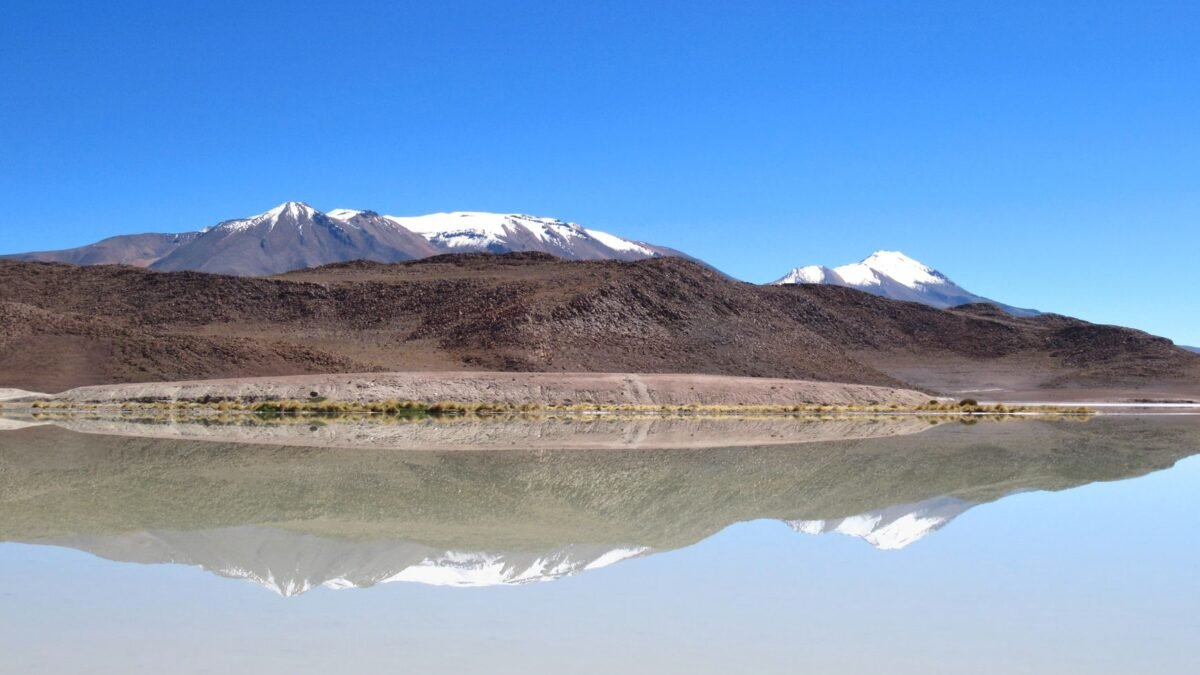
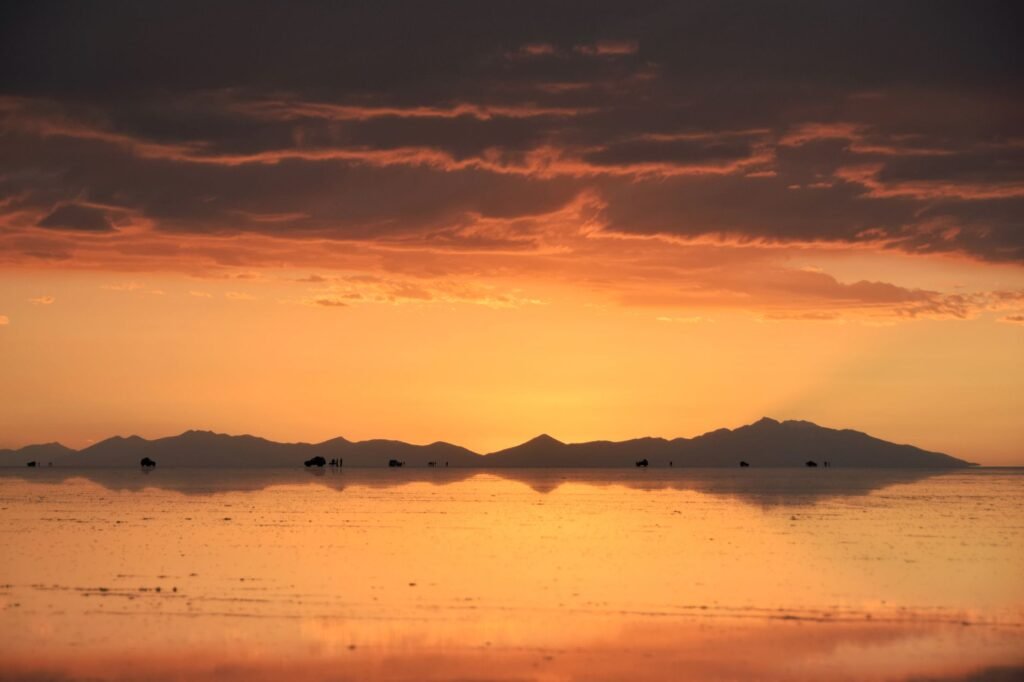
Salar de Uyuni is perhaps the most iconic destination in Bolivia. This vast salt flat spans over 10,000 square kilometers and is a stunning sight, especially after a rain when it becomes a giant mirror reflecting the sky. Visitors often take guided tours to explore the area, which can include stops at the unique Isla Incahuasi, home to giant cacti and breathtaking views.
When visiting Salar de Uyuni, consider taking a multi-day tour that includes the surrounding areas such as the Eduardo Avaroa National Park, known for its colorful lagoons and geothermal activity. The surreal landscapes, including the Salinas Grandes and the red and green lagoons, are unforgettable.
- Best Time to Visit: The rainy season from December to March is ideal for mirror-like reflections, while the dry season offers unique landscapes.
- Tour Options: Choose between 1-day or multi-day tours, depending on how much of the region you want to explore.
- What to Bring: Sunscreen, water, and warm clothing, as temperatures can drop significantly at night.
2. Discover La Paz
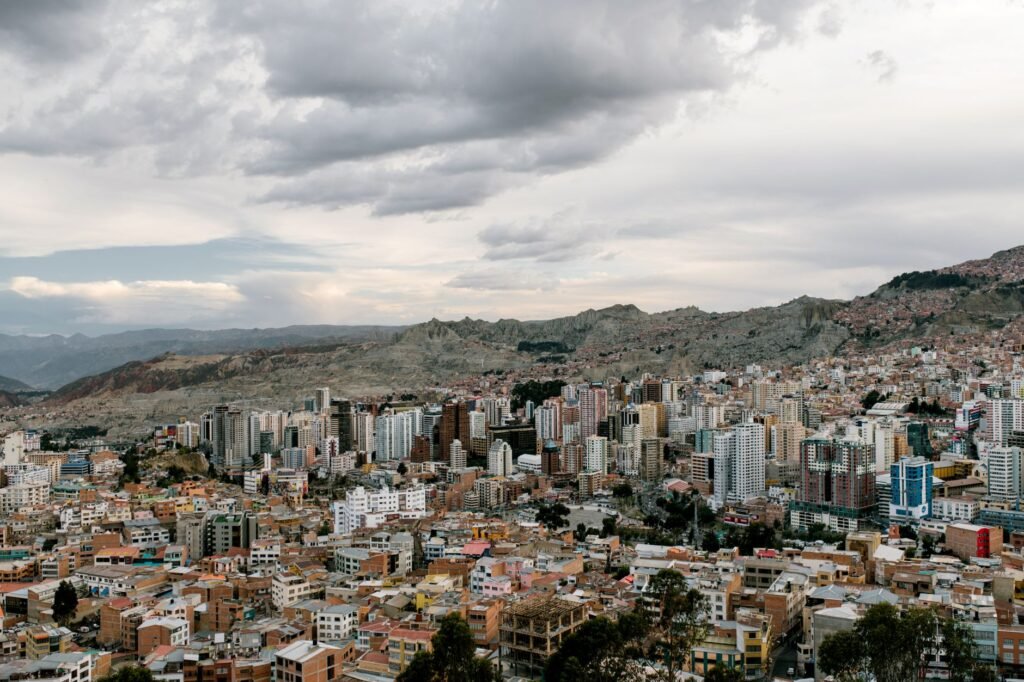
La Paz, the administrative capital of Bolivia, is the highest capital city in the world, sitting at an elevation of over 3,600 meters. Its unique geography, nestled in a deep valley surrounded by mountains, provides incredible views and a vibrant atmosphere. The city is famous for its bustling markets, historical landmarks, and rich indigenous culture.
One of the top attractions in La Paz is the Witches’ Market, where you can find a variety of traditional remedies, potions, and handicrafts. The Mercado de las Brujas offers a glimpse into the local beliefs and practices. Additionally, visiting the Moon Valley, a surreal landscape of eroded rock formations, is a must for nature lovers.
- Cultural Sites: Don’t miss the San Francisco Church and the Plaza Murillo, which showcase Bolivia’s colonial architecture.
- Transportation: Use the Mi Teleférico cable car system for stunning views of the city and surrounding mountains.
- Local Cuisine: Try traditional dishes like salteñas and llama steak at local restaurants.
3. Visit Lake Titicaca
Lake Titicaca, the highest navigable lake in the world, is a serene and scenic destination that straddles the border between Bolivia and Peru. The lake is not only a place for relaxation but also a cultural hub, home to the Uros people who live on floating islands made of totora reeds.
A visit to Lake Titicaca typically includes a boat tour to the Uros Islands and Taquile Island, where visitors can experience traditional music, dances, and local craftsmanship. The stunning views of the surrounding mountains add to the magical atmosphere of this destination.
- Best Time to Visit: The dry season (May to October) is ideal for clearer skies and pleasant weather.
- Activities: Hiking, kayaking, and cultural workshops are popular activities on the islands.
- Accommodation: Stay in quaint lodges or homestays for an immersive experience.
4. Experience the Death Road
The North Yungas Road, famously known as Death Road, is an adrenaline junkie’s paradise. This notorious road offers breathtaking views and thrilling biking experiences. Originally known for its dangerous conditions, it has now become a popular attraction for those looking to experience the thrill of biking down steep cliffs with stunning scenery.
Guided tours are available for biking down the road, typically starting at a high altitude and descending through varying climates, from cold highlands to lush jungles. Safety gear is provided, and experienced guides lead the way, ensuring a thrilling yet safe experience.
- Tour Providers: Choose reputable tour companies that prioritize safety and have good reviews.
- What to Expect: Prepare for dramatic landscapes, wildlife sightings, and an exhilarating experience.
- Duration: Most tours last a full day, including transportation to and from La Paz.
5. Discover the Historic City of Potosí
Potosí is a city steeped in history, once known as one of the wealthiest cities in the world due to its silver mines. The Cerro Rico mountain looms over the city and is a UNESCO World Heritage site. Visiting Potosí allows travelers to explore its colonial architecture, museums, and mines that contributed to its rich past.
A tour of the mines can provide insight into the harsh conditions miners faced and the historical significance of mining in Bolivia. The Casa de la Moneda (Mint House) is another must-visit, showcasing the history of silver coin production.
- City Highlights: Explore the Plaza 10 de Noviembre and the San Lorenzo Church for a taste of local culture.
- Safety Tip: If you choose to visit the mines, be prepared for dusty and dark conditions; appropriate clothing is essential.
- Local Cuisine: Enjoy traditional Potosí dishes like salteñas and pique a lo macho.
6. Trek in the Cordillera Real
The Cordillera Real mountain range offers some of the most stunning trekking in Bolivia. The region is known for its dramatic peaks, glacial lakes, and diverse ecosystems. Popular treks include the Condoriri and the Huayna Potosí, which cater to various skill levels.
Trekking in the Cordillera Real provides opportunities to see unique wildlife, including llamas and condors, and enjoy breathtaking views of the Andean landscape. Guided treks typically include meals, accommodation, and equipment, ensuring a comfortable and safe experience.
- Best Trekking Season: The dry season from May to September is the most favorable for trekking.
- What to Bring: Good hiking boots, warm clothing, and plenty of water are essential for a successful trek.
- Guided vs. Independent: While independent trekking is possible, local guides can enhance your experience and safety.
7. Explore the Amazon Basin
The Bolivian Amazon offers a completely different experience compared to the highlands. The lush jungles are teeming with wildlife, and eco-tourism has become a significant draw. Activities include jungle tours, wildlife spotting, and cultural experiences with indigenous communities.
Travelers can choose from various lodges and tour packages, ranging from basic accommodations to luxury eco-lodges. Guided tours often include hikes, canoe trips, and opportunities to learn about the flora and fauna of the region.
- What to Expect: Prepare for humidity, insects, and a wealth of biodiversity.
- Best Time to Visit: The dry season (May to October) offers more comfortable conditions for exploration.
- Cultural Interaction: Engage with local communities to learn about their traditions and sustainable practices.
8. Attend Local Festivals
Experiencing a local festival is one of the best ways to immerse yourself in Bolivian culture. Festivals often feature colorful parades, traditional music, and dance, showcasing the diverse heritage of the country. Notable festivals include Carnaval de Oruro, a UNESCO-recognized event celebrated with vibrant costumes and lively performances.
Other festivals, such as Inti Raymi (Festival of the Sun) and Fiesta de la Cruz, highlight indigenous traditions and agricultural practices. Participating in these events can provide insight into the local lifestyle and community spirit.
- When to Visit: Research festival dates in advance, as they can vary each year.
- What to Expect: Expect large crowds, lively music, and an unforgettable atmosphere.
- Local Tips: Arrive early to secure a good viewing spot and be respectful of traditions.
Venture into the Valle de la Luna
Understanding the Unique Geology
The Valle de la Luna, or Valley of the Moon, is a striking natural formation located just outside La Paz. This surreal landscape, characterized by its eroded rock formations and lunar-like terrain, offers a fascinating insight into Bolivia’s geological history. The valley was formed through the erosion of clay and sandstone, resulting in towering spires and deep canyons.
Visitors can explore the valley on foot, with well-marked trails allowing for an intimate experience of its unique geology. The combination of vibrant colors and unusual rock shapes provides a perfect backdrop for photography enthusiasts. The best time to visit is during the early morning or late afternoon, when the sunlight casts dramatic shadows across the landscape.
Activities and Tips for Visiting
While the Valle de la Luna is not particularly large, there are several activities to make your visit memorable. Here are some suggestions:
- Guided Tours: Consider joining a guided tour to gain deeper insights into the area’s geology, flora, and fauna.
- Photography: Bring a camera to capture the stunning landscapes; the changing light throughout the day creates unique photo opportunities.
- Hiking: Spend a few hours hiking through the trails to fully appreciate the unique rock formations and enjoy panoramic views of the surrounding area.
Make sure to wear comfortable walking shoes and bring water, as the altitude can make physical exertion more challenging.

Experience the Culture of Tarija
Wine and Craft Beer Tours
Tarija, a lesser-known gem in Bolivia, is renowned for its wine production and craft beer scene. Located in the south of the country, the region’s Mediterranean climate is ideal for growing grapes, particularly the Muscatel variety. Visitors can embark on guided tours of local vineyards, where they can learn about the wine-making process and sample some of the best wines Bolivia has to offer.
In addition to wine, Tarija has seen a burgeoning craft beer movement. Local breweries are producing a variety of beers, from pale ales to stouts, that reflect the region’s unique ingredients and brewing techniques.
Exploring Tarija’s Historic Center
The historic center of Tarija is a charming area filled with colonial architecture, plazas, and vibrant markets. Some must-see sites include:
- Plaza Luis de Fuentes: A picturesque square surrounded by cafes and trees, perfect for relaxing and soaking in local life.
- Casa de la Cultura: A cultural center that hosts art exhibits and performances, showcasing the region’s artistic talent.
- Templo de San Francisco: A beautiful colonial church with intricate details worth admiring.
Strolling through the streets of Tarija allows visitors to experience the local culture, meet friendly residents, and sample traditional Bolivian cuisine.
Explore the Indigenous Cultures of the Altiplano
Visiting Indigenous Communities
The Altiplano region is home to various indigenous communities, each with its own distinct culture and traditions. Visiting these communities offers travelers an authentic glimpse into the lives of the Aymara and Quechua people. Engaging with locals provides opportunities to learn about traditional practices, crafts, and languages.
Many communities welcome visitors to share in their daily activities, such as weaving, farming, or cooking traditional meals. This immersive experience fosters a deeper appreciation for Bolivia’s rich cultural diversity.
Cultural Festivals and Events
Indigenous festivals are vibrant celebrations that showcase traditional music, dance, and costumes. Some notable festivals include:
- Fiesta de la Alasita: Celebrated in January, this festival focuses on the miniature market, where people buy miniatures representing their wishes for the year.
- Inti Raymi: A celebration of the winter solstice that honors the sun god, featuring traditional performances and rituals.
- Gran Poder: A colorful procession in La Paz that features elaborate costumes, music, and dance, representing the fusion of indigenous and Spanish cultures.
Experiencing these festivals is a fantastic way to connect with the local culture and gain insight into the spiritual beliefs that shape the lives of the indigenous people in Bolivia.
Frequently Asked Questions
What is the best time to visit Bolivia?
The best time to visit Bolivia is during the dry season, which runs from May to October. This period offers milder weather and clearer skies, making it ideal for outdoor activities and trekking.
Is it safe to travel in Bolivia?
While Bolivia is generally safe for travelers, it’s essential to take precautions. Avoid displaying valuables, stay aware of your surroundings, and consult local advice on safety matters.
What is the currency used in Bolivia?
The official currency of Bolivia is the Boliviano (BOB). It’s advisable to have some cash on hand, especially in rural areas where card payments may not be accepted.
Do I need a visa to visit Bolivia?
Visa requirements for Bolivia depend on your nationality. Many countries can enter Bolivia visa-free for a limited time. It’s recommended to check with the Bolivian consulate or embassy for the latest information.
The Bottom Line
Bolivia is a land of contrasts, offering travelers a rich tapestry of experiences from its stunning natural landscapes to its vibrant culture. By exploring the top things to do in Bolivia, you can ensure a trip filled with adventure, learning, and unforgettable memories. Whether you are trekking the Andes, exploring the Amazon, or immersing yourself in local traditions, Bolivia promises a unique and rewarding travel experience.