Key Takeaways
- Visit iconic monasteries and temples.
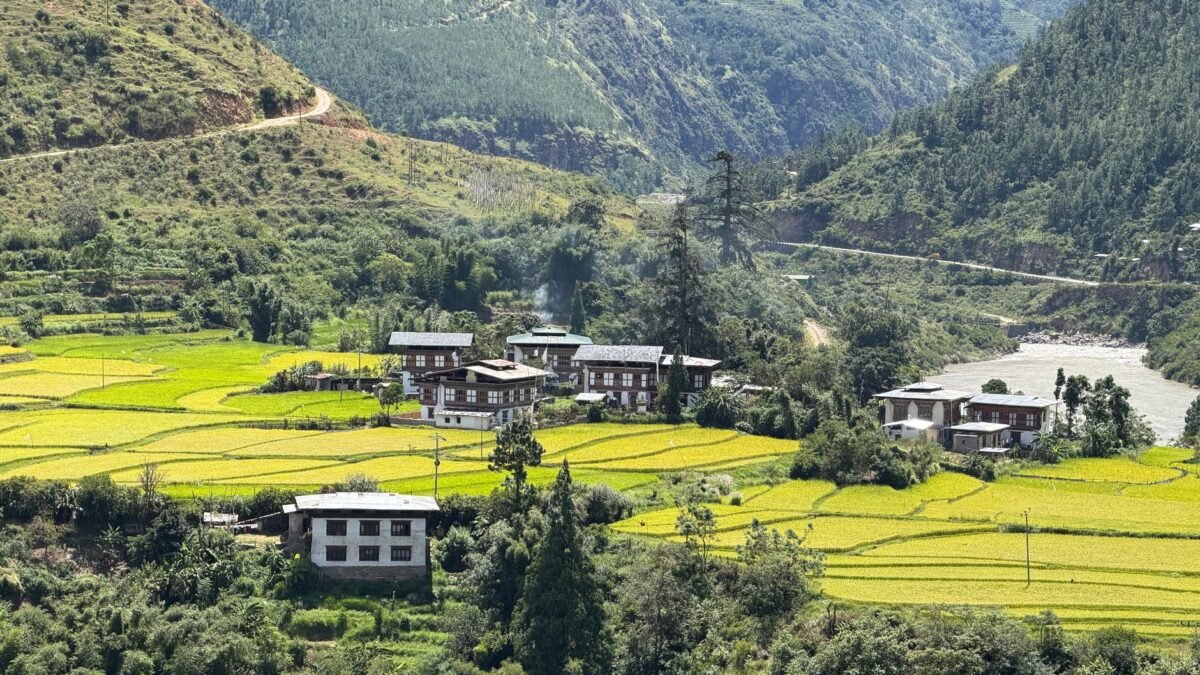
- Explore the stunning landscapes and trekking routes.
- Experience unique Bhutanese culture and festivals.
- Enjoy local cuisine and hospitality.
Bhutan, also known as the Land of the Thunder Dragon, is a hidden gem in the Himalayas. It offers stunning landscapes, vibrant culture, and a deep sense of spirituality, making it a unique travel destination. For those planning a trip to Bhutan, there are numerous activities and sights that reflect the country’s rich heritage and breathtaking natural beauty.
This guide will explore the top things to do in Bhutan, ensuring that travelers can experience the essence of this remarkable country. From ancient monasteries perched on cliffs to lively local festivals, Bhutan has something for everyone.
Whether you are an adventurous trekker, a history enthusiast, or someone seeking tranquility, Bhutan will captivate your heart and soul.
Visit Paro Taktsang (Tiger’s Nest Monastery)
One of the most iconic symbols of Bhutan, Paro Taktsang, commonly known as Tiger’s Nest Monastery, is a must-visit. Perched on a cliff 3,120 meters above sea level, this stunning structure offers breathtaking views of the Paro Valley. The hike to the monastery takes about 2 to 3 hours, with a well-maintained trail leading you through pine forests and offering occasional glimpses of the monastery.
Upon arrival, visitors can explore the various temples within the monastery complex, which house sacred relics and beautiful murals depicting Buddhist teachings. The tranquility and spiritual energy of the site make it an ideal place for meditation and reflection.
Keep in mind that the hike can be challenging, especially at high altitudes. It’s recommended to wear comfortable shoes and carry water and snacks for the journey. The best time to visit is during the spring and autumn months when the weather is pleasant.
Tips for Visiting Tiger’s Nest
- Start your hike early in the morning to avoid crowds.
- Consider hiring a local guide to enrich your experience.
- Respect the local customs and dress modestly while visiting the monastery.
Explore Thimphu, the Capital City
Thimphu, the capital city of Bhutan, is a blend of traditional and modern influences. The city is home to several important landmarks, including the Tashichho Dzong, a stunning fortress that houses the throne room of the King of Bhutan and the central monastic body. Visitors can stroll through the dzong’s beautiful gardens, admire its intricate architecture, and learn about Bhutan’s governance and religious practices.
Another significant site is the National Memorial Chorten, built in honor of the third King of Bhutan, Jigme Dorji Wangchuck. This stupa is a focal point for the local community, where people come to pray, meditate, and gather. Observing the daily rituals performed by the locals can provide insight into Bhutanese culture and spirituality.
Thimphu also offers modern amenities, including cafes, shops, and markets. The weekend market is a lively place to experience local life, with vendors selling fresh produce, handicrafts, and textiles. It’s an excellent opportunity to interact with the locals and sample traditional Bhutanese cuisine.
Must-See Attractions in Thimphu
- National Institute of Traditional Medicine: Learn about Bhutan’s holistic approach to health.
- Buddha Dordenma: A massive Buddha statue overlooking the city, symbolizing peace and prosperity.
- Folk Heritage Museum: A glimpse into traditional Bhutanese life through artifacts and exhibitions.

Discover Punakha Dzong
Punakha Dzong, often regarded as the most beautiful dzong in Bhutan, is located at the confluence of the Pho Chhu and Mo Chhu rivers. Built in 1637, it serves as the administrative center of Punakha District and is an important historical site. The dzong is known for its stunning architecture, with intricate woodwork and colorful frescoes.
Visitors can explore the dzong’s impressive courtyards and temples, including the central chapel that houses a revered statue of the Buddha. The surrounding gardens offer a peaceful retreat, with picturesque views of the rivers and the majestic Himalayas in the background.
The best time to visit Punakha Dzong is during the spring when the surrounding landscapes are in full bloom. The annual Punakha Drubchen festival, celebrated in February or March, is a highlight for many travelers, featuring traditional dances and ceremonies.
Activities Near Punakha
- Rafting: Enjoy thrilling rafting experiences on the rivers near the dzong.
- Hiking: Explore nearby trails that lead to scenic viewpoints.
- Visit Chimi Lhakhang: A fertility temple dedicated to the Divine Madman.
Embark on a Trekking Adventure
Bhutan is renowned for its trekking opportunities, with trails that range from easy walks to challenging multi-day hikes. The most famous trek is the Snowman Trek, which takes you through remote Himalayan valleys and offers stunning views of snow-capped peaks. However, it’s a strenuous trek that requires good fitness and preparation.
For those looking for a more accessible option, the Druk Path Trek is popular among travelers. This moderate trek takes about five days and offers beautiful landscapes, including lakes, forests, and traditional villages. Along the way, trekkers can visit ancient monasteries and experience the hospitality of local communities.
It is advisable to hire a local guide for trekking in Bhutan, as they can provide valuable insights and ensure safety. Additionally, obtaining the necessary permits is essential, as trekking routes are regulated by the government.
Essential Trekking Gear
- Comfortable hiking boots: Ensure proper fit and support for long walks.
- Layered clothing: Prepare for varying weather conditions in the mountains.
- First aid kit: Carry basic medical supplies for emergencies.
Experience Bhutanese Festivals
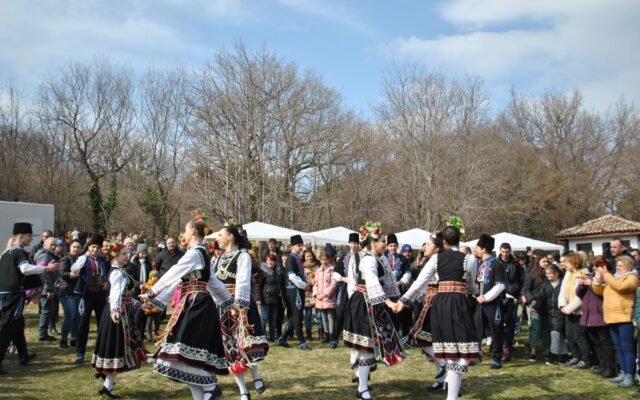
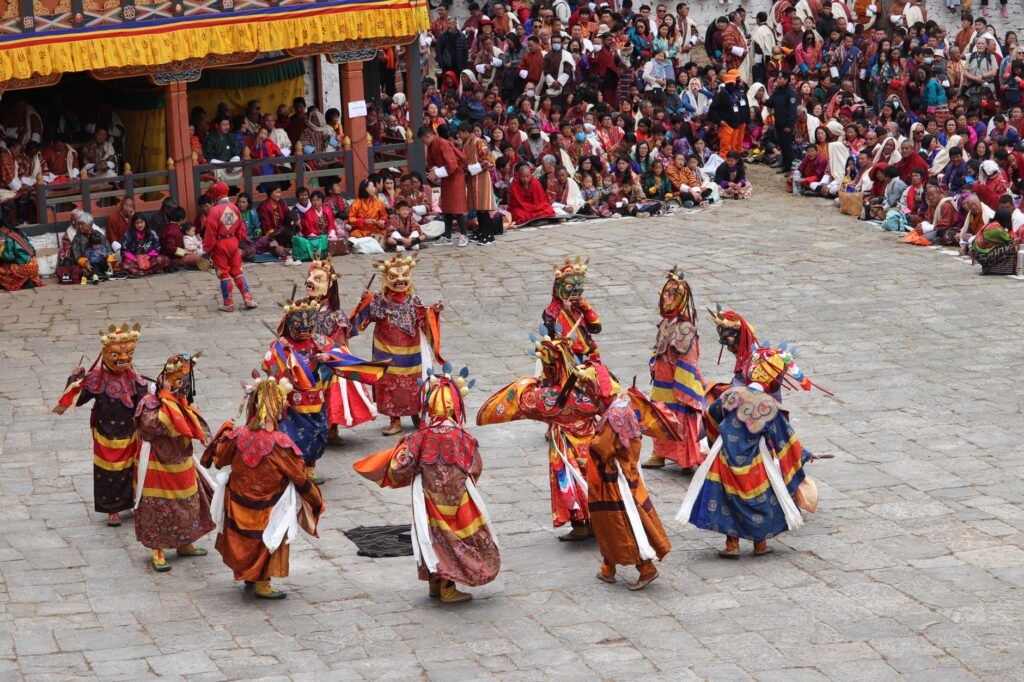
Bhutan is known for its vibrant festivals (known as tshechus), which are deeply rooted in religious and cultural practices. These colorful events celebrate various aspects of Bhutanese life, featuring traditional dances, music, and rituals. Attending a festival is one of the best ways to immerse yourself in the local culture and connect with the community.
One of the most famous festivals is the Thimphu Tshechu, held in the autumn. It features elaborate mask dances performed by monks and lay performers, depicting stories from Buddhist teachings. The atmosphere is lively, with locals dressed in traditional attire gathering to witness the performances.
Another notable festival is the Paro Tshechu, which takes place in the spring and is celebrated at the Paro Dzong. Visitors can enjoy the grand display of traditional dances, and the highlight is the unfurling of the thangka, a massive religious textile.
Festival Etiquette
- Dress modestly: Wear traditional attire if possible to respect local customs.
- Be respectful: Avoid disrupting performances and maintain silence during rituals.
- Engage with locals: Participate in the festivities and share in the joy of the celebrations.
Indulge in Bhutanese Cuisine
Bhutanese cuisine is a delightful experience for the senses, characterized by its use of local ingredients and bold flavors. A staple of Bhutanese food is rice, often served with a variety of vegetables, meats, and spicy chili sauces. One of the most famous dishes is Ema Datshi, a spicy mix of green chilies and cheese that embodies the country’s love for heat.
Travelers should also try other traditional dishes such as Phaksha Paa (pork with red chili) and Jasha Maru (spicy minced chicken). Many restaurants and local eateries offer these specialties, providing an authentic taste of Bhutan.
Additionally, sampling local beverages like Suja (butter tea) and Ara (rice wine) adds to the culinary experience. Many visitors enjoy dining in traditional Bhutanese homes, offering a unique opportunity to interact with locals and learn about their cooking methods.
Where to Eat in Bhutan
- Chharo Restaurant in Thimphu: Known for its Ema Datshi and warm ambiance.
- Punakha Dine & Wine: Offers a mix of local and international dishes with river views.
- Local eateries in Paro: Experience authentic home-cooked meals.
Experience the Serenity of Bhutan’s Monasteries
1. Visit the Pema Kilaya Monastery
The Pema Kilaya Monastery is one of Bhutan’s hidden gems, perched on a cliffside that overlooks the tranquil valley below. This monastery is dedicated to the teachings of Guru Rinpoche and is an important pilgrimage site for both locals and visitors. Its serene atmosphere and stunning architecture make it a perfect spot for meditation and reflection.
Visitors can engage with resident monks, who often share insights into the spiritual practices and daily routines of monastic life. The monastery’s peaceful surroundings are ideal for those looking to escape the hustle and bustle of daily life, providing a much-needed retreat into nature.
- Stunning views of the valley
- Guided meditation sessions available
- Opportunities for spiritual discussions with monks
2. Explore the Trongsa Dzong
Located in central Bhutan, Trongsa Dzong is a magnificent fortress that showcases Bhutanese architecture at its finest. As the ancestral home of the Wangchuck dynasty, it holds great historical significance. The dzong features intricately carved woodwork and expansive courtyards that serve as a reminder of Bhutan’s rich cultural heritage.
Visitors can take a guided tour of the dzong, learning about its history and the role it played in unifying Bhutan. The panoramic views from the dzong’s vantage points offer breathtaking vistas of the surrounding mountains and valleys, making it a photographer’s paradise.
- Historical exhibitions about the royal family
- Guided tours available in multiple languages
- Photography opportunities from various viewpoints
3. Meditate at the Chimi Lhakhang
Chimi Lhakhang, also known as the Fertility Temple, is a unique spiritual site dedicated to the Divine Madman, Drukpa Kunley. This temple attracts couples seeking blessings for fertility and is known for its whimsical and humorous approach to spirituality. The journey to the temple involves a scenic walk through rice fields, which adds to the overall experience.
Upon arrival, visitors can participate in a traditional blessing ceremony and receive a wooden phallus, a symbol of fertility and protection. The temple is not only a place of worship but also a center for meditation and self-reflection, where visitors can find peace and tranquility amidst the vibrant surroundings.
- Traditional fertility blessings available
- Beautiful rice field views along the walking trail
- Opportunities to interact with local villagers

Engage with Bhutanese Culture Through Local Communities
1. Participate in Community-Based Tourism
Community-based tourism in Bhutan allows visitors to immerse themselves in the local culture while supporting sustainable development. Travelers can stay with local families, participate in daily activities, and learn about traditional crafts such as weaving and pottery. These experiences foster genuine connections with the Bhutanese people and offer a deeper understanding of their way of life.
Community homestays often include meals made from locally sourced ingredients, providing an authentic taste of Bhutanese cuisine. Visitors can also engage in cultural activities, such as traditional dance or music, making for an enriching experience that goes beyond typical sightseeing.
- Stay with local families for an immersive experience
- Learn traditional crafts and skills
- Enjoy home-cooked meals with fresh, local ingredients
2. Attend a Local Craft Workshop
Bhutan is renowned for its vibrant handicrafts, including weaving, pottery, and painting. Attending a local craft workshop provides a unique opportunity to learn about these traditional arts from skilled artisans. Visitors can try their hand at weaving intricate patterns or painting traditional thangka art, gaining insight into the techniques that have been passed down through generations.
These workshops not only allow visitors to create their own souvenirs but also support local artisans and preserve Bhutan’s cultural heritage. Participants often leave with a newfound appreciation for the craftsmanship involved in each piece.
- Hands-on experience with local crafts
- Opportunity to create personalized souvenirs
- Support for local artisans and communities
3. Explore Traditional Bhutanese Architecture
Bhutanese architecture is characterized by its distinctive style, which integrates natural elements and reflects the country’s spiritual values. Exploring traditional buildings, such as farmhouse structures and monasteries, offers a glimpse into the past and showcases the craftsmanship and ingenuity of Bhutanese builders.
Visitors can take guided tours through villages where traditional architecture is still prevalent, learning about the materials and techniques used in construction. Many homes feature intricate wood carvings and vibrant murals that tell stories of Bhutanese folklore and spirituality.
- Visit traditional villages to see architecture in context
- Learn about the cultural significance of architectural styles
- Photography opportunities of stunning buildings
Discover Bhutan’s Natural Wonders
1. Visit the Phobjikha Valley
The Phobjikha Valley is a breathtaking glacial valley known for its stunning landscapes and rich biodiversity. It serves as a winter habitat for the endangered black-necked crane, which migrates to the area from Tibet. Visitors can enjoy scenic hikes along the valley, taking in the pristine beauty and diverse flora and fauna.
The valley is also home to the Gangtey Monastery, a prominent Nyingma monastery that offers visitors a chance to engage in local religious practices and observe traditional rituals. The combination of natural beauty and cultural significance makes Phobjikha a must-visit destination for nature lovers and cultural enthusiasts alike.
- Stunning views of the glacial valley
- Wildlife spotting opportunities, especially black-necked cranes
- Cultural experiences at the Gangtey Monastery
2. Trek to the Jomolhari Base Camp
The trek to Jomolhari Base Camp is one of Bhutan’s most popular trekking routes, offering breathtaking views of the majestic Jomolhari mountain. This trek spans several days and takes you through stunning landscapes, including lush forests, alpine meadows, and high mountain passes. Along the way, trekkers can encounter diverse wildlife and experience the unique ecosystems of the region.
Camping at the base camp provides an opportunity to marvel at the towering peaks and experience the serenity of the Himalayas. Trekkers are often rewarded with stunning sunrises and sunsets, painting the mountain ranges in vibrant colors. This trek is suitable for moderately experienced hikers seeking adventure and natural beauty.
- Stunning views of Jomolhari and surrounding peaks
- Camping experience amidst nature
- Encounter diverse wildlife along the trail
3. Explore the Bumthang Valley
Known as the spiritual heartland of Bhutan, Bumthang Valley is a region rich in history and natural beauty. This valley is home to several ancient temples and monasteries, making it a significant pilgrimage destination. Visitors can explore the various sacred sites, each with its unique stories and architectural styles.
The valley is also famous for its apple orchards and traditional craft production, including honey and cheese. Travelers can engage with local farmers, learn about sustainable agricultural practices, and enjoy the delicious fruits of the region. The combination of spirituality, culture, and stunning landscapes makes Bumthang a captivating destination.
- Visit historical temples and monasteries
- Experience local agriculture and try fresh apples
- Engage with local craftspeople
Frequently Asked Questions
What is the best time to visit Bhutan?
The best time to visit Bhutan is during the spring (March to May) and autumn (September to November) when the weather is pleasant and ideal for trekking and outdoor activities.
Do I need a visa to visit Bhutan?
Yes, most travelers require a visa to enter Bhutan. It’s important to book your trip through a licensed tour operator who will handle the visa application process on your behalf.
Is Bhutan safe for travelers?
Bhutan is considered one of the safest countries for travelers. The crime rate is low, and locals are known for their hospitality. However, it’s always wise to take standard travel precautions.
What currency is used in Bhutan?
The currency used in Bhutan is the Ngultrum (BTN), which is pegged to the Indian Rupee. Most transactions can be done in cash, and credit cards are accepted in larger establishments.
The Bottom Line
Bhutan offers a unique travel experience filled with breathtaking landscapes, rich cultural heritage, and warm hospitality. From visiting iconic sites like Tiger’s Nest Monastery to indulging in delicious Bhutanese cuisine, there are countless things to do in Bhutan that will leave lasting memories. Whether you’re trekking through the mountains or participating in vibrant festivals, Bhutan is a destination that promises adventure and discovery.