Key Takeaways
- Experience the vibrant festivals celebrating Shiva.
- Discover cultural significance behind the dance.
- Learn practical tips for attending events.
- Explore locations renowned for this celebration.
The night of the dance of Shiva is a captivating celebration deeply rooted in Hindu culture, marked by vibrant festivities, traditional dances, and spiritual significance. This remarkable event not only showcases the rich cultural tapestry of India but also attracts visitors from around the world who seek to immerse themselves in the enchanting atmosphere. Understanding the essence of this celebration can greatly enhance your travel experience, especially if you plan to participate in or observe the festivities.
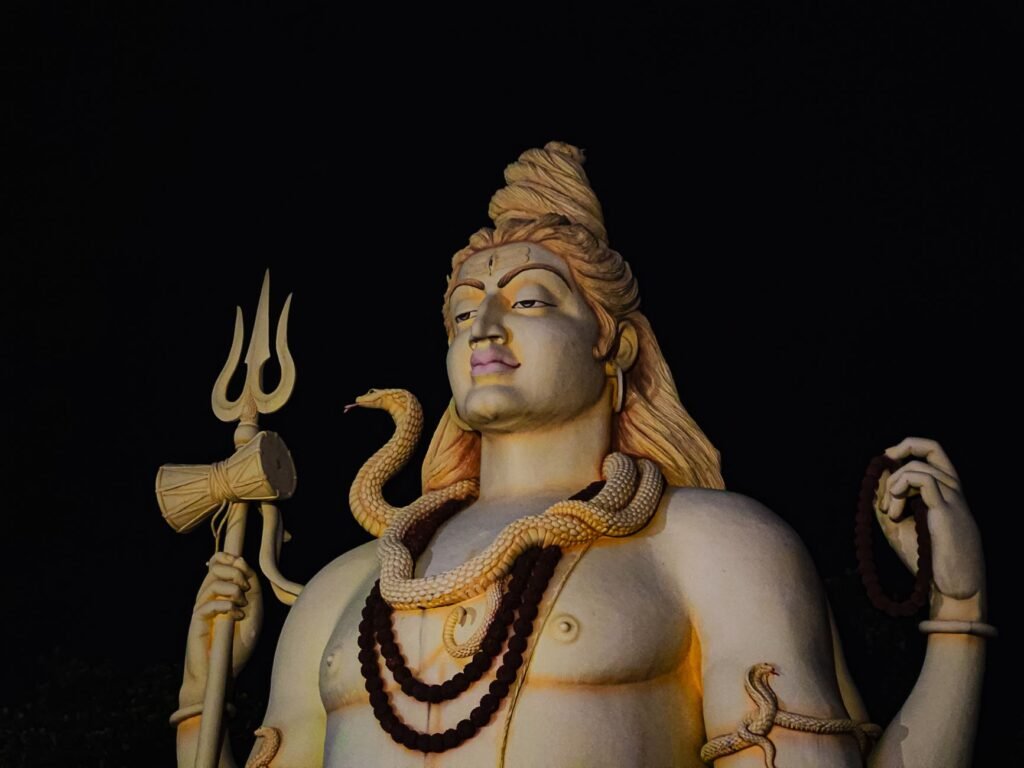
During the night of the dance of Shiva, worshippers and revelers come together to honor Lord Shiva, one of the principal deities in Hinduism, known as the god of creation and destruction. The event typically coincides with significant Hindu festivals, such as Maha Shivaratri, when devotees engage in night-long vigils, chanting, and dancing in honor of Shiva. This guide aims to provide practical information and insights into experiencing this extraordinary event.
Whether you are a first-time traveler or a seasoned explorer, knowing when and where these celebrations take place, along with tips for participation, can enhance your journey. From the colors and sounds of the festivities to the spiritual depth of the rituals, the night of the dance of Shiva invites you to explore a unique cultural experience.
Understanding the Cultural Significance
The dance of Shiva, known as the Tandava, is a cosmic dance that signifies the cycle of creation and destruction. Shiva’s dance embodies the duality of existence, illustrating the balance between life and death, joy and sorrow. This event serves not only as a celebration but also as a reminder of the transient nature of life.
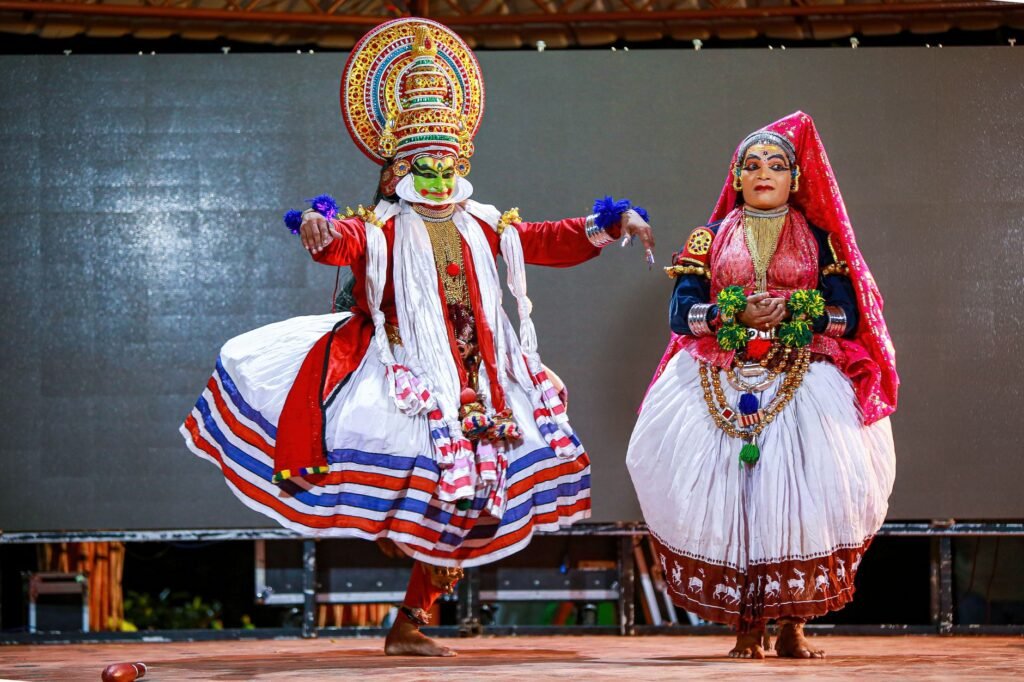
During the night of the dance of Shiva, various traditional dances are performed, each with its own story and significance. For instance, Kathakali, a classical dance form from Kerala, tells stories from Hindu epics through intricate movements and vibrant costumes. Similarly, Odissi, originating from Odisha, combines expressive gestures and rhythmic footwork to convey devotion to the divine.
These performances are not merely artistic expressions; they are spiritual offerings to Shiva. The dancers dedicate their movements to the deity, embodying the divine presence through art. Visitors are often encouraged to engage with the performances, whether by observing from a distance or participating in the dances, fostering a connection with both the culture and the spiritual aspect of the event.
Major Festivals Celebrating the Night of the Dance of Shiva
Several festivals around India prominently feature the night of the dance of Shiva. Here are some notable ones:
- Maha Shivaratri: This is the most significant festival dedicated to Lord Shiva, celebrated annually in February or March. Devotees fast, chant hymns, and participate in night-long vigils, culminating in traditional dances and performances.
- Kumbh Mela: Held every three years at four rotating locations, this grand festival includes rituals dedicated to Shiva. The Kumbh Mela attracts millions, featuring cultural performances and spiritual gatherings.
- Shivaratri Festival in Varanasi: Varanasi, one of the oldest cities in the world, hosts grand celebrations featuring music, dance, and rituals performed along the banks of the Ganges River.
Each of these festivals showcases unique local traditions and interpretations of Shiva’s dance, providing visitors with a diverse experience of this sacred event.
Where to Experience the Night of the Dance of Shiva
When considering where to experience the night of the dance of Shiva, several locations stand out for their vibrant celebrations and cultural significance:
- Varanasi: Known as the spiritual capital of India, Varanasi hosts some of the most dramatic and colorful celebrations during Maha Shivaratri. The ghats come alive with music, dance, and offerings, making it a must-visit.
- Haridwar: Located on the banks of the Ganges, Haridwar offers spectacular rituals during Shivaratri, including the Ganga Aarti. The atmosphere is filled with devotion, making it a serene yet exhilarating place to witness the celebrations.
- Udaipur: The City of Lakes celebrates Maha Shivaratri with traditional dance performances at various temples. The backdrop of the lakes adds a picturesque charm to the celebrations.
Each of these destinations provides unique opportunities to engage with the cultural and spiritual aspects of the dance of Shiva, allowing travelers to connect deeply with the traditions.
Practical Tips for Attending the Celebrations
To ensure a fulfilling experience while attending the night of the dance of Shiva, consider the following practical tips:
- Plan Ahead: Research the specific dates and events as they can vary annually. Booking accommodations and travel in advance is essential, especially during peak festival times.
- Dress Appropriately: Wear comfortable, respectful clothing, as many festivals take place in sacred spaces. Traditional attire can enhance your experience and help you blend in with the locals.
- Engage with Locals: Interacting with local residents can enrich your experience. They may offer insights into rituals, share stories, or invite you to participate in celebrations.
Local Cuisine to Try During the Festival
No celebration is complete without indulging in local cuisine. During the night of the dance of Shiva, many traditional dishes are prepared, especially in temples and local eateries:
- Prasad: This is a sacred offering made to the deity, often consisting of sweets like laddoos or halwa. Sampling prasad is a must during the festival.
- Thali: A traditional Indian platter featuring a variety of dishes. Many restaurants offer special thalis during the festival, showcasing local flavors.
- Chaat: Street food is an integral part of Indian culture. Try local chaat varieties, which are often made fresh during the festival.
Exploring local cuisine not only satisfies your taste buds but also allows you to experience the cultural heritage of the region.
Safety and Health Considerations
Attending the night of the dance of Shiva can be exhilarating, but it is also essential to prioritize your safety and health:
- Stay Hydrated: Festivals can be physically demanding, especially if you are participating in dances or rituals. Drink plenty of water to stay hydrated.
- Follow Local Guidelines: Be aware of local customs and regulations, especially in religious sites. Respectful behavior is essential to enhance your experience.
- Travel Insurance: Consider purchasing travel insurance that covers health emergencies, especially when attending large gatherings.
By taking these precautions, you can enjoy the festivities while ensuring your well-being.
The Symbolism of Dance in Hinduism
The Cosmic Dance of Creation and Destruction
The dance of Shiva, known as Nataraja, is not merely an artistic expression but a profound representation of the cosmic cycles of creation and destruction. This dance embodies the eternal rhythm of the universe, where creation, preservation, and dissolution occur in a continuous loop. In Hindu philosophy, every aspect of life is seen as interconnected, and the dance serves as a reminder of this interconnectedness. Through the performance of this dance during the Night of the Dance of Shiva, devotees celebrate not only the deity’s power but also the very essence of existence itself.
Shiva’s dance is often depicted with five activities: creation (Srishti), protection (Sthiti), destruction (Samhara), hiding or illusion (Tirobhava), and blessing or grace (Anugraha). Each of these actions plays a crucial role in maintaining the balance of the cosmos. The symbolism inherent in these elements is a source of inspiration for many performers and artists who wish to convey deeper truths through their work.
The Role of Movement in Spiritual Practice
In Hinduism, dance is not only a form of expression but also a spiritual practice that enhances devotion. The physical movements involved in dance serve to focus the mind and elevate the spirit, allowing practitioners to connect more deeply with the divine. During the Night of the Dance of Shiva, various traditional dance forms, such as Bharatanatyam and Kathak, are performed, each rich with symbolism and narrative.
- Bharatanatyam: Originating from Tamil Nadu, this dance form emphasizes expressive hand gestures and facial expressions, telling stories of gods and mythology.
- Kathak: Known for its intricate footwork and spins, Kathak often narrates tales of divine love and devotion, particularly centered around Lord Krishna.
- Odissi: Hailing from Odisha, this dance form is characterized by its fluid movements and poses, often depicting themes from Hindu scriptures.
These dances not only serve as a form of worship but also as a means of preserving cultural heritage, showcasing the rich tapestry of Indian traditions to the world.
Influence on Modern Dance and Arts
The depiction of Shiva’s dance has significantly influenced contemporary dance forms and artistic expressions around the globe. Modern choreographers and dancers draw inspiration from the intricate movements and spiritual themes of traditional Hindu dance, incorporating these elements into various styles, from ballet to contemporary dance. This cross-cultural exchange has led to a greater appreciation for the depth of meaning behind these ancient practices, allowing audiences worldwide to engage with the themes of creation, destruction, and renewal.
Additionally, many artists have created visual art inspired by the dance of Shiva, often blending traditional motifs with modern techniques. Sculptures, paintings, and installations that depict Nataraja can be found in galleries and public spaces, inviting viewers to contemplate the complexity of existence and the beauty of life’s cycles.

Festivals Beyond the Night of the Dance of Shiva
Regional Celebrations Across India
While the Night of the Dance of Shiva is celebrated with great fervor in many parts of India, several regions have their own unique festivals that highlight different aspects of Shiva’s dance and mythology. Each regional celebration showcases local customs, music, and dance styles, reflecting the diversity of Indian culture.
- Maha Shivaratri: Celebrated nationwide, this festival honors Shiva and is marked by night-long vigils, prayers, and the chanting of mantras.
- Shivaratri in Varanasi: Here, the festival is celebrated along the ghats of the Ganges River with grand processions, cultural performances, and the lighting of lamps.
- Kumbh Mela: While primarily a pilgrimage, this massive gathering includes performances and rituals dedicated to Shiva, attracting millions of devotees.
These regional festivals provide opportunities for pilgrims and tourists alike to experience the rich tapestry of rituals, music, and dance that characterize Hindu celebrations.
Cultural Exchange and Global Celebrations
In recent years, the essence of the Night of the Dance of Shiva has transcended geographical boundaries, leading to its celebration in various parts of the world. Cities with significant Indian diaspora populations often host events that mirror the traditional festivities. These events not only serve to preserve cultural identities but also foster understanding and appreciation among diverse communities.
For instance, cities like London, New York, and Toronto organize cultural showcases that include dance performances, music concerts, and art exhibitions centered around Shiva’s dance. These gatherings create a sense of community among expatriates and offer a glimpse into the rich traditions of India for those unfamiliar with them.
Impact on Local Economies
The festivals celebrating the Night of the Dance of Shiva and related events have a significant impact on local economies. As these celebrations attract tourists and participants from around the world, many local businesses experience a boost during this period. Hotels, restaurants, and artisans often see increased patronage as visitors seek to immerse themselves in the festivities.
- Hospitality Sector: Hotels and guesthouses often offer special packages and discounts to attract festival-goers.
- Local Crafts: Artisans selling traditional crafts and souvenirs benefit from the influx of tourists.
- Food Vendors: Street food stalls and local eateries thrive, offering a variety of regional delicacies to festival attendees.
This economic activity not only supports local livelihoods but also fosters cultural exchange, as visitors engage with local traditions and learn more about the significance of the celebrations.
Artistic Representations of Shiva’s Dance
The Role of Sculpture and Iconography
The dance of Shiva has been immortalized in various forms of art, particularly sculpture and iconography. The Nataraja form of Shiva, often depicted as a dancer in a cosmic circle of flames, serves as a powerful symbol of the universe’s cyclical nature. This representation is not just artistic; it carries theological significance, embodying the principles of creation and destruction.
Temples across India feature intricate sculptures of Shiva in his dancing form, showcasing the craftsmanship of artisans who have preserved these traditions for centuries. The iconography often includes elements such as the damaru (drum) and agni (fire), each symbolizing different aspects of Shiva’s cosmic role. Additionally, the aesthetic principles of symmetry and balance in these sculptures reflect the harmony inherent in the universe.
Dance and Theatre
The Night of the Dance of Shiva serves as a source of inspiration for various forms of performance art, particularly in Indian classical dance and theatre. Traditional performances often narrate stories from Hindu mythology, with dancers embodying the characters and themes associated with Shiva. These performances are not only entertaining but also serve an educational purpose, providing insights into the spiritual and cultural significance of Shiva’s dance.
Modern interpretations of these traditional themes have found their way into contemporary theatre, where directors and choreographers explore the relevance of Shiva’s dance in today’s world. These productions often blend traditional elements with innovative storytelling techniques, making the themes accessible to a broader audience.
Film and Popular Culture
The influence of Shiva’s dance has also permeated popular culture, particularly in film and music. Numerous Indian films incorporate themes of Shiva’s dance, often using it as a metaphor for struggle, transformation, and liberation. Songs celebrating Shiva’s dance have become popular, resonating with audiences and inspiring a new generation to engage with these ancient traditions.
These artistic representations not only celebrate Shiva’s significance but also serve as a medium for cultural dialogue, inviting individuals from various backgrounds to explore the rich tapestry of Hindu mythology and philosophy.
Frequently Asked Questions
What is the significance of the dance of Shiva?
The dance of Shiva, known as Tandava, symbolizes the cosmic cycles of creation and destruction and reflects the duality of existence.
When is Maha Shivaratri celebrated?
Maha Shivaratri is celebrated annually, usually in February or March, on the 14th night of the dark fortnight in the month of Phalguna.
Where can I experience the night of the dance of Shiva?
Key locations include Varanasi, Haridwar, and Udaipur, each offering unique celebrations and cultural experiences.
What should I wear to the celebrations?
Dress respectfully and comfortably, preferably in traditional attire, as many events take place in sacred spaces.
The Bottom Line
The night of the dance of Shiva is an extraordinary cultural event that offers travelers a chance to engage deeply with the rich tapestry of Hindu tradition. From the vibrant performances and rituals to the delicious local cuisine, experiencing this celebration is an unforgettable way to connect with the heart of Indian culture. By planning ahead, respecting local customs, and embracing the festivities, you can create lasting memories during your journey.