Key Takeaways
- Indian chocolate is experiencing a renaissance with local artisans.
- Sustainable practices are becoming common in chocolate production.
- Varieties of chocolate are being influenced by regional flavors.
- Tourism is enhancing the appreciation for fine Indian chocolate.
The landscape of chocolate in India has seen a remarkable transformation in recent years. What was once the domain of mass-produced, foreign brands has evolved into a vibrant scene filled with local artisans, unique flavors, and sustainable practices. Travelers looking to experience this changing face of Indian chocolate will find a wealth of opportunities to indulge in exquisite treats and learn about the culture surrounding them.
By exploring the journey of Indian chocolate, visitors can appreciate not only the flavors but also the stories behind each piece. From bean to bar, the process has become a focal point for both culinary enthusiasts and eco-conscious consumers. This guide aims to provide practical insights into the world of Indian chocolate, highlighting how it reflects regional influences and the burgeoning craft chocolate movement.
As you venture into this delectable realm, expect to discover the artisans who are redefining chocolate-making in India. Their innovative approaches and commitment to quality are helping to elevate Indian chocolate on the global stage, making it a must-try for anyone visiting the country.
Historical Context of Indian Chocolate
The introduction of chocolate to India dates back to the colonial era when it was primarily consumed by the elite. Initially, chocolate was imported from Europe, and foreign brands dominated the market. Indian consumers had limited access to high-quality chocolate, typically enjoying it in the form of sweetened milk chocolate or as a treat during festive occasions.
However, in the 21st century, a renewed interest in local ingredients and artisanal production methods has breathed new life into the chocolate industry. This shift reflects a broader trend towards sustainability and authenticity, as consumers become more aware of the origins of their food. The rise of craft chocolate makers has led to a re-examination of Indian cacao varieties, many of which were overlooked in favor of imported beans.
Today, Indian chocolate is characterized by a diverse range of flavors and styles, often incorporating local spices, fruits, and nuts. This evolution not only showcases India’s rich agricultural heritage but also allows consumers to explore a unique flavor profile that sets Indian chocolate apart from its global counterparts.
Artisanal Chocolate Makers
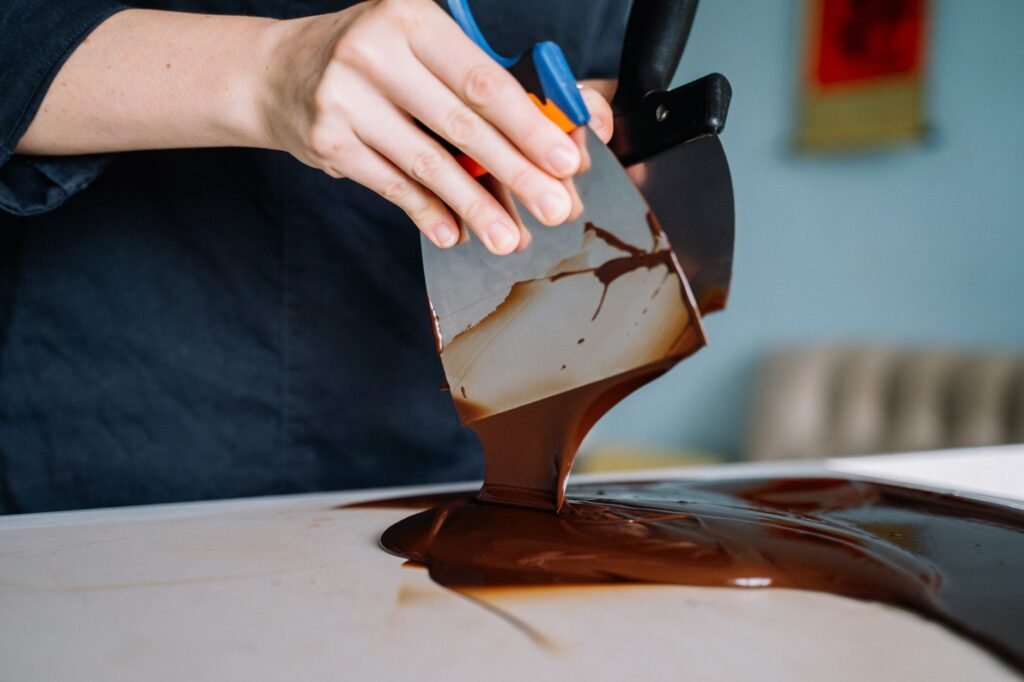
One of the most exciting developments in the Indian chocolate scene is the emergence of artisanal chocolate makers. These small-scale producers are dedicated to crafting high-quality chocolate using ethically sourced ingredients. Unlike mass-produced chocolates, artisanal varieties focus on the bean-to-bar process, allowing for greater control over flavor and quality.
Some notable artisanal chocolate makers include:
- Fabelle Fine Chocolates: Known for their luxurious chocolates, Fabelle sources cocoa beans from Indian plantations and blends them with local ingredients.
- Chocolate Nomad: This brand emphasizes sustainability, using organic and fair-trade ingredients to create unique flavor combinations.
- Soma Chocolates: Based in Bengaluru, Soma is celebrated for its single-origin chocolates that highlight the distinct characteristics of Indian cacao.
These artisans often offer workshops and tastings, providing travelers with a hands-on experience in chocolate making. Engaging with these makers not only supports local economies but also allows visitors to learn about the intricacies of chocolate production.

Flavors and Ingredients
The changing face of Indian chocolate is heavily influenced by the incorporation of indigenous flavors and ingredients. Artisans are experimenting with a variety of local spices, fruits, and nuts to create distinct chocolate experiences. Some popular flavor combinations include:
- Chili and Sea Salt: A daring blend that combines the heat of Indian spices with the richness of chocolate.
- Mango and Cardamom: This pairing captures the essence of Indian summer, offering a refreshing twist.
- Rose and Pistachio: A classic combination that evokes traditional Indian sweets, making it a favorite among locals.
In addition to flavor, the use of high-quality cacao beans has become a hallmark of Indian chocolate. Many artisanal producers are sourcing beans from Kerala, Tamil Nadu, and other regions known for their unique cacao varieties. This focus on local sourcing not only enhances flavor but also supports sustainable agricultural practices.
Sustainability in Chocolate Production
As the trend towards sustainability continues to grow, many Indian chocolate makers are prioritizing eco-friendly practices. This includes sourcing cacao from farms that employ sustainable farming techniques, ensuring fair wages for farmers, and minimizing environmental impact. Consumers are increasingly seeking out brands that align with their values, prompting producers to be more transparent about their sourcing methods.
Some sustainable practices being adopted in the industry include:
- Organic Farming: Many chocolate makers are partnering with farmers who use organic methods, reducing the use of harmful pesticides and fertilizers.
- Direct Trade: Some brands practice direct trade, allowing them to pay farmers fair prices while ensuring high-quality beans.
- Recycling and Waste Reduction: Artisans are implementing waste reduction strategies in their production processes, such as reusing cocoa husks for packaging.
These practices not only contribute to a healthier planet but also enhance the quality and flavor of the chocolate, providing consumers with a product they can feel good about enjoying.
Chocolate Tourism in India
As the Indian chocolate industry grows, so does the concept of chocolate tourism. Travelers are increasingly seeking out experiences that allow them to immerse themselves in local culinary culture, and chocolate is a delicious entry point. Many regions in India are now offering chocolate tours that highlight local producers, cocoa farms, and tasting events.
Some popular chocolate tourism destinations include:
- Kochi: Known for its spice trade, Kochi is now home to several chocolate makers offering tours and tastings that pair chocolate with local spices.
- Bengaluru: The city boasts a vibrant chocolate scene, with numerous artisanal shops and workshops where visitors can learn about chocolate making.
- Goa: Famed for its beaches, Goa also offers chocolate tours that explore the region’s cacao plantations, allowing tourists to see the production process firsthand.
By participating in these tours, travelers can gain a deeper appreciation for the craftsmanship behind Indian chocolate and the cultural significance it holds in the region.
Challenges Facing the Industry
Despite the promising growth of the Indian chocolate market, several challenges persist. One major issue is the lack of awareness among consumers regarding the variety and quality of local chocolate. Many still gravitate towards well-known international brands, often overlooking the exceptional offerings available from Indian artisans.
Another challenge is the need for improved infrastructure and support for small-scale producers. While some artisanal chocolate makers are thriving, others struggle to access the resources and market visibility needed to compete with larger companies. Government support and investment in the chocolate industry could help elevate these local businesses.
Lastly, the impact of climate change on agriculture poses a significant threat to cocoa production. As weather patterns shift, cocoa farmers may face challenges in maintaining crop yields, which could affect the supply of high-quality cacao beans. Addressing these issues will be critical for the sustained growth of the Indian chocolate industry.
The Role of Indian Chocolate in Culinary Arts
Indian chocolate is increasingly becoming a key ingredient in gourmet cuisine, influencing both traditional and modern recipes. Chefs across India are experimenting with chocolate, incorporating it into savory dishes, desserts, and even beverages. This trend is reflecting a broader acceptance of chocolate as a versatile component in various culinary applications.
Innovative Chocolate Pairings
Chocolate’s rich and complex flavor profile allows it to pair beautifully with a variety of ingredients. Indian chefs are utilizing local spices and flavors to create unique combinations that highlight the chocolate’s characteristics. Popular pairings include:
- Curry and Dark Chocolate: The bitterness of dark chocolate complements the spices in curry, adding depth and richness to the dish.
- Mango and White Chocolate: The sweetness of mango marries well with the creamy texture of white chocolate, offering a refreshing dessert option.
- Chili and Milk Chocolate: The heat from chili enhances the smoothness of milk chocolate, creating a spicy yet sweet flavor experience.
These pairings not only elevate the dishes but also make chocolate a staple in fine dining establishments across the country.
Chocolate in Traditional Indian Sweets
Traditionally, Indian sweets or ‘mithai’ have been primarily made with ingredients like milk, sugar, and various grains. However, chocolate is now being integrated into these classic recipes, creating innovative variations that appeal to modern palates. Some examples include:
- Chocolate Barfi: A contemporary twist on the classic barfi, incorporating cocoa and nuts for an added crunch.
- Chocolate Gulab Jamun: The traditional sweet is infused with chocolate, giving it a rich, gooey center that surprises the palate.
- Chocolate Ladoo: A fusion of cocoa and traditional ladoo ingredients like gram flour and jaggery, resulting in a delightful treat.
These innovations not only cater to the growing chocolate-loving demographic but also preserve the essence of Indian culinary traditions.

The Impact of International Brands on Indian Chocolate
With globalization, international chocolate brands have entered the Indian market, bringing new standards, flavors, and products. This influx has both positive and negative implications for local chocolate makers and consumers.
Market Expansion and Competition
The entry of international brands has led to a significant expansion of the chocolate market in India. These brands often introduce a wide range of products, from premium dark chocolates to innovative flavors that are not commonly found in local offerings. The competition has pushed local manufacturers to enhance their quality and diversify their product lines to meet consumer expectations.
This competition can be beneficial as it encourages local brands to innovate and improve their offerings, potentially leading to better products for consumers. However, it can also pose challenges, especially for smaller artisanal producers who may struggle to compete with the marketing power and distribution capabilities of larger companies.
Influencing Consumer Preferences
International brands have influenced Indian consumers’ preferences, shifting their tastes toward premium chocolate. This has resulted in a growing demand for high-quality cocoa products, prompting local manufacturers to focus on sourcing better ingredients and refining their production processes. Consumers are increasingly seeking:
- Single-Origin Chocolates: Consumers are becoming more aware of the origins of their chocolate, leading to a demand for single-origin products from specific regions.
- Ethical Sourcing: There is a rising interest in brands that prioritize fair trade practices and sustainable sourcing of cocoa.
- Health-Conscious Options: With a focus on wellness, consumers are looking for chocolates with lower sugar content, higher cocoa percentages, and added health benefits.
This shift in consumer preferences is prompting local chocolatiers to adapt their offerings to meet these new demands, fostering a more dynamic chocolate market.
Chocolate Festivals and Cultural Events
Chocolate festivals and events are becoming increasingly popular in India, providing platforms for chocolatiers to showcase their creations and for consumers to indulge in their passion for chocolate. These gatherings not only promote local chocolate culture but also encourage community engagement and tourism.
Annual Chocolate Festivals
Various chocolate festivals are organized across India, celebrating everything from artisanal chocolate to chocolate-themed culinary competitions. These festivals typically include:
- Chocolate Tastings: Attendees can sample a wide variety of chocolates from local and international brands, offering a unique opportunity to explore different flavor profiles.
- Workshops and Demonstrations: Experts conduct workshops demonstrating chocolate-making techniques, allowing enthusiasts to learn from the best.
- Chocolate Sculpting Competitions: Talented chocolatiers showcase their skills by creating intricate sculptures made entirely of chocolate.
These events foster a sense of community among chocolate lovers and promote awareness of the diverse offerings available in the Indian chocolate market.
Cultural Significance of Chocolate Events
Chocolate festivals also highlight the cultural significance of chocolate in India. They provide a platform for discussing the history, sustainability, and future of chocolate production in the country. Participants often engage in:
- Panel Discussions: Experts discuss topics such as the impact of climate change on cocoa farming and the importance of ethical sourcing.
- Local Collaborations: Events often feature collaborations between chocolatiers and local farmers, emphasizing the importance of supporting local agriculture.
- Community Outreach: Many festivals incorporate initiatives to educate children and young adults about the chocolate-making process and the importance of sustainable practices.
Through these cultural events, chocolate is celebrated not just as a treat, but as a symbol of creativity, sustainability, and community in India.
Frequently Asked Questions
What makes Indian chocolate unique?
Indian chocolate is unique due to its incorporation of local flavors, high-quality cacao sourced from Indian farms, and the influence of traditional Indian sweets. Artisanal chocolate makers often experiment with spices, fruits, and nuts that reflect the diverse culinary heritage of the country.
Where can I find artisanal chocolate in India?
Artisanal chocolate can be found in major cities like Bengaluru, Kochi, and Mumbai. Many chocolate shops offer tastings and workshops, providing opportunities to learn about chocolate making and sample unique flavors.
Are there any health benefits to consuming chocolate?
Dark chocolate, in particular, is known for its antioxidant properties and may offer health benefits when consumed in moderation. It is advisable to choose high-quality chocolate with a high cocoa content for the best health benefits.
How can I support local chocolate makers in India?
Supporting local chocolate makers can be done by purchasing their products, participating in chocolate tours, and promoting their brands through social media. Many artisanal producers also appreciate feedback and engagement from consumers.
The Bottom Line
The changing face of Indian chocolate is a reflection of the country’s rich agricultural heritage, innovative artisans, and growing consumer awareness around sustainability. As travelers explore this evolving landscape, they will not only enjoy delicious chocolates but also gain insight into the culture and practices that shape the industry. Engaging with local producers and understanding the journey from bean to bar is an enriching experience that enhances any trip to India.