Key Takeaways
- Explore unique haunted house experiences in Tokyo.
- Learn practical tips for visiting haunted attractions.
- Find out the best seasons for haunted house visits.
- Understand the cultural significance of horror in Japan.
Tokyo, a city known for its neon lights and bustling streets, transforms into a chilling landscape when darkness falls. Among its many attractions, the concept of the haunted house drive in offers a unique blend of thrill and entertainment. As you navigate through these eerie experiences, you will find a world that caters to both horror enthusiasts and casual visitors seeking a spine-tingling adventure.
This guide will take you through the types of haunted house experiences available in Tokyo, practical tips for your visit, the best seasons to explore these attractions, and the cultural significance of horror in Japan. Whether you’re planning a trip or just curious about what Tokyo has to offer, this article will provide you with the essential information you need.
The haunted house drive in concept has gained popularity in recent years, marrying the traditional haunted house experience with the convenience of modern-day drive-in entertainment. Instead of walking through creepy corridors, visitors can enjoy the fright from the comfort of their vehicles. This not only enhances the experience by allowing for a more immersive atmosphere but also ensures a level of safety and comfort, especially during the pandemic.
Types of Haunted House Experiences in Tokyo
Tokyo is home to a variety of haunted attractions, each offering a different take on horror. Here are some of the most notable experiences:
- Drive-In Haunted Houses: These attractions allow visitors to stay in their cars while experiencing scares and eerie performances. The horror unfolds outside their windows, making it a unique viewing experience.
- Traditional Haunted Houses: These are the classic walk-through experiences where visitors navigate dark hallways filled with actors dressed as ghosts, monsters, and other terrifying characters.
- Interactive Horror Experiences: Some attractions offer a more immersive experience where participants can engage with the story and even take on roles within the narrative.
Among these, the drive-in haunted houses have become particularly popular for their innovative approach, combining the nostalgia of drive-in movies with horror-themed entertainment. Visitors can expect elaborate set designs, intense sound effects, and skilled actors who enhance the storytelling.
Notable Drive-In Haunted Houses
Some drive-in haunted houses to consider include:
- Shibuya Horror Drive-In: Located in the lively Shibuya district, this attraction features a mix of Japanese folklore and modern horror elements, providing a unique cultural twist to the scares.
- Tokyo Creepy Drive: This experience takes you through a series of chilling scenes designed to evoke fear and suspense, all from the safety of your car.
- Haunted Forest Drive-In: Set in a more natural environment, this attraction combines the eerie ambiance of a forest with carefully crafted horror scenarios.
Practical Tips for Visiting Haunted Attractions
When planning a visit to a haunted house drive in in Tokyo, there are several practical considerations to keep in mind to ensure a smooth and enjoyable experience.
- Book in Advance: These attractions can fill up quickly, especially during peak seasons. Booking your tickets online can save you time and guarantee entry.
- Check the Schedule: Many haunted attractions operate seasonally, particularly during Halloween. Confirming the opening hours and any special events is essential.
- Prepare for the Weather: Since many drive-in experiences take place outdoors, dress appropriately for the weather. Bring blankets or snacks for comfort during the show.
- Understand the Content: Some attractions may have age restrictions or content warnings. Make sure to check these details to ensure the experience is suitable for all members of your group.
By following these tips, you can enhance your visit to the haunted house drive in and make the most of your time in Tokyo.
Transportation Options
Getting to a haunted house drive in can vary depending on its location. Here are some common transportation options:
- Public Transport: Tokyo’s extensive subway and bus systems make it easy to reach most attractions. Check for the nearest station or bus stop and plan your route in advance.
- Car Rental: If you prefer the convenience of driving, consider renting a car. Ensure you are familiar with local driving laws and parking regulations.
- Ride-Sharing Services: Services like Uber or local equivalents can be a hassle-free way to get to your destination without worrying about parking.
Best Seasons for Haunted House Visits
The timing of your visit can significantly affect your experience at Tokyo’s haunted houses. Here’s a breakdown of the best times to go:
- Halloween Season: October is the peak time for haunted attractions, with many venues hosting special events, themed performances, and extended hours.
- Summer Festivals: Some haunted houses may open during summer festivals, offering unique experiences that blend traditional Japanese culture with horror themes.
- Winter Holidays: During winter, certain attractions may offer holiday-themed experiences that provide a different kind of thrill, often incorporating elements of Japanese folklore.
Regardless of when you choose to visit, checking the specific schedule is always a good idea, as some attractions may close during off-peak seasons or have limited operating hours.
The Cultural Significance of Horror in Japan
Understanding the cultural context of horror in Japan can enhance your experience at haunted houses. Japanese folklore is rich with ghost stories, or ‘yūrei,’ which are often the basis for many horror narratives.
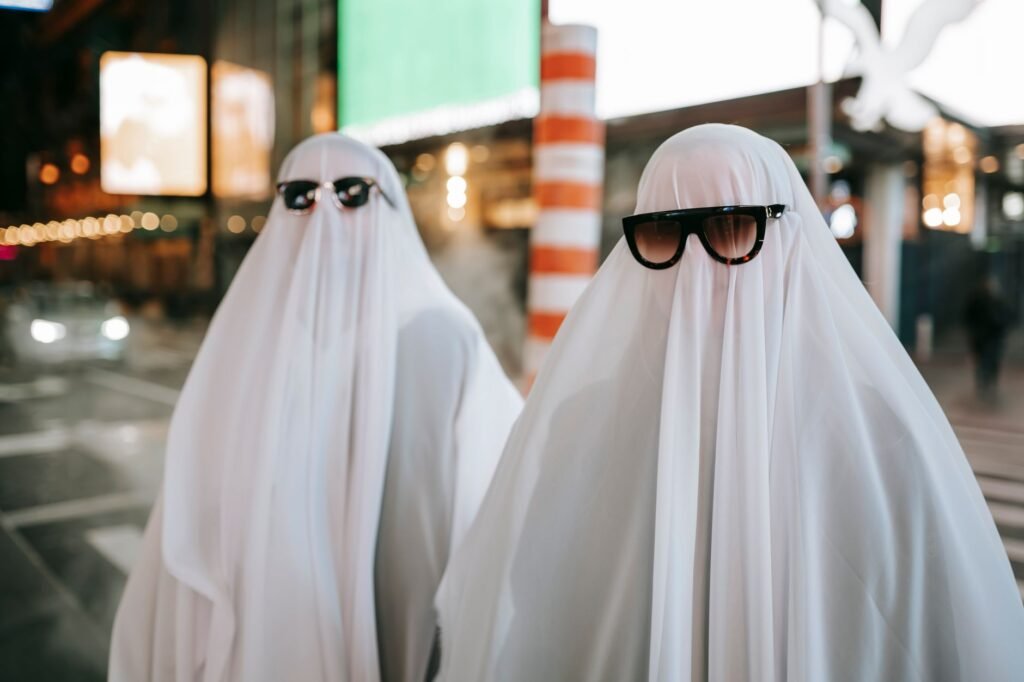
In many cases, haunted attractions draw upon these traditional tales, merging them with modern horror elements. The concept of ‘yūrei’ embodies the spirits of those who have died with unfinished business, often depicted in white funeral garments with long hair. These figures serve as a reminder of the respect for the dead and the belief in the spiritual world that permeates Japanese culture.
Modern Interpretations of Horror
In contemporary Japan, horror has evolved into various forms of entertainment, including films, literature, and, of course, theme parks and haunted houses. Many attractions aim to recreate the tension and suspense found in popular horror films, enhancing the experience with special effects, sound design, and skilled performers.
Additionally, the rise of ‘J-Horror’ films has influenced the global perception of horror from Japan, showcasing unique storytelling techniques and cultural motifs. Visitors to Tokyo can often see these influences reflected in the attractions they explore, making the experience even more immersive.

Unique Themes in Tokyo’s Haunted House Scene
Tokyo’s haunted houses are renowned for their creativity and thematic depth. Each attraction often revolves around a specific theme that enhances the overall experience. These unique themes not only provide entertainment but also immerse visitors in a chilling narrative that often reflects cultural fears and societal issues.
Traditional Japanese Folklore
Many haunted houses in Tokyo draw inspiration from traditional Japanese folklore, introducing visitors to yōkai and other supernatural entities. The use of these age-old stories adds a layer of cultural education to the fright, making the experience both entertaining and enlightening.
Attractions like Yūrei no Yakata (The Mansion of Ghosts) feature vengeful spirits and tragic tales from Japan’s past, allowing guests to engage with the rich tapestry of Japanese horror. This connection to folklore helps create a more immersive and meaningful experience.
- Yūrei – Ghosts of the restless dead, often depicted in white funeral garments.
- Tōfu Kozo – A mischievous spirit that plays tricks involving tofu.
- Rokurokubi – Beings that can stretch their necks at night, often causing fright.
Modern Twists on Classic Horror
Some haunted houses blend modern horror with classic tropes, creating a unique juxtaposition that resonates with younger audiences. For example, attractions may incorporate elements from popular horror films or video games, bringing familiar fears to life in a new context.
The Horror Escape Room experience combines the thrill of solving puzzles with the terror of being chased by horror icons. Participants must work together to escape a haunted room, making for a dynamic and interactive fright experience.
- Interactive storytelling that immerses visitors in the plot.
- The use of technology, such as augmented reality, to enhance scares.
- Incorporation of live actors who engage with guests for added realism.
Psychological Thrills vs. Supernatural Scares
Another fascinating aspect of Tokyo’s haunted houses is the distinction between psychological thrills and supernatural scares. Some attractions focus on inducing fear through atmosphere and psychological manipulation, while others rely on supernatural elements to create terror.
For example, House of Horrors emphasizes suspenseful building and chilling sound design to evoke dread, leaving visitors on edge without relying heavily on supernatural elements. In contrast, haunted houses like Shining House utilize ghostly apparitions and eerie visuals to deliver more traditional scares.
- Psychological Thrills: Focus on suspense, atmosphere, and mental challenges.
- Supernatural Scares: Utilize ghosts, ghouls, and visual effects to frighten.
- Blended Experiences: Some attractions mix both elements for a well-rounded scare.
Behind the Scenes: The Art of Fear Creation
The creation of a haunted house is a meticulous process involving various artistic and technical disciplines. From set design to sound engineering, each element plays a crucial role in crafting a terrifying experience.
Set Design and Atmosphere
Set designers work tirelessly to create environments that evoke fear and tension. This involves selecting appropriate colors, materials, and layouts that contribute to the overall theme. For instance, a haunted mansion may feature dark wood paneling, flickering lights, and cobwebs to create an unsettling atmosphere.
Attention to detail is paramount. Props, such as broken furniture or eerie paintings, are strategically placed to enhance the theme. The goal is to transport visitors into a world where reality blurs with the supernatural.
- Color Schemes: Dark tones and contrasting highlights set a foreboding mood.
- Lighting Techniques: Dim and flickering lights create shadows and uncertainty.
- Sound Design: Creepy soundscapes and sudden noises heighten anxiety.
Costume and Makeup Design
The actors in haunted houses are often the first line of interaction with guests, making costume and makeup design essential. Costumes must not only be visually striking but also functional, allowing performers to move freely while maintaining character authenticity.
Makeup artists employ techniques ranging from simple face paint to complex special effects, creating everything from ghostly figures to grotesque monsters. The transformation of the actors into their characters is a vital aspect of the immersive experience.
- Special Effects Makeup: Techniques that simulate wounds, decay, or supernatural features.
- Costume Materials: Durable yet lightweight fabrics that enhance mobility.
- Character Development: Actors often develop backstories that inform their performances.
Sound and Visual Effects
Sound and visual effects play a pivotal role in establishing the mood and pace of a haunted house. From eerie whispers to sudden loud bangs, sound effects can trigger a visceral reaction from guests. The careful synchronization of sound with visual stimuli amplifies the fear factor.
Visual effects can range from simple lighting tricks to elaborate projections that create ghostly apparitions or sudden scares. Innovations in technology, such as holograms or augmented reality, are increasingly being used to enhance the haunted experience, making it more engaging and terrifying.
- Soundscapes: Layered audio that includes ambient noises and sudden scares.
- Lighting Effects: Strobe lights, shadows, and color changes to manipulate perception.
- Innovative Technology: Use of AR/VR to create interactive ghostly encounters.
Accessibility and Inclusivity in Haunted Houses
As the popularity of haunted houses grows, so does the importance of making these attractions accessible to all visitors. Ensuring that everyone can enjoy the thrills of haunted experiences is a growing priority among operators.
Physical Accessibility
Many haunted houses are taking steps to improve physical accessibility for guests with mobility challenges. This includes ramps, wider pathways, and accessible restroom facilities. Operators are increasingly aware of the need to accommodate guests in wheelchairs or with other mobility aids.
Additionally, some attractions offer specialized tours or experiences designed for guests with disabilities, ensuring they too can partake in the thrill without barriers. It’s vital for visitors to check accessibility options before planning their visit.
- Ramps and Elevators: Essential for wheelchair access.
- Restroom Facilities: Accessible bathrooms should be available on-site.
- Specialized Experiences: Some haunted houses offer sensory-friendly nights.
Sensory Considerations
For guests who may be sensitive to loud noises, bright lights, or other sensory triggers, many haunted houses are beginning to implement sensory-friendly options. These may include reduced sound levels, softer lighting, and the ability to take breaks during the experience.
Offering sensory-friendly nights allows individuals with sensory processing issues, autism, or anxiety to enjoy the attractions in a more comfortable environment. Understanding and catering to these needs enhances the inclusivity of haunted house experiences.
- Sensory-Friendly Nights: Special events aimed at reducing triggers.
- Quiet Zones: Designated areas for guests to take a break.
- Clear Communication: Providing information on what to expect helps ease anxiety.
Community Engagement and Feedback
Many haunted house operators actively seek feedback from the community to improve inclusivity. Engaging with local disability advocacy groups can provide valuable insights into how to better accommodate all guests.
By fostering a dialogue with the community, operators can create more welcoming environments that cater to a diverse audience. This commitment to inclusivity not only enhances the experience for visitors but also enriches the cultural fabric of the haunted house scene.
- Collaboration with Advocacy Groups: Seeking guidance for better accessibility.
- Feedback Surveys: Encouraging guests to share their experiences and suggestions.
- Community Events: Hosting gatherings to raise awareness and promote inclusivity.
Frequently Asked Questions
What is a haunted house drive in?
A haunted house drive in is an attraction where guests experience horror-themed performances and scares from the comfort of their vehicles, combining elements of traditional haunted houses with drive-in movie formats.
Are there age restrictions for haunted houses in Tokyo?
Many haunted houses do have age restrictions or recommendations. It’s advisable to check the specific attraction’s website for details on suitable age groups before attending.
How do I buy tickets for a haunted house drive in?
Tickets can typically be purchased online through the attraction’s official website. It is recommended to buy in advance, especially during peak seasons like Halloween.
Can I experience these haunted houses during the day?
Most haunted attractions are designed for evening experiences to maximize the horror elements. However, some may offer special daytime tours or events, so it’s best to check their schedules.
The Bottom Line
Tokyo’s haunted house drive in experiences provide a thrilling and unique way to explore the city’s horror culture. With various types of attractions to choose from, practical tips to ensure a smooth visit, and insights into the cultural significance of horror in Japan, you’re set for an unforgettable adventure. Whether you’re a local or a traveler, these attractions promise spine-tingling excitement that captures the heart of Tokyo’s vibrant atmosphere.