Key Takeaways
- Explore hidden monasteries for spiritual insights.
- Engage with local communities through homestays.
- Embark on lesser-known trekking routes for serenity.
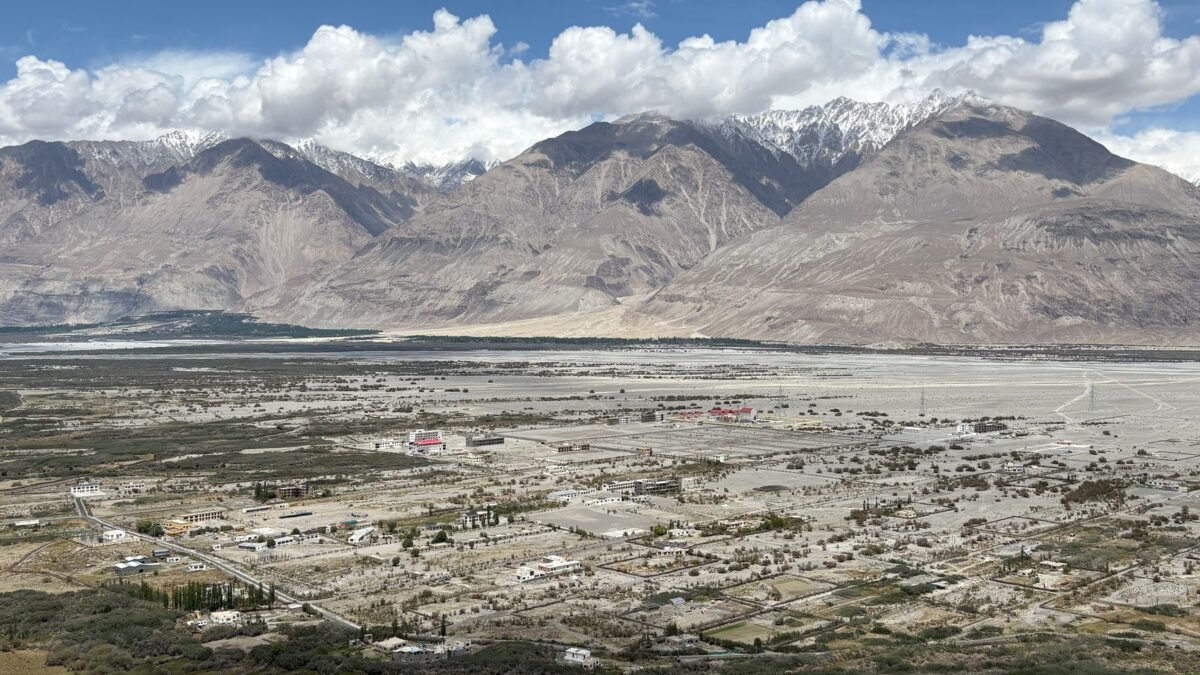
Ladakh, with its stunning landscapes, rich culture, and diverse traditions, is a dream destination for many travelers. While popular spots like Pangong Lake and Nubra Valley attract throngs of tourists, there are a plethora of offbeat experiences waiting to be discovered. This guide will explore three unique ways to experience Ladakh that will provide deeper insights into its culture, spirituality, and natural beauty.
From visiting hidden monasteries nestled in the mountains to engaging with local communities through homestays and embarking on lesser-known trekking routes, these offbeat experiences will enrich your journey in this enchanting region. Whether you are a solo traveler, a family, or a group of adventurers, these alternatives will allow you to connect with Ladakh in a more meaningful way.
As you plan your trip to Ladakh, consider stepping off the beaten path and immersing yourself in the local way of life. Each of these experiences offers a unique perspective on the region, ensuring that your visit is memorable and fulfilling.
1. Discovering Hidden Monasteries
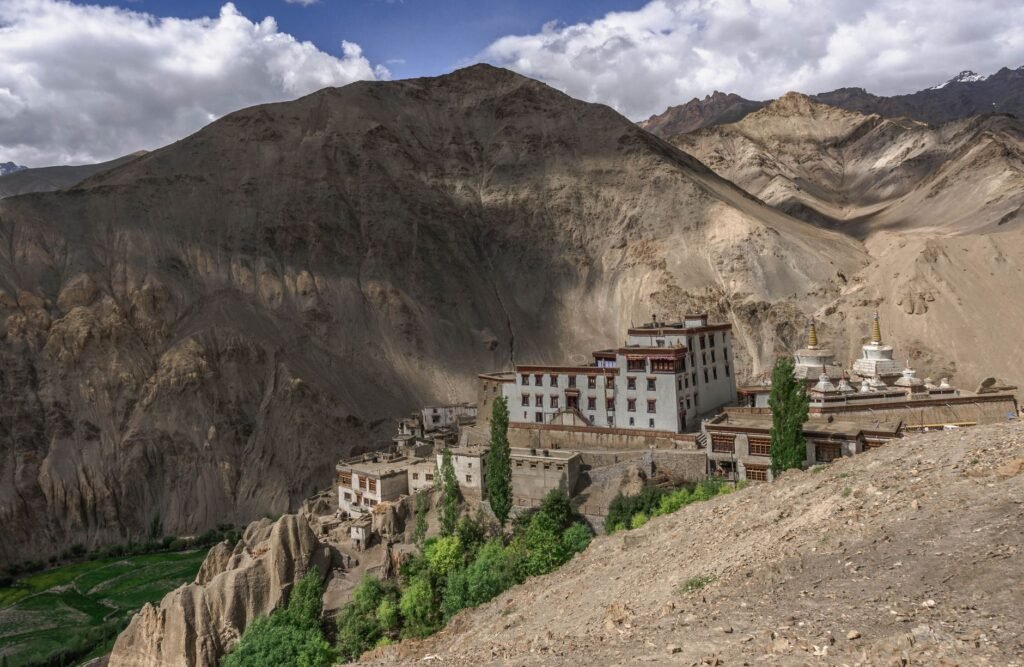
Ladakh is renowned for its stunning monasteries, but many travelers flock to the more famous ones like Thiksey and Hemis. However, several lesser-known monasteries provide a tranquil atmosphere and a more intimate connection with the spiritual heritage of the region.
One such hidden gem is the Phugtal Monastery, located in the remote Zanskar Valley. Accessible only by a challenging trek, Phugtal is perched on a cliff and offers breathtaking views of the surrounding landscape. This monastery is not only a place of worship but also a center for learning and meditation, where visitors can observe monks in their daily rituals and engage in discussions about Buddhist philosophy.
- Travel Tip: Ensure you are physically prepared for the trek to Phugtal, as it requires good stamina and acclimatization to the altitude.
Another noteworthy monastery is Stakna Monastery, situated along the banks of the Indus River. This lesser-visited site offers stunning views of the river valley and is an excellent place to witness the serene lifestyle of the monks. Visitors can participate in prayer ceremonies and gain insights into the monastic life.
For those seeking a more immersive experience, consider joining a meditation retreat at Karsha Monastery. Located in Zanskar, this retreat allows participants to engage deeply with Tibetan Buddhist practices under the guidance of experienced monks.
2. Engaging with Local Communities through Homestays
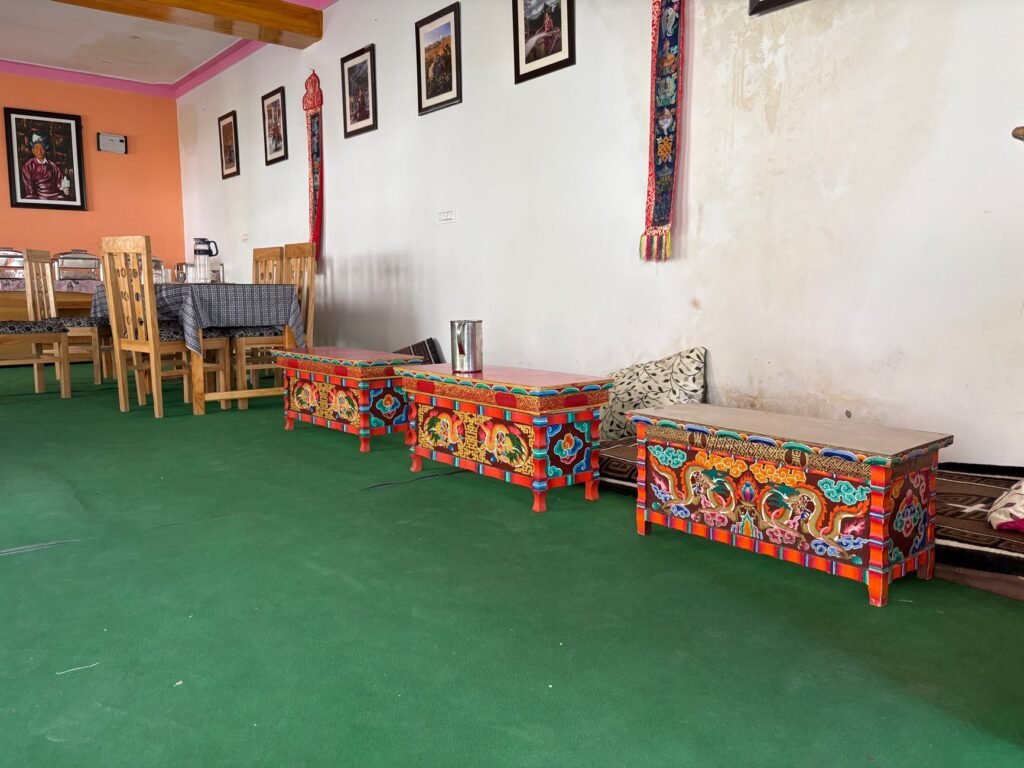
One of the best ways to experience the authentic culture of Ladakh is through homestays with local families. This not only provides travelers with a unique insight into daily life but also supports the local economy and helps preserve traditional ways of living.
In the village of Chuchot, just a short drive from Leh, you can stay with a Ladakhi family and partake in their daily routines. Activities may include helping with household chores, learning to cook traditional dishes like thukpa (noodle soup) or momos (dumplings), and even participating in local festivals if your timing is right. Such interactions foster a deeper understanding of Ladakhi culture and traditions.
- Tip: Always ask for permission before photographing locals or their homes to respect their privacy.
Another excellent option for a homestay is in Hemis, where you can enjoy the stunning natural beauty while learning about local customs and traditions. Many homestays offer guided tours of nearby attractions, including the famous Hemis Monastery, enhancing your cultural immersion.
Staying with locals also offers unique opportunities to participate in traditional activities, such as local crafts, music, or dance. Engaging with the community allows you to create lasting memories and friendships, making your trip to Ladakh truly special.
3. Embarking on Lesser-Known Trekking Routes
Ladakh is home to some of the most breathtaking trekking routes in the world, but many travelers stick to popular trails like the Markha Valley trek. For those seeking solitude and pristine natural beauty, exploring lesser-known paths can be incredibly rewarding.
The Sham Valley Trek is an excellent option for those looking for a relatively easy trek that offers stunning views and cultural experiences. This trek takes you through charming villages, ancient monasteries, and lush greenery, allowing you to experience the serene beauty of Ladakh away from the crowds.
- What to Bring: Adequate trekking gear, a good camera, and plenty of water.
Another intriguing route is the Chadar Trek, which follows the frozen Zanskar River in winter. This unique trek offers a chance to experience the stark beauty of Ladakh in its icy form while interacting with local communities living along the river. The trek is challenging and requires a good level of fitness and preparation.
For a truly offbeat experience, consider the Ganda La Trek, which connects the villages of Stok and Markha Valley. This trek offers breathtaking views of the Stok Range and the chance to camp under the stars away from the hustle and bustle of tourist hotspots.
Exploring the Unique Flora and Fauna of Ladakh
Understanding Ladakh’s Biodiversity
Ladakh is not just a land of mountains and monasteries; it is also home to a rich tapestry of biodiversity. The cold desert region offers a unique environment where rare species of plants and animals thrive. With its varying altitudes and climatic conditions, Ladakh presents a unique ecosystem that is worth exploring. Visitors can engage in wildlife spotting, bird watching, and even botany tours focused on the region’s endemic species.
Top Wildlife Experiences
For wildlife enthusiasts, Ladakh offers several opportunities to observe its unique fauna. Below are some notable wildlife experiences:
- Shyok River Valley: Spot the elusive snow leopard in this remote valley. Guided tours focus on tracking these magnificent animals, especially during the winter months.
- Pangong Lake: Known for its stunning beauty, the area around Pangong Lake is a great place to observe migratory birds, including the bar-headed goose.
- Hemis National Park: This park is a sanctuary for several endangered species. Visitors can take guided eco-tours to learn about the region’s wildlife conservation efforts while spotting animals like the Tibetan antelope and the Himalayan blue sheep.
Flora Worth Discovering
The flora of Ladakh is as diverse as its fauna. The region is dotted with various plants adapted to its harsh climate. Here are some notable plants and their uses:
- Sea Buckthorn: Known for its medicinal properties, this hardy shrub produces berries rich in vitamins and antioxidants.
- Edible Wild Herbs: Many local communities use herbs such as wild garlic and Himalayan thyme in traditional dishes.
- Medicinal Plants: Plants like ‘Aconitum’ and ‘Rhodiola’ are used in traditional medicine practices unique to this region.
Exploring the flora and fauna of Ladakh not only enriches your travel experience but also helps support conservation efforts in the region.
Experiencing Ladakh’s Cultural Festivals
Major Festivals to Attend
Ladakh is known for its vibrant cultural festivals that reflect the rich traditions and heritage of the region. Attending these festivals offers a unique insight into the local way of life. The following are some prominent festivals that you shouldn’t miss:
- Hemis Festival: Held in June, this festival celebrates the birth of Guru Padmasambhava. It features traditional dances, music, and an impressive display of local handicrafts.
- Losar Festival: Celebrated in February or March, Losar marks the Tibetan New Year. Expect colorful processions, local food, and other cultural performances.
- Karsha Gustor: Taking place in September, this festival features religious rituals and traditional dances, emphasizing the spiritual heritage of Ladakh.
Participating in Local Traditions
Joining in on local traditions during these festivals is an enriching experience. Here are some ways to immerse yourself:
- Dress Up: Wear traditional Ladakhi attire to feel a part of the celebrations.
- Learn Local Dances: Many festivals include dance performances. Participating in these dances can be a fun way to engage with locals.
- Taste Local Cuisine: Try dishes unique to the festival, such as ‘thukpa’ (noodle soup) and ‘momos’ (dumplings).
Each festival in Ladakh comes with its own set of customs and traditions, offering a unique lens through which to view the region’s vibrant culture.
Adventure Sports in Ladakh: More Than Just Trekking
Thrilling Activities for Adventure Seekers
Ladakh’s stunning landscapes provide the perfect backdrop for various adventure sports beyond trekking. These activities cater to thrill-seekers and can be enjoyed year-round:
- River Rafting: The Zanskar and Indus Rivers offer thrilling white-water rafting experiences. Guided tours are available for various skill levels, making it accessible for beginners to experts.
- Mountain Biking: With picturesque roads and trails, Ladakh is a mountain biker’s paradise. Popular routes include the Leh to Pangong Lake stretch, offering breathtaking views.
- Paragliding: Experience the stunning aerial views of Ladakh through paragliding opportunities available in areas like the Nubra Valley.
Safety and Preparation
While engaging in adventure sports, it’s essential to prioritize safety and preparation. Here are some tips to ensure a safe experience:
- Acclimatization: Spend a few days acclimatizing to the altitude to avoid altitude sickness.
- Proper Gear: Ensure you have the right equipment and gear, whether it’s for biking, rafting, or paragliding.
- Follow Guidelines: Always follow the guidelines provided by local tour operators and instructors to ensure safety.
Best Times for Adventure Sports
The best time for adventure sports in Ladakh varies by activity. Here’s a quick breakdown:
- River Rafting: May to September, when the rivers are at their optimal levels.
- Mountain Biking: June to September, when temperatures are more favorable.
- Paragliding: Available from May to October, depending on weather conditions.
Engaging in adventure sports in Ladakh is not just about the thrill; it’s also about connecting with the majestic landscapes that define this incredible region.
Exploring the Ancient Trade Routes
The Silk Road Legacy
Ladakh’s strategic location made it a vital part of the ancient Silk Road, the trade network that connected the East and West. Exploring these historical routes can offer a fascinating glimpse into the region’s past. You can embark on guided tours that take you through key points along these trade routes, showcasing the remnants of ancient caravanserais and trade posts.
While exploring the Silk Road, make sure to visit:
- Leh: The starting point of many trade routes.
- Magnetic Hill: A popular stop with a historical backdrop.
- Diskit Monastery: An important cultural site along the route.
Participating in Traditional Caravan Tours
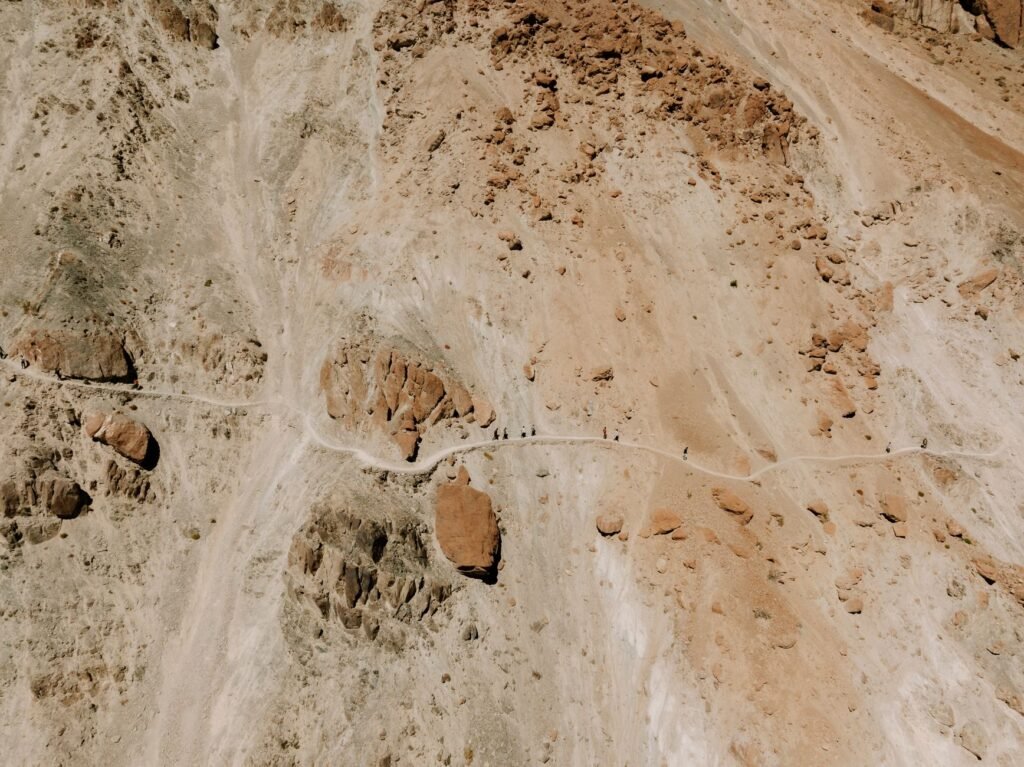
Join a traditional caravan tour where you can experience the lifestyle of ancient traders. These tours often involve riding on horseback or camels, giving you a unique perspective of the landscape. You will not only traverse breathtaking scenery but also engage with local guides who share stories of the past.
During the tour, you might encounter:
- Traditional Ladakhi food prepared by local chefs.
- Workshops on ancient trade practices.
- Opportunities to interact with nomadic tribes.
Engaging in Spiritual Retreats
Yoga and Meditation Retreats
Ladakh is a serene environment, perfect for yoga and meditation. Many centers offer retreats that focus on mindfulness practices amidst breathtaking natural settings. These retreats are designed for practitioners of all levels, providing a perfect escape from the hustle and bustle of everyday life.
During your stay, you can participate in:
- Daily yoga sessions at sunrise.
- Guided meditation in tranquil surroundings.
- Workshops on Ayurvedic practices.
Spiritual Pilgrimages
Ladakh is home to several important spiritual sites that attract pilgrims from around the world. Engaging in a spiritual pilgrimage can deepen your understanding of the region’s rich heritage. Places like Hemis Monastery and Thiksey Monastery offer not only spiritual experiences but also stunning architecture and art.
While on your pilgrimage, consider visiting:
- The annual Hemis Festival.
- Statues of Maitreya Buddha.
- Local shrines that celebrate ancient rituals.
Experiencing Unique Culinary Tours
Farm-to-Table Experiences
Ladakh’s unique climate and terrain result in a diverse array of crops. Participating in farm-to-table culinary experiences allows you to taste authentic Ladakhi cuisine while learning about traditional farming practices. Many local farms offer tours where you can pick vegetables and assist in preparing traditional dishes.
On these tours, you might enjoy:
- Cooking classes featuring local ingredients.
- Tasting sessions of traditional dishes like Momos and Thukpa.
- Insights into sustainable farming practices.
Street Food Tours in Leh
Leh’s vibrant street food scene is a fantastic way to experience local culture. Guided street food tours take you through bustling markets where you can sample delicious snacks and drinks prepared by local vendors. This culinary adventure will introduce you to unique flavors and cooking techniques.
Must-try street food items include:
- Chutagi: A traditional noodle dish.
- Skewered meats from local stalls.
- Butter tea, a Ladakhi staple.
Frequently Asked Questions
What is the best time to visit Ladakh for offbeat experiences?
The best time to visit Ladakh for offbeat experiences is from June to September, when the weather is pleasant, and most trekking routes and homestays are accessible. Winter months can be harsh, especially for trekking, but offer unique experiences like the Chadar Trek.
How do I prepare for high-altitude trekking in Ladakh?
Preparation for high-altitude trekking includes acclimatization, staying hydrated, and gradually increasing your trekking difficulty. It’s also advisable to consult with a healthcare provider about altitude sickness and carry necessary medications.
Are homestays in Ladakh comfortable for tourists?
Many homestays in Ladakh offer comfortable accommodations, often with basic amenities. They provide an authentic experience and a chance to immerse yourself in the local culture while enjoying traditional hospitality.
What should I pack for a trip to Ladakh?
Essential items to pack for Ladakh include warm clothing, comfortable trekking shoes, a good camera, sunscreen, a first-aid kit, and personal hygiene products. Don’t forget to carry sufficient cash, as ATMs may not be readily available in remote areas.
The Bottom Line
Experiencing Ladakh off the beaten path can be immensely rewarding, offering unique insights into its culture, traditions, and natural beauty. From discovering hidden monasteries and engaging with local communities through homestays to embarking on lesser-known trekking routes, these offbeat experiences will create lasting memories. Consider these alternatives during your visit to ensure a trip that is not only enjoyable but also enriching and authentic.