Key Takeaways
- Explore the Great Wall and Forbidden City.
- Experience local cuisine and markets.
- Visit parks and cultural sites for relaxation.
- Enjoy vibrant nightlife in the city.
Beijing, the sprawling capital of China, is a city that seamlessly blends ancient history with modern life. It is not just a political hub but a vibrant cultural center, offering a plethora of activities and sights for travelers. From the magnificent architecture of historical landmarks to the bustling streets filled with local delicacies, there is no shortage of things to do in Beijing.
This guide aims to highlight the top things to do in Beijing, ensuring you make the most of your visit. Whether you’re exploring the iconic Great Wall, tasting Peking duck, or wandering through traditional hutongs, Beijing promises an unforgettable adventure.
As you plan your trip, keep in mind that each neighborhood has its own unique character, making it essential to explore various districts. This article will provide insights into must-see attractions, dining options, and practical tips for navigating the city.
The Great Wall of China
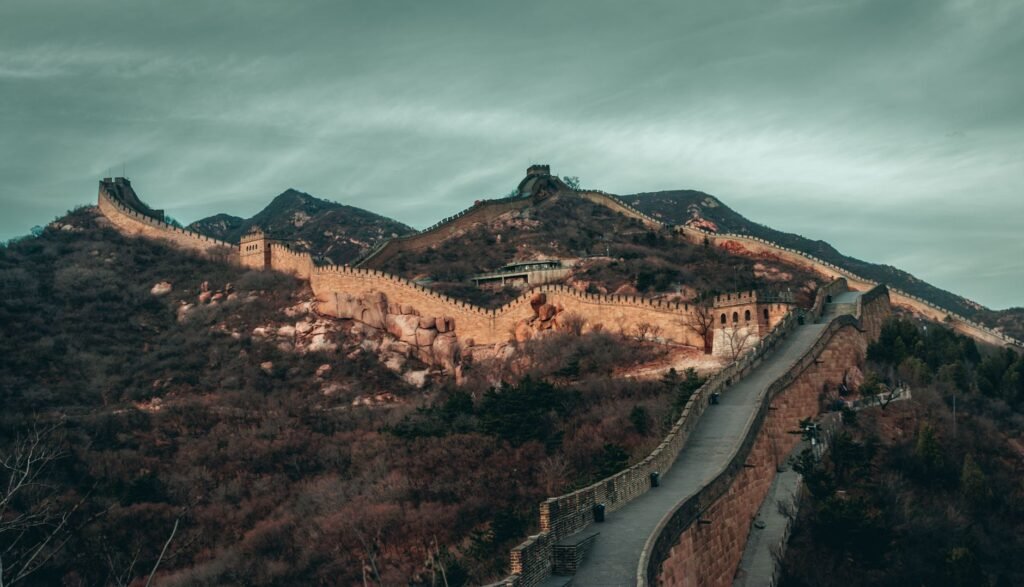
No trip to Beijing is complete without a visit to the Great Wall, one of the most famous landmarks in the world. Spanning thousands of miles, the Wall offers breathtaking views and a glimpse into China’s rich history. The most popular sections to visit include:
- Badaling: This is the most famous and accessible part of the Wall, making it popular among tourists. Expect large crowds, especially during peak seasons.
- Mutianyu: Known for its stunning scenery and well-preserved structure, this section is less crowded than Badaling and offers a cable car for easy access.
- Jinshanling: For those seeking a more adventurous experience, Jinshanling is ideal. It offers challenging hikes and fewer tourists, allowing for a more serene experience.
When visiting the Great Wall, it’s advisable to wear comfortable shoes, carry water, and plan your visit early in the day to avoid crowds. Consider hiring a local guide to enhance your experience with historical context.
Forbidden City
Another must-visit site is the Forbidden City, a UNESCO World Heritage Site and the former imperial palace of the Ming and Qing Dynasties. This vast complex features over 900 buildings and is the largest ancient palatial structure in the world.
Visitors can explore its impressive architecture, including:
- The Hall of Supreme Harmony: The largest building, where emperors held important ceremonies.
- The Palace of Heavenly Purity: The residence of emperors and their families.
- The Imperial Garden: A tranquil space filled with ancient trees, pavilions, and rock formations.
To fully appreciate the Forbidden City, consider joining a guided tour. This will help you understand the significance of each structure and the rich history behind them. Make sure to purchase tickets in advance, as the site can get very busy.
Summer Palace
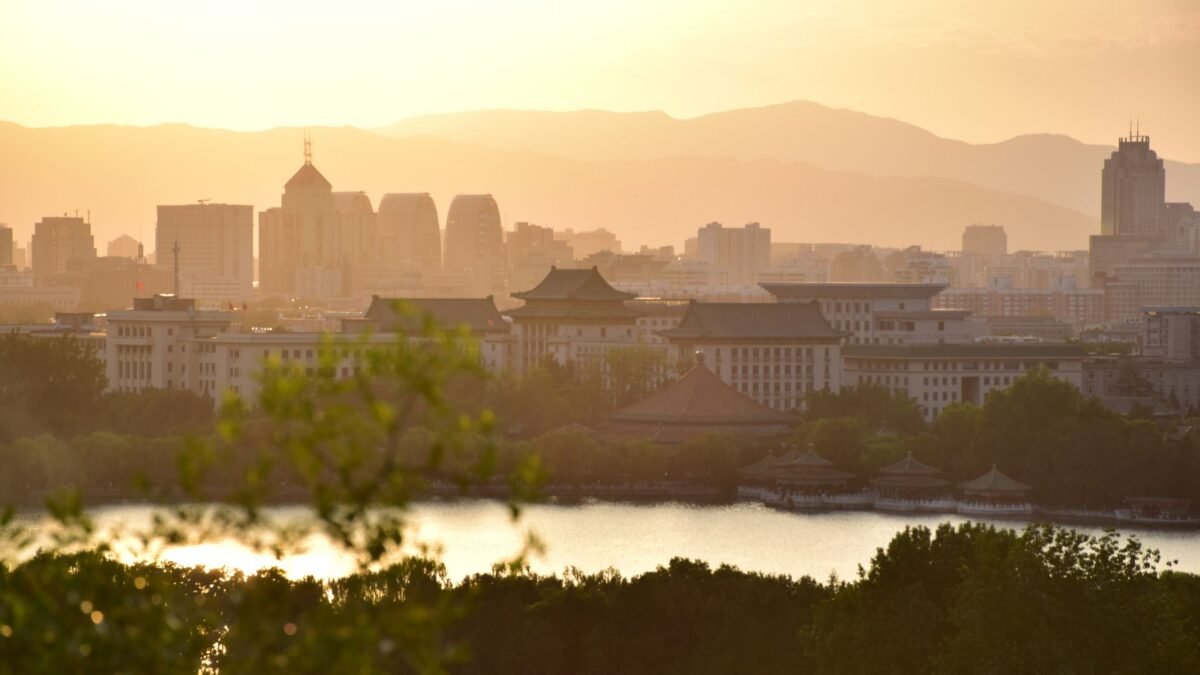
The Summer Palace, located a short distance from the city center, is a stunning retreat that showcases traditional Chinese garden design. This UNESCO World Heritage Site offers a peaceful escape from the hustle and bustle of Beijing.
Highlights of the Summer Palace include:
- The Longevity Hill: Climb to the top for panoramic views of the surrounding area and Kunming Lake.
- The Seventeen-Arch Bridge: A beautiful bridge connecting the island to the mainland, perfect for photography.
- The Marble Boat: A unique structure that symbolizes the imperial family’s connection to the water.
Strolling through the gardens, visitors can enjoy serene lakes, willow trees, and classic pavilions. As a tip, visit early in the morning or late in the afternoon to avoid crowds and enjoy the tranquility.
Local Cuisine and Dining Experiences
Beijing is renowned for its culinary offerings, particularly Peking duck, a dish known for its crispy skin and tender meat. When searching for the best local dining experiences, consider these options:
- Quanjude: Famous for its Peking duck, this restaurant has been serving customers since 1864. The duck is expertly carved at your table, making for a memorable dining experience.
- Da Dong: Known for its innovative take on Peking duck, Da Dong offers a modern dining atmosphere while still preserving the traditional flavors.
- Wangfujing Snack Street: A bustling street market where you can sample a variety of local snacks, from skewered meats to candied fruits.
For a more immersive experience, consider taking a cooking class where you can learn to make traditional dishes. Many classes also include a market tour to purchase fresh ingredients.
Exploring Hutongs
The hutongs of Beijing provide a glimpse into the city’s historical neighborhoods. These narrow alleyways are lined with traditional courtyard homes and bustling local life. Exploring hutongs allows travelers to experience the culture and community in a unique way.
Popular hutongs to visit include:
- Nanluoguxiang: A trendy area filled with boutique shops, cafes, and restaurants. It’s a great spot to enjoy a leisurely stroll and try local snacks.
- Yandaixiejie: Known for its shops selling traditional crafts and souvenirs, this hutong is perfect for picking up unique gifts.
- Qinbai Hutong: Less commercialized, offering a more authentic experience of local life and culture.
Consider joining a guided walking tour to learn about the history and significance of the hutongs, as well as to discover hidden gems that may not be on the typical tourist path.
Parks and Recreation
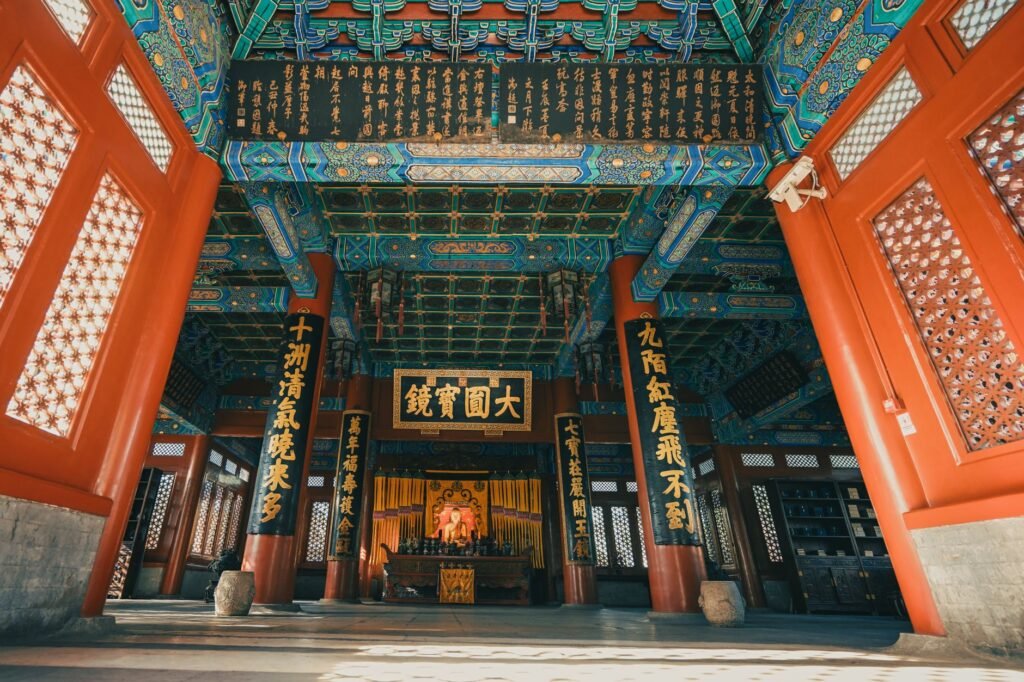
Beijing is home to numerous parks, providing a peaceful escape for both locals and visitors. These green spaces offer beautiful scenery, walking paths, and opportunities for leisure activities. Some notable parks include:
- Beihai Park: One of the oldest and most famous parks in Beijing, featuring a large lake, beautiful gardens, and historical architecture.
- Temple of Heaven Park: A UNESCO World Heritage Site where emperors once prayed for good harvests. The park is popular for tai chi and other traditional exercises.
- Chaoyang Park: The largest park in Beijing, ideal for jogging, picnicking, and enjoying outdoor concerts.
While exploring the parks, take the time to relax and observe local life. Many parks have areas for playing games, practicing calligraphy, or simply enjoying the natural beauty.
Nightlife in Beijing
Beijing boasts a vibrant nightlife scene that caters to diverse tastes. From trendy bars to traditional teahouses, the city offers various options for evening entertainment. Some popular areas include:
- Sanlitun: Known for its lively bars and clubs, this area attracts a young crowd and offers a mix of local and international experiences.
- Wangfujing: This shopping district comes alive at night, with street food stalls and night markets offering delicious snacks.
- Beijing’s Traditional Teahouses: For a quieter evening, visit a teahouse to enjoy traditional Chinese tea and cultural performances.
When venturing out at night, it’s essential to remain aware of your surroundings and practice common safety measures. Always ensure that you have a way to return to your accommodation after your night out.
Beijing’s Art Scene: Contemporary and Traditional
Art Districts: 798 and Beyond
Beijing’s art scene is a vibrant blend of contemporary and traditional influences, making it a must-visit for art enthusiasts. The 798 Art District, located in a repurposed factory complex, showcases a plethora of galleries, studios, and art installations that push the boundaries of modern creativity. Visitors can explore numerous exhibitions featuring local and international artists, providing insights into the evolving landscape of Chinese art.
While 798 is the most famous, other districts like Caochangdi and Songzhuang are also worth exploring. These areas are home to independent galleries and artist studios, allowing visitors to witness the creative process firsthand. Here is a list of notable venues in the 798 Art District:
- UCCA Center for Contemporary Art
- Long March Space
- Galleria Continua
- Beijing Commune
- Factory 798
Traditional Chinese Arts: Calligraphy and Painting
For those interested in traditional arts, Beijing offers numerous opportunities to engage with the rich history of Chinese calligraphy and painting. Various cultural centers and art schools offer workshops where visitors can learn the techniques from master artists. Engaging in these activities not only provides a deeper understanding of Chinese aesthetics but also allows participants to create their own masterpieces to take home.
Popular places to learn these arts include the Central Academy of Fine Arts and the Beijing Calligraphy and Painting Institute. In addition to workshops, many galleries and shops sell exquisite pieces created by skilled artisans, providing a chance to appreciate and purchase authentic art.
Art Festivals and Events
Beijing hosts several art festivals throughout the year, allowing visitors to immerse themselves in the city’s artistic culture. Events like the Beijing International Art Biennale showcase both established and emerging artists, facilitating dialogue and exchange between different artistic communities.
Additionally, the annual 798 Art Festival brings together a range of performances, exhibitions, and workshops, making it a focal point for art lovers. Attending these festivals provides an excellent opportunity to interact with artists and gain insight into the contemporary art scene in China.

Cultural Experiences: Engaging with Local Traditions
Tea Culture: The Heart of Chinese Hospitality
Tea is an integral part of Chinese culture, and Beijing offers numerous opportunities to explore its rich heritage. Visitors can partake in traditional tea ceremonies, which not only highlight the different types of tea but also the customs associated with their preparation and consumption. These ceremonies offer a peaceful respite from the bustling city while providing insights into the philosophy of tea.
Popular tea houses such as the Lao She Teahouse or the Jingshan Park Tea House offer interactive experiences where guests can learn about various teas, their health benefits, and proper brewing techniques. Here are some types of teas commonly featured in these ceremonies:
- Green Tea
- Oolong Tea
- Black Tea
- White Tea
- Herbal Tea
Traditional Festivals: Celebrating Chinese Heritage
Experiencing local festivals is one of the best ways to engage with Beijing’s rich cultural traditions. Events like the Chinese New Year, Mid-Autumn Festival, and the Lantern Festival offer visitors a glimpse into the vibrant customs and practices that define Chinese culture. During these celebrations, the streets come alive with colorful decorations, traditional performances, and delicious street food.
Visitors can participate in activities such as lion dances, lantern-making workshops, and calligraphy demonstrations. It is advisable to check the festival calendar ahead of time to ensure you don’t miss these exciting cultural experiences. Here are some popular festivals celebrated in Beijing:
- Chinese New Year (Spring Festival)
- Dragon Boat Festival
- Mid-Autumn Festival
- Qingming Festival
Workshops and Classes: Hands-On Cultural Learning
For those looking to dive deeper into Beijing’s culture, numerous workshops and classes are available that cover traditional crafts such as kite-making, paper-cutting, and pottery. These experiences not only allow for hands-on learning but also provide a chance to connect with local artisans who can share their skills and knowledge.
Institutions like the Beijing Cultural and Creative Industry Park regularly host workshops where participants can create their own traditional crafts. Such activities serve as meaningful souvenirs and offer a richer understanding of the local culture. Here are some popular crafts that visitors can learn:
- Kite Making
- Chinese Paper-Cutting
- Calligraphy
- Pottery
Historical Insights: Museums and Heritage Sites
National Museum of China
The National Museum of China, located on the eastern edge of Tiananmen Square, is a treasure trove of Chinese history and culture. It boasts an extensive collection of artifacts that cover thousands of years, from ancient dynasties to modern history. The museum’s exhibitions provide visitors with a comprehensive overview of China’s cultural evolution.
Highlights include impressive displays of ancient ceramics, jade, and bronze items, as well as contemporary exhibits that reflect the nation’s rapid modernization. Admission is free, making it an accessible venue for all visitors. The museum is also well-organized, ensuring that guests can navigate its vast collections with ease.
Beijing Capital Museum
The Beijing Capital Museum offers another fascinating glimpse into the city’s history and culture. This museum features a variety of exhibitions that cover Beijing’s architectural evolution, cultural relics, and art. With its modern design and well-curated exhibits, it stands as a testament to the city’s rich past and contemporary identity.
Visitors can explore artifacts from the Yuan, Ming, and Qing dynasties, as well as learn about the city’s development through the ages. The museum often hosts temporary exhibitions, so check their schedule for unique displays during your visit.
Historical Walking Tours
Engaging in a historical walking tour is an excellent way to explore Beijing’s rich past. Various companies offer guided tours that take visitors through significant historical sites, such as ancient temples, imperial residences, and revolutionary landmarks. These tours often provide in-depth stories and anecdotes that bring the city’s history to life.
Popular routes include visits to Tiananmen Square, the Temple of Heaven, and the historic Dongcheng District. Walking tours not only promote a better understanding of Beijing’s history but also allow visitors to experience the city at a slower pace. Here are some popular guided tour themes:
- Imperial Beijing
- Revolutionary History
- Historic Hutongs
- Temples and Shrines
Frequently Asked Questions
What is the best time to visit Beijing?
The best time to visit Beijing is during the spring (April to June) and autumn (September to October) when the weather is mild and pleasant. Summer can be hot and humid, while winters can be quite cold.
Do I need a visa to visit Beijing?
Yes, most travelers will need a visa to enter China. It’s advisable to check the current visa requirements based on your nationality and apply well in advance of your trip.
How do I get around Beijing?
Beijing has an extensive public transportation system, including subways, buses, and taxis. The subway is the fastest way to navigate the city. Consider downloading a translation app to help with communication.
Is it safe to travel in Beijing?
Beijing is generally considered safe for travelers. However, it’s always wise to stay vigilant, avoid poorly lit areas at night, and take care of your belongings.
The Bottom Line
Beijing is a city rich in history and culture, offering a diverse range of activities for every traveler. From iconic landmarks like the Great Wall and Forbidden City to culinary delights and vibrant nightlife, there are countless things to do in Beijing. Planning your itinerary in advance will help you make the most of your visit and ensure you experience the essence of this remarkable city.