Key Takeaways
- Maldives is made up of over 1,000 islands.
- Best time to visit is from November to April.
- Stay informed about local customs and etiquette.
- Plan for both relaxation and adventure activities.
The Maldives is a tropical paradise known for its stunning beaches, vibrant coral reefs, and luxurious resorts. As you plan your trip to this idyllic archipelago, there are several key factors to consider that will help you make the most of your experience. This guide details essential things to know before visiting the Maldives, ensuring you are well-prepared for your adventure.
From understanding local customs to the best activities to engage in, this comprehensive overview will provide you with the practical information needed for a memorable trip. Whether you’re planning a romantic getaway, a family vacation, or a solo adventure, knowing these tips will enhance your experience in the Maldives.
Travelers often express both excitement and apprehension when visiting a new destination. The Maldives, while breathtakingly beautiful, comes with its own set of unique customs, travel tips, and activities. This article aims to empower you with knowledge so you can relax and enjoy the stunning landscapes and vibrant culture of the islands.
Understanding the Maldives: Geography and Culture
The Maldives consists of 26 atolls, made up of over 1,000 coral islands scattered across the Indian Ocean. This unique geography contributes to the diverse marine life and stunning landscapes that attract millions of tourists each year. Knowing a little about the geography can help you choose the right islands and resorts for your visit.
The capital city, Malé, is often the first stop for travelers. While many visitors head straight to their resort, taking a day to explore Malé can provide insight into local life. The city is home to historical sites like the Maldives Islamic Centre and the vibrant fish market, where you can see the local culture in action.
- Language: The official language is Dhivehi, but English is widely spoken, especially in tourist areas.
- Currency: The Maldivian Rufiyaa (MVR) is the local currency, but US dollars are accepted in most places.
- Culture: The Maldives has a rich cultural heritage influenced by its Islamic traditions, with local customs that visitors should respect.
Best Time to Visit the Maldives
The Maldives enjoys a tropical climate, but the timing of your visit can significantly impact your experience. The best time to visit is during the dry season, which runs from November to April. During this period, you can expect clear skies, calm seas, and pleasant temperatures, making it ideal for beach activities and snorkeling.
Conversely, the wet season, from May to October, can bring heavy rainfall and storms. While this is considered the off-peak season, some travelers choose to visit during this time to take advantage of lower rates. However, be prepared for possible disruptions in outdoor activities due to weather conditions.
- Peak Season: December to April is the peak tourist season, with higher prices and crowded resorts.
- Off-Peak Season: May to October sees fewer tourists and lower prices, but expect more rain.
- Shoulder Season: November and early December can be a good compromise with fewer crowds and decent weather.
Traveling to and Around the Maldives
Getting to the Maldives typically involves flying into Velana International Airport (MLE) in Malé. From there, you will need to transfer to your resort, which may involve a domestic flight or a boat ride. Many resorts offer complimentary transfers, so be sure to confirm your arrangements ahead of time.
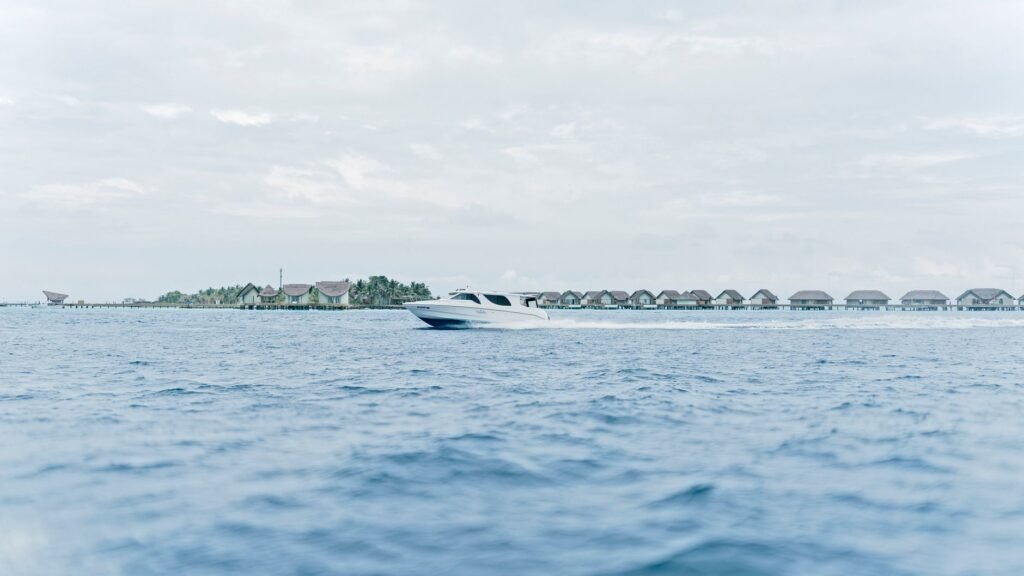
Once you are in the Maldives, transportation between islands is primarily done via speedboats or seaplanes. While speedboats are economical and convenient for nearby islands, seaplanes offer breathtaking aerial views of the atolls and are often used for longer distances.
- Domestic Flights: These are available for longer distances and can save time for remote resorts.
- Speedboats: Common for transfers between island resorts; check schedules in advance.
- Private Boats: Available for hire for customized island hopping experiences.
Local Customs and Etiquette
Understanding local customs is essential for a respectful and enjoyable visit to the Maldives. The country is predominantly Muslim, and visitors should dress modestly, especially in local islands and Malé. Swimwear is acceptable at resorts and designated beaches, but travelers should cover up when away from these areas.
It’s also important to be aware of local laws regarding alcohol consumption. While resorts typically serve alcohol, drinking in public areas is prohibited. Respect for local traditions and customs will contribute to a positive interaction with residents.
- Dress Code: Modest clothing is recommended outside resort areas; swimsuits are for beach areas only.
- Photography: Always ask for permission before photographing locals, especially women.
- Public Behavior: Avoid public displays of affection, as they may be frowned upon.
Activities and Things to Do
The Maldives is renowned for its pristine beaches and crystal-clear waters, offering a plethora of activities for visitors. Whether you are seeking relaxation or adventure, the islands have something for everyone.
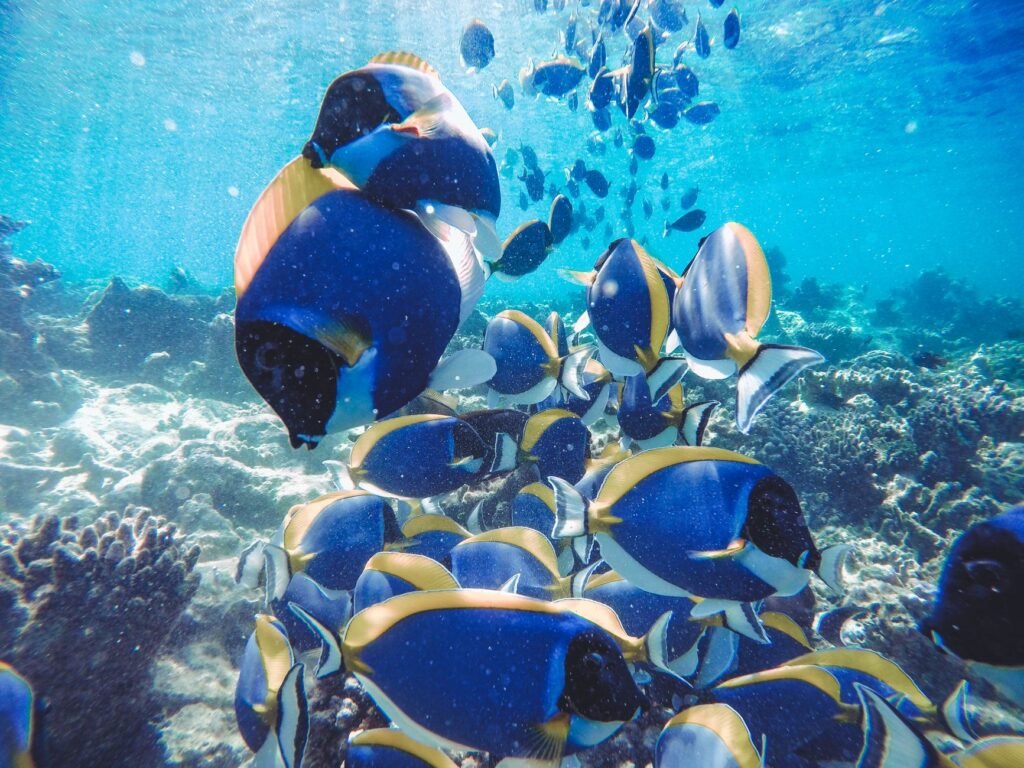
Water sports are a significant draw, with snorkeling and diving being top favorites. The Maldives is home to some of the most diverse marine life, including colorful coral reefs and an array of fish species. For those looking for an adrenaline rush, activities like jet skiing, windsurfing, and parasailing are widely available.
- Snorkeling and Diving: Explore vibrant coral reefs and diverse marine life; many resorts offer guided trips.
- Island Hopping: Take a day trip to explore different islands, each with its unique charm.
- Relaxation: Enjoy spa treatments, yoga sessions, and sunset cruises for a serene experience.
Accommodation Options
The Maldives offers a range of accommodations, from luxury resorts to budget guesthouses. Most visitors opt for the luxury resorts located on private islands, which provide all-inclusive packages that include meals, activities, and entertainment.
For travelers on a budget, guesthouses on local islands offer a more authentic experience and are significantly cheaper than resort stays. Staying on a local island allows for a deeper understanding of Maldivian culture while providing access to local restaurants and shops.
- Luxury Resorts: All-inclusive options with private beaches and numerous amenities.
- Mid-Range Hotels: Comfortable accommodations with essential services and local flavor.
- Guesthouses: Budget-friendly options that promote local engagement and culture.
Dining and Cuisine
The culinary scene in the Maldives is diverse, heavily influenced by Indian, Sri Lankan, and Middle Eastern flavors. Seafood is a staple, with fresh catches available at most dining venues. Resorts often offer various international cuisines, while local restaurants provide a taste of traditional Maldivian dishes.
Popular local dishes include Mas Huni (a tuna salad served with flatbread) and Garudhiya (a fish soup). Many resorts host themed dining nights, showcasing different culinary traditions from around the world.
- Local Cuisine: Try traditional dishes at local restaurants for an authentic experience.
- Resort Dining: Enjoy diverse menus at resorts, often featuring fresh seafood and international dishes.
- Dining Experiences: Some resorts offer unique dining experiences, such as underwater restaurants or beach barbecues.
Health and Safety
Health considerations are important when traveling to the Maldives. Most resorts provide basic medical services, but it’s wise to bring a first-aid kit for minor injuries. Ensure you are up to date with routine vaccinations, and consult with a healthcare provider about any additional vaccinations recommended for travel to the region.
Water safety is a priority; while most resorts have safe drinking water, it’s advisable to check with your accommodation and drink bottled water if unsure. Additionally, be cautious of sun exposure and stay hydrated, as the tropical sun can be intense.
- Sun Protection: Use sunscreen, wear hats, and drink plenty of water to avoid heat-related issues.
- Medical Facilities: Familiarize yourself with local medical facilities or resort services in case of emergencies.
- Travel Insurance: Consider purchasing travel insurance that covers health emergencies and trip cancellations.
Environmental Conservation in the Maldives
Understanding the Ecosystem
The Maldives is renowned for its stunning marine life and coral reefs, which are crucial to its ecosystem. The waters surrounding the islands are home to over 2,000 species of fish, as well as dolphins, sharks, and turtles. The coral reefs serve not only as a habitat for these species but also protect the islands from erosion and provide livelihoods for local communities through fishing and tourism.
However, the delicate balance of this ecosystem is threatened by climate change, pollution, and overfishing. Travelers should understand the importance of preserving this unique environment by adopting responsible tourism practices.
Best Practices for Eco-Friendly Travel
To minimize your impact on the environment while enjoying the beauty of the Maldives, consider the following eco-friendly practices:
- Choose eco-resorts that prioritize sustainability.
- Avoid using single-use plastics and bring reusable water bottles and bags.
- Participate in reef clean-up activities and support local conservation projects.
- Respect wildlife and maintain a safe distance from marine animals.
- Use biodegradable sunscreen to protect coral reefs.
Engaging with Local Conservation Efforts
Many organizations in the Maldives are dedicated to environmental conservation. Travelers can engage with these initiatives by volunteering or participating in awareness programs. Local NGOs often offer programs focused on coral restoration, marine conservation, and waste management. A few notable organizations include:
- Maldives Marine Research Institute
- Coral Triangle Initiative
- Bluepeace Maldives
By supporting these organizations, travelers can contribute to the preservation of the Maldives’ natural beauty and help protect it for future generations.
Exploring Maldivian Arts and Crafts
Traditional Handicrafts
The Maldives boasts a rich cultural heritage that is reflected in its traditional arts and crafts. Visitors can discover a variety of handicrafts made from local materials, including woven mats, lacquered wooden items, and intricate jewelry. These crafts not only serve as beautiful souvenirs but also support local artisans and communities.
One of the most popular traditional crafts is ‘thun’ – a unique form of weaving that uses palm leaves to create mats and baskets. This centuries-old practice is passed down through generations, showcasing the artistry and skill of Maldivian women.
Art Galleries and Cultural Centers
For those interested in exploring Maldivian art further, several galleries and cultural centers provide insight into the local artistic scene. The National Art Gallery in Malé is a must-visit, showcasing contemporary Maldivian art alongside traditional pieces. Additionally, the Maldives National Centre for the Arts often hosts workshops and exhibitions featuring local artists.
Participatory Craft Workshops
Engaging in local crafts is a rewarding way to immerse yourself in Maldivian culture. Various resorts and cultural centers offer workshops where travelers can learn traditional crafts such as:
- Hand weaving with palm leaves
- Making local jewelry with shells and beads
- Creating traditional lacquerware
These hands-on experiences not only allow travelers to create their own unique keepsakes but also foster a deeper understanding of Maldivian traditions and the significance of these crafts in local life.
Culinary Experiences Beyond the Plate
Cooking Classes with Locals
To truly appreciate Maldivian cuisine, participating in a cooking class with a local chef can be an enriching experience. Many resorts and local communities offer classes that delve into the preparation of traditional dishes, such as ‘mas huni’ (a tuna salad with coconut) and ‘garudhiya’ (a fish soup). These classes often include a market visit to source fresh ingredients, providing insight into local culinary practices.
Food Festivals and Events
Throughout the year, the Maldives hosts various food festivals that celebrate its culinary diversity. These events showcase traditional dishes, street food, and the island’s unique flavors. One notable event is the Maldives Food Festival, where local chefs come together to display their culinary skills and share the rich heritage of Maldivian cuisine. Attending such festivals allows travelers to sample a variety of dishes and engage with the local food culture.
Tasting Tours and Unique Dining Experiences
For a more immersive experience, consider booking a tasting tour that visits local eateries and markets. These tours often include a mix of street food and traditional dining options, allowing travelers to experience the authentic flavors of the Maldives. Some unique dining experiences to look for include:
- Dining on a sandbank under the stars
- Picnic on a private island with a local picnic basket
- Sunset dolphin cruise with dinner served on board
These culinary adventures not only tantalize the taste buds but also create lasting memories that connect travelers to the rich culture and traditions of the Maldives.
Frequently Asked Questions
What is the currency used in the Maldives?
The Maldivian Rufiyaa (MVR) is the official currency, but US dollars are widely accepted in most tourist areas.
Do I need a visa to visit the Maldives?
Most tourists are granted a visa on arrival for 30 days, but it’s advisable to check the latest regulations based on your nationality.
Is the Maldives safe for tourists?
Yes, the Maldives is generally safe for tourists. However, it’s essential to stay aware of your surroundings and follow local laws and customs.
What type of clothing should I pack for the Maldives?
Pack lightweight, breathable clothing for warm weather, along with modest attire for local islands. Don’t forget swimwear for the beaches and resorts.
The Bottom Line
The Maldives is a stunning destination that offers a unique blend of relaxation, adventure, and cultural experiences. By understanding the essentials, such as the best time to visit, local customs, and a variety of activities, you can ensure a memorable trip. Prepare to explore the natural beauty of the islands while respecting the rich culture that defines this beautiful archipelago.