Key Takeaways
- Explore Japan's rich cultural heritage.
- Savor local cuisine and regional specialties.
- Experience Japan's natural beauty and landscapes.
- Enjoy various activities for families and solo travelers.
Japan is a land where tradition meets modernity, offering travelers a plethora of experiences that cater to diverse interests. From ancient temples and stunning natural landscapes to bustling city life and delectable cuisine, the top things to do in Japan promise unforgettable memories. Whether you are a first-time visitor or returning to explore further, this guide will help you navigate through the must-see attractions and activities across this fascinating country.
With a rich cultural heritage, Japan is home to numerous UNESCO World Heritage sites, vibrant festivals, and unique local customs. Moreover, Japan’s transportation system is one of the most efficient in the world, making it easy to travel between cities and regions. This guide will cover a variety of experiences, ensuring that you find something that resonates with your interests and travel style.
As you plan your itinerary, consider the seasonal changes, as Japan’s beauty transforms throughout the year, from cherry blossoms in spring to vibrant autumn foliage. Let’s explore the top things to do in Japan, ensuring a well-rounded and enriching travel experience.
Cultural Experiences
Japan is steeped in history and tradition, with cultural experiences that offer insight into its unique heritage. Here are some of the top cultural activities to consider during your visit:
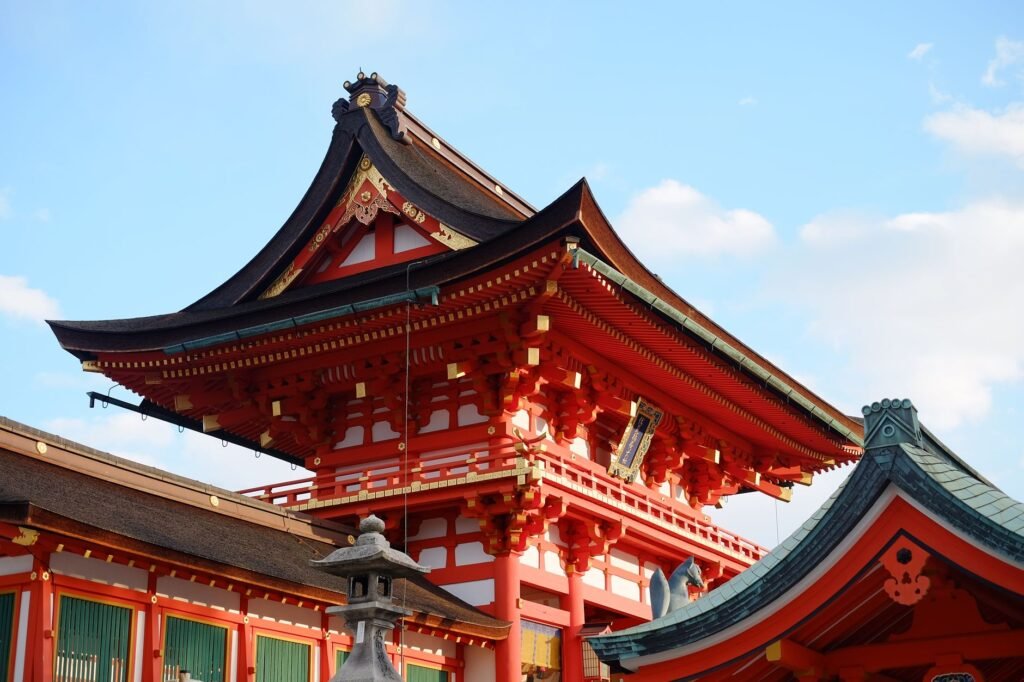
- Visit Historic Temples and Shrines: Japan boasts thousands of temples and shrines, each with its own history and architectural style. Notable sites include the iconic Kinkaku-ji (Golden Pavilion) in Kyoto, the historic Fushimi Inari Taisha with its thousands of vermillion torii gates, and the serene Senso-ji Temple in Tokyo.
- Attend a Traditional Tea Ceremony: Experience the calming ritual of a Japanese tea ceremony. This practice highlights the importance of harmony, respect, purity, and tranquility, often conducted in beautifully designed tea houses.
- Explore Geisha Culture: In Kyoto, visitors can witness geishas in action. Consider attending a traditional performance or even arranging for a tea house visit to engage with these skilled artists.
Illustration of Cultural Engagement
Imagine stepping into a tranquil tea house in Kyoto, where the air is filled with the delicate scent of matcha. You are welcomed by a tea master who guides you through the intricate steps of preparing and serving tea. This experience is not just about the beverage; it’s about understanding the philosophy behind the ritual and appreciating the art of simplicity.
Food Adventures
The culinary landscape of Japan is as diverse as its culture, offering a variety of regional specialties. Here’s a list of must-try foods and where to find them:
- Sushi and Sashimi: Experience fresh sushi at Tsukiji Outer Market in Tokyo or enjoy a traditional sushi meal at a local izakaya.
- Ramen: Each region has its own style; try tonkotsu ramen in Fukuoka or miso ramen in Sapporo. Popular ramen shops often have queues, but the wait is worth it.
- Okonomiyaki: This savory pancake is a specialty of Hiroshima and Osaka. You can even cook it yourself at some restaurants.
Food Festivals
Japan hosts numerous food festivals throughout the year, celebrating seasonal ingredients and regional dishes. Events such as the Tokyo Ramen Show and the Osaka Street Food Festival showcase a variety of local favorites, allowing you to sample flavors from different regions.
Natural Wonders
Japan’s diverse landscapes offer breathtaking natural beauty, perfect for outdoor enthusiasts. Here are some stunning natural sites to explore:
- Mount Fuji: As Japan’s tallest peak, Mount Fuji is an iconic symbol. Hiking to the summit is a popular activity during the climbing season (July to September). Alternatively, view the mountain from nearby lakes or during a scenic train ride.
- National Parks: Visit places like Nikko National Park for its waterfalls and hiking trails or explore the hot springs in Hakone. Each park offers unique landscapes and rich biodiversity.
- Cherry Blossom Viewing: The cherry blossom season in spring attracts visitors from around the world. Popular viewing spots include Ueno Park in Tokyo and the Philosopher’s Path in Kyoto.
Seasonal Activities
Japan’s natural beauty changes with the seasons. Each season offers distinct activities, from skiing in Hokkaido during winter to enjoying beach resorts in Okinawa during summer. Planning your visit around these seasonal highlights can enhance your experience.
Modern Attractions
Japan is not just about tradition; modern attractions also play a significant role in its appeal. Here are some must-see contemporary sites:
- Tokyo Skytree: Standing at 634 meters, this broadcasting and observation tower offers panoramic views of Tokyo. Visiting at sunset provides a stunning backdrop of the city as it lights up.
- TeamLab Borderless: An immersive digital art museum in Tokyo that combines art and technology in breathtaking installations. It’s a unique experience that pushes the boundaries of creativity.
- Universal Studios Japan: Located in Osaka, this theme park features attractions based on popular films and franchises. It’s a great place for family fun and entertainment.
Urban Exploration
Explore the vibrant neighborhoods of Japan’s cities. Areas like Shibuya and Harajuku in Tokyo are known for their fashion and youth culture, while the historic district of Ginza offers high-end shopping and fine dining. Each neighborhood has its own personality and attractions, making city exploration a rewarding experience.

Shopping and Entertainment
Japan is a shopper’s paradise, with everything from high-end boutiques to quirky shops. Here are some shopping experiences you shouldn’t miss:
- Akihabara: Known as the center of anime and otaku culture, Akihabara is filled with stores selling electronics, manga, and collectibles. Be sure to check out the themed cafes.
- Shibuya 109: A trendy shopping mall in Shibuya, popular among young shoppers. It features numerous fashion boutiques and shops that cater to current trends.
- Local Markets: Don’t miss out on local markets like Nishiki Market in Kyoto, where you can sample street food and buy local crafts.
Nightlife Options
Japan’s nightlife is diverse, ranging from casual izakayas to vibrant nightclubs. In cities like Tokyo and Osaka, you can find bars and clubs that cater to every taste. Consider visiting a themed bar, such as a ninja or robot-themed bar for a unique experience.
Traditional Festivals and Celebrations
Cherry Blossom Festivals
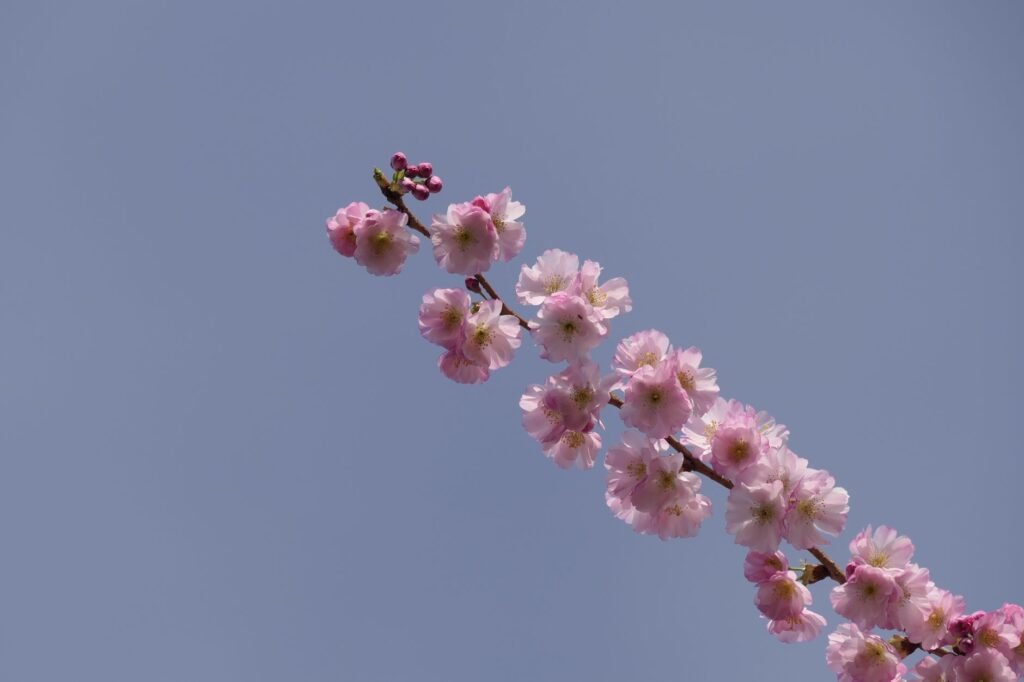
One of the most iconic experiences in Japan is participating in the cherry blossom festivals, or Hanami. These events take place in early spring, typically from late March to early April, when cherry trees burst into bloom. Locals and tourists alike gather in parks, such as Ueno Park in Tokyo and Maruyama Park in Kyoto, to enjoy picnics under the breathtaking pink blossoms. The atmosphere is filled with joy, celebration, and the beauty of fleeting moments.
During these festivals, you can not only admire the flowers but also indulge in traditional foods such as sakura mochi, a sweet rice cake wrapped in a cherry leaf. Many parks host performances including traditional music and dance, making it an immersive cultural experience. Remember to check the sakura forecast to catch the blooms at their peak.
- Visit popular spots like Shinjuku Gyoen and Nara Park.
- Participate in local tea ceremonies held during the festivities.
- Capture stunning photographs of the cherry blossoms in full bloom.
Gion Matsuri in Kyoto
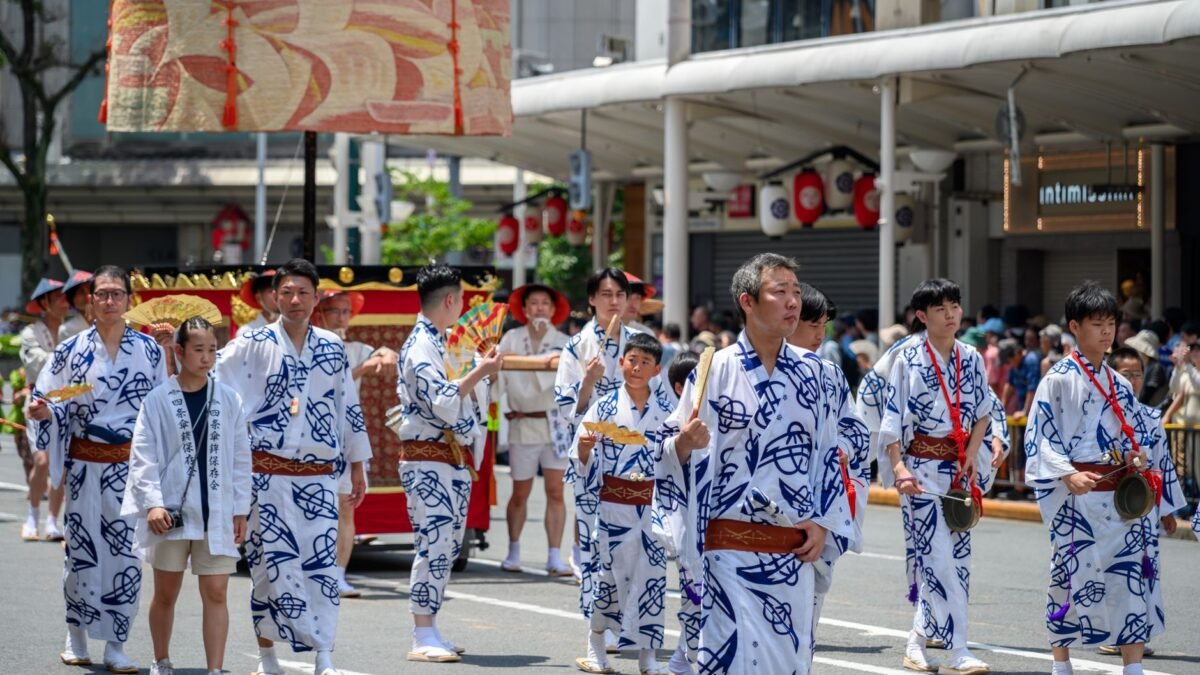
The Gion Matsuri, held in July, is one of Japan’s most famous festivals and offers a deep dive into ancient traditions. This month-long celebration features stunning processions of floats, known as yamaboko, beautifully decorated and pulled through the streets. The main event occurs on July 17th, when the floats parade through Kyoto, showcasing intricate craftsmanship and historical significance.
In addition to the floats, Gion Matsuri includes numerous smaller events, such as street parties, traditional music performances, and food stalls offering local delicacies. Attending this festival provides a unique opportunity to witness the rich cultural heritage of Kyoto, with many locals dressed in traditional yukata. Make sure to explore the small alleyways of Gion, where you might catch glimpses of geisha preparing for the festivities.
- Try local foods like yudofu (tofu hot pot) and kyo-wagashi (Kyoto sweets).
- Visit the Yasaka Shrine, the festival’s main venue.
- Attend the pre-festival events for an insider’s view.
O-Bon Festival
The O-Bon festival, celebrated in mid-August, is a time to honor the spirits of ancestors. This deeply spiritual event involves various traditional practices, including the lighting of lanterns to guide spirits back to their resting places. Many towns and cities across Japan celebrate O-Bon, with each region showcasing its own unique customs and styles of celebration.
During O-Bon, you can witness Bon Odori, a traditional dance performed to welcome spirits. Visitors can join in the dancing, which takes place in public squares and parks, creating a communal atmosphere. Street stalls during the festival offer seasonal treats like dango (sweet rice dumplings) and watermelon, making it a delightful experience for food lovers.
- Participate in local Bon Odori dances.
- Visit temples and shrines for memorial services.
- Experience the lantern lighting ceremonies, often held at rivers or beaches.
Historical Landmarks Beyond the Famous Sites
Hiroshima Peace Memorial Park
The Hiroshima Peace Memorial Park is a poignant reminder of the effects of war and a symbol of peace. Established in 1954, the park commemorates the victims of the atomic bombing in 1945. Visitors can explore various monuments, including the Atomic Bomb Dome, which stands as a powerful testament to resilience.
The park features several museums that provide in-depth narratives about the events and the importance of peace. The Children’s Peace Monument, with its colorful origami cranes, highlights the hope for a peaceful future. A visit to Hiroshima encourages reflection and understanding, making it a significant stop for history enthusiasts.
- Spend time at the Hiroshima Peace Memorial Museum.
- Explore the beautiful gardens that surround the memorials.
- Attend peace activities and events held throughout the year.
Himeji Castle
Designated as a UNESCO World Heritage Site, Himeji Castle is one of Japan’s most magnificent castles and a prime example of feudal architecture. Known as the “White Heron Castle” due to its stunning white exterior, Himeji Castle offers visitors an opportunity to step back in time. The castle’s design features intricate wooden structures, defensive moats, and beautiful gardens.
Visitors can explore the castle grounds and climb to the top for panoramic views of the city. The surrounding area also has a beautiful landscape, especially during cherry blossom season. A guided tour can provide additional insights into the castle’s history and the samurai culture it represents.
- Take a guided tour to learn about the castle’s history.
- Visit the Kokoen Garden nearby for a tranquil escape.
- Explore the castle’s impressive defense systems and architecture.
Shuri Castle
Located in Okinawa, Shuri Castle is a UNESCO World Heritage Site that reflects the unique culture of the Ryukyu Kingdom. The castle has a distinct architectural style that combines influences from Japan, China, and Southeast Asia. Although the original structure was destroyed during World War II, the castle has been reconstructed and now serves as a cultural symbol and important tourist attraction.
Visitors can explore the castle grounds, which include several beautifully restored buildings and gardens. The castle also hosts cultural performances showcasing traditional Okinawan music and dance. Be sure to visit the on-site museum, which offers insights into the history and significance of the Ryukyu Kingdom.
- Learn about the Ryukyu culture through exhibits.
- Attend traditional performances held in the castle courtyard.
- Enjoy panoramic views of Naha and the surrounding area from the castle.
Unique Accommodations and Experiences
Staying in a Ryokan
For an authentic Japanese experience, consider staying in a ryokan, a traditional inn that offers a glimpse into Japan’s rich hospitality culture. Ryokans typically feature tatami-matted rooms, futon bedding, and communal baths, often fed by natural hot springs, or onsen. Many ryokans also serve kaiseki meals, a multi-course dining experience that highlights seasonal and local ingredients.
Staying in a ryokan allows visitors to enjoy the tranquil atmosphere, often set in scenic locations, such as near mountains or along the coast. The attentive service, known as omotenashi, ensures that guests feel pampered throughout their stay. Be sure to book in advance, as popular ryokans can fill up quickly, especially during peak travel seasons.
- Experience a traditional tea ceremony within the ryokan.
- Enjoy a relaxing soak in the onsen.
- Try seasonal kaiseki cuisine prepared by skilled chefs.
Capsule Hotels
For a unique and budget-friendly accommodation option, consider staying in a capsule hotel. Originating in Osaka in the late 1970s, capsule hotels provide individual sleeping pods, offering a minimalist space for travelers. These hotels are popular among young backpackers and business travelers looking for a convenient place to rest.
Capsule hotels often feature shared facilities such as bathrooms, lounges, and even dining areas. Many modern capsule hotels also provide amenities like free Wi-Fi, charging stations, and locker services. While the experience is different from a traditional hotel, it offers a glimpse into Japan’s innovative approach to hospitality.
- Check out themed capsule hotels for a unique experience.
- Utilize shared spaces to meet fellow travelers.
- Enjoy the efficiency of compact living spaces.
Farm Stays
For those seeking an immersive rural experience, consider a farm stay in Japan. These stays allow visitors to connect with local farmers, learn about traditional agricultural practices, and enjoy fresh, home-cooked meals made from ingredients grown on-site. Farm stays can be found in various regions, including Hokkaido and the rural areas of Honshu.
Activities during a farm stay may include rice planting, vegetable harvesting, or even participating in seasonal festivals. This experience not only provides a unique perspective on Japanese culture but also fosters a deeper appreciation for the land and its people. Many farm stays also offer cozy accommodations, allowing you to fully enjoy the tranquil countryside.
- Participate in hands-on farming activities.
- Enjoy cooking classes featuring local ingredients.
- Experience the beauty of rural Japan, away from the city hustle.
Frequently Asked Questions
What is the best time to visit Japan?
The best time to visit Japan generally falls during spring (March to May) and autumn (September to November) when the weather is mild and the landscapes are particularly beautiful, featuring cherry blossoms and autumn foliage.
Is it expensive to travel in Japan?
Japan can be perceived as expensive, but costs vary depending on your travel style. Budget travelers can find reasonably priced accommodations and meals, especially if they explore local eateries and utilize public transport.
How can I get around in Japan?
Japan has an efficient public transportation system, including trains, subways, and buses. The Shinkansen (bullet train) is a popular option for long-distance travel. Tickets can be purchased at stations or online.
Do I need a visa to travel to Japan?
Visa requirements vary by nationality. Many travelers can enter Japan for short stays without a visa. However, it is essential to check the latest regulations based on your country before traveling.
The Bottom Line
Japan offers a unique blend of tradition and modernity, providing countless experiences for travelers. From cultural immersion and culinary delights to stunning natural wonders and vibrant city life, the top things to do in Japan cater to a wide range of interests. Planning your itinerary around these highlights will ensure a memorable trip filled with diverse experiences.