Key Takeaways
- India is home to diverse temples reflecting rich heritage.
- Understand the architectural styles of different regions.
- Plan visits around festivals for vibrant experiences.
- Respect local customs and dress codes when visiting.
India is a land of spirituality and rich cultural heritage, where temples play an integral role in the lives of millions. From the intricate carvings of ancient structures to the serene ambiance of modern places of worship, the top temples in India offer a glimpse into the country’s diverse religious practices and artistic expressions. This guide will explore some of the most notable temples across India, providing insights into their significance, architecture, and tips for visiting.
Each temple tells a story that reflects the history and beliefs of the region. Travelers seeking to explore these sacred sites will not only witness breathtaking architecture but also experience the vibrant traditions that come alive during festivals and rituals. Whether you are a history enthusiast, architecture lover, or simply curious about Indian culture, discovering these temples can be an enriching journey.
In this guide, we will highlight several renowned temples, detailing their unique features, historical context, and practical advice for travelers. So, let’s embark on this spiritual and cultural exploration of India’s top temples.
1. Varanasi: Kashi Vishwanath Temple
Located in the spiritual heart of India, the Kashi Vishwanath Temple in Varanasi is one of the most important Hindu temples dedicated to Lord Shiva. The temple’s golden spire and exquisite architecture attract millions of pilgrims and tourists each year. The temple complex, situated on the banks of the Ganges River, is not just a religious site but also a significant cultural hub.
The temple’s history dates back to ancient times, with its most recent structure built in the 18th century. The intricate carvings and sculptures that adorn the temple are a testament to the artistry of the period. Visitors can partake in the daily rituals, including the Ganga Aarti, which is a mesmerizing experience that showcases the spiritual connection between the river and the temple.
When visiting, it is essential to dress modestly and respect the local customs. Photography inside the temple is often prohibited, so be sure to check the rules before your visit. The best time to experience the temple is during the Maha Shivaratri festival, when the atmosphere is vibrant with devotees and festivities.
2. Jaipur: Birla Mandir
The Birla Mandir in Jaipur, also known as the Laxmi Narayan Temple, is a stunning white marble structure dedicated to Lord Vishnu and Goddess Laxmi. Built in the 20th century, this temple combines modern architectural techniques with traditional Indian designs, making it a unique site to visit. The temple is set against the backdrop of the Aravalli hills, providing a picturesque setting.
One of the most striking features of Birla Mandir is its intricate carvings that depict various deities and scenes from Hindu mythology. The serene ambiance and the beautifully lit temple at night create a tranquil atmosphere for visitors. The temple is open to all, regardless of religion, promoting a message of unity and harmony.
For a complete experience, plan your visit during the evening when the temple is beautifully illuminated. The temple grounds also host a small garden where visitors can relax and soak in the peaceful surroundings. It is advisable to check local timings as they may vary, especially during festivals.
3. Madurai: Meenakshi Amman Temple
The Meenakshi Amman Temple in Madurai is a breathtaking example of Dravidian architecture and is dedicated to Goddess Meenakshi, an incarnation of Parvati. The temple is renowned for its towering gopurams (gateway towers) adorned with thousands of colorful sculptures, making it one of the most photographed temples in India.
This temple has a rich history, thought to have been originally constructed around 2500 years ago, with many additions over the centuries. The temple complex is vast, featuring numerous halls, shrines, and a sacred pond. Visitors can witness daily rituals and ceremonies that have been performed for centuries, immersing themselves in the local culture.
Madurai is especially vibrant during the annual Meenakshi Tirukalyanam festival, which celebrates the divine marriage of Meenakshi and Lord Shiva. Travelers should be mindful of the temple’s dress code, which requires modest attire, and be respectful of the religious practices observed within.
4. Mumbai: Siddhivinayak Temple
The Siddhivinayak Temple in Mumbai is one of the most famous temples dedicated to Lord Ganesha. Established in 1801, this temple attracts thousands of devotees daily, including many celebrities and prominent figures. The temple’s architecture is a blend of Hindu and Islamic styles, with a striking wooden entrance and a dome that is beautifully decorated.
Visitors come here to seek blessings from Lord Ganesha, especially before important life events such as weddings or business ventures. The temple is particularly busy during the festival of Ganesh Chaturthi, when elaborate celebrations and processions take place throughout the city.
Those planning to visit should arrive early in the morning to avoid long queues. Photography may not be allowed inside the temple premises, so it’s recommended to focus on experiencing the spiritual atmosphere rather than capturing images.
5. Khajuraho: Western Group of Temples
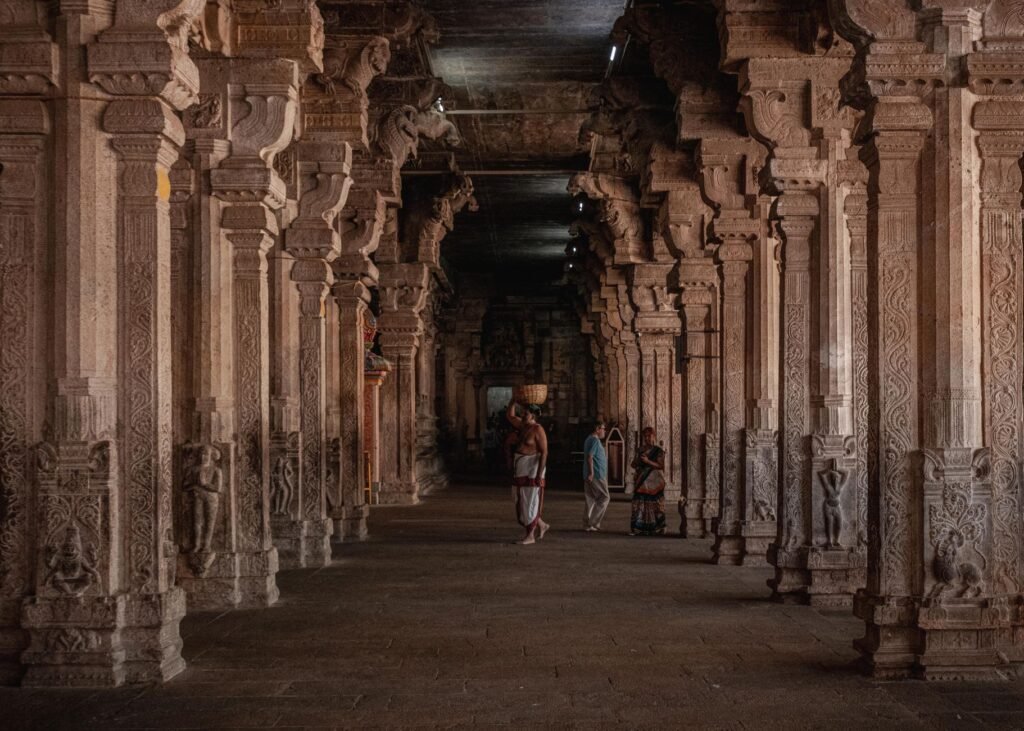
Famous for their stunning erotic sculptures, the Western Group of Temples in Khajuraho is a UNESCO World Heritage Site and showcases the artistic brilliance of medieval India. These temples, built between 950 and 1050 AD, were constructed by the Chandela dynasty and feature intricate carvings that depict various aspects of life, love, and spirituality.
The most notable temple in this group is the Kandariya Mahadeva Temple, dedicated to Lord Shiva. The architecture is characterized by its tall spire and elaborate sculptures that tell stories from Hindu mythology. Visitors are encouraged to take guided tours to fully appreciate the symbolism and artistry of these historic structures.
Khajuraho hosts a dance festival every February, where classical dancers perform against the backdrop of these magnificent temples, offering a unique cultural experience. Travelers should plan their visit accordingly to witness this spectacular event.
6. Rishikesh: Trimbakeshwar Temple
Rishikesh, known as the yoga capital of the world, is also home to the Trimbakeshwar Temple, dedicated to Lord Shiva. This ancient temple is situated on the banks of the Ganges and is revered by pilgrims who come to seek spiritual solace and participate in yoga and meditation retreats.
The temple features a unique architecture style that incorporates elements of both Hindu and local design. Visitors can engage in various spiritual practices, including Ganga Aarti, which is performed every evening and draws large crowds. The serene environment of Rishikesh enhances the spiritual experience, making it a perfect destination for those looking to combine temple visits with wellness activities.
When visiting Trimbakeshwar Temple, be prepared for a peaceful yet crowded atmosphere, especially during the evening Aarti. It’s advisable to arrive early to secure a good spot for viewing the ceremony. Given Rishikesh’s popularity, accommodations can fill up quickly, so planning ahead is essential.
Temples of South India: A Cultural Odyssey
1. Tirupati: Sri Venkateswara Temple
The Sri Venkateswara Temple, located in Tirupati, Andhra Pradesh, is one of the most revered pilgrimage sites in India. Dedicated to Lord Venkateswara, an incarnation of Lord Vishnu, this temple draws millions of devotees each year, making it one of the richest temples globally. The temple’s architecture is a stunning example of Dravidian style, with intricately carved pillars and a towering gopuram (gateway).
Visitors should anticipate a unique experience, from the bustling crowds to the melodious chants that fill the air. One of the temple’s unique features is the practice of ‘tondaratti’ or hair offering, where devotees shave their heads as a mark of devotion. This ritual not only signifies surrender but also supports local charities through the sale of the hair.
- Location: Tirumala Hills, Andhra Pradesh
- Best Time to Visit: September to February
- Dress Code: Traditional attire is recommended
2. Thanjavur: Brihadeeswarar Temple
Brihadeeswarar Temple, also known as Periya Kovil, is located in Thanjavur, Tamil Nadu, and is a UNESCO World Heritage Site. Built in the 11th century by Chola Emperor Rajaraja Chola I, this temple is a masterpiece of Tamil architecture. The temple’s massive granite structure is adorned with detailed sculptures and paintings, showcasing the rich artistic heritage of the Chola dynasty.
The temple’s main sanctum houses a 2.5-meter tall statue of Lord Shiva, made entirely of granite. Visitors can explore the temple complex, which includes various shrines, a large courtyard, and a magnificent Nandi statue. The temple’s towering vimana (temple tower) is one of the tallest in the world, providing a stunning view of the surrounding area.
- Location: Thanjavur, Tamil Nadu
- Best Time to Visit: November to March
- Must-See Features: The giant Nandi statue and the exquisite frescoes
3. Kanchipuram: Ekambareswarar Temple
Ekambareswarar Temple, located in Kanchipuram, Tamil Nadu, is one of the Pancha Bhoota Sthalams, representing the element of earth. Dedicated to Lord Shiva, this temple is known for its impressive architecture and spiritual significance. The temple complex spans over 25 acres and features a massive 57-meter tall gopuram, making it one of the tallest in Tamil Nadu.
A unique aspect of Ekambareswarar Temple is its ancient mango tree, which is believed to be over 3,500 years old. According to legend, the tree bears four different types of mangoes, symbolizing the four Vedas. Visitors can partake in various rituals and witness the temple’s vibrant festivals, particularly during the Tamil month of Panguni, which attracts thousands of devotees.
- Location: Kanchipuram, Tamil Nadu
- Best Time to Visit: October to March
- Interesting Fact: The temple hosts a grand festival every year in honor of Lord Shiva
Temples of North India: Spiritual Heritage
1. Amritsar: Golden Temple
The Golden Temple, or Harmandir Sahib, located in Amritsar, Punjab, is the holiest gurdwara of Sikhism. The stunning structure, adorned with gold leaf, is surrounded by a tranquil lake that reflects its majestic architecture. The temple serves as a symbol of equality and brotherhood, welcoming people of all faiths.
The temple complex features beautiful marble inlays and intricate carvings. One of the main attractions is the Langar, a community kitchen serving free meals to thousands of visitors daily, emphasizing the Sikh principle of selfless service. Visitors should also take time to participate in the evening ceremony, known as Palki Sahib, which involves the procession of the Guru Granth Sahib.
- Location: Amritsar, Punjab
- Best Time to Visit: October to March
- Key Highlights: The serene lake, golden architecture, and community kitchen
2. Haridwar: Har Ki Pauri
Har Ki Pauri, located in Haridwar, Uttarakhand, is a sacred ghat on the banks of the Ganges River. It is one of the most significant pilgrimage sites for Hindus, especially during the Kumbh Mela festival. The name translates to ‘Footsteps of God’, signifying its spiritual importance.
The ghat is famous for the Ganga Aarti ceremony, which takes place every evening, attracting large crowds. Devotees gather to witness the ritual of floating lamps and chanting of hymns, creating a mesmerizing atmosphere. Visitors can also take a dip in the holy waters, believed to cleanse them of sins.
- Location: Haridwar, Uttarakhand
- Best Time to Visit: September to April
- Must-Experience: Evening Ganga Aarti ceremony
3. Agra: Itmad-ud-Daula’s Tomb
Often referred to as the ‘Baby Taj’, Itmad-ud-Daula’s Tomb is located in Agra, Uttar Pradesh, and is notable for its intricate marble inlay work. Built by Nur Jahan in memory of her father, this tomb is considered a precursor to the Taj Mahal and showcases exquisite Mughal architecture.
The tomb is adorned with precious stones and features lush gardens, making it a serene spot for visitors. The intricate carvings and detailed floral motifs reflect the artistic brilliance of the Mughal era. A visit to this site provides insight into the personal stories and historical context surrounding the Mughal dynasty.
- Location: Agra, Uttar Pradesh
- Best Time to Visit: October to March
- Don’t Miss: The intricate marble inlay work and surrounding gardens
Frequently Asked Questions
What should I wear when visiting temples in India?
When visiting temples, it is advisable to wear modest clothing that covers the shoulders and knees. Many temples enforce dress codes, so it’s best to check local customs before your visit.
Are there any entry fees for temples?
Most temples in India do not charge an entry fee, but some may have fees for specific areas or special ceremonies. It’s always best to inquire locally.
Can I take photos inside the temples?
Photography policies vary by temple. While some allow photography in certain areas, others prohibit it entirely. Always check the rules before taking photos.
What is the best time to visit temples in India?
The best time to visit temples is during early morning or late afternoon to avoid crowds and enjoy cooler temperatures. Visiting during festivals can also provide a unique experience.
The Bottom Line
India’s top temples offer a unique blend of spirituality, history, and architecture, providing travelers with enriching experiences. From the vibrant rituals in Varanasi to the artistic marvels in Khajuraho, each temple has its story to tell. Planning your visits around local customs and festivals can further enhance your journey through these sacred spaces.