Key Takeaways
- Discover China's rich history through its landmarks.
- Experience diverse cultural activities across cities.
- Explore natural wonders and scenic landscapes.
- Get practical travel tips for navigating China.
China, a vast and diverse country, offers travelers an array of experiences that span its rich history, vibrant culture, and stunning landscapes. From bustling cities to serene countryside, the top things to do in China showcase both its ancient heritage and modern advancements. Planning a trip to this remarkable destination can be overwhelming, but knowing the must-see attractions and activities can make your journey easier and more enjoyable.
This guide will provide you with insightful information on the top things to do in China, offering practical tips and ideas for various interests, whether you’re a history buff, foodie, or nature lover. Each section will focus on specific activities and attractions, ensuring you have a comprehensive understanding of what China has to offer.
As you embark on this adventure, consider the time of year, your interests, and how much time you have to explore. Whether you plan to visit the iconic landmarks or discover hidden gems, this guide will be your companion in navigating the best experiences China has to offer.
Iconic Landmarks to Visit
China is home to some of the most iconic landmarks in the world, each telling a story of its past and culture. Visiting these sites not only enriches your travel experience but also provides opportunities for reflection and appreciation of human achievement.
The Great Wall of China
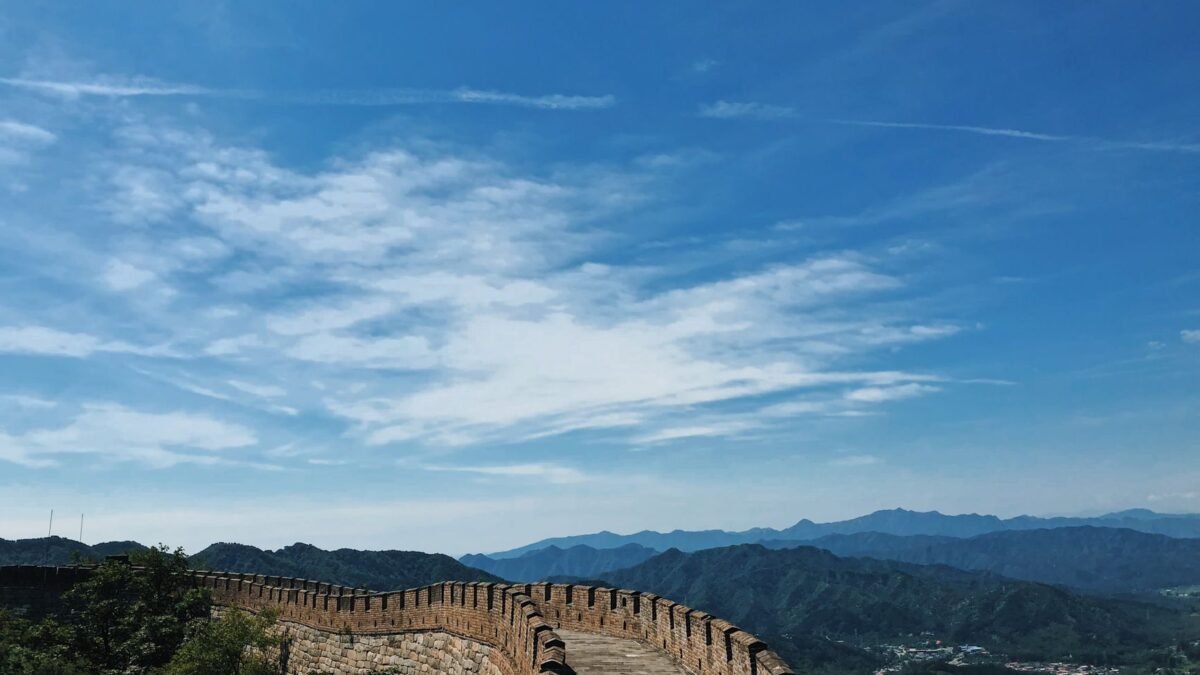
No trip to China is complete without a visit to the Great Wall. Stretching over 13,000 miles, this ancient fortification is a marvel of engineering. Popular sections for visitors include Badaling and Mutianyu, both easily accessible from Beijing. At these locations, you can walk along the well-preserved wall and enjoy breathtaking views of the surrounding landscapes.
For a less crowded experience, consider visiting Jinshanling or Simatai. These sections offer stunning scenery and a more authentic feel, allowing you to appreciate the wall’s historical significance without the throngs of tourists.
The Forbidden City
Located in Beijing, the Forbidden City is a sprawling complex that served as the imperial palace for the Ming and Qing dynasties. This UNESCO World Heritage site features stunning architecture, intricate designs, and a vast collection of historical artifacts. Spend several hours exploring the courtyards, halls, and gardens, immersing yourself in the rich history of Chinese emperors.
To enhance your visit, consider joining a guided tour that provides in-depth insights into the significance of various buildings and artifacts. Early morning visits can help you avoid crowds and make for a more enjoyable experience.
The Terracotta Army
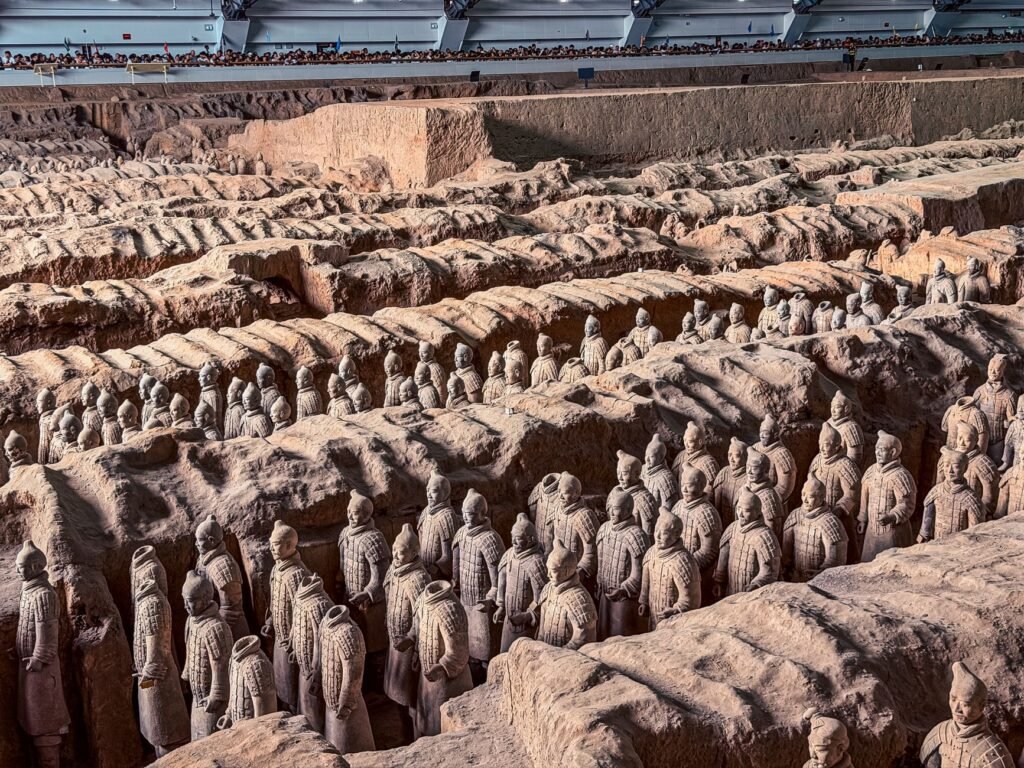
Discovered in 1974 near Xi’an, the Terracotta Army is an archaeological marvel consisting of thousands of life-sized clay soldiers, horses, and chariots buried with China’s first emperor, Qin Shi Huang. The site offers a glimpse into ancient Chinese burial practices and military organization. Each figure is unique, showcasing intricate details that reflect the craftsmanship of the time.
When visiting, allow ample time to explore the three main pits, as well as the museum displaying artifacts related to the site. Guided tours are recommended for comprehensive insights into the significance of the Terracotta Army and its historical context.
Cultural Experiences
Experiencing China’s rich culture can deepen your understanding of its people and traditions. Engage in activities that allow you to immerse yourself in the local way of life, from culinary delights to traditional performances.
Culinary Adventures
Chinese cuisine is renowned worldwide for its variety and flavors. Each region boasts its own specialties, making food a central part of the cultural experience. In cities like Chengdu, known for its spicy Sichuan dishes, you can join a cooking class to learn how to prepare authentic meals. Street food markets are also a great way to sample local delicacies, from dumplings to spicy skewers.
In Beijing, don’t miss the chance to try Peking Duck, a dish famous for its crispy skin and flavorful meat. Many restaurants offer a dining experience that includes the preparation and serving of the duck, adding an interactive element to your meal.
Traditional Performances
Witnessing traditional Chinese performances can be a highlight of your trip. Cities like Beijing and Shanghai host various shows, including Peking opera and acrobatics. Peking opera is a unique blend of music, vocal performance, and elaborate costumes that convey historical tales and folklore. The Beijing Opera House often features performances that cater to both locals and tourists.
In Shanghai, the Shanghai Circus World offers an extraordinary acrobatic show that showcases the talents of performers who have trained for years. The combination of breathtaking stunts and stunning visuals makes for an unforgettable experience.
Tea Culture
Tea is an integral part of Chinese culture, and experiencing a traditional tea ceremony can be both enlightening and enjoyable. Cities like Hangzhou, famous for its Longjing (Dragon Well) tea, offer tea plantation tours where you can learn about the tea-making process and sample various types. Participating in a tea tasting event or ceremony allows you to appreciate the flavors and traditions associated with this revered beverage.
Consider visiting a local tea house, where you can enjoy traditional teas while learning about their health benefits and cultural significance. Many tea houses also offer opportunities to purchase high-quality teas to take home.
Natural Wonders
China’s diverse landscapes include mountains, rivers, and stunning natural formations that are perfect for outdoor enthusiasts. Exploring these natural wonders allows you to appreciate the country’s beauty while participating in various activities.
Li River and Guilin
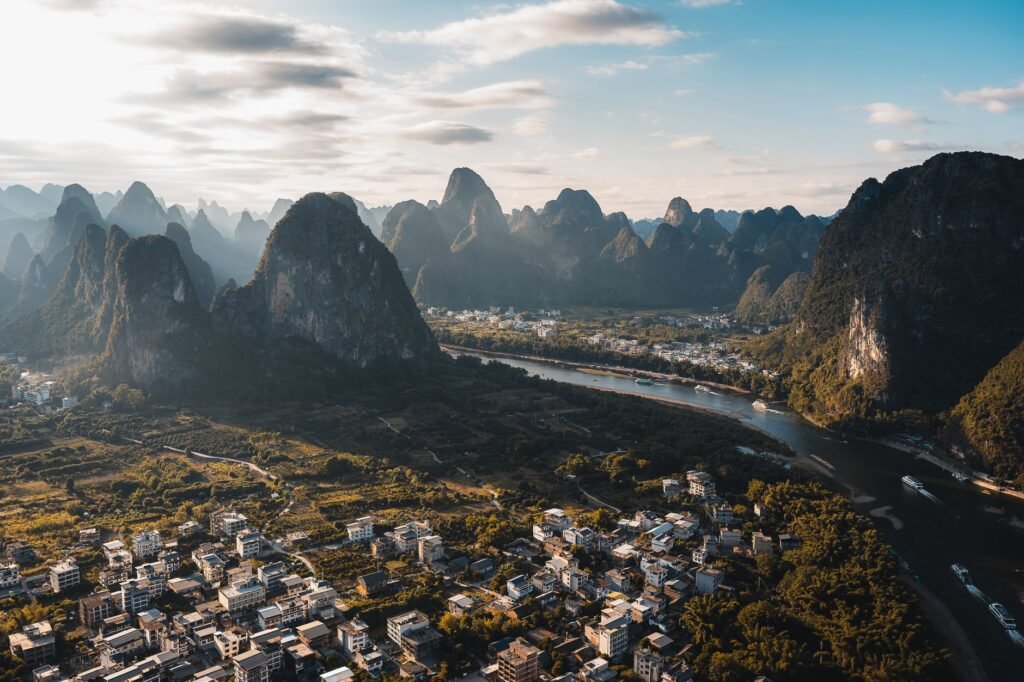
The Li River, with its dramatic karst mountain scenery, is one of the most picturesque locations in China. A cruise along the river from Guilin to Yangshuo offers breathtaking views of limestone peaks, rice paddies, and traditional fishing villages. Many travelers choose to take a bamboo raft ride for a more intimate experience with the landscape.
In Yangshuo, outdoor activities abound, including hiking, biking, and rock climbing. The surrounding countryside is dotted with stunning vistas, making it an ideal spot for photography and nature walks.
Jiuzhaigou Valley
Located in Sichuan Province, Jiuzhaigou Valley is a UNESCO World Heritage site famous for its colorful lakes, waterfalls, and snow-capped peaks. The area is home to diverse flora and fauna, making it a paradise for nature lovers and photographers. Hiking trails wind through the valley, allowing visitors to immerse themselves in its stunning scenery.
To make the most of your visit, consider spending at least a full day exploring the park. During peak seasons, it’s advisable to arrive early to avoid crowds and enjoy the tranquility of this natural wonder.
Zhangjiajie National Forest Park
Zhangjiajie National Forest Park is renowned for its towering sandstone pillars, which inspired the floating mountains in the movie Avatar. The park offers numerous trails and a glass bridge that provides stunning views of the surrounding landscape. The famous Tianmen Mountain, with its skywalk and cable car, offers another breathtaking perspective of the area.
For an adventurous experience, consider hiking the trails or taking the cable car to the summit. Be prepared for varying weather conditions and wear appropriate footwear for hiking.
Shopping and Markets
Shopping in China can be an exciting experience, with options ranging from high-end boutiques to bustling street markets. Engaging in the local shopping culture allows you to find unique souvenirs and gifts while interacting with local vendors.
Silk Markets
Silk is one of China’s most famous exports, and visiting a silk market is a must for those interested in textiles. Markets in cities like Beijing and Shanghai offer a vast array of silk products, including clothing, scarves, and bedding. Many vendors can custom-make items based on your preferences.
When shopping in silk markets, be prepared to negotiate prices. It’s common to haggle, and doing so can lead to significant savings. Take your time to explore various stalls and compare quality and prices before making a purchase.
Local Street Markets
Street markets are ideal for experiencing local life and cuisine. Markets in cities like Chengdu and Guangzhou offer a variety of goods, from fresh produce to handicrafts. Visiting these markets allows you to sample street food, chat with vendors, and find unique items that reflect the culture of the region.
Be mindful of hygiene when trying street food, and choose vendors that are popular among locals. This can be an indicator of quality and safety.
Antique Markets
For those interested in history and collectibles, visiting antique markets can be a treasure hunt. Cities like Beijing and Shanghai have vibrant antique markets where you can find everything from ancient coins to furniture. Browsing through the stalls offers insight into the country’s past and the opportunity to acquire unique items.
As with other markets, haggling is expected, and it’s wise to do some research on the value of items before making a purchase. This ensures you’re getting a fair deal.
Practical Travel Tips
Traveling in China can be a rewarding experience, but it also comes with its challenges. Being well-prepared can help you navigate the country more smoothly and ensure a more enjoyable trip.
Language Considerations
Mandarin is the official language in China, and while many younger people in urban areas may speak some English, it’s not universally understood. Learning a few basic phrases in Mandarin can enhance your experience, as locals appreciate the effort. Consider downloading translation apps or carrying a phrasebook for assistance.
Transportation Options
China has an extensive transportation network that includes high-speed trains, subways, and buses. The high-speed rail system is convenient for traveling between major cities, with tickets available online or at train stations. In cities, subways are efficient and cost-effective for getting around. Taxis and ride-sharing services are also widely available, but be prepared for potential language barriers when communicating with drivers.
Health and Safety
While China is generally safe for travelers, it’s essential to take standard precautions. Keep your belongings secure and be aware of your surroundings, especially in crowded areas. In terms of health, ensure you have travel insurance that covers medical emergencies. It’s advisable to drink bottled water and be cautious with street food to avoid gastrointestinal issues.
Local Cuisine to Savor
Regional Specialties
China’s culinary landscape is as diverse as its geography. Each region boasts its own unique flavors and cooking techniques. For instance, Sichuan cuisine is famous for its bold use of spices and the numbing heat of Sichuan peppercorns, while Cantonese dishes focus on fresh ingredients and subtle flavors. Don’t miss trying dishes like Peking duck in Beijing or dim sum in Guangdong.
Street Food Adventures
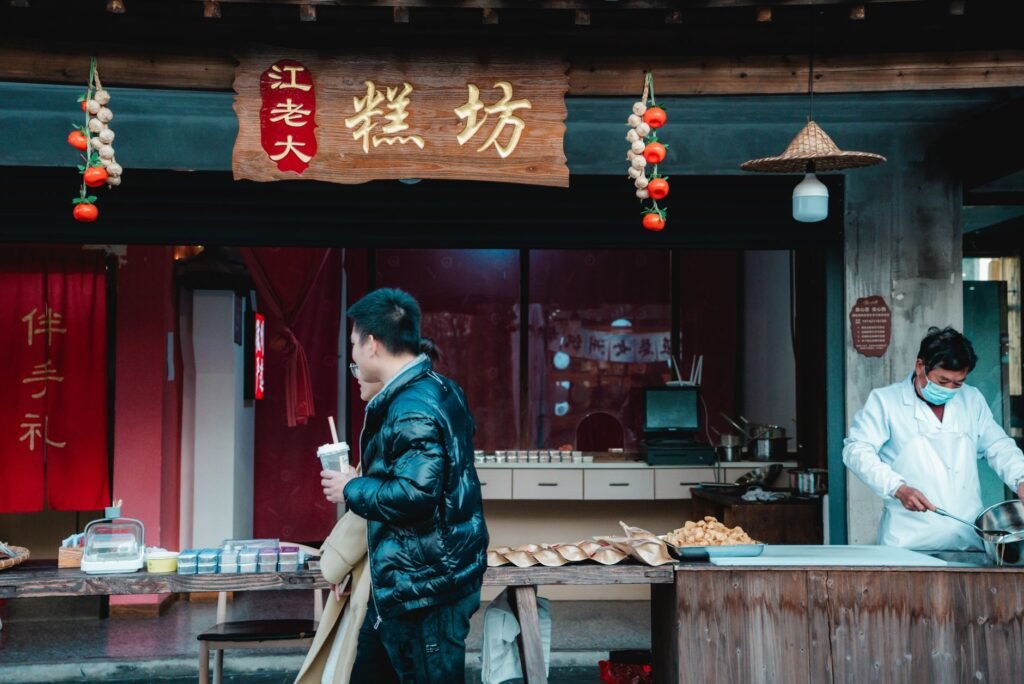
If you want to dive into the local culture, street food is a must-try. Cities like Xi’an and Chengdu offer bustling night markets where you can sample a variety of local snacks. Popular street foods include jianbing (Chinese crepes), baozi (steamed buns), and skewered meats. Be sure to explore different stalls to discover hidden gems and regional specialties.
Tea Culture
Tea is an integral part of Chinese culture. A visit to China wouldn’t be complete without experiencing a traditional tea ceremony. Different regions produce various types of tea, such as green tea from Hangzhou and oolong tea from Fujian. Consider visiting a local teahouse where you can learn about tea preparation while tasting different varieties. Don’t forget to explore the local tea markets for authentic products to take home.
Festivals and Celebrations
Major Festivals
China is home to numerous vibrant festivals throughout the year, each with its own unique traditions and celebrations. The Chinese New Year, or Spring Festival, is the most significant event, featuring family reunions, fireworks, and lion dances. Other notable festivals include the Lantern Festival, which marks the end of the New Year celebrations, and the Mid-Autumn Festival, where families gather to enjoy mooncakes and admire the full moon.
Cultural Performances
Attending a local performance can provide insight into China’s rich cultural heritage. Traditional operas, such as Peking opera, showcase elaborate costumes, dramatic storytelling, and skilled performances. You can also experience folk dances, acrobatics, and martial arts displays that highlight China’s artistic traditions. Many cities offer regular performances, especially during festivals.
Religious Celebrations
China’s diverse religions result in unique celebrations worth exploring. For instance, the Tibetan New Year, known as Losar, is a vibrant celebration filled with traditional rituals, colorful costumes, and joyous festivities in Tibet. Visiting temples during significant religious holidays offers travelers a glimpse into the spiritual life of the local communities.
Transportation and Accessibility
Public Transportation Systems
China has an extensive and efficient public transportation system. Major cities like Beijing, Shanghai, and Guangzhou boast advanced subway networks that make it easy to navigate urban areas. Buses and taxis are also widely available. For longer distances, trains are a popular choice, with high-speed rail connecting major cities at remarkable speeds.
Getting Around in Rural Areas
While public transport is excellent in cities, rural areas may require different approaches. Bicycles and scooters are popular for getting around smaller towns. Some areas may also offer shared vans or local buses that connect villages. Always check local schedules as they may not be as frequent as urban services.
Apps and Resources
Utilizing mobile apps can enhance your travel experience in China. Navigation apps like Baidu Maps or Didi Chuxing can help you find your way around cities and book transportation easily. Language translation apps can also bridge communication gaps, making it easier to interact with locals and understand signs. Be sure to download essential apps before your trip to ensure seamless travel.
Frequently Asked Questions
What is the best time to visit China?
The best time to visit China is during the spring (April to June) and fall (September to November) when the weather is mild and pleasant. These seasons also offer fewer crowds at popular tourist sites.
Is it safe to travel in China?
China is generally safe for tourists, with low crime rates. However, it’s wise to stay vigilant, especially in crowded areas, and avoid displaying valuables.
Do I need a visa to visit China?
Most travelers need a visa to enter China. Make sure to apply for the appropriate visa type based on your travel plans well in advance of your trip.
What currency is used in China?
The official currency of China is the Renminbi (RMB), commonly referred to as the yuan (CNY). Credit cards are widely accepted in cities, but it’s advisable to carry cash for small purchases and in rural areas.
The Bottom Line
China offers a wealth of experiences for travelers, from its iconic landmarks and rich cultural experiences to breathtaking natural wonders. Whether you’re exploring the Great Wall, indulging in local cuisine, or shopping in vibrant markets, each moment provides insight into this fascinating country. By following practical travel tips and planning your itinerary carefully, you can ensure an enriching and memorable journey through China.