
Key Takeaways
- Santorini's unique geography offers stunning views.
- Best time to visit is spring or fall for pleasant weather.
- Transportation options include buses, taxis, and rentals.
- Local cuisine is a must-try, especially seafood and wines.
Santorini, one of the Cyclades islands in the Aegean Sea, is renowned for its stunning sunsets, whitewashed buildings, and rich history. This picturesque destination attracts millions of visitors each year, eager to explore its unique landscapes and vibrant culture. Whether you’re planning a romantic getaway, a family vacation, or a solo adventure, there are several essential things to know about Santorini to ensure a memorable trip.
From the best times to visit to local customs and must-see attractions, understanding these key aspects can significantly enhance your travel experience. This guide aims to provide you with practical insights and tips, helping you navigate this beautiful island with ease.
As you prepare for your journey, keep in mind that Santorini is not only about breathtaking views but also about immersing yourself in the local way of life. Knowing what to expect can help you make the most of your stay.
Best Time to Visit Santorini
The ideal time to visit Santorini largely depends on your preferences regarding weather, crowds, and activities. Here’s a breakdown of seasons:
- Spring (April to June): This season is characterized by mild temperatures and blooming landscapes. It’s a great time for outdoor activities such as hiking and exploring archaeological sites. Spring also marks the beginning of the tourist season, so you can expect fewer crowds.
- Summer (July to August): Summer is the peak season in Santorini, attracting large crowds due to warm temperatures and vibrant nightlife. If you enjoy a lively atmosphere and beach parties, this may be your ideal time. However, be prepared for higher prices and limited accommodation availability.
- Fall (September to October): Fall offers pleasant weather with fewer tourists compared to summer. This is a great time for wine tasting and enjoying local festivals. The sea remains warm for swimming, making it a lovely time for beach activities.
- Winter (November to March): While many attractions may close during the winter months, Santorini can be a peaceful retreat during this time. Prices are significantly lower, and you can explore the island without the typical tourist crowds. However, be aware that the weather can be unpredictable.
Getting Around Santorini
Transportation on Santorini is essential for exploring its many attractions. Here are the main options:
- Buses: The island has a reliable public bus system connecting major towns and attractions. Buses are an economical option for travelers, with frequent services during peak season. Make sure to check the schedule locally, as it can vary.
- Taxis: Taxis are available but can be harder to find during peak hours. It’s advisable to book in advance, especially for airport transfers or if you plan to visit more remote areas.
- Car Rentals: Renting a car is a popular way to explore Santorini at your own pace. Many rental companies are available, and it allows you to visit less accessible spots. Be cautious of local driving conditions, which can be challenging due to narrow roads.
- ATVs and Scooters: For a fun and adventurous way to navigate the island, consider renting an ATV or scooter. This option is popular among younger travelers and allows for easy access to beaches and attractions.

Must-See Attractions
Santorini is rich in attractions that cater to various interests. Here are some must-visit places:
- Oia: Famous for its stunning sunsets, Oia is a picturesque village with narrow streets lined with shops, cafes, and art galleries. The iconic blue-domed churches and charming architecture make it a favorite among travelers.
- Fira: The capital of Santorini, Fira offers breathtaking views of the caldera and a vibrant atmosphere. Explore its bustling streets, enjoy the local cuisine, and visit the Archaeological Museum for a glimpse into the island’s history.
- Akrotiri Archaeological Site: This ancient Minoan city, preserved under volcanic ash, offers a fascinating insight into the island’s history. Guided tours are available, allowing you to learn about the significance of this archaeological site.
- Red Beach: Known for its unique red-hued cliffs and crystal-clear waters, Red Beach is a popular spot for sunbathing and swimming. It can be accessed by a short hike, making it a great adventure.
Local Cuisine and Dining
No visit to Santorini is complete without indulging in its local cuisine. Here are some dishes and dining experiences you shouldn’t miss:
- Seafood: Santorini is known for its fresh seafood, particularly grilled octopus and calamari. Many seaside tavernas offer delicious seafood dishes with stunning views of the sunset.
- Fava: This traditional dish made from yellow split peas is a must-try. Often served with olive oil and lemon, it’s a simple yet flavorful starter.
- Tomatokeftedes: These tomato fritters are a local specialty. Made with Santorini’s unique tomatoes, they are crispy on the outside and soft inside, perfect as an appetizer.
- Wine Tours: Santorini’s volcanic soil contributes to its unique wines, particularly Assyrtiko. Consider joining a wine tour to visit local vineyards and taste various wines paired with local dishes.
Cultural Tips and Etiquette
Understanding local customs can enhance your experience in Santorini. Here are some cultural tips to keep in mind:
- Greetings: A friendly greeting goes a long way. Use “Kalimera” (Good Morning) in the daytime and “Kalispera” (Good Evening) in the evening.
- Dining Etiquette: When dining, it’s customary to wait for the host to start the meal before you begin. Tipping is appreciated but not mandatory; rounding up the bill is common.
- Dress Code: While Santorini is generally casual, dress appropriately for religious sites. Cover shoulders and knees when visiting churches or monasteries.
Safety Considerations
While Santorini is generally safe for travelers, it’s wise to take some precautions:
- Health Precautions: Ensure you have travel insurance that covers health emergencies. Healthcare facilities are available on the island, but it’s advisable to bring any necessary medications.
- Personal Safety: Petty crime is rare, but be cautious with your belongings, especially in crowded areas. Use hotel safes for valuables.
- Sun Protection: The sun can be intense, especially in summer. Apply sunscreen regularly, wear a hat, and stay hydrated.
Exploring the Villages of Santorini
Santorini is renowned for its stunning landscapes and iconic architecture, but the island is also home to several charming villages that each offer their own unique atmosphere and experiences. From the bustling streets of Fira to the laid-back vibe of Oia, discovering these villages is essential for a well-rounded trip.
Fira: The Island’s Capital
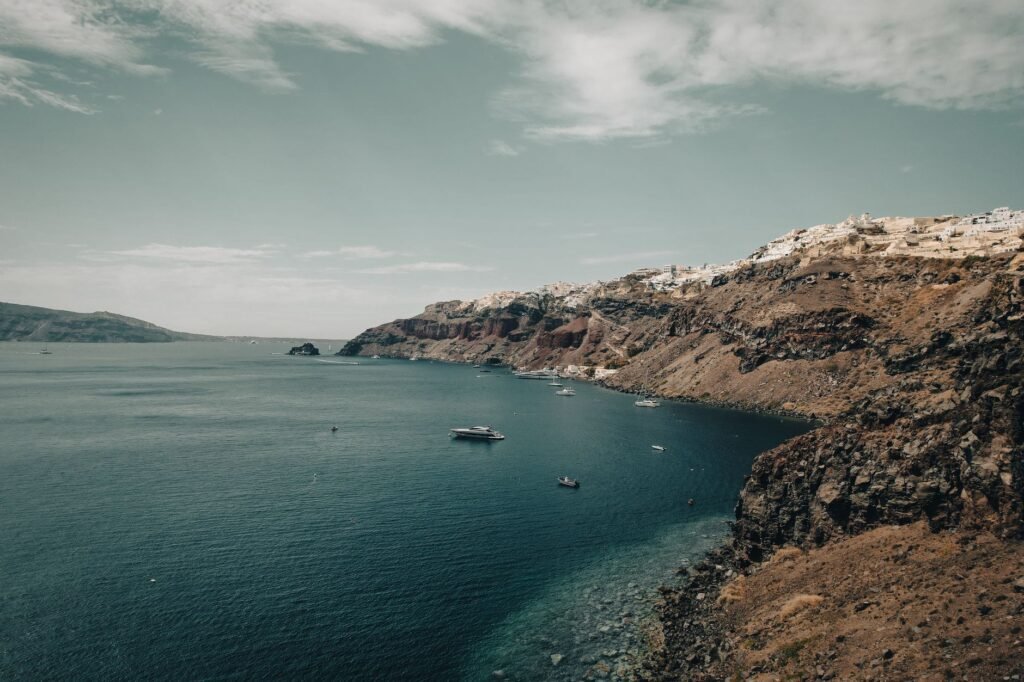
Fira serves as the capital of Santorini and is a bustling hub filled with shops, restaurants, and entertainment options. Perched on the edge of a cliff, it provides breathtaking views of the caldera and the Aegean Sea. Visitors can spend hours wandering through its narrow streets, exploring boutiques that sell local crafts and jewelry, or enjoying a coffee at one of the many cafes.
- Visit the Archaeological Museum of Thera to learn about the island’s ancient history.
- Catch the sunset from the cable car station for a stunning view.
- Explore the vibrant nightlife with various bars and clubs.
Oia: The Picturesque Village
Oia is famous for its stunning sunsets and whitewashed buildings with blue domes. It is a quieter village compared to Fira, making it an ideal spot for a romantic getaway. Strolling through its narrow pathways lined with art galleries and shops is a must-do. The sunsets here are legendary, drawing crowds every evening.
- Don’t miss the chance to visit the Maritime Museum, which showcases the island’s nautical history.
- Take a hike from Oia to Fira for spectacular views along the way.
- Sample local wines at one of the nearby wineries.
Emporio: A Traditional Experience
For those looking to experience authentic Greek village life, Emporio is a hidden gem. This village features a maze of narrow streets and traditional Cycladic architecture. Visit the medieval castle and the well-preserved churches that reflect the island’s history and culture.
- Explore the local shops selling handmade goods.
- Try traditional Greek pastries at local bakeries.
- Attend local festivals if visiting in the summer for a true cultural experience.
Outdoor Activities and Adventure
Santorini is not just about relaxing on the beach or enjoying the view; it is also an excellent destination for outdoor enthusiasts. From hiking to water sports, there are plenty of activities for those looking to add some adventure to their itinerary.
Hiking the Caldera Trail
The hike from Fira to Oia along the caldera’s edge is one of the most popular outdoor activities among visitors. This trail offers stunning panoramic views of the caldera, volcano, and surrounding islands. The trek takes about two to three hours depending on your pace and stops along the way. Be sure to wear comfortable shoes and carry water, especially during the hotter months.
- Start early in the morning to avoid the heat and crowds.
- Bring a camera to capture the breathtaking views.
- Consider taking a guided tour for insights into the landscape and history.
Water Sports and Beaches
Santorini’s unique volcanic beaches are perfect for water sports. Red Beach and Kamari Beach are popular spots for swimming, sunbathing, and various water activities such as jet skiing, paddleboarding, and snorkeling. Many local operators offer rentals and guided excursions, making it easy to find something that suits your level of experience.
- Try snorkeling at the volcanic beaches to see vibrant marine life.
- Rent a kayak for a different perspective of the coastline.
- Look for windsurfing lessons if you’re feeling adventurous.
Wine Tours and Vineyard Experiences
Santorini is famous for its unique wines, particularly the Assyrtiko variety. A vineyard tour is a fantastic way to spend an afternoon, as many wineries offer tastings paired with local delicacies. The island’s volcanic soil contributes to the distinct flavors of its wines, making this a delightful experience for wine lovers.
- Visit Santo Wines for breathtaking views and a wide selection of local wines.
- Participate in a wine-tasting tour that includes multiple wineries.
- Pair your tastings with traditional Greek cheese and olives for the complete experience.
Practical Tips for Your Trip
While Santorini is a beautiful destination, being prepared can enhance your experience. From understanding local customs to managing your budget, these practical tips will help you navigate the island like a pro.
Understanding Local Transportation
Although Santorini is relatively small, getting around can be a challenge without proper planning. Public buses connect most villages, but they can be crowded and have limited schedules. Renting a car or an ATV is a popular choice, giving you the freedom to explore at your own pace. Just be mindful of parking regulations, especially in busier areas.
- Consider booking transportation in advance during peak seasons.
- Look for rental companies that offer insurance coverage.
- Familiarize yourself with local driving laws to ensure safety.
Budgeting for Your Stay
Santorini can be an expensive destination, especially during peak tourist season. However, with careful budgeting, you can enjoy everything the island has to offer without breaking the bank. Dining at local tavernas instead of touristy restaurants can significantly reduce costs. Additionally, exploring free attractions like the beaches and hiking trails can help you save money.
- Set a daily budget to manage expenses effectively.
- Look for local markets for affordable meal options.
- Book accommodations early to secure the best rates.
Respecting Local Customs
Understanding and respecting local customs is essential when visiting Santorini. The island has a rich culture, and being mindful of traditions can enhance your interactions with locals. Simple gestures like greeting shop owners or saying thank you in Greek can go a long way in building rapport.
- Learn a few basic Greek phrases to show respect.
- Dress modestly when visiting churches and religious sites.
- Be polite and patient, especially in crowded tourist areas.
Frequently Asked Questions
What is the best way to see Santorini?
The best way to see Santorini is to combine various transport methods, such as buses for budget travel and rented vehicles for exploring remote areas.
Is Santorini expensive to visit?
While Santorini can be pricier than other Greek islands, there are budget-friendly options for accommodation, dining, and activities if you plan ahead.
Can you swim in Santorini?
Yes, there are several beaches in Santorini where you can swim, including Red Beach and Kamari Beach. Some beaches have unique sand colors due to the island’s volcanic nature.
What should I wear in Santorini?
Light, breathable clothing is ideal due to the warm climate. Comfortable shoes are recommended for walking, especially in hilly areas.
The Bottom Line
Visiting Santorini offers a unique blend of natural beauty, rich history, and vibrant culture. By knowing the best times to visit, how to get around, and essential cultural tips, you can maximize your experience on this stunning island. Embrace the local cuisine, explore its breathtaking landscapes, and immerse yourself in the island’s charm for an unforgettable getaway.