Key Takeaways
- Visit iconic ancient sites like Karnak and Luxor Temples.
- Experience the Valley of the Kings and its royal tombs.
- Enjoy a hot air balloon ride for breathtaking views.
- Discover Luxor's local markets for authentic souvenirs.
Luxor, often referred to as the world’s greatest open-air museum, is a city that is steeped in history and brimming with archaeological wonders. Situated on the banks of the Nile River, this ancient city serves as a gateway to some of Egypt’s most significant historical sites. From the grandeur of the temples that date back thousands of years to the intricate tombs of the Valley of the Kings, Luxor offers a plethora of activities and experiences that cater to all types of travelers.
For those planning a visit, knowing the best things to do in Luxor will enhance your journey, allowing you to soak in the rich heritage and vibrant culture of this remarkable city. This guide will explore various attractions, practical travel tips, and seasonal advice to ensure that your experience in Luxor is both enjoyable and memorable.
Whether you are a history enthusiast, an adventure seeker, or simply looking to relax and take in the breathtaking views, Luxor has something for everyone. Let’s explore the best activities and sites that should be on your itinerary.
Visit the Karnak Temple Complex
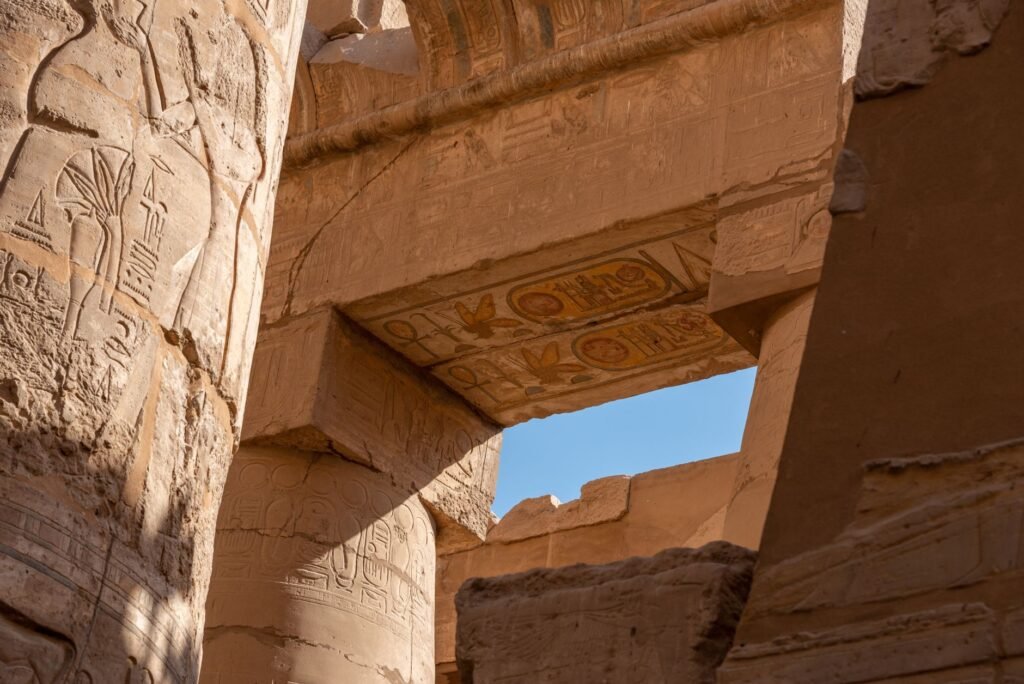
The Karnak Temple is one of the most significant religious complexes in ancient Egypt and is a must-visit when in Luxor. This sprawling site features a vast collection of temples, chapels, and pylons, constructed over 2,000 years, and is dedicated primarily to the Theban triad of Amun, Mut, and Khonsu. Visitors can marvel at the Great Hypostyle Hall, which boasts 134 massive columns, each intricately carved with hieroglyphics.
When visiting Karnak, it’s advisable to go early in the morning to avoid crowds and the heat of the day. The site is expansive, so wear comfortable shoes and prepare to spend a few hours exploring. Don’t miss the Sacred Lake, which was used for purification rituals and is surrounded by stunning views of the temple.
- Highlights of Karnak Temple:
- Great Hypostyle Hall: An architectural marvel with towering columns.
- Obelisks: Two massive obelisks of Pharaoh Hatshepsut stand tall, symbolizing her reign.
- Sacred Lake: A serene spot perfect for reflection and photography.
- Tips for Visiting:
- Consider hiring a local guide for in-depth historical insights.
- Bring water and sun protection, especially in the summer months.
- Look for the sound and light show at night for a different perspective on the temple’s beauty.
Explore the Valley of the Kings
The Valley of the Kings is another highlight of Luxor, renowned as the burial site of the pharaohs, including the famous Tutankhamun. This UNESCO World Heritage site houses over 60 tombs, each uniquely decorated with ancient hieroglyphics and paintings that tell stories of the deceased’s journey to the afterlife.
Visitors can enter several tombs, with the most popular being that of Tutankhamun, which is known for its treasures and artifacts. Each tomb is distinct in its decoration and layout, offering a glimpse into ancient Egyptian funerary practices. It is essential to check which tombs are open to the public, as some may be closed for preservation.
- Things to Know:
- Photography is typically not allowed inside the tombs to protect the artwork.
- Be prepared for steep, narrow staircases in certain tombs.
- Consider visiting early in the day to avoid the heat and crowds.
- Recommended Tombs:
- KV62 (Tutankhamun): The most famous tomb, discovered intact.
- KV11 (Ramses III): Notable for its intricate wall carvings and layout.
- KV16 (Seti I): Known for its stunning reliefs and complex architecture.
Take a Hot Air Balloon Ride
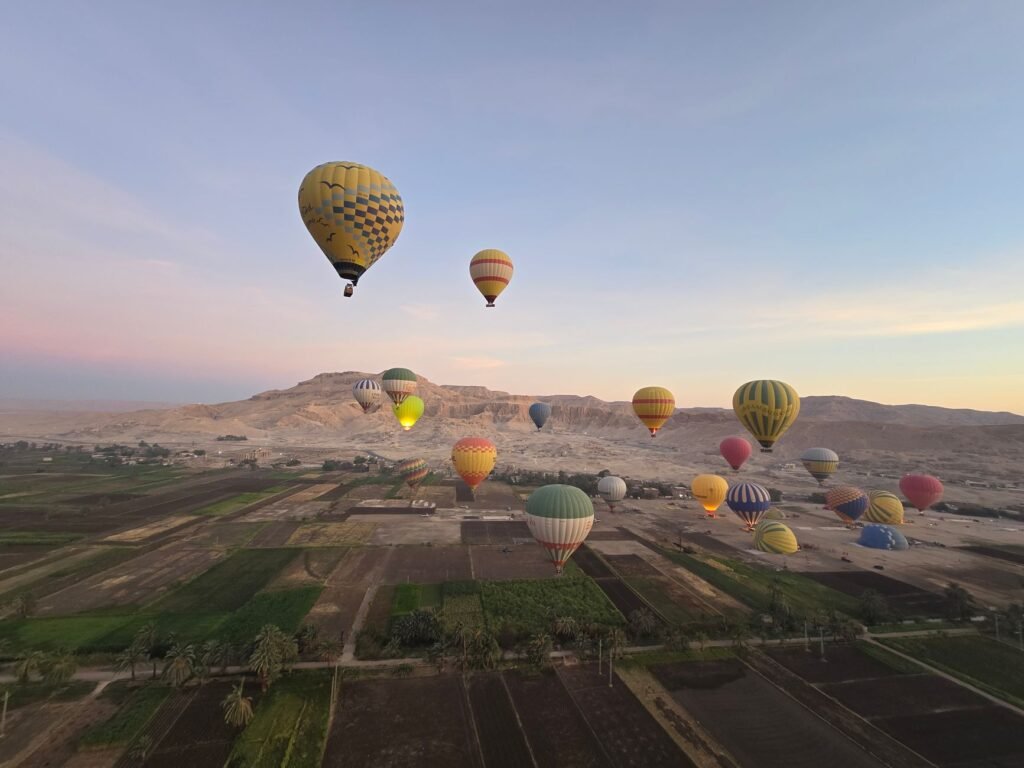
For a truly unforgettable experience, consider taking a hot air balloon ride over Luxor at sunrise. This activity offers breathtaking views of the Nile River, ancient temples, and the surrounding desert landscape. As the sun rises, the city awakens, and the views from above are nothing short of spectacular.
Most hot air balloon rides last about an hour and include a pre-ride breakfast and post-flight celebration with drinks. Booking in advance is advisable, especially during peak tourist seasons. Safety precautions are taken seriously, and reputable companies provide experienced pilots and well-maintained equipment.
- What to Expect:
- Stunning aerial views of historical landmarks.
- A peaceful and serene atmosphere as you float over the landscape.
- Professional pilots who provide interesting commentary about the sites below.
- Tips for a Great Experience:
- Dress in layers, as temperatures can vary significantly in the early morning.
- Bring a camera to capture the incredible views.
- Book your ride for the earliest time slot for the best weather conditions.
Discover Luxor Temple
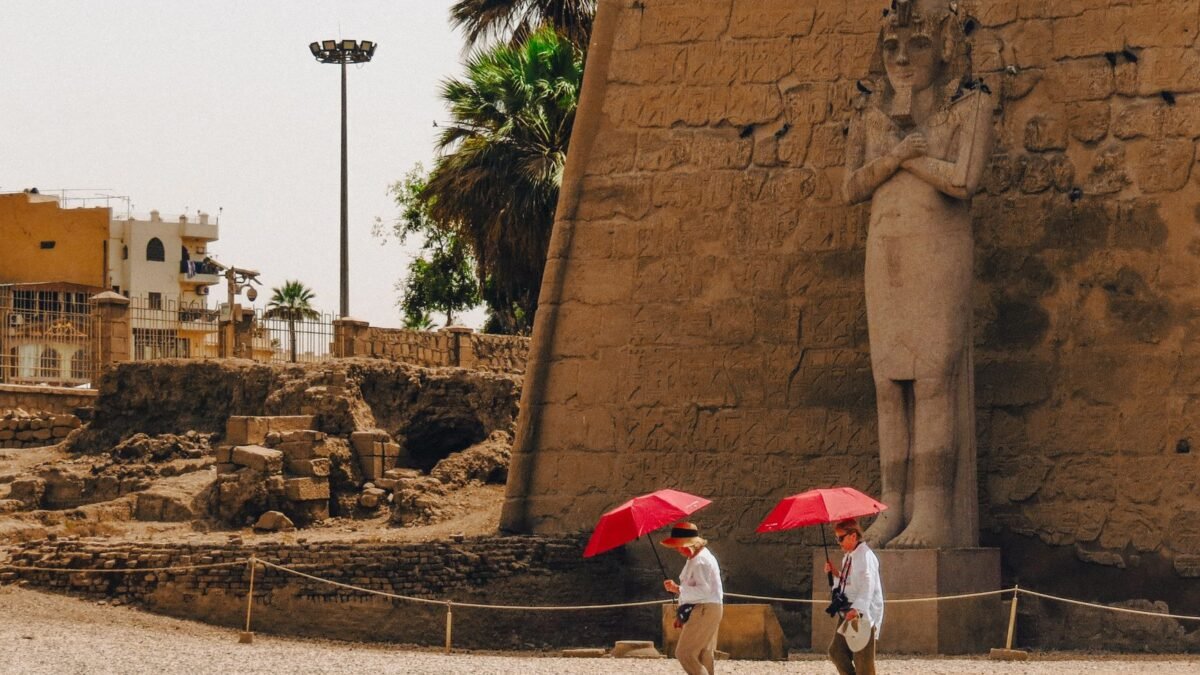
Luxor Temple, located in the heart of the city, is another remarkable site that should not be missed. Unlike Karnak, which was primarily a religious center, Luxor Temple served as a place for the coronation of pharaohs and as a center for festivals. The temple complex is famous for its colossal statues of Ramses II and the impressive entrance, known as the First Pylon.
Visitors can explore the temple’s many chambers, including the beautifully preserved courtyard and the sacred shrines. The temple is particularly enchanting at night when it is illuminated, creating a magical atmosphere that captivates all who visit. The sound and light show, which narrates the history of the temple, is also worth considering.
- Highlights of Luxor Temple:
- Statues of Ramses II: Incredible sculptures that dominate the entrance.
- Colonnade: A row of towering columns adorned with hieroglyphics.
- Sacred Shrines: Intricate carvings that tell the stories of ancient gods.
- Visitor Tips:
- Visit during the late afternoon for fewer crowds and pleasant temperatures.
- Take a guided tour for in-depth historical context.
- Check local listings for any cultural events or performances.
Experience Local Markets
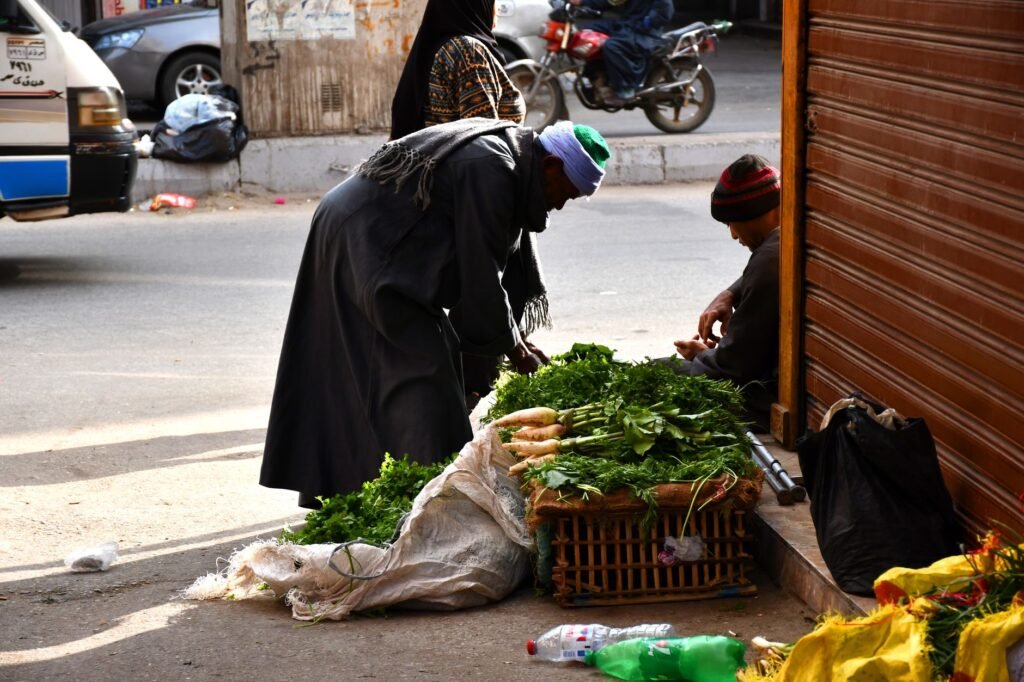
To truly capture the essence of Luxor, a visit to the local markets is essential. The bustling bazaars are filled with vibrant colors, enticing aromas, and a variety of goods that reflect the local culture. You can find everything from handmade crafts and traditional textiles to spices and jewelry. The Luxor Market, in particular, is a great place to interact with locals and experience the daily life of the city.
While exploring the markets, practice your bargaining skills, as haggling is common and expected. It’s a fun way to engage with vendors and learn about their products. Don’t hesitate to ask questions, as locals often enjoy sharing stories about their crafts. Street food is also abundant, offering delicious snacks that are perfect for a quick bite.
- Market Highlights:
- Textiles: Look for vibrant scarves and traditional garments.
- Spices: A fantastic selection of herbs and spices to take home.
- Handmade crafts: Unique souvenirs that support local artisans.
- Tips for Enjoying the Market:
- Visit during the late afternoon when it’s less crowded.
- Keep small change handy for purchases.
- Sample local street food, but ensure it’s from a busy stall for freshness.
Visit the Temple of Hatshepsut
The Temple of Hatshepsut, located near the Valley of the Kings, is one of the most architecturally impressive sites in Egypt. Dedicated to one of the few female pharaohs, Queen Hatshepsut, this mortuary temple features stunning terraces and colonnades that blend beautifully with the surrounding cliffs. The temple is designed to honor Hatshepsut’s reign and her divine lineage.
Visitors can admire the intricate reliefs that depict Hatshepsut’s accomplishments and her connection to the god Amun. The temple is an excellent example of the New Kingdom’s architectural advancements, and its unique design stands in contrast to the more traditional temples of the era.
- Key Features:
- Terraces: Three large levels connected by ramps offer panoramic views of the surrounding landscape.
- Reliefs: Walls adorned with scenes depicting the queen’s life and achievements.
- Natural Setting: The temple’s design harmonizes with the surrounding cliffs.
- Visiting Tips:
- Combine your visit with the Valley of the Kings for a full day of exploration.
- Arrive early to avoid the midday sun and crowds.
- Consider hiring a guide for deeper insights into Hatshepsut’s reign.
Relax by the Nile River
The Nile River is not just a lifeline for Egypt; it’s also a beautiful place to relax and unwind after a day of exploring. Several restaurants and cafés line the riverbank, offering stunning views of the water and the surrounding scenery. Enjoy a leisurely meal or drink while watching the sunset over the Nile for a truly magical experience.
For a more immersive experience, consider taking a felucca ride, a traditional wooden sailboat. This allows you to enjoy the tranquility of the river while taking in the sights from a different perspective. Felucca rides can be arranged for short trips or longer excursions, depending on your preference.
- What to Expect:
- Beautiful views of the Nile and surrounding landscapes.
- Various dining options with local and international cuisine.
- Peaceful ambiance perfect for relaxation.
- Dining Recommendations:
- Local restaurants with authentic Egyptian dishes.
- Cafés offering traditional tea and pastries by the river.
- Felucca dinner cruises for a unique dining experience.
Experience Luxor’s Unique Cultural Festivals
1. The Luxor African Film Festival
The Luxor African Film Festival, held annually, is a vibrant celebration of African cinema. This festival attracts filmmakers and enthusiasts from across the continent, showcasing a range of films that reflect the cultural diversity and social issues of Africa. Visitors can engage in workshops, discussions, and screenings, making it an excellent opportunity to delve into contemporary African narratives.
Attending the festival allows travelers to not only enjoy films but also to interact with filmmakers and actors, gaining insights into the creative processes behind the scenes. The festival usually features a mix of feature-length films, documentaries, and short films, providing a platform for both established and emerging talents.
- Film screenings from various African countries
- Workshops on film-making and storytelling
- Panel discussions featuring industry experts
2. The Festival of the Valley
The Festival of the Valley is a significant cultural event held in Luxor that celebrates the ancient Egyptian traditions. This festival, which takes place in the autumn, involves a series of performances, parades, and rituals that pay homage to the gods and the afterlife, reflecting the rich heritage of the region.
Visitors can witness traditional music, dance performances, and reenactments of ancient rituals, offering a unique insight into the spiritual practices of ancient Egyptians. The Festival of the Valley is not only a visual spectacle but also an immersive experience where travelers can participate in workshops that teach traditional crafts and cooking methods.
- Traditional music and dance performances
- Workshops on ancient crafts
- Reenactments of historical rituals
3. Local Religious Celebrations
Luxor is home to several noteworthy religious celebrations that provide a glimpse into the local culture and traditions. Events such as Mawlid al-Nabi, which celebrates the birth of the Prophet Muhammad, attract many locals and visitors alike. These celebrations typically include prayers, processions, and communal meals, fostering a sense of community.
Another important religious event is the Eid al-Fitr, marking the end of Ramadan. This festival features joyous gatherings, feasting, and charitable acts, where local families come together to celebrate. Participating in these celebrations allows travelers to connect with the local populace and understand their values and beliefs.
- Mawlid al-Nabi with processions and prayers
- Eid al-Fitr celebrations with communal meals
- Opportunities for charitable giving and community bonding
Explore Luxor’s Lesser-Known Archaeological Sites
1. The Tombs of the Nobles
The Tombs of the Nobles, located on the West Bank of Luxor, offers a quieter alternative to the more famous sites like the Valley of the Kings. This area features over 400 tombs, many of which belong to local officials and nobles from ancient Egypt’s New Kingdom. The tombs are adorned with intricate wall paintings that depict daily life, religious rituals, and the afterlife, providing valuable insights into the era.
Visitors can explore tombs such as that of Khonso, which is known for its vibrant colors and detailed scenes. This site is less crowded than other attractions, allowing for a more intimate experience with the ancient art and architecture. Guided tours are available, enhancing the exploration with historical context and stories about the individuals buried there.
- Intricate wall paintings and hieroglyphics
- Fascinating stories of the nobles and their lives
- Less crowded and peaceful atmosphere
2. The Ramesseum
The Ramesseum is the mortuary temple of Pharaoh Ramses II and is often overlooked by tourists. This site is notable for its massive statues and impressive architecture, which reflect the grandeur of ancient Egyptian civilization. The temple’s decorations depict Ramses II in various scenes, showcasing his power and achievements.
Visitors can explore the ruins, including the remnants of the colossal statue of Ramses II, which once stood at the entrance. The Ramesseum also features inscriptions that tell the story of the pharaoh’s military campaigns and divine favor. A visit here is an opportunity to appreciate the artistic and architectural prowess of ancient Egypt in a quieter setting.
- Massive statues and impressive architecture
- Inscriptions detailing historical events
- Less commercialized, allowing for contemplation
3. Medinet Habu
Medinet Habu is the mortuary temple of Ramses III and is a stunning example of ancient Egyptian architecture. The temple complex is known for its well-preserved reliefs that depict scenes from the Battle of Kadesh and the daily life of the pharaoh. Unlike other temples, Medinet Habu offers a more authentic glimpse of ancient Egypt away from the tourist crowds.
Within the temple, visitors can explore various chambers and courtyards, each adorned with detailed carvings and hieroglyphs. The site also includes a small museum that provides context and historical background, enriching the visitor experience. Medinet Habu is often regarded as one of the best-preserved temples in Luxor, making it a must-visit for history enthusiasts.
- Well-preserved reliefs and carvings
- Insight into Ramses III’s reign
- Less touristy, allowing for exploration at a leisurely pace
Engage with Luxor’s Culinary Scene
1. Traditional Egyptian Cooking Classes
Participating in a traditional cooking class is a fantastic way to immerse yourself in the local culture. Various culinary schools and local chefs offer classes where you can learn to prepare classic Egyptian dishes such as koshari, ful medames, and mahshi. These classes often begin with a visit to a local market to gather fresh ingredients, providing an authentic shopping experience.
Throughout the class, you’ll gain hands-on experience in cooking techniques and an understanding of the cultural significance of each dish. At the end of the session, you’ll enjoy the meal you prepared, often shared with fellow participants, creating a communal atmosphere. This culinary experience is a delicious way to connect with Luxor’s rich heritage.
- Hands-on experience with local ingredients
- Learning about the cultural significance of dishes
- Sharing a meal with fellow participants
2. Food Tours Through Local Neighborhoods
Food tours in Luxor allow travelers to explore the diverse culinary landscape while visiting local neighborhoods. These tours typically include stops at various eateries, street vendors, and markets, where participants can taste a variety of traditional foods. From savory pastries to sweet desserts, each stop offers a unique flavor of Egyptian cuisine.
During the tour, guides often share stories about the history of the dishes and the cultural practices surrounding food in Egypt. This experience not only tantalizes the taste buds but also provides an opportunity to engage with locals and witness daily life in Luxor. Food tours are a perfect way to discover hidden gems that may not be listed in tourist guides.
- Tasting traditional street food
- Visiting local markets and eateries
- Learning about culinary traditions from guides
3. Dining Cruises on the Nile
Dining cruises on the Nile provide a unique experience, combining stunning views with delicious cuisine. As you glide along the river, you can enjoy a meal that features both local and international dishes, often prepared with fresh, locally sourced ingredients. Many cruises offer traditional music and dance performances, adding to the overall ambiance.
This experience allows travelers to relax while witnessing the beautiful landscapes of Luxor from the water, making it a memorable dining option. The setting is particularly enchanting at sunset, with the golden hues reflecting off the water, creating a picturesque backdrop for your meal.
- Scenic views of the Nile and Luxor’s landmarks
- Traditional music and entertainment
- Variety of local and international dishes
Frequently Asked Questions
What is the best time to visit Luxor?
The best time to visit Luxor is during the cooler months, from October to April, when temperatures are more comfortable for sightseeing.
Are there any safety concerns in Luxor?
Luxor is generally safe for tourists, but it’s advisable to stay aware of your surroundings and follow any local guidelines.
How can I travel around Luxor?
Traveling around Luxor can be done via taxis, private car hires, or by walking to nearby attractions. Cycling is also a popular option for those looking to explore at a slower pace.
What should I wear when visiting temples?
When visiting temples in Luxor, modest clothing is recommended. Dress appropriately, covering shoulders and knees, to respect the cultural norms.
The Bottom Line
Luxor is a treasure trove of ancient history and vibrant local culture. From the awe-inspiring temples and tombs to the bustling markets and serene Nile River, there are countless things to do in Luxor that cater to various interests and preferences. Whether you’re exploring the grandeur of Karnak Temple or enjoying a peaceful felucca ride, Luxor promises an unforgettable experience that connects you to Egypt’s illustrious past.