Key Takeaways
- Understand local customs and etiquette.
- Learn about transportation options.
- Explore popular attractions and hidden gems.
- Prepare for language and currency differences.
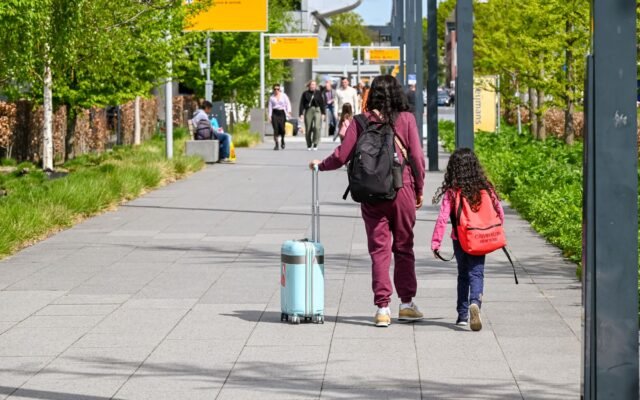
Traveling to South Korea can be an exhilarating experience filled with vibrant culture, stunning landscapes, and delicious cuisine. However, to make the most of your trip, it’s essential to understand various aspects of the country, from local customs to practical travel tips. This guide will provide you with crucial information to ensure a smooth and enjoyable visit.
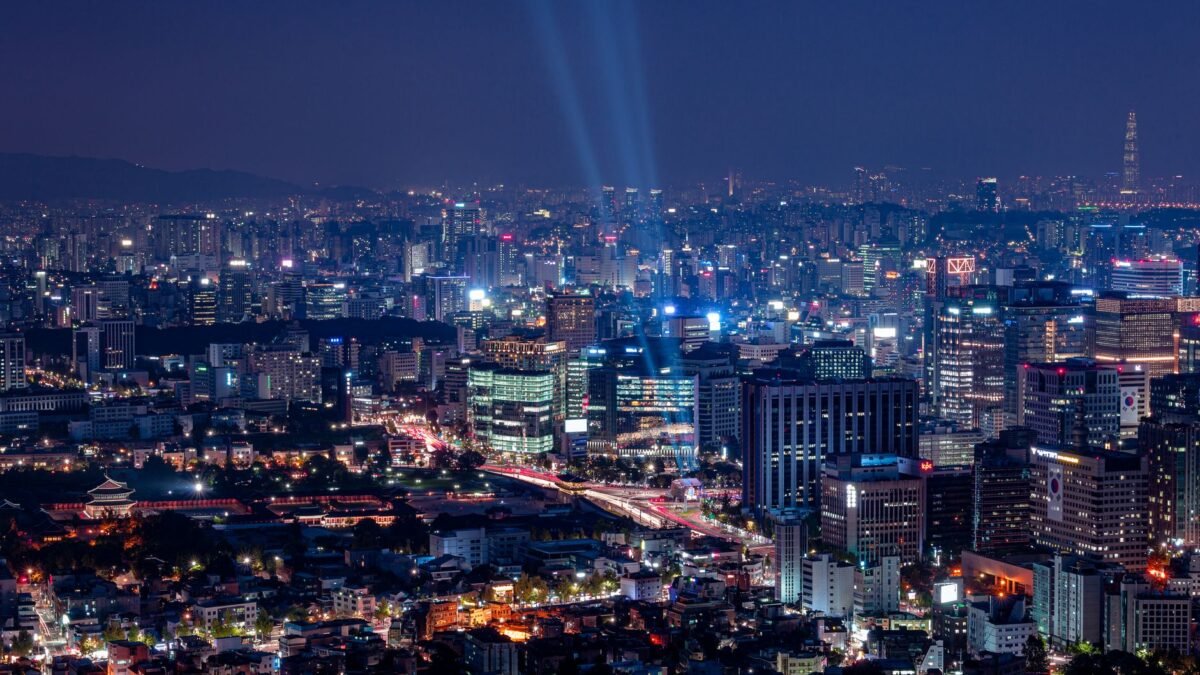
South Korea is a country where ancient traditions meet cutting-edge technology. Visitors will find everything from historic palaces and temples to modern skyscrapers and bustling markets. Understanding the nuances of South Korean culture, navigating the transportation system, and knowing what to expect in terms of food can significantly enhance your travel experience.
As you prepare for your journey, keep in mind that South Korea is known for its hospitality and friendliness towards tourists. With the right knowledge, you can immerse yourself in the local culture, explore its diverse attractions, and create unforgettable memories.
Cultural Etiquette
Understanding cultural etiquette is vital when traveling to South Korea. The locals take pride in their traditions, and being aware of these can help you navigate social interactions more smoothly.
Respectful Greetings
When meeting someone, a polite bow is customary and often preferred over a handshake. If you do shake hands, use both hands and ensure your left hand supports your right arm as a sign of respect. Additionally, when addressing someone, using their title or family name is considered respectful.
Dining Etiquette
Dining in South Korea is a communal experience. It is common to share dishes, and using chopsticks is the norm. However, it’s important to note that you should never stick your chopsticks upright in a bowl of rice, as this is reminiscent of funeral rituals. When dining, wait for the eldest person to start eating before you begin.
Public Behavior and Personal Space
South Koreans value personal space, so it’s essential to be mindful of this in crowded areas. Loud conversations, especially on public transport, can be seen as disrespectful. Additionally, avoid discussing sensitive topics such as politics or personal finances unless you know the person well.
Transportation Options
Getting around South Korea is efficient and convenient, thanks to its extensive transportation network. Understanding your options can make your travel experience much smoother.
Public Transport Systems
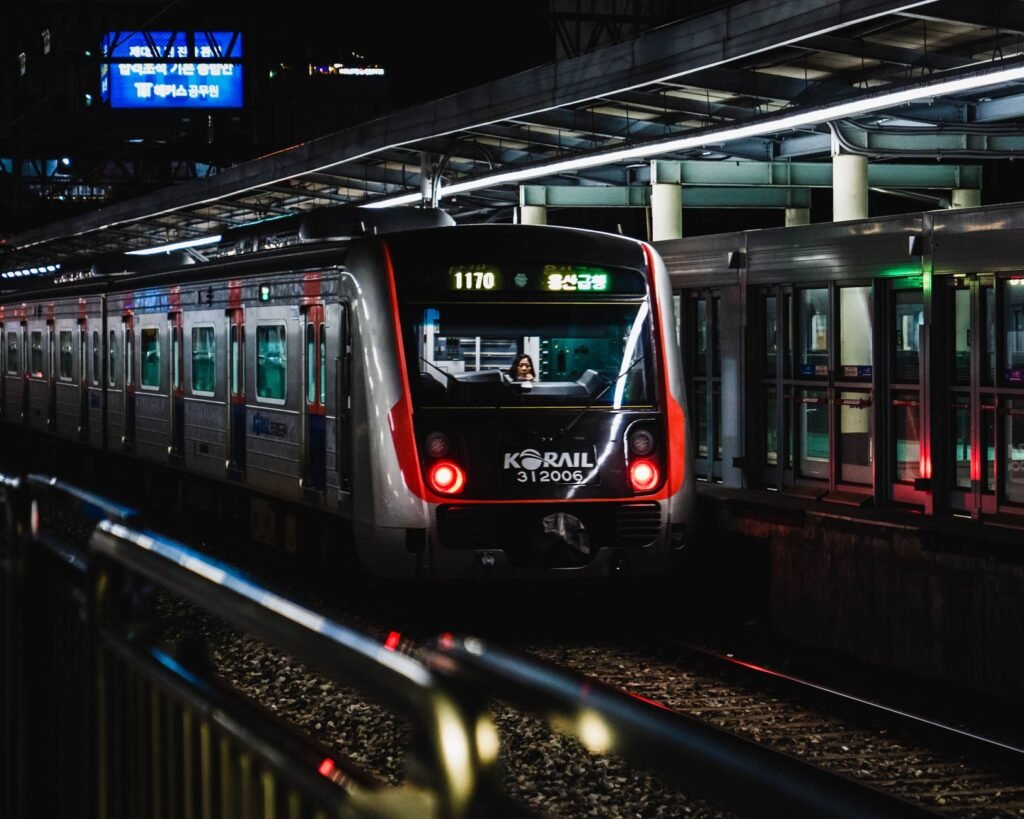
South Korea boasts one of the best public transportation systems in the world. The subway systems in cities like Seoul and Busan are clean, safe, and easy to navigate. To use the subway, purchase a T-money card, which can be loaded with cash and used on buses and trains. Remember to always stand on the right side of escalators to allow others to pass on the left.
Taxis and Ride-Sharing
Taxis are readily available and relatively inexpensive. Look for the various taxi types: regular, deluxe, and international taxis, which cater to non-Korean speakers. For ride-sharing options, apps like KakaoTaxi are popular among locals and can be convenient for tourists as well.
Domestic Travel
If you’re planning to travel between cities, consider taking a KTX (Korea Train Express) train. This high-speed train connects major cities and offers a comfortable and efficient way to explore the country. Booking ahead is recommended to secure the best fares and seat options.
Must-Visit Attractions
South Korea is rich in history, nature, and modern attractions. Knowing where to go can help maximize your travel experience.
Historic Sites
- Gyeongbokgung Palace: Located in Seoul, this grand palace showcases traditional Korean architecture and offers the chance to witness the changing of the guard ceremony.
- Changdeokgung Palace: A UNESCO World Heritage site, known for its beautiful gardens and unique design that harmonizes with nature.
- Jongmyo Shrine: Another UNESCO site, this Confucian shrine is dedicated to the deceased kings and queens of the Joseon Dynasty.
Modern Attractions
- N Seoul Tower: Offering panoramic views of the city, this iconic landmark is a must-visit, especially at sunset.
- Dongdaemun Design Plaza: A hub for design and fashion, this futuristic structure hosts exhibitions and events.
- COEX Mall: One of the largest underground shopping malls in Asia, featuring shops, an aquarium, and a library.
Nature and Parks
- Bukhansan National Park: Ideal for hiking enthusiasts, offering trails with stunning views of the city and natural scenery.
- Jeju Island: Known for its volcanic landscapes, beaches, and unique cultural heritage, it’s a popular getaway spot.
- Nami Island: Famous for its beautiful tree-lined paths, especially stunning during autumn foliage.
Culinary Experiences
South Korea is a foodie paradise, where street food, traditional dishes, and modern fusion cuisine coexist. Exploring the local food scene is a key part of your travel experience.
Traditional Dishes
- Bibimbap: A colorful rice dish topped with vegetables, meat, and a fried egg, often served with gochujang (spicy red pepper paste).
- Kimchi: A staple side dish made from fermented vegetables, usually napa cabbage, seasoned with various spices.
- Korean BBQ: A must-try experience where diners grill their own meat at the table, typically accompanied by various side dishes.
Street Food Delights
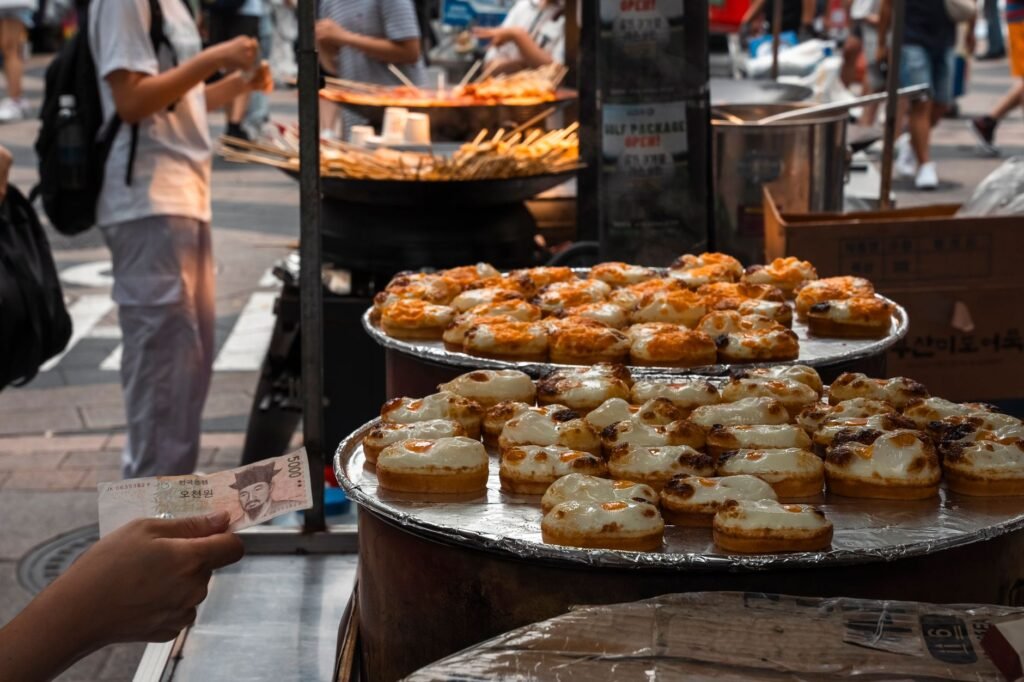
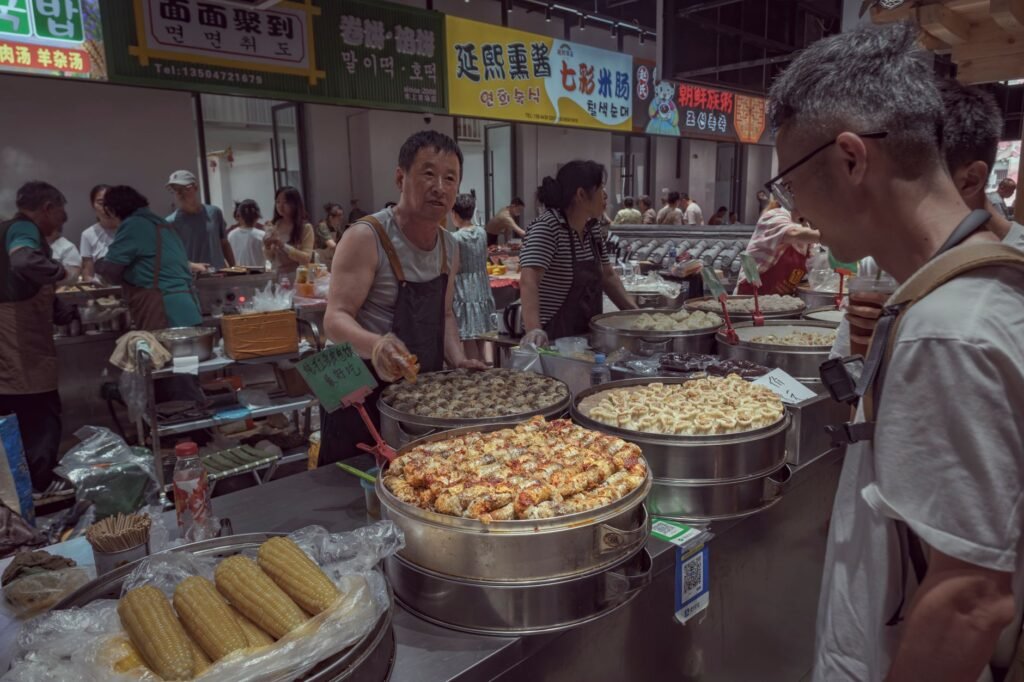
Street food is an essential part of South Korean culture. Markets and street vendors offer a plethora of delicious options:
- Tteokbokki: Spicy rice cakes cooked in a sweet and spicy sauce.
- Hotteok: Sweet pancakes filled with brown sugar, nuts, and cinnamon.
- Gimbap: Rice rolls filled with various ingredients, similar to sushi, but typically not raw fish.
Modern Cafes and Fusion Cuisine
South Korea has a thriving café culture. Look for themed cafés, such as animal cafés, or those specializing in unique desserts. Fusion cuisine is also prevalent, blending traditional Korean flavors with international dishes.
Language and Communication
While many South Koreans, especially in urban areas, speak English, knowing a few basic phrases can enhance your travel experience.
Essential Phrases
- Hello: Annyeonghaseyo (안녕하세요)
- Thank you: Kamsahamnida (감사합니다)
- Excuse me: Sillyehamnida (실례합니다)
- Where is…? …eodi-eyo? (…어디예요?)
Translation Apps
To help bridge the language gap, consider downloading translation apps like Google Translate, which can translate text and even images of signs and menus. Having a reliable translation tool can significantly ease your communication.
Understanding Cultural Nuances
Be aware that communication styles may differ. South Koreans may be indirect in their responses to avoid confrontation or embarrassment. It’s important to read between the lines and observe body language.
Currency and Budgeting
Understanding the currency and budgeting for your trip is crucial for managing your expenses in South Korea.
Currency
The official currency is the South Korean Won (KRW). As of now, it is advisable to check the latest exchange rates before your visit. Currency exchange services are widely available at airports and banks.
Budgeting Tips
South Korea can be budget-friendly if you plan accordingly. Here are some tips to manage your finances:
- Consider using public transportation instead of taxis to save money.
- Eat at local restaurants or street vendors for affordable and delicious meals.
- Look for free or low-cost attractions, such as parks, markets, and cultural festivals.
Cash vs. Cards
While credit and debit cards are widely accepted in cities, it’s wise to carry some cash, especially in rural areas or smaller shops. ATMs are readily available, but ensure your card is compatible with local machines.
Understanding South Korean Technology and Connectivity
Mobile Connectivity
South Korea is known for its advanced technology and high-speed internet access. Visitors will find that mobile connectivity is not only widespread but also remarkably efficient. Most international travelers can use their existing mobile plans or opt for local SIM cards, which are widely available at airports and convenience stores.
Purchasing a local SIM card allows you to enjoy unlimited data and local calls at competitive rates. For those who wish to stay connected without changing their SIM, portable Wi-Fi routers can be rented easily, providing reliable internet access throughout the country.
- Check compatibility of your phone with local networks.
- Consider data packages that suit your travel needs.
- Look for tourist-friendly Wi-Fi hotspots, often available in cafes and public spaces.
Smart Technology Innovations
South Korea is at the forefront of technological innovations, especially in urban areas. Many restaurants, stores, and transportation systems utilize smart technologies that enhance the visitor experience. You can find self-service kiosks for ordering food, cashless payment systems, and even robots serving in hotels and cafes.
Be prepared to interact with technology in various forms, such as QR codes for menus or payment, which are increasingly common. This tech-savvy environment means that understanding how to navigate these systems can significantly improve your travel experience.
- Familiarize yourself with QR code scanning on your smartphone.
- Utilize mobile payment apps for convenience.
- Explore smart transportation options like apps for public transit navigation.
Exploring South Korea’s Natural Landscapes
National Parks and Hiking Trails
South Korea boasts some of the most breathtaking national parks in Asia, each offering unique landscapes and various hiking trails. Popular destinations include Seoraksan National Park, known for its stunning peaks and diverse flora and fauna, and Jirisan National Park, which features the highest mountain range in mainland South Korea.
Whether you are an experienced hiker or a casual walker, there are trails suitable for all fitness levels. Many trails are well-marked and offer facilities like rest areas and information centers. Remember to check the weather and prepare accordingly, as conditions can change rapidly.
- Seoraksan National Park: Stunning views and diverse wildlife.
- Jirisan National Park: Rich in history and scenic beauty.
- Bukhansan National Park: Close to Seoul with well-maintained trails.
Coastal Areas and Islands
In addition to mountainous regions, South Korea’s coastline is dotted with beautiful beaches and islands. Jeju Island, often called the “Honeymoon Island,” is famous for its volcanic landscapes, stunning beaches, and unique cultural heritage. Visitors can explore Hallasan Mountain, the highest in South Korea, or relax on the famous Hyeopjae Beach.
Other notable coastal areas include Busan, South Korea’s second-largest city, known for its vibrant beach culture and seafood market. The picturesque islands of Ulleungdo and Dokdo offer pristine nature and are perfect for those looking to escape the crowds.
- Jeju Island: A must-visit for its unique natural beauty.
- Busan: Enjoy the beaches and fresh seafood.
- Ulleungdo: Explore its untouched landscapes.
Local Festivals and Events
Understanding Seasonal Festivals
South Korea hosts a myriad of festivals throughout the year that reflect the country’s rich culture and traditions. Participating in these events can provide insight into local customs and community spirit. The cherry blossom festivals in the spring are particularly popular, with locations like Yeouido Park in Seoul drawing crowds eager to witness the breathtaking bloom.
Other noteworthy seasonal events include the Boryeong Mud Festival in July, which celebrates the therapeutic benefits of mud, and the Gwangju World Kimchi Festival, celebrating South Korea’s beloved traditional dish. Each festival offers unique experiences, from food tastings to cultural performances.
- Cherry Blossom Festival: Celebrate spring with festivities in various parks.
- Boryeong Mud Festival: Enjoy mud wrestling and mudslides.
- Gwangju World Kimchi Festival: Discover the art of kimchi making.
Engaging in Local Traditions
In addition to seasonal festivals, numerous local traditions occur throughout the year. Visitors may have the opportunity to participate in traditional tea ceremonies, experience lantern festivals, or engage in seasonal rites that celebrate the harvest or the lunar calendar.
These experiences not only offer a deeper understanding of South Korean culture but also allow travelers to connect with locals. Participating in these traditions can create lasting memories and enrich your travel experience.
- Traditional Tea Ceremonies: Experience the art of Korean tea.
- Lantern Festivals: Join in the celebrations of light.
- Harvest Festivals: Engage with locals and enjoy seasonal foods.
Frequently Asked Questions
What is the best time to visit South Korea?
The best time to visit South Korea is during spring (April to June) and autumn (September to November) when the weather is mild, and the scenery is stunning with cherry blossoms and fall foliage.
Is South Korea safe for travelers?
South Korea is generally safe for travelers, with low crime rates. However, standard travel precautions should be observed, such as being careful with personal belongings and avoiding poorly lit areas at night.
Do I need a visa to visit South Korea?
Visa requirements vary by nationality. Many travelers can enter South Korea for short visits without a visa. Check with your local South Korean embassy for the latest information.
What are some cultural norms I should be aware of?
Be respectful towards elders, avoid public displays of affection, and refrain from discussing sensitive topics. Familiarizing yourself with these norms can help you integrate better during your stay.
The Bottom Line
Traveling to South Korea offers a unique blend of tradition and modernity. By understanding cultural etiquette, utilizing efficient transportation, exploring must-visit attractions, and embracing the local cuisine, you will create a memorable experience. Being aware of language differences and budgeting wisely will ensure a smooth trip. With these essential tips, you are well-equipped to enjoy all that South Korea has to offer.