Key Takeaways
- Experience the breathtaking landscapes of Oman.
- Explore historical forts and traditional markets.
- Enjoy outdoor adventures in deserts and mountains.
- Discover the rich culture and hospitality of the Omani people.
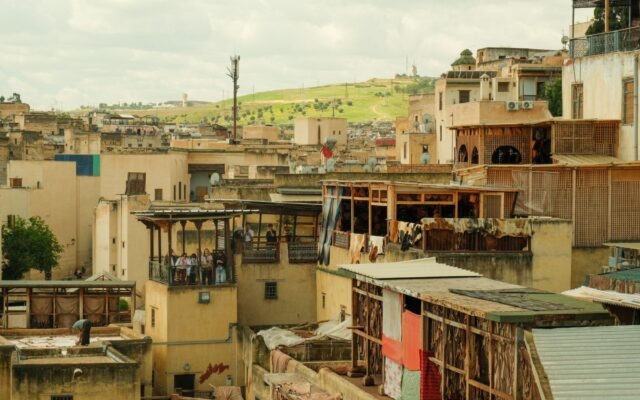
Oman, a jewel of the Arabian Peninsula, offers a captivating mix of stunning landscapes, rich history, and a culture steeped in tradition. From the majestic Hajar Mountains to the serene beaches along the coast, and the vast deserts that stretch endlessly, Oman is a paradise for travelers seeking both adventure and insight into a vibrant heritage. In this guide, we will explore the top things to do in Oman, ensuring you make the most of your visit to this enchanting country.
Travelers flock to Oman for its exceptional beauty and the warmth of its people. The Sultanate boasts a variety of activities suitable for all types of adventurers – whether you’re interested in outdoor exploration, cultural immersion, or culinary experiences. This guide will provide practical tips and detailed descriptions of the must-see attractions, ensuring that your journey through Oman is unforgettable.
As you plan your trip, consider the unique aspects of Oman’s diverse regions. Each area has its own charm, offering everything from ancient forts to stunning natural landscapes. This guide will outline the highlights and suggest a variety of activities that will help you create lasting memories in Oman.
Explore Muscat: The Heart of Oman
Muscat, the capital city, is the perfect starting point for your Omani adventure. Known for its beautiful architecture and rich culture, Muscat offers visitors an array of attractions.
Sultan Qaboos Grand Mosque
The Sultan Qaboos Grand Mosque is a must-visit landmark in Muscat. This architectural marvel features stunning Islamic design, with intricate mosaics and a large prayer hall that can accommodate thousands. The mosque’s centerpiece is a magnificent chandelier and one of the world’s largest handmade Persian carpets. Visitors are invited to explore the mosque’s serene gardens and admire the skilled craftsmanship that went into its construction.
Mutrah Souq
For a taste of local culture, head to the Mutrah Souq, one of the oldest markets in Oman. Here, you can wander through narrow alleys filled with shops selling traditional handicrafts, spices, jewelry, and Omani sweets. The vibrant atmosphere of the souq allows visitors to engage with local vendors, often leading to friendly haggling and unique finds. Don’t forget to sample some traditional Omani coffee while you’re there!
Royal Opera House Muscat
Cultural enthusiasts will appreciate a visit to the Royal Opera House Muscat, an exquisite venue showcasing performances from around the world. This architectural gem hosts operas, ballets, and concerts, making it a hub for the arts in Oman. Check the schedule in advance to catch a performance during your visit, or simply stroll the beautiful grounds and admire the intricate designs.
Discover the Natural Wonders of Oman
Oman is renowned for its stunning natural landscapes, from dramatic mountains to pristine beaches. Exploring these natural wonders is an essential part of any itinerary.
Wahiba Sands
The Wahiba Sands is a vast desert area known for its towering sand dunes and unique wildlife. Adventurers can experience dune bashing, camel riding, or even spend a night in a desert camp under the stars. A visit to this mesmerizing landscape provides an opportunity to connect with the local Bedouin culture, often including traditional meals and storytelling around a campfire.
Jebel Shams
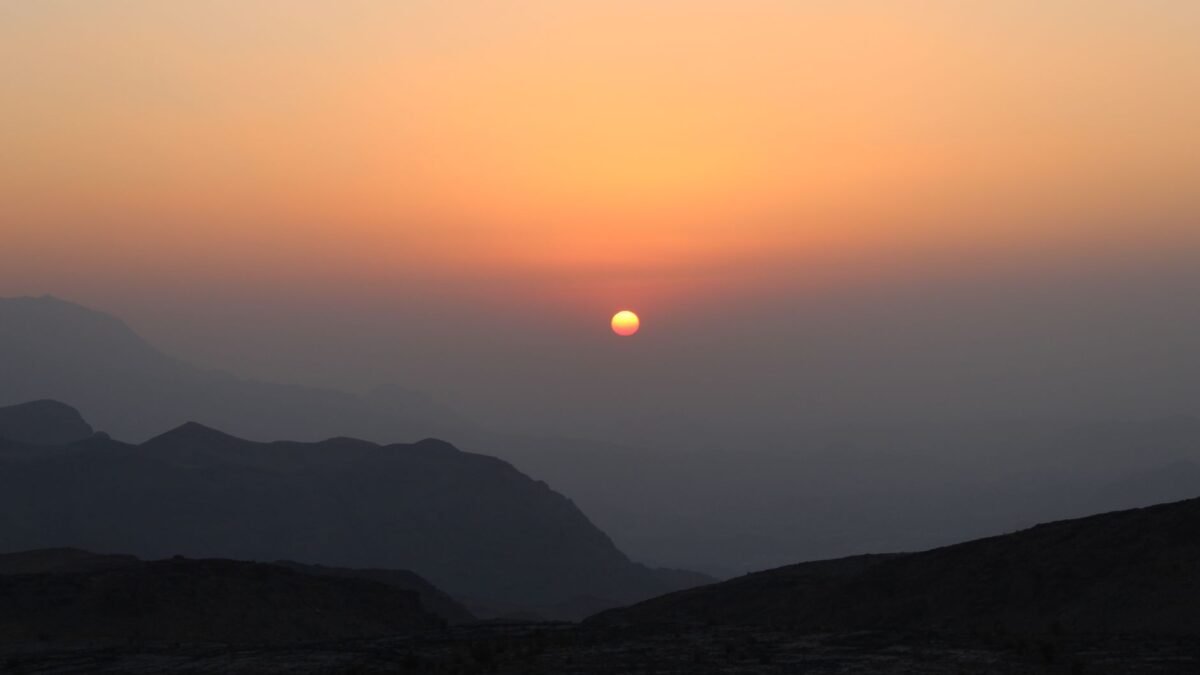
Known as the “Grand Canyon of Oman,” Jebel Shams is the highest peak in the country, offering breathtaking views and hiking opportunities. The area features numerous trails, suitable for all fitness levels, with paths leading to awe-inspiring viewpoints overlooking deep canyons and rugged terrain. The cooler climate at higher elevations makes it a refreshing escape from the heat of the lowlands.
Salalah: The Jewel of Dhofar
Located in the southern region of Dhofar, Salalah is famous for its lush greenery and unique monsoon season. The area is known for its beautiful beaches, such as Al Mughsail Beach, and the stunning Frankincense trees found in the nearby mountains. Visitors can explore the picturesque Wadi Darbat, where waterfalls and lagoons create a stunning backdrop for picnics and outdoor activities. Salalah offers a completely different landscape compared to the rest of Oman, making it a fascinating region to explore.

Immerse in Omani History and Culture
Oman boasts a rich history, with numerous forts and archaeological sites that tell the story of its past. Exploring these historical sites provides insight into the Sultanate’s heritage.
Nizwa Fort
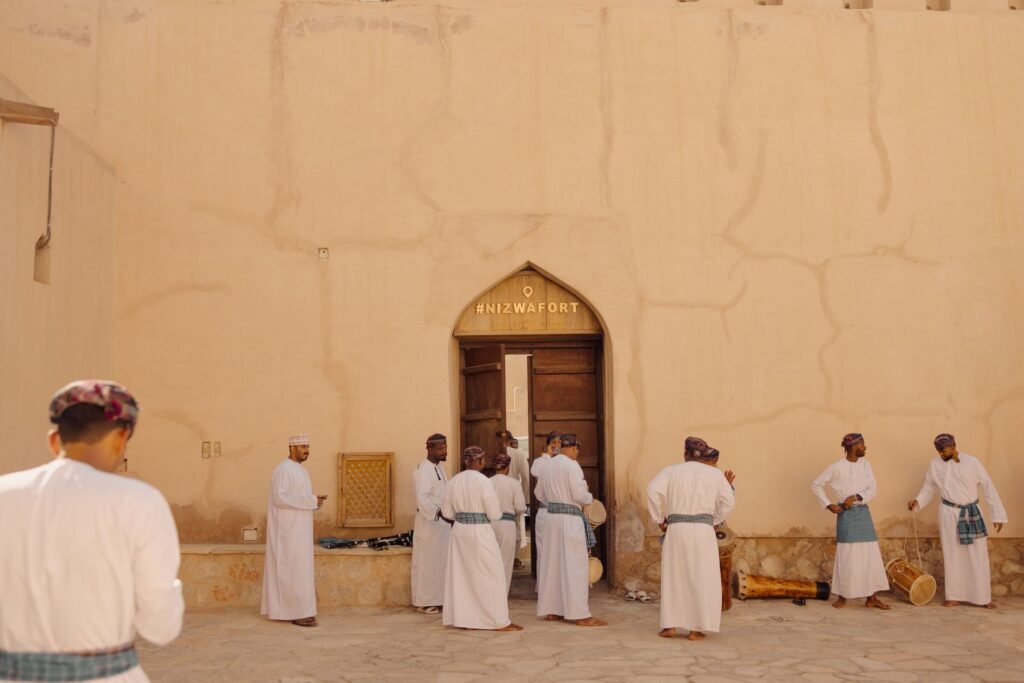
Nizwa Fort is one of Oman’s most iconic landmarks, located in the historic city of Nizwa. This 17th-century fort features impressive architecture and provides a glimpse into Omani life in the past. Visitors can climb to the top of the fort for panoramic views of the surrounding area, including the bustling Nizwa Souq, where you can find traditional crafts and local produce.
Bahla Fort
Designated a UNESCO World Heritage Site, Bahla Fort is an impressive example of Islamic military architecture. The fort has been recently restored and offers guided tours that delve into its history and significance. The surrounding area is also known for its traditional pottery, so take some time to explore the local artisans and their crafts.
Al Jalali and Al Mirani Forts
Situated in Muscat, the Al Jalali and Al Mirani Forts are historical fortresses that guard the entrance to the harbor. Both forts date back to the 16th century and offer a glimpse into the military history of Oman. Although currently not open for public tours, visitors can admire their impressive exteriors and learn about their roles in defending the city from invaders.
Outdoor Adventures in Oman
For outdoor enthusiasts, Oman offers an array of activities that highlight its diverse landscapes. Whether you’re seeking adventure on land or sea, there are plenty of options to choose from.
Snorkeling and Diving
The coastline of Oman is home to some of the most stunning marine life in the Arabian Sea. Popular spots for snorkeling and diving include the Daymaniyat Islands and the waters around Musandam Peninsula. Here, you can expect to see colorful coral reefs, vibrant fish, and even the occasional sea turtle. Numerous operators offer guided tours, making it easy for both beginners and experienced divers to explore the underwater world.
Hiking in the Hajar Mountains
The Hajar Mountains provide ample opportunities for hiking and exploring rugged landscapes. Trails range from easy walks to challenging treks, such as the hike to W6, which leads to a picturesque village nestled in the mountains. Along the way, hikers are rewarded with stunning views, unique rock formations, and the chance to encounter local flora and fauna.
Coastal Activities
Oman’s coastline offers numerous opportunities for water sports, including kayaking, paddleboarding, and fishing. The beaches near Muscat and Salalah are particularly popular, providing ideal conditions for both relaxation and adventure. Kayaking in the calm waters of the fjords in Musandam is an experience not to be missed, as it allows you to explore hidden coves and observe marine wildlife up close.
Enjoy Omani Cuisine: A Culinary Journey
Omani cuisine is a delightful fusion of flavors and traditions, drawing influences from various cultures. Sampling local dishes is an essential part of your travel experience.
Traditional Dishes to Try
- Shuwa: A traditional Omani dish made of marinated lamb, slow-cooked in an underground sand oven for several hours, resulting in tender, flavorful meat.
- Majboos: A rice dish typically served with chicken or lamb, flavored with saffron, spices, and nuts.
- Mashuai: A fish dish served with rice and a spicy sauce, often garnished with lemon and served with a side of vegetables.
Where to Eat
In Muscat, you will find a variety of dining options ranging from street food stalls to upscale restaurants. For an authentic experience, try dining at local eateries that serve traditional meals. The Al Khuwair area has several popular restaurants that offer Omani cuisine at reasonable prices. Additionally, many hotels feature international and local dishes, making it easy to sample a wide range of flavors.
Dining Etiquette
When dining in Oman, it’s important to be aware of local customs. Meals are often enjoyed communally, with diners sitting on the floor around a shared platter. Using your right hand for eating is customary, while the left hand is considered unclean. Taking the time to learn about local dining etiquette can enhance your experience and show respect for Omani culture.
Experience Oman’s Unique Festivals
Muscat Festival
The Muscat Festival is one of the most significant cultural events in Oman, taking place annually during the winter months. This festival celebrates Omani heritage through various activities, including traditional music, dance performances, handicraft exhibitions, and culinary showcases. Visitors can immerse themselves in the local culture, enjoying the vibrant atmosphere filled with the sounds of Omani folk music and the sights of colorful traditional attire.
Highlights of the Muscat Festival include:
- Art and handicraft exhibitions featuring local artisans
- Culinary stalls offering a taste of Omani cuisine
- Live performances by local musicians and dancers
- Children’s activities and entertainment
Attending the Muscat Festival is an excellent way to experience the warmth and hospitality of the Omani people while enjoying a diverse range of cultural activities.
Salalah Tourism Festival
Held in the southern city of Salalah, the Salalah Tourism Festival runs during the Khareef season, which lasts from June to September. This festival highlights the unique beauty of Dhofar, where lush greenery and waterfalls create a stunning backdrop for various events. Visitors can expect a mix of cultural shows, musical performances, and family-friendly activities that celebrate the region’s heritage.
The festival is known for:
- Traditional Omani music and dance performances
- Food stalls featuring local delicacies
- Craft markets showcasing local artisans
- Outdoor activities like camel rides and nature tours
With its scenic landscapes and festive atmosphere, the Salalah Tourism Festival is a must-visit for anyone looking to experience the vibrant culture of southern Oman.
National Day Celebrations
Oman’s National Day, celebrated on November 18th, marks the Sultan’s birthday and the anniversary of his ascension to the throne. This day is filled with festivities across the country, showcasing national pride through parades, fireworks, and cultural performances. The atmosphere is festive, with bright decorations, traditional music, and community gatherings.
Key features of the National Day celebrations include:
- Parades featuring traditional Omani costumes and military displays
- Fireworks and public concerts in major cities
- Community events that promote unity and pride
- Exhibitions showcasing Omani art and history
Participating in National Day events allows visitors to witness the strong sense of community and national pride that defines Oman.

Explore Oman’s Diverse Wildlife
Marine Life and Dolphin Watching
Oman’s coastline is home to an impressive variety of marine life, making it a prime destination for dolphin watching and snorkeling. The waters off the coast of Muscat and the Musandam Peninsula offer opportunities to spot playful dolphins and even the occasional whale. Several local operators provide boat tours that allow visitors to experience these enchanting creatures in their natural habitat.
Popular spots for dolphin watching include:
- Daymaniyat Islands
- Musandam Fjords
- Al Sawadi Beach
These tours often combine dolphin watching with opportunities to snorkel in crystal-clear waters, providing an immersive experience to explore the vibrant underwater ecosystems.
Birdwatching in Oman
Oman is a hidden gem for birdwatchers, boasting a diverse range of habitats that attract migratory and resident birds alike. The country’s varied landscapes, from coastal areas to mountainous regions, create ideal conditions for birding. Key locations for birdwatching include the Al Wusta Wetlands, Ras al Jinz, and the Dhofar region during the Khareef season.
Notable birds to watch for include:
- Arabian Oryx
- Greater Flamingo
- Sandgrouse
- Various raptor species
Birdwatching tours are available, offering expert guides who can help identify species and educate visitors about their habitats and behaviors.
Wildlife Reserves and Conservation Efforts
Oman has made significant strides in wildlife conservation, with several protected areas established to preserve its unique ecosystems. The Arabian Oryx Sanctuary, a UNESCO World Heritage Site, is one of the most notable reserves dedicated to the protection of the Arabian Oryx. Visitors to these reserves can gain insights into ongoing conservation efforts and the importance of biodiversity in Oman.
Key reserves include:
- Arabian Oryx Sanctuary
- Masirah Island Wildlife Sanctuary
- Al Wusta Wildlife Reserve
These reserves not only protect endangered species but also serve as educational hubs for visitors interested in learning about the region’s natural heritage.
Engage with Local Handicrafts and Shopping
Visit Traditional Souks
Exploring Oman’s traditional souks is a delightful experience that offers visitors a glimpse into the country’s vibrant culture and craftsmanship. The souks are bustling markets where locals sell everything from spices, textiles, and pottery to silver jewelry and frankincense. Each souk has its unique charm and selection of goods, making them ideal for souvenir shopping.
Notable souks to visit include:
- Mutrah Souk in Muscat
- Nizwa Souk in Nizwa
- Salalah Souk in Salalah
Haggling is a common practice in these markets, and engaging with the vendors can lead to both a better price and a richer cultural exchange.
Omani Pottery and Silverware
Oman is renowned for its traditional pottery and intricate silverwork. Visitors can find unique, handmade pottery pieces that reflect the country’s heritage, often adorned with beautiful designs. The silver jewelry, particularly khanjars (traditional daggers), are highly sought after and are a significant part of Omani identity.
To learn more about these crafts, consider visiting local artisans’ workshops where you can observe the craftsmanship firsthand and even participate in the creation process.
Frankincense: A Cultural Treasure
Frankincense, known locally as “luban,” is an integral part of Omani culture and history. It has been traded for centuries and is used in various cultural and religious practices. Visitors can explore the Frankincense Land in Dhofar, where the storied tree, Boswellia sacra, is cultivated. Learning about the harvesting process and its significance in Omani life provides a deeper understanding of the region.
Key points of interest regarding frankincense include:
- Visiting the Frankincense Museum in Salalah
- Exploring the Al Baleed Archaeological Park
- Sampling frankincense-infused products at local markets
Engaging with Omani handicrafts and local markets offers visitors not just souvenirs but also a deeper appreciation for Oman’s rich cultural identity.
Frequently Asked Questions
What is the best time to visit Oman?
The best time to visit Oman is during the cooler months, from October to April. This period offers pleasant temperatures for outdoor activities and sightseeing.
Do I need a visa to visit Oman?
Most travelers require a visa to enter Oman. It’s advisable to check the visa requirements based on your nationality and apply online or through an embassy before your trip.
Is Oman safe for tourists?
Oman is considered a safe destination for tourists, with low crime rates and a welcoming atmosphere. However, it’s always wise to stay aware of your surroundings and follow local laws and customs.
What language is spoken in Oman?
The official language of Oman is Arabic. However, English is widely spoken in tourist areas, making it easier for visitors to communicate.
The Bottom Line
Oman is a destination that beautifully combines natural wonders, rich cultural heritage, and delicious cuisine. Whether you’re exploring the bustling streets of Muscat, wandering through ancient forts, or enjoying the serene landscapes of the desert, there is no shortage of memorable experiences. By understanding the top things to do in Oman, you’ll be well-prepared for an enriching journey through this captivating Sultanate.