Key Takeaways
- Understand local customs and languages.
- Prioritize safety and emergency contacts.
- Know the best time to visit various regions.
- Prepare for diverse climates and ecosystems.
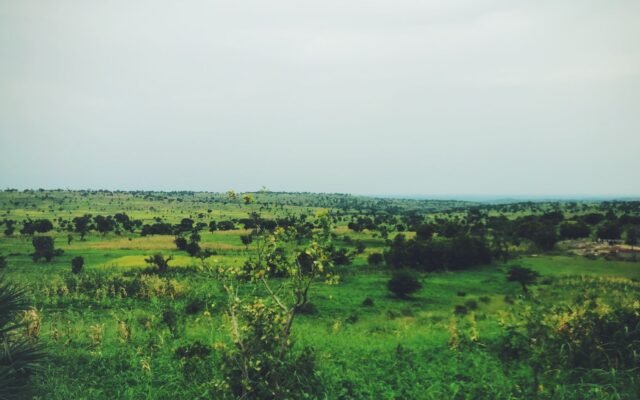
South Africa is a land of stunning landscapes, rich cultural diversity, and a variety of experiences that cater to all types of travelers. Before embarking on your adventure, understanding certain key aspects can greatly enhance your trip. This guide covers essential information and practical tips for those planning to visit.
From the bustling streets of Johannesburg to the breathtaking views of Cape Town and the wildlife of Kruger National Park, South Africa has something for everyone. However, it’s important to equip yourself with knowledge to navigate this beautiful country safely and enjoyably.
This article will outline critical things to know before traveling to South Africa, including cultural norms, safety tips, transportation options, and how to make the most of your visit.
Cultural Insights
Understanding the cultural landscape of South Africa is vital for a respectful and immersive experience. With eleven official languages and diverse ethnic groups, the country is often referred to as the “Rainbow Nation”. Here are some key cultural aspects to consider:
Language and Communication
- While English is widely spoken, particularly in urban areas, knowing a few phrases in local languages like Zulu, Xhosa, or Afrikaans can be very helpful.
- In rural areas, English may not be as prevalent. Having a translation app or phrasebook can enhance communication.
- Be mindful of non-verbal communication; gestures may have different meanings across cultures.
Social Etiquette
- Greetings are important; a handshake is common, and maintaining eye contact shows respect.
- Addressing people using their titles and surnames until invited to use first names is a good practice.
- Be aware of cultural practices and customs, especially when visiting rural communities or sacred sites.
Food and Dining
South African cuisine is a delightful blend of flavors and influences. Here are some culinary tips:
- Don’t miss trying local dishes like bobotie, biltong, and braai (barbecue).
- Dining out is common, and tipping around 10-15% is appreciated.
- Vegetarian and vegan options are increasingly available, but it’s wise to check menus in advance.
Safety Considerations
Safety is a top concern for travelers. While South Africa has many safe areas, it also has regions with higher crime rates. Here are practical safety tips:
Personal Safety
- Stay vigilant in crowded places and avoid displaying valuable items like jewelry or expensive electronics.
- Use reputable transport services, especially at night; avoid walking alone in unfamiliar areas after dark.
- Familiarize yourself with emergency numbers and nearby hospitals.
Health Precautions
Before traveling, it’s advisable to consult with a healthcare provider regarding vaccinations and health precautions:
- Ensure routine vaccinations are up to date, and consider vaccinations for diseases like hepatitis A, typhoid, and rabies.
- Malaria is a concern in certain regions, especially Kruger National Park. Consult your doctor about antimalarial medications.
- Drink plenty of bottled water to stay hydrated, particularly in warmer regions.
Emergency Contacts
Having a list of emergency contacts can be crucial. Make sure to include:
- Local emergency services: Dial 10111 for police and 10177 for ambulance services.
- Your country’s embassy or consulate information.
- Contact numbers for your accommodation and trusted local contacts.
Transportation Tips
Getting around South Africa can vary greatly depending on the region and your travel style. Here are some transportation insights:
Public Transport
- In major cities, minibus taxis are a popular form of transport, but they can be crowded and less regulated. Use them with caution.
- Metros and trains operate in some regions, but schedules can be irregular. Confirm local options.
- Consider using rideshare apps like Uber for safer and more reliable transportation.
Car Rentals
If you plan to explore the countryside or national parks, renting a car is a good option:
- Driving is on the left side of the road. Familiarize yourself with local road rules.
- Book a vehicle in advance and ensure it has adequate insurance.
- GPS navigation is helpful, but having a physical map can be a good backup.
Domestic Flights
For longer distances, consider domestic flights:
- Major airlines operate between cities like Johannesburg, Cape Town, and Durban, making travel efficient.
- Book flights early for better rates, especially during peak travel seasons.
- Be aware of baggage policies that may differ from international standards.
Best Times to Visit
South Africa’s climate varies greatly by region. Here’s a breakdown of the best times to visit different areas:
Summer (December to February)
- This is the peak tourist season, particularly in coastal areas. Expect hotter temperatures, ideal for beach activities.
- Wildlife viewing can be good, but animals may be harder to spot as vegetation is lush.
- Book accommodations in advance to secure the best options.
Autumn (March to May)
- Autumn offers milder temperatures and beautiful landscapes as leaves change color.
- This is a great time for wine tasting in regions like Stellenbosch and Franschhoek.
- Wildlife viewing improves as animals congregate around water sources.
Winter (June to August)
- Winter is cooler, especially in the interior regions. This is the best time for wildlife safaris as animals are more active.
- Expect fewer crowds, making it easier to explore popular attractions.
- Pack warm clothing for evening outings, particularly in higher altitude areas.
Spring (September to November)
- Spring brings blooming flowers and pleasant temperatures, ideal for outdoor activities.
- It’s a great season for whale watching along the coast.
- Be mindful of the spring rains, particularly in the eastern regions.
Things to Pack
What you pack can influence your comfort and enjoyment while traveling. Here’s a practical packing guide:
Clothing
- Light, breathable clothing is recommended for warmer months.
- Layers are essential for cooler evenings and varying temperatures in different regions.
- Comfortable walking shoes and flip-flops for the beach or casual outings are a must.
Travel Essentials
- Don’t forget your travel adapter; South Africa uses Type M plugs.
- Bring a power bank to keep your devices charged while exploring.
- A good quality camera or smartphone is essential for capturing the stunning scenery.
Health and Safety Items
- First aid kit with basic medications is advisable.
- Insect repellent to protect against mosquitoes, especially in rural areas.
- Sun protection, including sunscreen and a hat, is crucial.
Local Cuisine and Dining Etiquette
Understanding South African Cuisine
South African cuisine is a melting pot of flavors influenced by its diverse cultures and traditions. The country’s culinary landscape features indigenous ingredients, colonial influences, and the flair of the many immigrant communities. Staples include maize meal (pap), boerewors (sausage), and biltong (dried cured meat), which showcase the local farming and livestock practices. Additionally, dishes like bobotie and bunny chow reflect the rich history and adaptation of various cultures over time.
When exploring South African cuisine, be sure to indulge in its regional specialties. For example, the Cape Malay dishes are known for their aromatic spices and flavorful curries, while the traditional braai (barbecue) is a social gathering that emphasizes grilling meat over an open flame. Each region offers something unique, so try to sample a variety of local dishes during your travels.
Dining Etiquette
Understanding the dining etiquette in South Africa can enhance your experience and help you connect with locals. Here are some important tips to keep in mind when dining out:
- It is customary to greet the host or staff when entering a restaurant.
- Wait to be seated in formal dining establishments.
- When dining with locals, it is common to share dishes, especially in a casual setting.
- Always keep your hands above the table, but do not rest your elbows on the table.
- In most restaurants, a tip of 10-15% is appreciated if service is not included in the bill.
In addition, be mindful of the local customs regarding alcohol consumption. While it is socially acceptable to enjoy a drink, excessive drinking can be frowned upon, especially in family-oriented settings.
Wildlife and Conservation Efforts
Understanding the Big Five
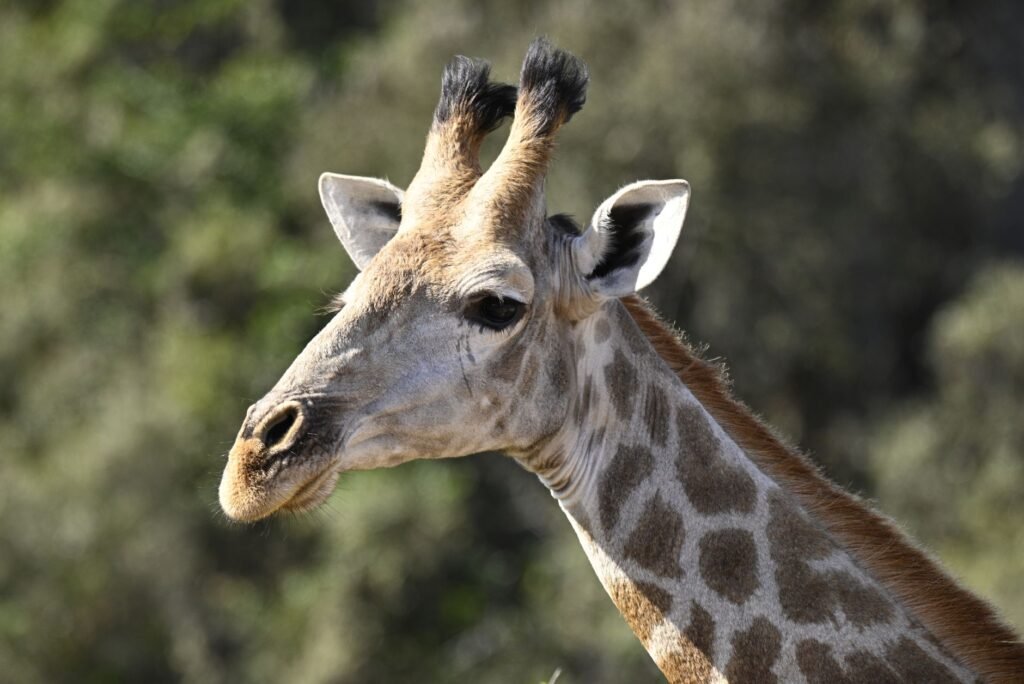
South Africa is famously home to the Big Five: lions, elephants, buffaloes, leopards, and rhinoceroses. These animals are not only significant to the tourism industry but also play a crucial role in the ecosystem. Understanding the behaviors and habitats of these animals can enhance your safari experience. For instance, lions are often spotted in prides, while elephants are known for their strong social bonds and intelligence.
When on a safari, be prepared for the unexpected. Wildlife sightings can vary greatly, and patience is key. It is advisable to spend time with a knowledgeable guide who can share insights about the animals and their environment, making your experience more enriching.
Conservation Initiatives
Conservation efforts in South Africa are critical due to the threats posed by poaching and habitat loss. Many national parks and private reserves are involved in initiatives to protect endangered species and educate the public about conservation. Participating in a conservation program or visiting a wildlife rehabilitation center can provide a deeper understanding of the challenges faced by wildlife and the ongoing efforts to mitigate them.
- Kruger National Park: One of the largest game reserves in Africa, focusing on habitat preservation.
- Elephant Sanctuary: Offers educational tours and opportunities to interact with rescued elephants.
- Wildlife Rehabilitation Centers: Many organizations focus on rehabilitating injured or orphaned animals.
By supporting these initiatives, you contribute to the well-being of South Africa’s wildlife and promote sustainable tourism practices.
Accommodation Options and Experiences
Types of Accommodation
South Africa offers a wide range of accommodation options to suit various budgets and preferences. From luxury lodges to budget hostels, visitors can find something that fits their needs. Here are some popular types of accommodations:
- Lodges and Game Reserves: Often located in or near national parks, these provide an immersive wildlife experience with guided tours.
- Guesthouses and B&Bs: Offering a more personal touch, these are often run by locals and provide insights into the area.
- Hotels: From luxury to budget options, hotels are widely available in urban areas and tourist hotspots.
- Backpackers: Ideal for budget travelers, these hostels offer dormitory-style lodging and are great for meeting fellow travelers.
When selecting accommodation, consider the location, amenities, and the type of experience you want. For instance, staying in a game lodge can provide unique wildlife experiences, while a city hotel may offer convenience to local attractions.
Unique Experiences
In addition to the traditional accommodation options, South Africa also offers unique experiences that can enhance your stay. Consider the following options:
- Farm Stays: Experience rural life by staying on a working farm, where you can participate in farming activities.
- Cultural Homestays: Live with a local family, learn about their customs, and enjoy traditional meals.
- Eco-Lodges: These are designed to have minimal impact on the environment while providing a comfortable stay.
Choosing these unique accommodations can provide a deeper connection to South Africa’s culture and environment, making your trip memorable.
Understanding South African Etiquette
Greetings and Communication
South Africa is a multicultural nation, and greetings can vary significantly across different communities. In general, a handshake is common among acquaintances, but some cultures prefer to greet with a hug or a kiss on the cheek. When meeting someone for the first time, it’s polite to use their title and surname until invited to use their first name.
In conversations, it’s essential to be respectful and avoid sensitive topics, particularly those related to politics and race, unless you are sure of the listener’s perspective. Understanding local slang and phrases can also enrich your experience, as South Africans often use a mix of English and local languages in casual conversation.
Gift Giving Customs
If you are invited to a local’s home, bringing a small gift is customary. Gifts such as flowers, wine, or traditional sweets are generally well-received. However, avoid giving gifts in sets of four, as this is considered unlucky in some cultures. Additionally, never present a gift with your left hand, as it is associated with negative connotations.

Environmental Awareness and Responsible Tourism
Leave No Trace Principles
South Africa is known for its breathtaking landscapes and diverse ecosystems. To preserve these natural wonders, travelers should adhere to Leave No Trace principles. This includes staying on marked trails, disposing of waste properly, and respecting wildlife habitats. Always carry out what you carry in, including food wrappers and other disposables.
Supporting Local Economies
Engaging with local businesses can significantly benefit the communities you visit. Opt for locally owned accommodations, markets, and tour operators when possible. This not only enhances your travel experience but also helps sustain the local economy. Here are ways to support local economies:
- Shop at local craft markets.
- Try street food from local vendors.
- Participate in community-led tours and workshops.
Health Precautions and Local Healthcare
Vaccinations and Medications
Before traveling to South Africa, it is advisable to check with a healthcare professional regarding necessary vaccinations, such as those for hepatitis A, typhoid, and rabies, depending on your travel itinerary. Malaria prevention medication may also be recommended if you plan to visit certain regions.
Accessing Healthcare Services
South Africa has a mix of public and private healthcare facilities. While major cities offer modern healthcare services, rural areas might have limited options. It’s wise to have travel insurance that covers medical expenses. Familiarize yourself with the nearest hospital or clinic at your destination, and keep emergency contact numbers handy.
Frequently Asked Questions
What vaccination do I need before traveling to South Africa?
It’s recommended to consult with a healthcare provider about vaccinations. Common advice includes vaccinations for hepatitis A, typhoid, and rabies, especially if you plan to visit rural areas.
Is it safe to travel alone in South Africa?
Many travelers explore South Africa solo without issues, but it’s important to stay aware of your surroundings and avoid risky areas, especially at night. Opt for guided tours when possible.
What is the currency used in South Africa?
The South African Rand (ZAR) is the local currency. Credit and debit cards are widely accepted, but it’s advisable to carry cash for small purchases or in remote areas.
How do I get around South Africa?
Getting around South Africa can be done through various modes of transport, including renting a car, using public transport, or domestic flights for longer distances. Rideshare services are also popular in urban areas.
The Bottom Line
Traveling to South Africa offers a wealth of experiences, from its vibrant cities to its stunning natural landscapes. Being informed about cultural nuances, safety measures, and practical travel tips can enhance your adventure. Equip yourself with the necessary knowledge, and you’re sure to have a memorable journey in this captivating country.