Key Takeaways
- Explore the historic medina, a UNESCO World Heritage site.
- Visit the famous Al Quaraouiyine University, the oldest in the world.
- Experience traditional Moroccan cuisine in local eateries.
- Take part in guided tours to fully appreciate Fez's rich culture.
Fez, Morocco, is a city steeped in history and culture, offering travelers a unique glimpse into the past. Known for its well-preserved medieval architecture and vibrant markets, Fez is often recognized as the cultural capital of Morocco. If you’re planning a visit, this guide will highlight the top things to do in Fez, ensuring you make the most of your trip.
The city’s rich tapestry of history, art, and tradition makes Fez a destination that stands apart from other Moroccan cities. From the intricate tile work that adorns its mosques to the aromatic spices that fill its bustling souks, Fez invites you to explore its wonders at every turn. Let’s dive into what you can experience in this magnificent city.
Exploring the Medina of Fez
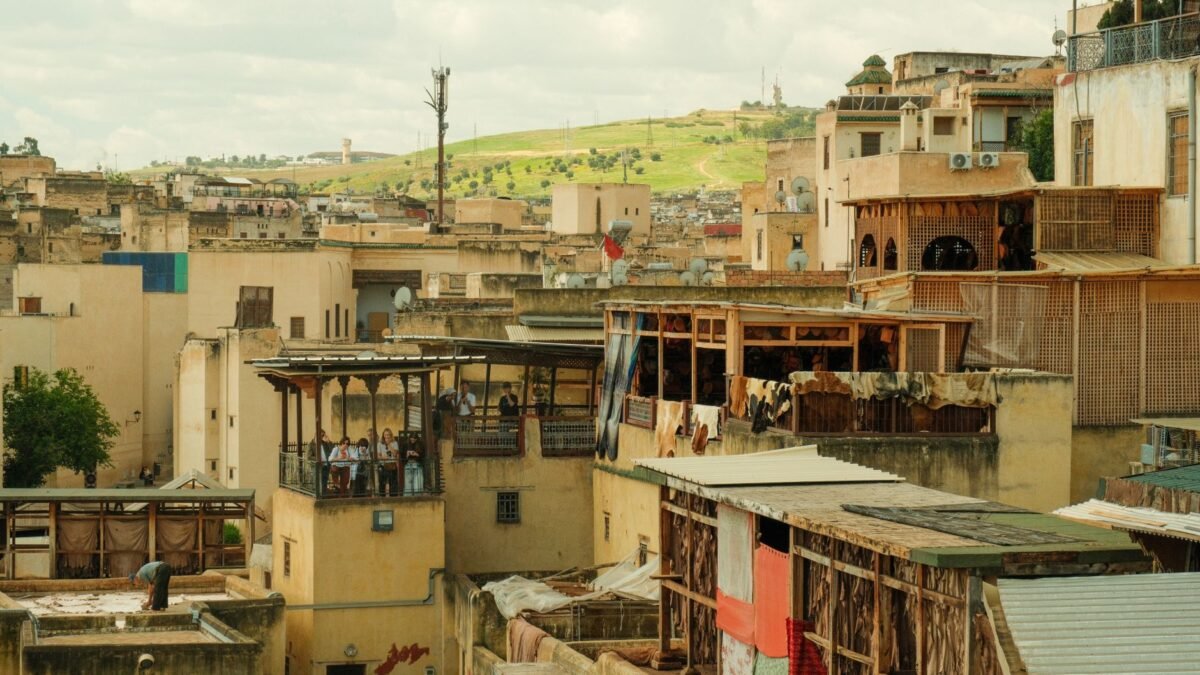
The Medina of Fez, a UNESCO World Heritage site, is one of the largest car-free urban areas in the world, making it a labyrinth of narrow alleyways, bustling markets, and historical landmarks. This area, known as Fes el-Bali, is where you will find a plethora of shops, artisans, and traditional Moroccan crafts.
As you wander through the Medina, take time to appreciate the stunning architecture that defines this ancient city. The intricate woodwork, tile mosaics, and elaborate carvings are emblematic of Moroccan craftsmanship. Don’t miss the chance to visit the Bou Inania Madrasa, a theological school featuring remarkable zellij tile work and a tranquil courtyard.
- Tip: Wear comfortable shoes, as you will do a lot of walking on uneven surfaces.
- Be aware: It can be easy to get lost in the Medina, so consider hiring a local guide or downloading a navigation app.
- Shopping: Keep an eye out for unique souvenirs such as leather goods, pottery, and traditional textiles.
Visiting the Al Quaraouiyine University
Al Quaraouiyine University is often touted as the oldest existing, continually operating higher educational institution in the world, founded in 859 AD. This renowned university has played a significant role in the history of Islamic education and culture. A visit here is not just about the academic legacy; the architecture is equally breathtaking, showcasing intricate designs that reflect the city’s historical significance.
While you may not be able to enter the classrooms, the surrounding areas of the university are rich with history and are worth exploring. The university is located adjacent to the mosque, which is a beautiful site to admire from the outside.
- Tip: Dress modestly when visiting religious sites and be respectful of the local customs.
- Photography: While you can take photos outside, be mindful of local rules regarding photography inside the mosque.
- Nearby attractions: Consider visiting the nearby tanneries for an authentic experience of traditional leather production.
Discovering Traditional Moroccan Cuisine
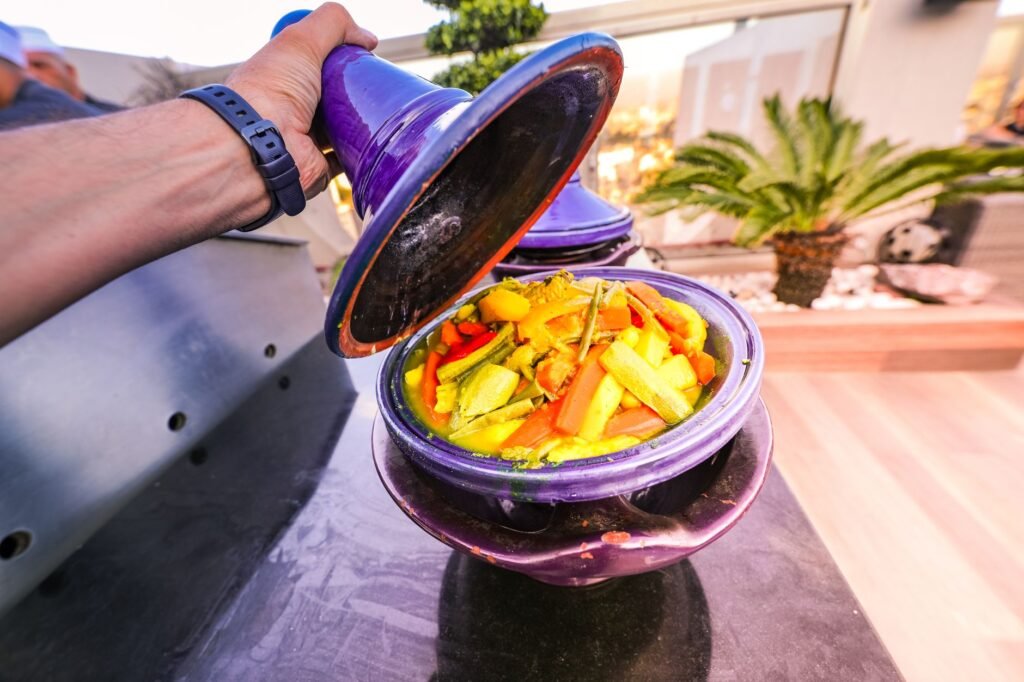
No visit to Fez would be complete without experiencing its culinary delights. The city is famous for its traditional Moroccan dishes, which are rich in flavor and spices. Local eateries offer a range of options, from street food to fine dining. Be sure to try the iconic tagine, a slow-cooked stew named after the earthenware pot it is cooked in, and couscous, which is a staple in Moroccan cuisine.
One popular spot is the famous restaurant, Café Clock, where you can enjoy traditional dishes along with modern twists. They also host cooking classes, allowing you to learn how to prepare Moroccan dishes yourself.
- Must-try dishes: Tagine, couscous, pastilla (a savory pie), and harira (a hearty soup).
- Dining tip: Enjoy a meal on a rooftop terrace to take in views of the Medina while dining.
- Street food: Look for stalls selling fresh orange juice and pastries for a quick snack.
Exploring the Historic Tanneries
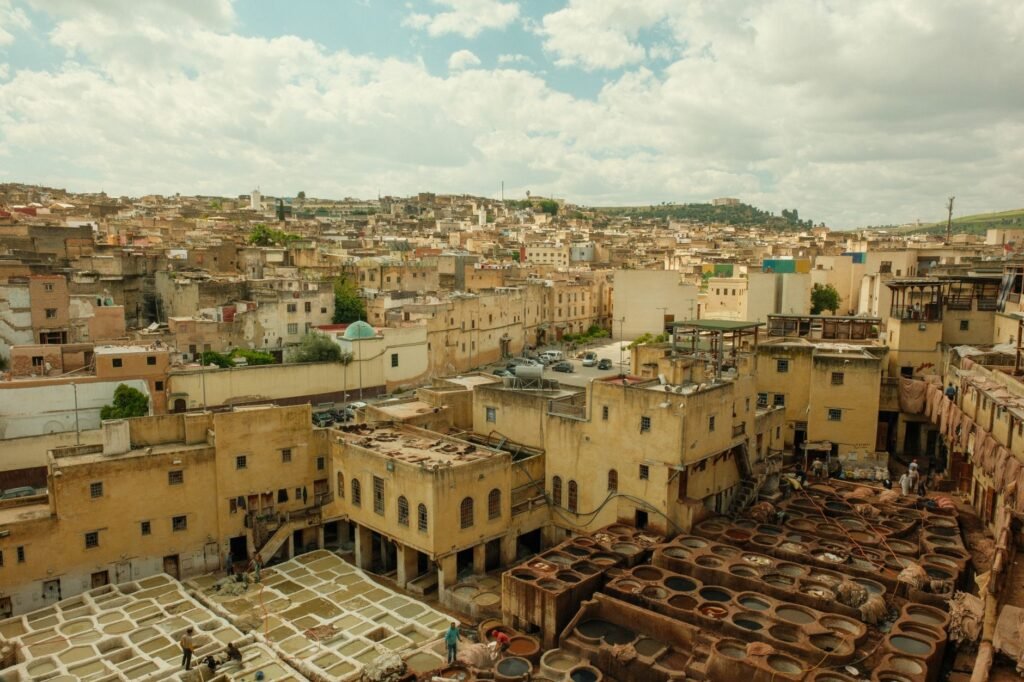
The tanneries of Fez are a fascinating aspect of the city’s craftsmanship. The Chouara Tannery, one of the largest in the city, is a lively area where leather is processed using traditional methods that have remained unchanged for centuries. The sight of vibrant dyes and workers processing hides is both mesmerizing and educational.
Visitors can observe the process from nearby terraces, where you can get a panoramic view of the tanneries. The smell can be quite strong, so it’s advisable to hold your breath or cover your nose with a cloth, especially if you are sensitive to odors.
- Visiting hours: The tanneries are typically open to visitors during the day; check locally for specific times.
- Buying leather: Consider purchasing a leather item as a souvenir; negotiate prices to get the best deal.
- Photography: Capture the colorful scenes but be respectful of the workers.
Strolling Through the Gardens of Fez
Fez is home to several lovely gardens that provide a peaceful escape from the bustling Medina. The Jnan Sbil Gardens, located near the Royal Palace, is a beautifully landscaped area filled with fountains, pathways, and various plant species. It’s an ideal spot for a leisurely stroll or a picnic.
Another beautiful garden to visit is the Jardin Jnan Sbil, which features a mix of native and exotic plants, creating a serene environment for relaxation. These gardens are perfect for families, couples, or anyone looking to enjoy a moment of tranquility amidst the city’s vibrancy.
- Tip: Visit early in the morning to avoid crowds and enjoy the gardens in peace.
- Family-friendly: These gardens are great for children to run around and explore.
- Bring a book: It’s a perfect place to relax with a good book and enjoy nature.
Experiencing Local Markets and Souks
The souks of Fez are a vibrant tapestry of sights, sounds, and smells, offering an authentic shopping experience. Here, you can find everything from spices and textiles to artisanal crafts. The Souk el Henna is famous for its herbal remedies and natural dyes, while the Souk el Attarine specializes in spices and perfumes.
Negotiating prices is a common practice in Moroccan markets, so be prepared to haggle. This not only helps you get a better deal but also enhances the cultural experience of shopping in Fez.
- Must-visit souks: Souk el Attarine for spices, Souk el Henna for herbal products, and Souk Talaa Kbira for textiles.
- Tip: Bring cash, as many vendors do not accept credit cards.
- Local artisans: Look for unique handmade items to take home as souvenirs.
Visiting Historical Mosques and Medersas
Fez is dotted with beautiful mosques and medersas (Islamic schools) that showcase the city’s architectural heritage. The Mosque of Bou Inania is one of the few mosques in Morocco open to non-Muslims and is known for its stunning minaret and intricate tile work.
Another notable site is the Medersa el-Attarine, which is renowned for its elaborate zellij tile work and wood carvings. These historical sites reflect the rich Islamic architecture and provide insight into the educational practices of the time.
- Visiting hours: Many mosques are not open to non-Muslims; however, medersas generally welcome visitors.
- Respectful behavior: Dress modestly and maintain a respectful demeanor while visiting religious sites.
- Guided tours: Consider joining a guided tour to gain a deeper understanding of the history and significance of these sites.
Engaging with Local Culture and Traditions
Fez is a hub of Moroccan culture, and engaging with the locals can provide insights into their traditions and daily lives. Attend cultural events, festivals, or even cooking classes to immerse yourself in the local way of life. Festivals such as the Fez Festival of World Sacred Music attract international artists and celebrate diverse musical traditions.
Participating in a traditional Moroccan tea ceremony is another way to engage with the culture. This ceremony is an important social ritual, and learning about it can enhance your travel experience. Many cafes and restaurants offer this experience, where you can enjoy mint tea, a Moroccan staple.
- Tip: Seek out community events to interact with locals and learn more about their traditions.
- Cooking classes: Many establishments offer classes where you can learn to prepare Moroccan dishes.
- Musical events: Check local listings for concerts or performances during your visit.
Exploring the Ancient City Walls of Fez
The Historical Significance of the Walls
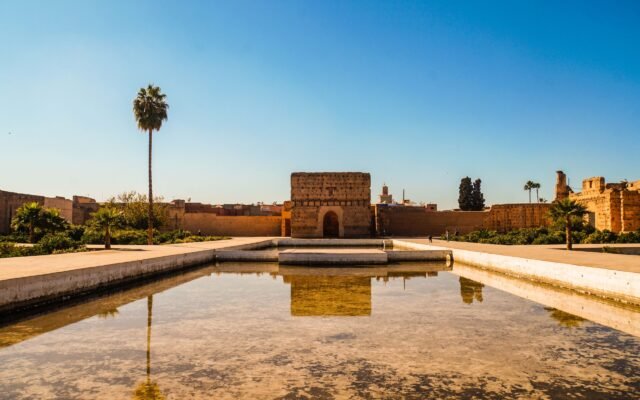
The city walls of Fez are a remarkable testament to the city’s historical fortifications, dating back to the 12th century. These walls were constructed primarily for defense against invaders and served as a boundary to protect the wealth of the city. Spanning approximately 14 kilometers, the walls are made from local stone and clay, showcasing the architectural prowess of the time.
Visitors can walk along sections of the walls, which offer stunning panoramic views of both the ancient medina and the new city. The walls are adorned with several gates, each with its own unique design and historical story, such as the iconic Bab Boujloud, known for its intricate tile work and vibrant blue color.
Walking Tours and Guided Experiences
To fully appreciate the history and architecture of the city walls, consider joining a guided walking tour. Local guides can provide in-depth information about the construction techniques used and the historical context of the walls. Some tours even include specific storytelling sessions about historical events that took place around these fortifications.
For those preferring a more independent exploration, renting a bicycle is a great option. You can ride along the wall perimeter, stopping at various gates and lookout points. This approach allows for a leisurely pace and the opportunity to capture stunning photographs.
- Highlights of the City Walls:
- Bab Boujloud Gate
- Bab Rcif Gate
- Views of the Medina from the Ramparts
Visiting the Royal Palace of Fez
A Glimpse into Moroccan Royal History
The Royal Palace of Fez, known as Dar el-Makhzen, is a splendid example of Moroccan architecture and a significant site for understanding the country’s royal heritage. Although the palace is not open to the public, the exterior is worth a visit for its stunning mosaics, elaborate doorways, and lush gardens. The grandeur of the palace is evident from the moment you approach its impressive gates.
Constructed in the 14th century, the palace serves as the official residence of the King of Morocco when he visits Fez. The intricate tile work and the massive brass doors, which are gilded and ornately decorated, are a photographer’s dream and reflect the opulence associated with Moroccan royalty.
Exploring the Surrounding Area
While the palace itself is not accessible, the surrounding area offers a variety of experiences. Nearby, you can find the Mellah, or Jewish quarter, which is rich in history and is home to several synagogues and Jewish cemeteries. This area provides a unique perspective on the multicultural history of Fez.
Additionally, consider visiting the nearby Place de la République, where locals gather and socialize. This open square is a great spot to sit and enjoy a cup of mint tea while soaking in the atmosphere.
- Key Features of the Royal Palace:
- Gilded Brass Doors
- Stunning Mosaics
- Lush Gardens
Experiencing Traditional Moroccan Music and Arts
The Vibrant Music Scene in Fez
Fez is not only known for its historical significance but also for its rich musical heritage. The city hosts a variety of music festivals throughout the year, showcasing traditional Moroccan music styles such as Andalusian and Berber music. Attending a live performance is a must-do for anyone looking to dive deeper into the local culture.
One of the most notable events is the Fez Festival of World Sacred Music, which brings together artists from around the globe. The festival typically features a mix of traditional and contemporary music, allowing visitors to experience the fusion of different cultural sounds.
Artisan Workshops and Cultural Classes
In addition to music, Fez is renowned for its artisan crafts, including pottery, weaving, and calligraphy. Many workshops offer classes where you can learn from skilled artisans. Participating in these workshops not only provides insight into traditional crafts but also allows you to create your own piece to take home as a memorable souvenir.
Classes often range from a few hours to several days, depending on your interest. This hands-on experience is a fantastic way to connect with local culture while supporting traditional crafts.
- Popular Music and Art Experiences:
- Fez Festival of World Sacred Music
- Traditional Instrument Workshops
- Pottery and Mosaic Classes
Frequently Asked Questions
What is the best time to visit Fez?
The best time to visit Fez is during the spring (March to May) and fall (September to November) when the weather is mild and pleasant for exploring the city.
Is it safe to walk around Fez?
Fez is generally safe for tourists, but it’s advisable to stay aware of your surroundings, especially in crowded areas, and avoid displaying valuables.
Do I need to know Arabic to navigate Fez?
While knowing Arabic can be helpful, many locals speak French and English, especially in tourist areas, making it easier to communicate.
What should I wear while visiting Fez?
Dress modestly when visiting religious sites, and wear comfortable clothing suitable for walking, as you will be exploring the city’s winding streets.
The Bottom Line
Fez offers a rich tapestry of history, culture, and culinary delights that make it a must-visit destination in Morocco. From exploring its ancient medina to tasting traditional Moroccan dishes, there are countless experiences awaiting travelers. Make sure to plan your itinerary to include these top things to do in Fez, ensuring a memorable journey through this enchanting city.