Key Takeaways
- Explore the ancient city of Petra, a UNESCO World Heritage site.
- Experience the unique landscapes of Wadi Rum and the Dead Sea.
- Visit the vibrant capital, Amman, for a taste of local culture.
- Enjoy delicious Jordanian cuisine at local restaurants.
Jordan, a country rich in history and natural beauty, offers travelers a unique blend of ancient sites and breathtaking landscapes. From the iconic city of Petra to the serene waters of the Dead Sea, there are countless experiences waiting for discovery. This guide will outline the top things to do in Jordan, ensuring that you make the most of your visit.
With a welcoming culture and diverse geography, Jordan is a destination that caters to all types of travelers. Whether you’re an adventure seeker, a history buff, or someone looking to relax, Jordan has something special for you. Join us as we explore the must-see attractions and experiences that define this remarkable country.
1. Explore Petra
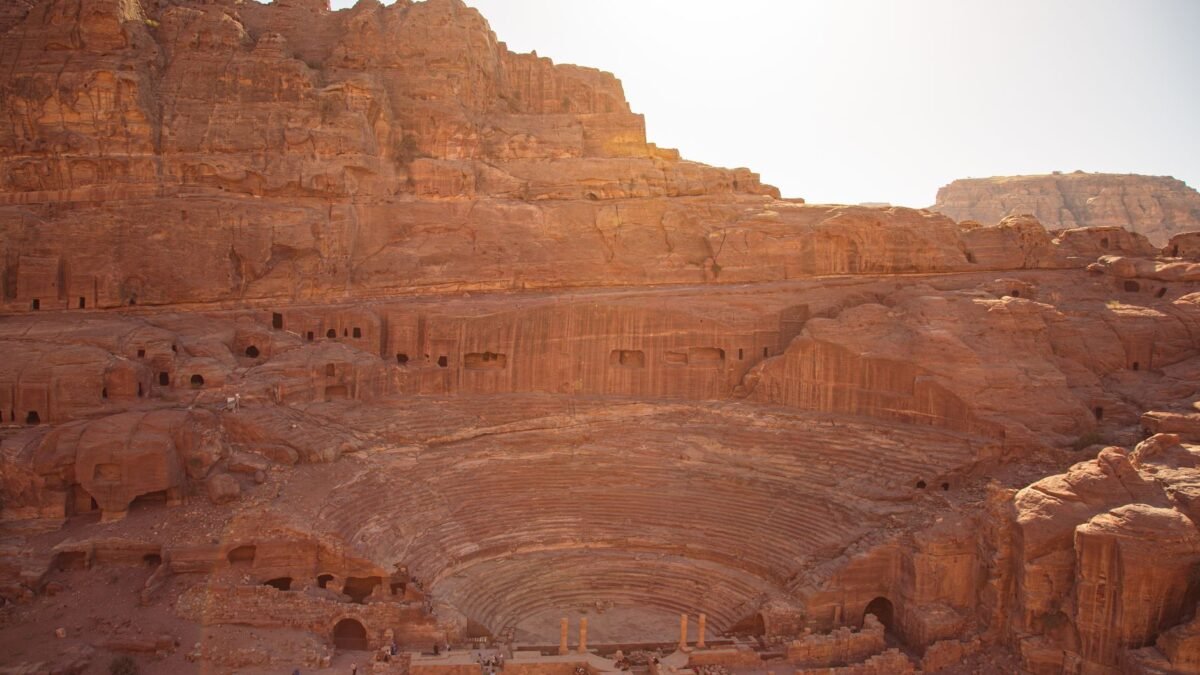
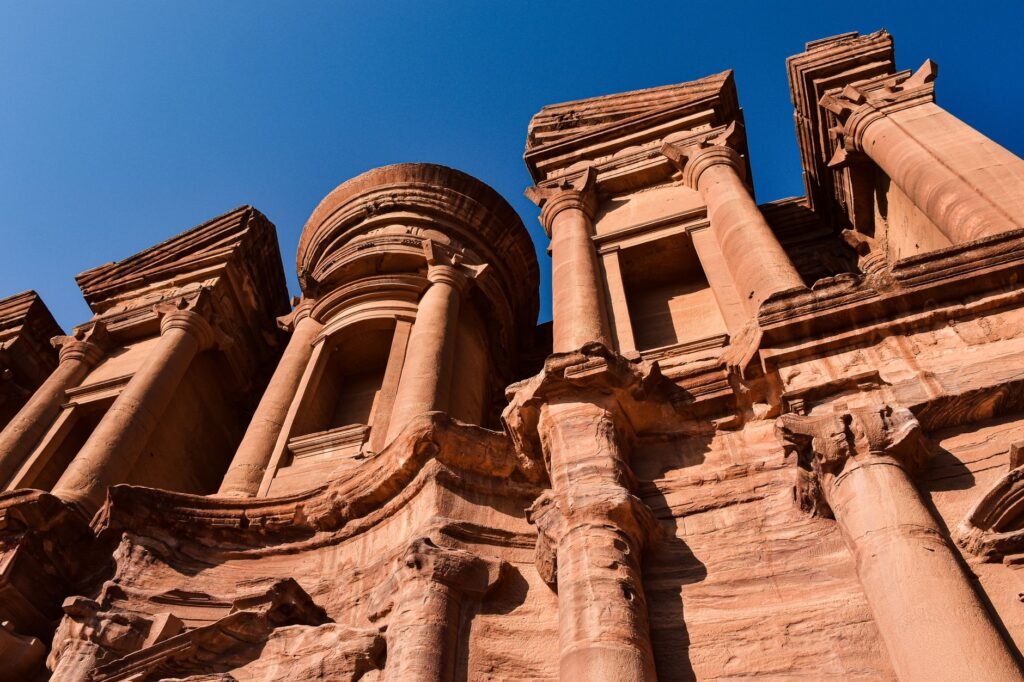
Petra, one of the New Seven Wonders of the World, is a must-visit for anyone traveling to Jordan. This ancient city, carved into rose-red rock, dates back to the 5th century BC and served as a thriving trading hub. Visitors can explore its impressive structures, such as the Treasury and the Monastery, which are accessible via a winding path through the Siq, a narrow gorge.
When visiting Petra, it’s essential to allow yourself ample time to explore. The site is expansive, covering over 100 square kilometers. Many tourists choose to spend a full day at Petra, but for those who want to take their time, consider staying overnight in one of the nearby accommodations. This allows for a quieter experience and the chance to witness the breathtaking sunset over the mountains.
Be sure to wear comfortable shoes, as the terrain can be uneven. It’s also advisable to bring water and snacks, as amenities within the site are limited. To enhance your visit, consider hiring a local guide who can provide insight into Petra’s rich history and significance.
Key Highlights of Petra
- The Treasury: Known as Al-Khazneh, this is the most famous structure in Petra and is a stunning example of Nabatean architecture.
- The Monastery: Located high on a hill, this massive structure requires a steep climb but rewards visitors with spectacular views.
- Petra by Night: This unique experience allows visitors to see Petra illuminated by thousands of candles, creating a magical atmosphere.
2. Visit the Dead Sea
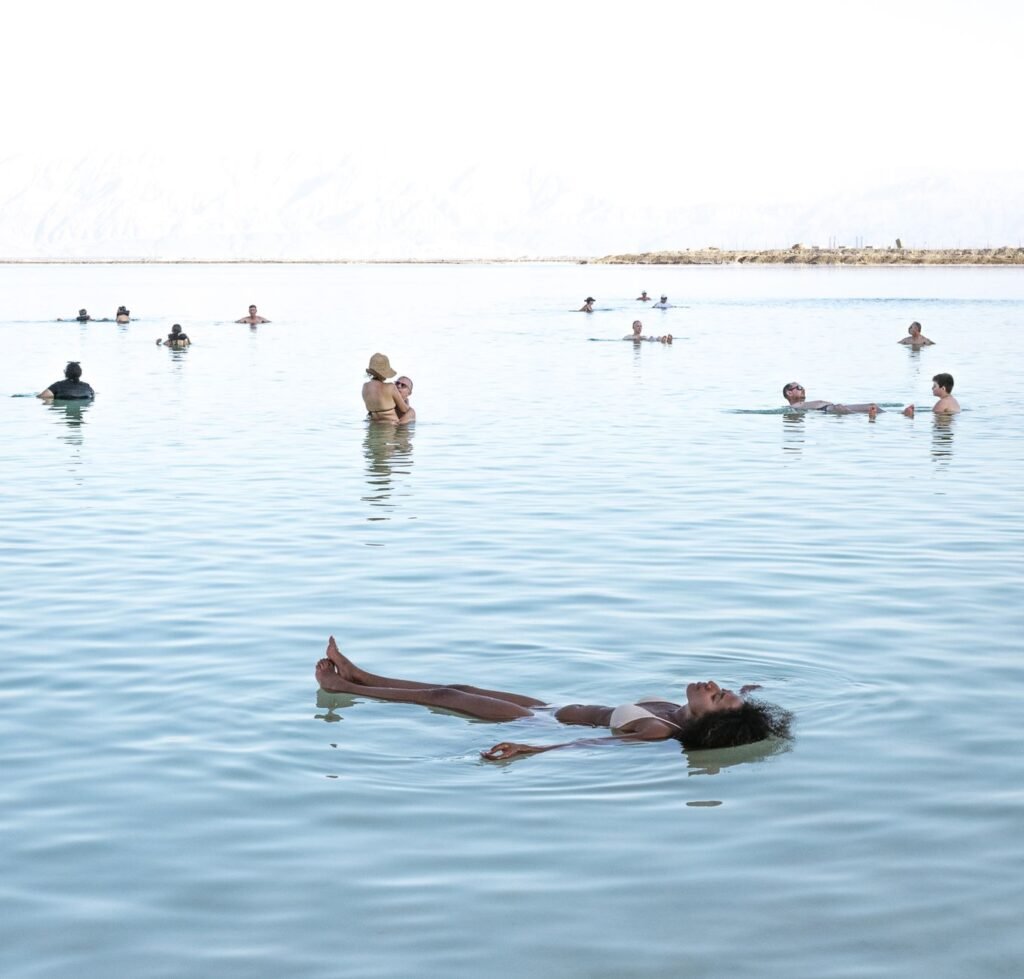
The Dead Sea, the lowest point on Earth, is renowned for its high salinity and mineral-rich waters. This unique lake allows visitors to float effortlessly, making for a fun and relaxing experience. The mineral content in the water is also believed to have therapeutic properties, attracting those seeking wellness benefits.
There are several resorts along the Dead Sea that provide access to private beaches and spa services. While some charge entry fees, the experience is often worth it for the amenities offered. Visitors can indulge in mud treatments, which are said to be beneficial for skin health, and enjoy the view of the surrounding desert landscape.
When planning your visit, be aware that the Dead Sea can get quite hot, especially in the summer months. Early morning or late afternoon visits are ideal to avoid the peak heat. Don’t forget to bring water and sunscreen, and be cautious with the water, as it can irritate cuts or sensitive skin.
Best Activities at the Dead Sea
- Floating: Experience the sensation of weightlessness as you float in the salty waters.
- Dead Sea Mud: Apply the mineral-rich mud to your skin for a natural spa experience.
- Sunset Views: Enjoy stunning sunsets as the sun dips below the horizon, casting beautiful colors across the water.
3. Discover Wadi Rum
Wadi Rum, also known as the Valley of the Moon, is a protected desert wilderness known for its stunning rock formations and vast landscapes. This area is a favorite among adventurers and offers a range of activities, including hiking, rock climbing, and jeep tours. The striking scenery has also served as the backdrop for numerous films, including
Experience Jordan’s Rich Culinary Heritage
Traditional Dishes to Try
Jordanian cuisine is a delightful blend of flavors influenced by various cultures throughout history. The use of fresh ingredients and aromatic spices makes it a unique experience for food lovers. Here are some traditional dishes you shouldn’t miss:
- Maqluba: A dish made by layering rice, vegetables, and meat, which is then flipped upside down when served.
- Mansaf: The national dish of Jordan, consisting of lamb cooked in a sauce of fermented dried yogurt and served over rice.
- Falafel: Deep-fried balls made from ground chickpeas, often served in pita bread with various toppings.
Each of these dishes tells a story and reflects the traditions of Jordan. Eating them in local restaurants or at family gatherings can provide a deeper insight into the culture.
Food Tours: A Delicious Way to Explore
Participating in a food tour is an excellent way to immerse yourself in Jordan’s culinary landscape. These tours often take you through bustling markets and local eateries, allowing you to taste a variety of dishes while learning about their history and preparation methods.
Many food tours also include visits to traditional markets, where you can see the vibrant array of spices, fresh produce, and artisanal products. Local guides often share personal stories and insights, enriching your understanding of each dish and its significance in Jordanian culture.
Cooking Classes: Learn to Make Jordanian Dishes
If you’re inspired by Jordanian cuisine, consider taking a cooking class. Many local chefs offer classes where you can learn to prepare traditional meals from scratch. Classes typically start with a visit to the market to select fresh ingredients, followed by a hands-on cooking experience in a home or professional kitchen.
At the end of the class, you’ll not only enjoy the fruits of your labor but also gain valuable skills to recreate these dishes at home. This experience often includes learning about the cultural significance of the food and the stories behind the recipes.
Unwind in Jordan’s Natural Hot Springs
The Healing Properties of Ma’in Hot Springs
Ma’in Hot Springs, located near the Dead Sea, is a natural wonder famous for its therapeutic properties. The springs are rich in minerals, making them a popular destination for those seeking relaxation and healing. Visitors can soak in the warm waters and enjoy the picturesque surroundings of the rugged Jordanian landscape.
Many resorts in the area offer spa treatments that incorporate the mineral-rich waters, providing an ideal way to unwind after a day of exploration. You can indulge in massages, facials, and other wellness treatments that utilize local ingredients and traditions.
Experience the Serenity of Hammamat Ma’in
Hammamat Ma’in is another popular hot spring destination, featuring cascading waterfalls and mineral pools. The natural setting is tranquil and serene, perfect for those looking to escape the hustle and bustle of city life. The warm waters are believed to alleviate stress and promote relaxation, making it a must-visit for wellness enthusiasts.
Visitors can enjoy a variety of activities here, including swimming in the pools, hiking nearby trails, or simply lounging and enjoying the view. The area is well-equipped with facilities, including cafes and relaxation areas, ensuring a comfortable visit.
Other Notable Hot Springs in Jordan
Aside from Ma’in and Hammamat Ma’in, Jordan is home to several other hot springs that offer unique experiences. Here are a few noteworthy locations:
- Dead Sea Hot Springs: Known for their mineral-rich waters and mud, these springs provide an excellent opportunity for relaxation and skincare.
- Ajloun Hot Springs: Nestled in the northern part of Jordan, these springs are surrounded by lush greenery, offering a tranquil escape from city life.
- Wadi Al Mujib Hot Springs: Located in the Mujib Nature Reserve, these springs allow visitors to experience the unique ecosystem of the area while enjoying the therapeutic benefits of the water.
Explore Jordan’s Cultural Heritage Sites
The Ancient City of Jerash
Jerash, one of the best-preserved Roman cities outside of Italy, offers a fascinating glimpse into Jordan’s rich history. Walking through its ancient streets, you can see impressive ruins, including temples, theaters, and colonnaded streets. The site is a UNESCO World Heritage Site and hosts various cultural festivals throughout the year.
A visit to Jerash is not only about marveling at the architecture, but it also offers opportunities to engage with local culture. Visitors can often witness traditional performances, including music and dance, that showcase the heritage of the region.
The Heritage of Karak Castle
Karak Castle, a historical fortress built during the Crusades, is an essential stop for history buffs. The castle offers breathtaking views of the surrounding landscape and provides insights into the strategic importance of the region during ancient conflicts.
Exploring the castle’s various halls, towers, and secret passages can be an adventurous experience. Guided tours are available, and knowledgeable guides share stories about the castle’s history, its role in the Crusades, and the various civilizations that have inhabited the area.
Visit the UNESCO World Heritage Site of Quseir Amra
Another important cultural site is Quseir Amra, a desert castle that dates back to the early Islamic period. This site is renowned for its exceptional frescoes and unique architectural style, showcasing the artistic achievements of that era. The castle is often considered a masterpiece of early Islamic art.
Visitors can explore the intricate designs and paintings that adorn the walls, many of which depict scenes of daily life and nature. Engaging with local historians or archaeologists can enhance your understanding of the significance of this site in Jordan’s history.

Adventure Activities in Jordan
1. Hiking in the Mujib Biosphere Reserve
The Mujib Biosphere Reserve is a breathtaking destination for hiking enthusiasts. This reserve, known for its stunning canyons and diverse landscapes, offers a unique experience where visitors can trek through various trails. The most popular route is the Siq Trail, which takes you through a narrow gorge that leads to the Mujib River. The scenery is spectacular, with towering cliffs and the soothing sounds of the water making it an exceptional adventure.
As you hike, you may encounter rare wildlife and a variety of plant species endemic to the region. The reserve is also home to several waterfalls and natural pools, making it ideal for a refreshing dip after a long hike. Remember to bring appropriate hiking gear, plenty of water, and a camera to capture the stunning views.
- Siq Trail: 8 km round trip
- Waterfall Trail: 4 km round trip
- Wildlife Spotting: Ibex, various birds, and unique flora
2. Dive into the Red Sea at Aqaba
Aqaba, Jordan’s only coastal city, offers some of the best diving experiences in the region. With its crystal-clear waters and vibrant coral reefs, divers of all levels can explore underwater wonders. The area is home to numerous dive sites, such as the famous Cedar Pride wreck, which is a must-visit for experienced divers.
For those new to diving, several local operators provide PADI certification courses and beginner-friendly dives. Snorkeling is also an excellent option for those who want to enjoy the marine life without diving deep. The warm waters of the Red Sea host an array of colorful fish, sea turtles, and mesmerizing coral formations.
- Top Dive Sites: Cedar Pride wreck, Japanese Gardens, and the Coral Gardens
- Best Time to Dive: March to June and September to November
- Marine Life: Lionfish, clownfish, and dolphins
3. Explore the Historical City of Jerash
Jerash, one of the best-preserved Roman cities outside of Italy, is an archaeological marvel that showcases the grandeur of ancient Roman civilization. Walking through the colonnaded streets, visitors can admire the stunning architecture and intricate mosaics that tell the story of the city’s rich history. Key highlights include the Oval Plaza, the Temple of Artemis, and the North and South theaters.
Guided tours are available to provide deeper insights into the history and significance of each site, making the experience even more enriching. The Jerash Festival of Culture and Arts, held annually, is another reason to visit, as it features performances, art exhibitions, and local crafts, bringing the ancient city to life.
- Must-See Attractions: Oval Plaza, Temple of Zeus, and the Nymphaeum
- Best Time to Visit: April and October for pleasant weather
- Annual Events: Jerash Festival of Culture and Arts
Experiencing Jordanian Hospitality through Community-Based Tourism
1. Stay with a Local Family
One of the most authentic ways to experience Jordanian culture is by staying with a local family. This community-based tourism initiative allows visitors to immerse themselves in the daily lives of Jordanians. Many families offer homestays where guests can enjoy traditional meals, learn about local customs, and participate in family activities.
Staying with a local family not only offers a unique experience but also supports the local economy. Meals are often cooked using traditional recipes, allowing you to taste authentic Jordanian dishes such as mansaf or maqluba. Additionally, families often share stories about their heritage, providing a deeper understanding of the culture.
- Benefits of Homestays: Authentic cultural experience, support local economy
- Typical Meals: Mansaf, maqluba, and kunafa
- Activities: Cooking classes, traditional crafts, and local tours
2. Participate in Local Festivals
Jordan hosts various local festivals throughout the year, celebrating the country’s rich heritage and traditions. Participating in these festivals gives visitors a chance to engage with the community and experience Jordanian culture firsthand. Popular festivals include the Jerash Festival, the Olive Harvest Festival, and the Aqaba Traditional Arts Festival.
These events feature a range of activities, including traditional music, dance performances, and artisanal craft markets. Visitors can also enjoy local foods and beverages, making it a delightful experience for all the senses. Engaging with locals during these festivals creates lasting memories and fosters cultural exchange.
- Popular Festivals: Jerash Festival, Olive Harvest Festival, Aqaba Traditional Arts Festival
- Activities: Music performances, dance shows, and local food tastings
- Best Times to Visit: Varies by festival, typically spring and fall
3. Volunteer Opportunities in Jordan
For those looking to give back, there are several volunteer opportunities in Jordan that allow you to make a positive impact while experiencing the culture. Organizations focus on various areas, including education, environmental conservation, and community development. Volunteering not only provides valuable support to local communities but also creates an immersive experience.
Many organizations welcome travelers with diverse skills, and the time commitment can range from a few days to several months. Volunteering can lead to meaningful connections with locals and a deeper understanding of the challenges faced by communities in Jordan. This engagement often enhances your travel experience and contributes to sustainable tourism.
- Areas of Focus: Education, environmental conservation, community development
- Types of Opportunities: Teaching, wildlife conservation, and community assistance
- Time Commitment: Flexible options available based on organization
Frequently Asked Questions
What is the best time to visit Jordan?
The best times to visit Jordan are spring (March to May) and fall (September to November) when the weather is mild and pleasant for outdoor activities.
Are there family-friendly activities in Jordan?
Yes, Jordan offers various family-friendly activities such as visiting the Dead Sea for floating, exploring Petra, and enjoying local festivals that are engaging for all ages.
What should I wear when visiting Jordan's cultural sites?
Dress modestly when visiting cultural sites, with women advised to wear long skirts or trousers and men in long trousers. Comfortable shoes are also essential for walking on uneven terrain.
Can I drink tap water in Jordan?
It's advisable to drink bottled water while in Jordan, as tap water may not be suitable for all visitors. Always check with local sources or your accommodation.
The Bottom Line
Jordan is a treasure trove of history, culture, and breathtaking landscapes. Whether you are exploring Petra, floating in the Dead Sea, or indulging in local cuisine, each experience offers a unique glimpse into the heart of this remarkable country. Embrace the warmth of Jordanian hospitality and create unforgettable memories during your visit.