Key Takeaways
- Experience rich cultural heritage through historical sites.
- Explore stunning natural landscapes and national parks.
- Delight in vibrant local markets and culinary offerings.
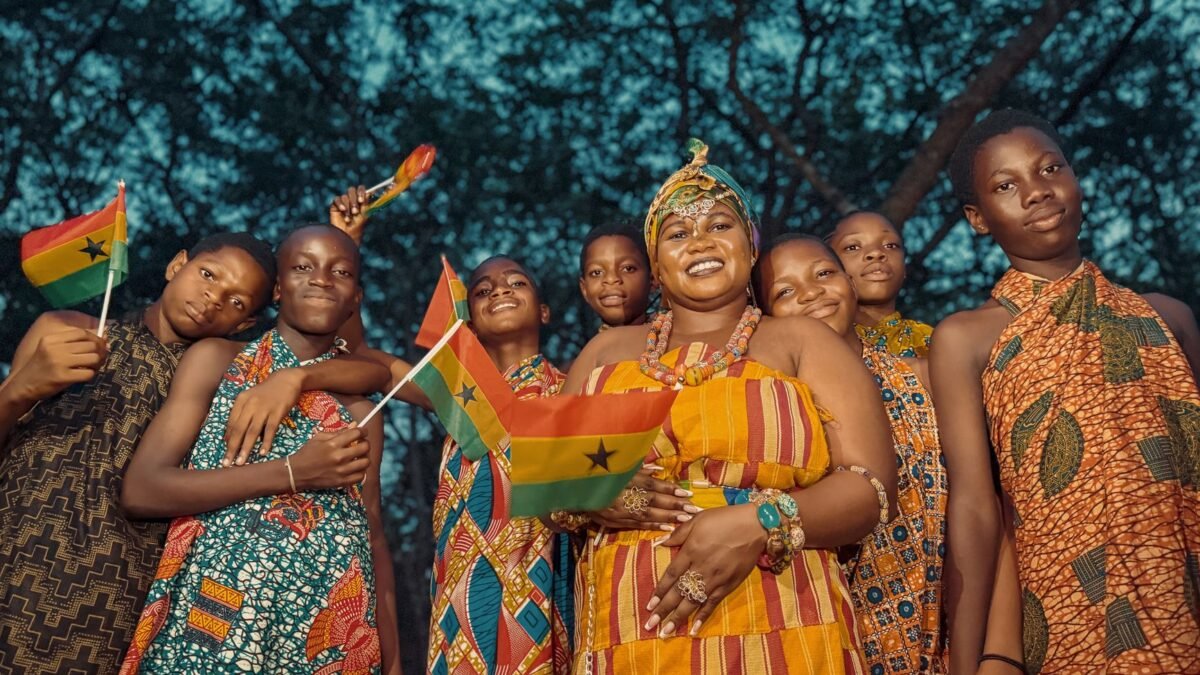
- Engage with friendly locals for a memorable trip.
Ghana, a West African nation known for its rich cultural heritage and stunning natural beauty, offers a wealth of experiences for every traveler. From bustling cities to serene beaches, this country is a vibrant tapestry of history and tradition. In this guide, we will explore the top things to do in Ghana, ensuring you make the most of your visit.
Whether you’re interested in exploring historical forts, enjoying the diverse wildlife, or indulging in local cuisine, Ghana has something for everyone. This article will provide practical tips and insights to help you navigate your adventure in this captivating country.
As you plan your trip, consider the activities that resonate with your interests. This guide will cover a variety of attractions, from cultural landmarks to natural wonders, ensuring a well-rounded experience that highlights the best of Ghana.
Historical Sites and Cultural Experiences
Ghana’s history is rich and complex, with significant contributions to the world’s cultural heritage. A visit to historical sites will give you a deeper understanding of this nation’s past.
Cape Coast Castle
One of the most poignant sites is Cape Coast Castle, a UNESCO World Heritage Site. Once a major hub for the transatlantic slave trade, this castle now serves as a museum that educates visitors on its dark history. Guided tours provide powerful insights, walking you through the dungeons and the infamous ‘Door of No Return’.
Elmina Castle
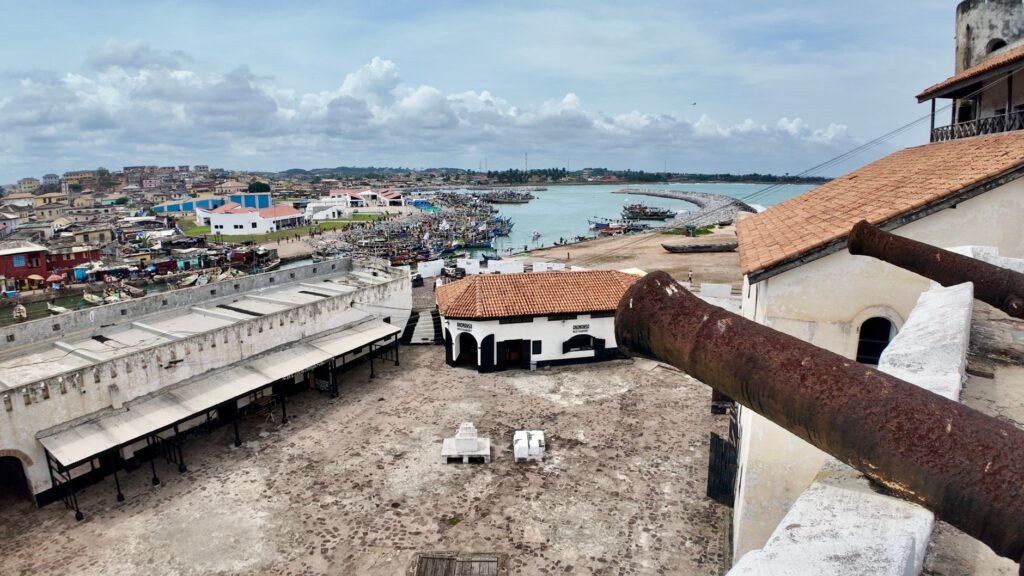
Another vital historical site is Elmina Castle, the oldest European structure in sub-Saharan Africa. Built by the Portuguese in 1482, it offers a similar narrative to Cape Coast Castle. The architecture is stunning, and the guided tours highlight the castle’s role in the slave trade and its effects on Ghanaian society.
Kwame Nkrumah Mausoleum
This mausoleum is dedicated to Ghana’s first president and a key figure in the African independence movement. Surrounded by beautiful gardens, it houses a museum that showcases artifacts related to Nkrumah’s life and the history of Ghana’s independence. The site is a serene place to reflect on Ghana’s history and its leaders.
Natural Wonders and Outdoor Activities
Ghana is not only rich in history but also blessed with stunning landscapes and diverse ecosystems. Exploring its natural beauty is a must for any traveler.
Kakum National Park
Located just north of Cape Coast, Kakum National Park features a unique canopy walkway that allows visitors to experience the rainforest from above. The park is home to various wildlife, including monkeys and over 250 species of birds. Guided hikes are available, providing insights into the park’s flora and fauna while ensuring safety.
Mole National Park
For those seeking a safari experience, Mole National Park is the largest wildlife refuge in Ghana. Visitors can embark on guided walking safaris or jeep tours to encounter elephants, antelopes, and various bird species. The park’s accommodations range from basic lodges to more luxurious options, allowing for flexibility based on your budget.
Wli Waterfalls
Wli Waterfalls, located in the Volta Region, is the highest waterfall in West Africa. The trek to the falls takes about 30 minutes through lush rainforest, where you may spot monkeys and colorful butterflies. The sight of the cascading water is breathtaking, and there are designated swimming areas for a refreshing dip.
Vibrant Markets and Culinary Experiences
Ghana’s markets are a feast for the senses, showcasing the country’s vibrant culture and culinary delights. Engaging with locals at these markets is an essential part of the Ghanaian experience.
Makola Market
Located in Accra, Makola Market is a bustling hub where you can find everything from fresh produce to textiles. It’s a great place to immerse yourself in local life. Be prepared to haggle; bargaining is expected and can enhance your shopping experience.
Osu Night Market
For a taste of local street food, the Osu Night Market is a must-visit. As the sun sets, food stalls come alive with the aroma of grilled kebabs, fried plantains, and local dishes like jollof rice. Eating at the market allows you to sample various flavors and dishes unique to Ghana.
Culinary Tours
Consider joining a culinary tour that showcases traditional cooking methods. Many local chefs offer classes where you can learn to prepare classic dishes like banku and tilapia or fufu with light soup. These experiences not only teach you about Ghanaian cuisine but also connect you with the culture.
Beach Destinations and Relaxation
Ghana’s coastline is dotted with beautiful beaches perfect for relaxation and recreation. Whether you want to unwind or engage in water activities, the beaches have something for everyone.
Labadi Beach
Labadi Beach is one of Accra’s most popular beaches, attracting both locals and tourists. Here, you can enjoy horseback riding along the shore or participate in beach games. Numerous bars and restaurants line the beach, making it a great spot for socializing.
Anomabo Beach
For a quieter experience, Anomabo Beach offers a more serene atmosphere. This beach is less crowded and is known for its clear waters and beautiful sunsets. Enjoy a day of swimming or simply relax on the sand with a good book.
Busua Beach
Busua Beach is famous for its surfing opportunities. The waves attract surfers from around the world, and several schools offer lessons for beginners. If surfing isn’t your thing, the beach is also ideal for sunbathing or enjoying fresh seafood at beachside restaurants.
Festivals and Cultural Events
Ghana is known for its lively festivals that celebrate heritage and community. Participating in these events provides a unique insight into the local culture.
Panafest
Panafest is a biennial festival that celebrates the African diaspora and promotes unity among people of African descent. It features cultural performances, workshops, and discussions, attracting participants and tourists from around the world. This festival is typically held in July or August, so plan your visit accordingly.
Homowo Festival
Homowo, celebrated by the Ga people of Accra, is a harvest festival that involves music, dance, and traditional dishes. It usually occurs between August and September and is a great way to experience local customs and community spirit.
Chale Wote Street Art Festival
Every August, the Chale Wote Street Art Festival transforms the streets of Jamestown into an open-air gallery. Artists from various backgrounds come together to showcase their work, including murals, performances, and interactive installations. This festival celebrates creativity and brings together art enthusiasts from around the globe.
Practical Travel Tips
To ensure a smooth and enjoyable trip to Ghana, consider the following tips.
- Health Precautions: Consult with a healthcare provider about vaccinations and malaria prophylaxis before your trip.
- Currency: The local currency is the Ghanaian cedi. It’s advisable to exchange some money upon arrival, as not all places accept credit cards.
- Transportation: Public transportation can be crowded. Taxis and ride-sharing services are available but confirm prices beforehand.
- Local Etiquette: Greet locals warmly and respect their customs. Always ask permission before taking photos of people.
Eco-Tourism and Sustainable Travel
Understanding Eco-Tourism in Ghana
Ghana is increasingly becoming a destination for eco-tourism, attracting visitors who are interested in sustainable travel practices. Eco-tourism in Ghana emphasizes conservation, responsible travel, and the empowerment of local communities. This movement is gaining traction as more travelers seek authentic experiences that have a positive impact on the environment and local economies. Visitors are encouraged to engage in activities that promote the sustainability of the natural surroundings while supporting community initiatives.
Travelers can make a significant impact by choosing eco-friendly accommodations, participating in community-led tours, and supporting local craftspeople and farmers. This not only enriches the travel experience but also contributes to the preservation of Ghana’s rich biodiversity.
Top Eco-Tourism Destinations
- Aburi Botanical Gardens: Located in the Eastern Region, this garden is a perfect spot for nature lovers. It features a wide variety of flora and offers educational programs about plant conservation.
- Wli Waterfalls: The highest waterfall in West Africa, Wli is surrounded by lush forest and provides opportunities for hiking and bird watching while promoting local conservation efforts.
- Nzulezo Stilt Village: Situated on Lake Tadane, Nzulezo is a UNESCO World Heritage Site that showcases a unique way of life built on stilts. Visiting this village supports local artisans and preserves traditional lifestyles.
Participating in Community Projects
Engaging with local communities through volunteer opportunities or community projects is a rewarding way to experience Ghana. Many organizations offer programs where travelers can contribute to environmental conservation or social initiatives. For instance, participants can help with tree planting, wildlife conservation efforts, or educational programs in schools.
By joining such projects, travelers not only gain insights into the daily lives of Ghanaians but also help improve the living conditions and future prospects of local communities. These experiences foster a deeper understanding of the cultural and environmental challenges faced in the region.
Adventure Sports and Activities
Thrilling Water Sports
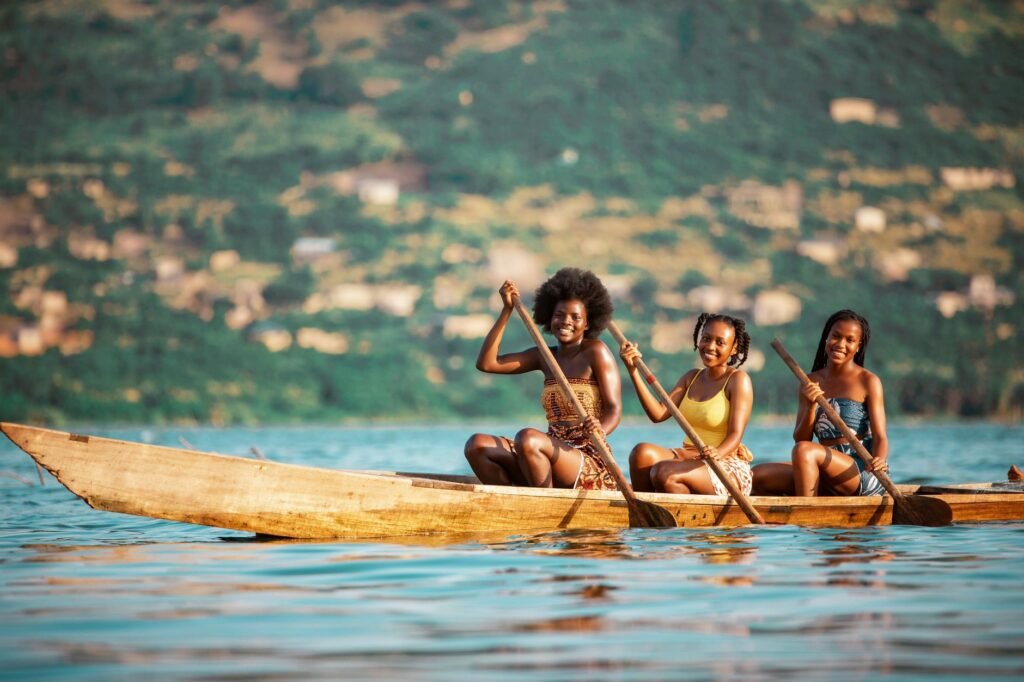
Ghana’s coastline and rivers offer a range of exciting water sports for adventure enthusiasts. From surfing the waves at popular beaches to kayaking in serene lakes, there is something for everyone. The country’s rivers, such as the Volta River, provide excellent opportunities for canoeing and jet skiing.
One of the most popular locations for water sports is Ada Foah, where the Volta River meets the Atlantic Ocean. Here, visitors can engage in activities such as windsurfing, jet skiing, and boat rides. Local operators provide the necessary equipment and safety gear, ensuring a fun and safe experience.
Exciting Land Adventures
- Mountain Climbing: The highest peaks in Ghana, including Afadja Mountain, offer challenging hikes that reward climbers with breathtaking views of the surrounding landscape.
- Canopy Walks: Experience the thrill of walking high above the ground in Kakum National Park, where a canopy walkway provides a unique perspective of the rainforest and its inhabitants.
- ATV Tours: Explore the rugged terrain of Ghana on an ATV. Tours are available in various regions and provide an exhilarating way to see the countryside.
Wildlife Safaris
Ghana is home to several national parks and wildlife reserves that support a rich diversity of flora and fauna. A wildlife safari offers travelers the chance to observe animals in their natural habitats. Mole National Park is the largest wildlife park in Ghana and is known for its elephants, antelopes, and various bird species.
Guided safaris in Mole allow visitors to learn about the local ecosystem, conservation efforts, and the animals that call the park home. Additionally, visiting other parks like Kakum and Bui helps travelers experience different wildlife and landscapes.
Arts, Crafts, and Traditional Practices
Exploring Traditional Crafts
Ghana boasts a rich tradition of crafts and artisanal work, with many regions specializing in unique products. Tourists can explore local markets or visit workshops to see artisans at work and purchase handmade goods. Traditional crafts such as kente weaving, pottery, and bead-making are not only beautiful but also carry cultural significance.
The Kente cloth, for example, is woven with vibrant colors and patterns, each symbolizing different meanings and stories. Visiting a kente weaving workshop in Kumasi allows travelers to witness the intricate process and even try their hand at weaving.
Participating in Workshops
- Pottery Workshops: Learn about traditional pottery techniques in places like Aburi, where local artisans create functional and decorative pieces.
- Bead-Making Classes: Participate in bead-making workshops to understand the importance of beads in Ghanaian culture and create your own unique jewelry.
- Drumming and Dance Sessions: Engage in traditional music and dance classes to immerse yourself in Ghana’s vibrant culture while learning from skilled performers.
Ghanaian Art Galleries and Exhibitions
For those interested in contemporary art, Ghana has a growing art scene with numerous galleries showcasing the work of local and international artists. Visiting galleries in Accra’s Osu and Labone neighborhoods exposes travelers to a blend of traditional and modern artwork, reflecting the country’s rich cultural heritage.
Art exhibitions often include painting, sculpture, and installations that address social issues and celebrate Ghanaian identity. Many galleries organize events and discussions, providing visitors with deeper insights into the artistic community in Ghana.
Frequently Asked Questions
What is the best time to visit Ghana?
The best time to visit Ghana is during the dry season, which runs from November to March. This period offers pleasant weather, ideal for outdoor activities and sightseeing.
Is it safe to travel in Ghana?
Ghana is generally considered safe for tourists. However, exercising common sense, avoiding isolated areas at night, and securing valuables is advisable.
What are the must-try dishes in Ghana?
Some must-try dishes include jollof rice, fufu with light soup, and kelewele (spicy fried plantains). Each dish reflects the vibrant flavors of Ghanaian cuisine.
Can I use my credit card in Ghana?
While some hotels and restaurants accept credit cards, many local markets and smaller establishments only accept cash. It’s wise to have some cash on hand for transactions.
The Bottom Line
Ghana is a treasure trove of cultural and natural experiences, making it a rewarding destination for travelers. By exploring historical sites, indulging in local cuisine, and engaging with the friendly locals, you’ll gain a deeper appreciation for this remarkable country. Whether you’re seeking adventure, relaxation, or cultural immersion, the top things to do in Ghana will ensure an unforgettable journey.