Key Takeaways
- Discover historic sites like Gyeongbokgung Palace.
- Experience local cuisine in bustling markets.
- Enjoy vibrant nightlife in Hongdae and Gangnam.
- Explore cultural experiences in Bukchon Hanok Village.
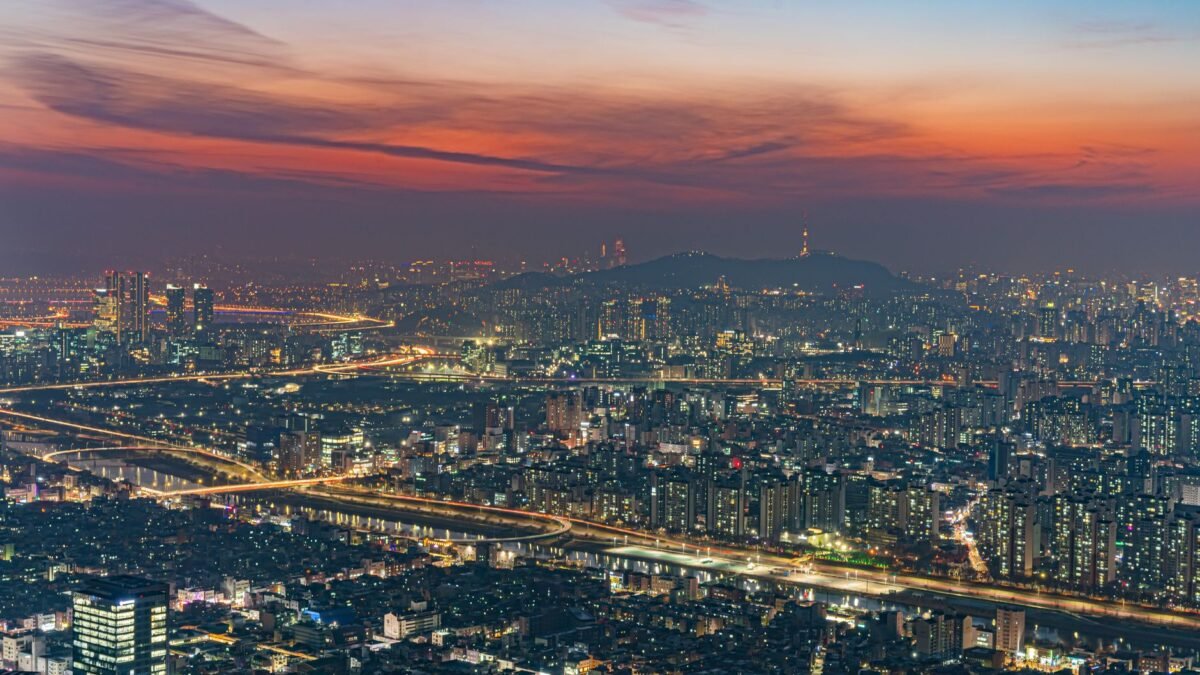
Seoul, the capital of South Korea, is a dynamic city that seamlessly blends rich history with cutting-edge modernity. Whether you’re wandering through ancient palaces, savoring delicious street food, or exploring bustling neighborhoods, there are countless experiences waiting for you. This guide highlights the top things to do in Seoul, ensuring you make the most of your visit.
With its vibrant culture, friendly atmosphere, and unique attractions, Seoul caters to all types of travelers. Families, solo adventurers, and couples will find an array of activities that suit their interests and budgets. From historical landmarks to contemporary art scenes, there’s something for everyone in this dynamic metropolis.
As you plan your trip, consider the experiences that resonate most with you. This guide provides practical tips and detailed descriptions of the must-see locations, local favorites, and hidden gems that will enrich your journey through Seoul.
Explore Historical Landmarks
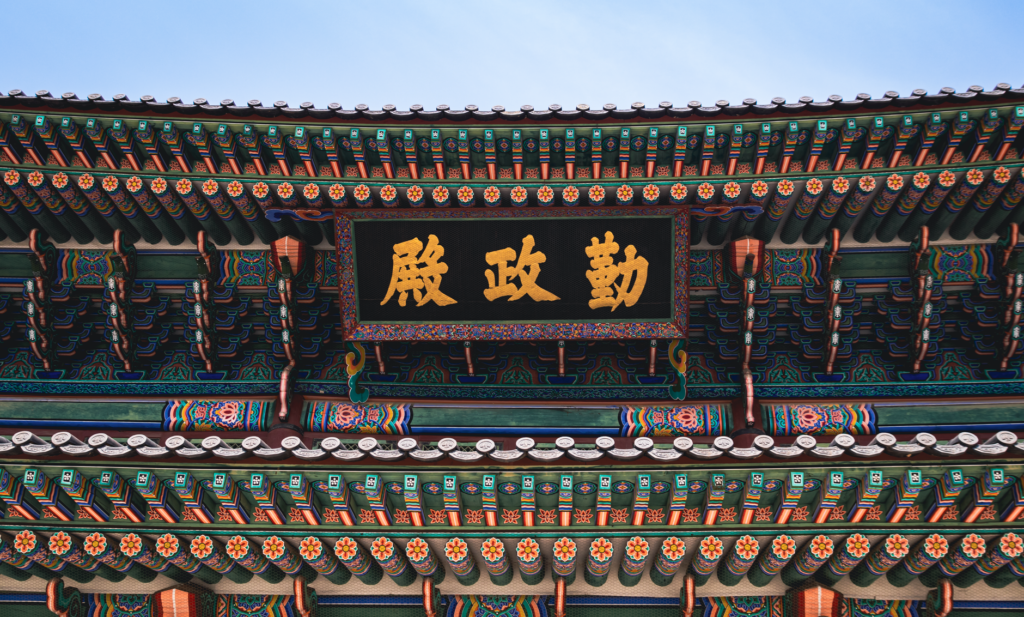
Seoul is home to several historical landmarks that offer a glimpse into Korea’s past. One of the most iconic is Gyeongbokgung Palace, built in 1395. This grand structure served as the main royal palace during the Joseon Dynasty. Visitors can explore its beautiful gardens, impressive architecture, and the National Palace Museum of Korea located on the grounds.
Another significant landmark is Changdeokgung Palace, renowned for its Secret Garden. This UNESCO World Heritage site is a stunning example of Korean architecture that harmonizes with its natural surroundings. Guided tours are available, providing insights into the history and significance of the palace.
In addition to the palaces, don’t miss the chance to visit the Bukchon Hanok Village, an area featuring traditional Korean houses, or hanoks. Walking through the narrow alleys, you’ll feel transported back in time, and many of the homes have been converted into cultural centers, tea houses, and guesthouses.
Visit Busy Markets and Shopping Districts
Seoul is famous for its vibrant markets, where you can immerse yourself in local culture. Gwangjang Market is one of the oldest traditional markets in the city, known for its street food stalls offering delicious treats like bindaetteok (mung bean pancakes) and tteokbokki (spicy rice cakes). The market is bustling with locals and tourists alike, providing a truly authentic experience.
Another notable market is Dongdaemun Design Plaza, a shopping complex that combines traditional and modern design. Here, you’ll find a variety of shops selling everything from fashion to crafts. The area is particularly lively at night, with a night market that offers an array of street food options.
If you’re looking for high-end shopping, head to the upscale district of Gangnam. Known for its luxury boutiques and designer stores, Gangnam is also home to the COEX Mall, one of the largest underground shopping malls in Asia. It features everything from retail shops to an aquarium, making it a great place for families.
Experience Seoul’s Unique Culture
To truly understand Seoul, you must engage with its culture. The city offers numerous cultural experiences that range from art exhibitions to traditional performances. The National Museum of Korea is a must-visit for art lovers and history buffs. It houses a vast collection of artifacts that represent the rich history of Korea.
For a taste of traditional Korean performing arts, consider attending a show at the National Theater of Korea. Performances often include traditional music, dance, and theater, offering a captivating insight into Korea’s artistic heritage. Another great option is the Jeongdong Theater, which specializes in traditional Korean performances with a modern twist.
Additionally, participating in a cooking class can be an enriching experience. Many local cooking schools offer classes where you can learn to make popular Korean dishes such as kimchi, bulgogi, and bibimbap. These classes are often hands-on, allowing you to immerse yourself in the culinary traditions of Korea.
Enjoy the Vibrant Nightlife
Seoul’s nightlife is as dynamic as its daytime activities. Areas like Hongdae and Gangnam come alive after dark, offering a variety of options from trendy bars to lively clubs. Hongdae is particularly popular among younger crowds, known for its vibrant atmosphere, street performances, and live music venues. The area is filled with unique themed cafes and bars, making it a great place to start your night.
In contrast, Gangnam offers a more upscale nightlife experience, with chic lounges and high-energy clubs. Clubs like Octagon and Arena are renowned for their impressive line-ups of local and international DJs. Before heading out, check if any special events or performances are happening during your visit.
For a more laid-back evening, consider exploring the traditional tea houses in Insadong. This area is known for its cultural vibe, with many establishments offering a serene atmosphere to sip tea and enjoy traditional snacks.
Outdoor Activities and Parks
Seoul is also home to beautiful parks and outdoor spaces that provide a welcome escape from the urban hustle. Namsan Park, surrounding N Seoul Tower, offers hiking trails with stunning views of the city. The tower itself is a popular spot to take in panoramic views, especially at sunset. The park is also great for picnics, jogging, or simply enjoying nature.
Another lovely outdoor space is the Hangang Park, which runs along the Han River. This expansive park features biking paths, picnic areas, and even water sports facilities. Renting a bike and cycling along the river is a popular activity, and you can find numerous spots to stop and enjoy the scenery.
For those interested in a more tranquil experience, visit Seoul Forest. This green oasis features walking paths, deer parks, and art installations. It’s an ideal spot for families or anyone looking to enjoy nature without leaving the city.

Relish Local Cuisine
Korean cuisine is a highlight of any trip to Seoul. The city is brimming with restaurants, street vendors, and traditional markets where you can taste authentic dishes. Start your culinary adventure with a visit to a local BBQ restaurant, where you can grill your own meat at the table. Popular choices include samgyeopsal (pork belly) and galbi (beef ribs).
Don’t miss trying bibimbap, a colorful rice dish topped with vegetables, meat, and a fried egg. Many restaurants serve their own versions, so you can sample different styles. For a quick snack, visit a street vendor for kimbap, a Korean sushi roll filled with various ingredients.
For dessert, indulge in bingsu, a popular Korean shaved ice dessert topped with sweet toppings like red beans, fruit, and condensed milk. You’ll find many cafes specializing in bingsu, especially during the hot summer months.
Discover Seoul’s Hidden Art Scene
Street Art and Murals
Seoul’s streets are a canvas for artistic expression, with vibrant murals and street art adorning the walls of many neighborhoods. Areas like Hongdae and Itaewon are particularly known for their impressive displays. These artworks reflect not only the creativity of local artists but also the social and political issues facing the city. As you walk through these districts, take the time to appreciate the stories behind the art, which often blur the lines between commercial and grassroots expressions.
To make the most of your street art experience, consider the following:
- Join a guided walking tour focusing on street art to gain insights from local experts.
- Bring a camera to capture the diverse styles and messages.
- Explore during daylight hours for the best visibility and photography opportunities.
Many of these artworks are ephemeral, changing with time as new artists come in and old ones fade away. Keep an eye out for interactive installations that allow you to engage with the art on a personal level.
Gallery Hopping in Seoul
Beyond the street, Seoul hosts a burgeoning gallery scene that showcases both established and emerging artists. Neighborhoods like Samcheong-dong and Gangnam are filled with contemporary art galleries that offer free entry. Here, you can find a mix of traditional Korean art and modern pieces that reflect global trends.
Many galleries also host regular exhibitions, often with opening receptions that allow visitors to meet artists and curators. This can be a great way to immerse yourself in Seoul’s art community. Some notable galleries to visit include:
- Leeum, Samsung Museum of Art – A blend of modern and traditional Korean art.
- Art Sonje Center – Focuses on contemporary art with an international perspective.
- Seoul Museum of Art – Offers a comprehensive look at both local and global art.
Don’t forget to check out smaller, independent galleries that may not be as well-known but often feature innovative works from local talent.

Delve into Seoul’s Traditional Healing Practices
Korean Spas (Jjimjilbang)
A unique aspect of Korean culture is the jjimjilbang, or traditional Korean spa, which offers a blend of relaxation and wellness. These spas are open 24 hours and provide various saunas, hot baths, and relaxation areas. They are not only places to unwind but also important social hubs where locals gather to relax and catch up with friends.
When visiting a jjimjilbang, here are some tips to enhance your experience:
- Bring your own towel and toiletries, although many spas provide these for a fee.
- Try a body scrub, a popular treatment that exfoliates the skin and invigorates the body.
- Don’t forget to enjoy the herbal saunas, which are said to have various health benefits.
Popular jjimjilbangs such as Dragon Hill Spa and Siloam Sauna offer a range of facilities, including sleeping areas if you plan to rest overnight.
Traditional Medicine and Healing Practices
Another fascinating aspect of Seoul’s wellness culture is traditional Korean medicine, which includes acupuncture, herbal treatments, and dietary therapy. Visiting a traditional medicine clinic can provide you with insights into centuries-old practices that emphasize balance and holistic health.
Consider scheduling a consultation to learn about personalized herbal remedies, which are crafted to suit your individual constitution. Many clinics also offer educational workshops where you can learn about the benefits of various herbs and treatments.
Popular traditional medicine clinics in Seoul include:
- Jaseng Hospital of Korean Medicine – Known for its comprehensive treatments.
- Hanbang Chikyu – Offers herbal remedies and acupuncture.
- Kyung Hee University Hospital – Integrates Western and traditional medicine.
Experiencing these practices can deepen your understanding of Korean culture and provide a unique way to recharge during your travels.
Engage with Seoul’s Thriving Tech Scene
Visit Tech Hubs and Innovation Centers
Seoul stands at the forefront of technology and innovation, boasting numerous tech hubs and innovation centers. Places like Pangyo Techno Valley and the Seoul Startup Hub are epicenters for tech startups and established companies alike. These areas often host events, workshops, and networking opportunities that can be enlightening for anyone interested in technology.
While visiting, you might consider:
- Attending a tech meet-up or seminar to learn about the latest trends in the industry.
- Exploring co-working spaces that foster collaboration and creativity among entrepreneurs.
- Checking out local incubators that support startups in various fields.
Many of these centers are open to the public and may offer guided tours, providing an inside look at the innovative projects being developed in Seoul.
Experience the Future of Transportation
Seoul is also pioneering advancements in transportation, particularly with its extensive subway system and smart city initiatives. The city has invested heavily in technology to make commuting more efficient and environmentally friendly. The subway features apps that provide real-time updates on train schedules and crowd density, making it easier for travelers to navigate the system.
For a firsthand experience, consider:
- Using the T-money card for seamless travel on public transport.
- Exploring the city by bike through the Seoul Bike (Ddareungi) program.
- Participating in a smart city tour to learn about innovations in urban living.
These experiences not only enhance your visit but also give you a glimpse into how Seoul is shaping its future through technology.
Frequently Asked Questions
What is the best time to visit Seoul?
The best times to visit Seoul are during spring (April to June) and autumn (September to November) when the weather is mild and the city is adorned with beautiful flowers or colorful foliage.
Is it easy to get around Seoul?
Yes, Seoul has an extensive public transportation system, including subways and buses, making it easy to navigate the city. Most signs are in English, and the subway is user-friendly.
What should I wear in Seoul?
Dress codes in Seoul vary by season. In the summer, lightweight clothing is advisable, while winter can be quite cold, so layered clothing is recommended. Always check local weather forecasts before your trip.
Are credit cards widely accepted in Seoul?
Yes, credit cards are widely accepted in most establishments, although it’s a good idea to carry some cash for small vendors and markets.
The Bottom Line
Seoul offers a diverse array of activities and experiences that cater to all types of travelers. From historical landmarks and vibrant markets to stunning parks and delicious food, there’s no shortage of things to do in this bustling city. By planning ahead and prioritizing your interests, you’re sure to have an unforgettable experience in South Korea’s capital.