Key Takeaways
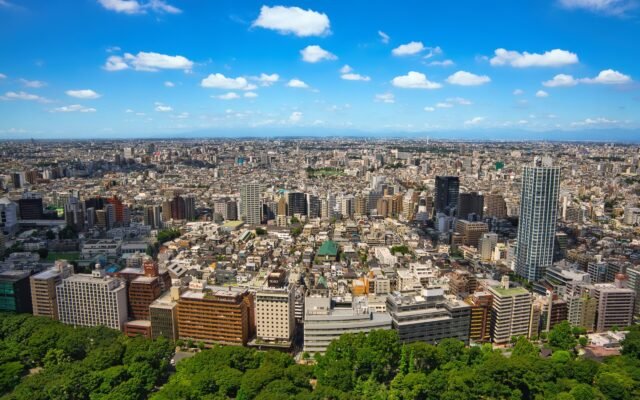
- Tokyo offers a vibrant urban experience with modern attractions.
- Kyoto is known for its historical sites and traditional culture.
- Both cities provide unique dining and shopping experiences.
- Consider your travel preferences for the best choice.
When planning a trip to Japan, travelers often find themselves choosing between two iconic cities: Tokyo and Kyoto. Each city boasts its own unique charm, attractions, and cultural experiences, making it essential to understand their differences before making a decision. This guide will provide an in-depth comparison of Tokyo and Kyoto, focusing on what each city has to offer in terms of culture, attractions, food, and practical tips for visiting. By the end, you’ll have a clearer idea of which city aligns best with your travel preferences.
Tokyo, the bustling capital of Japan, is a metropolis known for its cutting-edge technology, vibrant nightlife, and diverse neighborhoods. It’s a city that never sleeps, offering endless entertainment and attractions for visitors. In contrast, Kyoto, the ancient capital, is renowned for its well-preserved temples, traditional tea houses, and serene gardens. As a center of Japanese culture and history, Kyoto provides a tranquil escape from the fast-paced life of Tokyo.
Both cities cater to different types of travelers. Whether you’re looking for modern experiences or a glimpse into Japan’s rich history, understanding the strengths of each city will help you make the right choice for your itinerary.
Culture and History
Tokyo and Kyoto represent two distinct faces of Japan, captured through their unique cultural offerings. Tokyo, while steeped in history, is largely characterized by its rapid modernization and innovation. Skyscrapers, shopping districts, and cutting-edge technology define the landscape, but the city also preserves historical sites, such as the historic Asakusa district, home to Senso-ji Temple, the oldest temple in Tokyo.
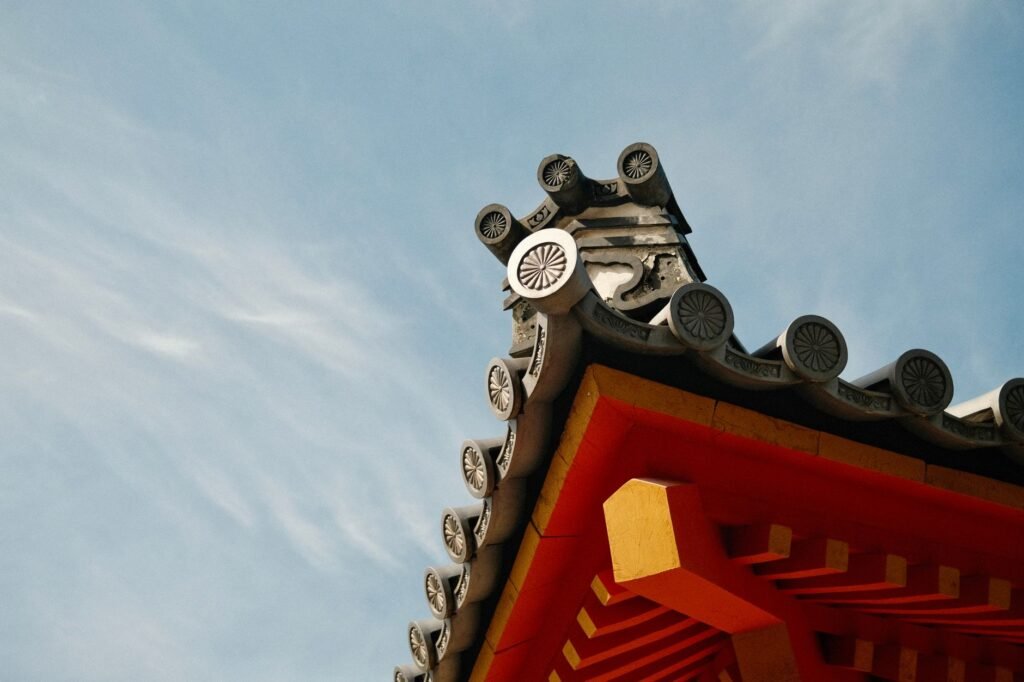
In contrast, Kyoto is often regarded as the cultural heart of Japan. With over 1,600 Buddhist temples and 400 Shinto shrines, the city is a treasure trove of historical architecture and cultural heritage. Notable landmarks include Kinkaku-ji (the Golden Pavilion), Fushimi Inari Taisha, and the Arashiyama Bamboo Grove. Each site offers a glimpse into Japan’s rich history and cultural practices.
Visitors in Kyoto can also participate in traditional tea ceremonies, kimono-clad walks through historic districts, and seasonal festivals that celebrate ancient customs. This contrast in cultural experiences makes choosing between the two cities a critical decision based on individual interests.
Attractions and Activities
Tokyo is a bustling hub of attractions that caters to every interest. From the iconic Tokyo Tower and the futuristic Odaiba to the artistic vibe of Harajuku, the city is filled with destinations that offer unique experiences. The bustling streets of Shibuya and Shinjuku provide a taste of Tokyo’s nightlife, with countless bars, clubs, and entertainment options.
For families, attractions like Tokyo Disneyland and Ueno Zoo offer fun-filled experiences. The city’s museums, such as the National Museum of Nature and Science and the teamLab Borderless digital art museum, provide educational and interactive experiences for all ages.
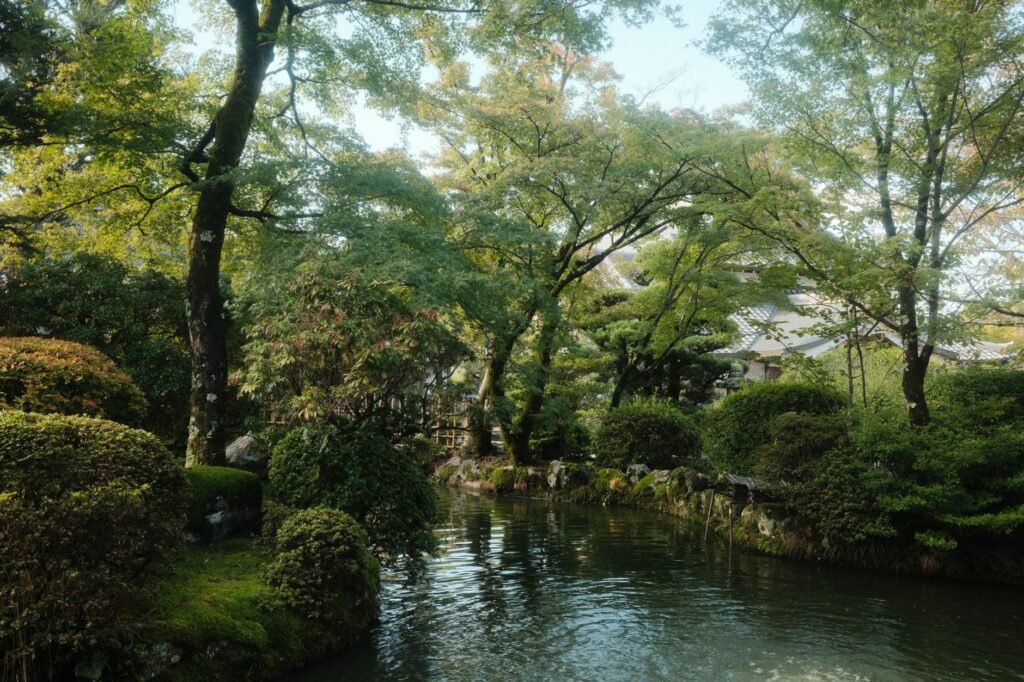
Kyoto’s attractions are more serene and historically significant. Visitors can explore the Philosopher’s Path, a scenic walk lined with cherry blossom trees, or visit the iconic Kiyomizu-dera Temple, which offers stunning views of the city. The Gion district, famous for its traditional wooden machiya houses, is the perfect place to spot geisha and enjoy a kaiseki meal. For nature lovers, nearby Arashiyama offers beautiful hiking trails and the picturesque Togetsukyo Bridge.
Attraction Comparison Table
| Attraction | Tokyo | Kyoto |
|---|---|---|
| Historical Sites | Asakusa, Meiji Shrine | Kinkaku-ji, Fushimi Inari Taisha |
| Modern Attractions | Tokyo Skytree, Odaiba | Arashiyama Bamboo Grove |
| Nightlife | Shinjuku, Roppongi | Gion |
Food and Dining Experiences
Tokyo is a food lover’s paradise, offering a wide array of culinary experiences ranging from Michelin-starred restaurants to inexpensive street food. The city is famous for its sushi, ramen, and izakaya dining. Tsukiji Outer Market is a must-visit for fresh seafood and local delicacies, while neighborhoods like Shibuya and Akihabara feature an eclectic mix of eateries, cafes, and themed restaurants.
Visitors can enjoy unique dining experiences, such as robot restaurants or themed cafes, that showcase Japan’s quirky side. For those on a budget, exploring the many convenience stores and food stalls can lead to delicious and affordable meal options.
Kyoto offers a completely different culinary experience focused on traditional Japanese cuisine. Kaiseki, a multi-course meal, is a highlight for many visitors. The city is also known for its yudofu (tofu hot pot) and matcha (green tea) sweets. Dining in a traditional ryokan or tea house can enhance the cultural experience, allowing visitors to savor authentic dishes in historic settings.
Food Highlights List
- Tokyo: Sushi at Tsukiji, Ramen in Shinjuku, Street food in Harajuku.
- Kyoto: Kaiseki dining, Yudofu, Matcha desserts.
Shopping Opportunities
Tokyo is a shopping mecca, offering everything from high-end luxury brands to unique and quirky finds. Areas like Ginza are known for upscale shopping, while Harajuku is the center for youth fashion and streetwear. Akihabara is famous for electronics and otaku culture, featuring shops dedicated to anime, manga, and gaming.
For those looking for traditional Japanese crafts, the Nakamise Street in Asakusa offers a variety of souvenirs, including kimonos and handmade crafts. Shibuya is another popular shopping area, known for its trendy boutiques and department stores.
On the other hand, Kyoto’s shopping scene is more focused on traditional crafts and artisanal products. Visitors can find beautiful ceramics, textiles, and handmade paper at local shops. The Nishiki Market is a great place to explore local food products and pick up unique souvenirs.

Transportation and Accessibility
Tokyo boasts an incredibly efficient public transportation system, making it easy for travelers to navigate the city. The extensive subway and train network connects various neighborhoods and attractions, and getting a prepaid Suica or Pasmo card can simplify the process. Buses are also available, but the train system is generally preferred for its speed and convenience.
Kyoto’s public transportation system is less extensive than Tokyo’s, but it still provides reliable bus and train services. The city is known for its bicycle-friendly infrastructure, making cycling a popular option for exploring the historical districts. Many attractions are within walking distance of each other, especially in areas like Gion and the Philosopher’s Path, allowing for a more leisurely exploration of the city.
Travelers should consider purchasing a Kyoto City Bus & Kyoto Bus Pass for unlimited travel on buses, which can be more economical for those planning to visit multiple sites in one day.
[h2>Accommodations and Lodging
Both Tokyo and Kyoto offer a wide range of accommodations, catering to different budgets and preferences. Tokyo has everything from luxury hotels to capsule hotels, providing a unique experience for travelers. Popular areas to stay include Shinjuku and Shibuya, known for their vibrant atmosphere and accessibility to attractions.
For travelers seeking traditional experiences, ryokans (Japanese inns) are available in both cities. Staying in a ryokan in Kyoto can enhance the cultural experience, with tatami mat rooms and kaiseki meals served at the inn.
In Tokyo, boutique hotels often blend modern design with traditional elements, providing a unique stay. Budget travelers can find hostels and guesthouses in various neighborhoods, ensuring options for every budget.
Accommodation Options: Tokyo vs. Kyoto
When planning your stay in Tokyo or Kyoto, the variety of accommodation options can greatly influence your experience. Both cities offer a range of choices, from traditional ryokans to modern hotels, catering to different preferences and budgets.
Tokyo: A Blend of Modern and Traditional Stays
In Tokyo, you can find a unique blend of modern architecture and traditional hospitality. The city is known for its high-rise hotels with stunning views, as well as capsule hotels that provide a quirky and cost-effective experience. Here are some popular accommodation types in Tokyo:
- Luxury Hotels: The Park Hyatt Tokyo and The Ritz-Carlton offer unparalleled service and amenities.
- Business Hotels: Chains like APA Hotel and Toyoko Inn provide comfortable stays for business travelers.
- Capsule Hotels: These compact sleeping pods, such as The Millennials Shibuya, are a unique experience for solo travelers.
- Traditional Ryokans: While less common in Tokyo, you can still find places like Hoshinoya Tokyo for a taste of traditional Japanese hospitality.
Each option allows visitors to experience Tokyo’s vibrant atmosphere in different ways, whether you seek luxury, efficiency, or a taste of tradition.
Kyoto: Embrace Traditional Japanese Hospitality
Kyoto is renowned for its traditional ryokans, which provide a unique cultural experience that reflects the city’s heritage. Staying in a ryokan allows guests to enjoy tatami mat rooms, futon bedding, and often, kaiseki meals prepared with seasonal ingredients. Here are some accommodation options you might consider in Kyoto:
- Traditional Ryokans: Places like Gion Hatanaka and Hiiragiya are perfect for immersing yourself in the local culture.
- Guesthouses: Affordable and friendly, guesthouses such as K’s House Kyoto offer communal spaces and opportunities to meet other travelers.
- Modern Hotels: For a more contemporary experience, hotels like The Celestine Kyoto Gion provide luxury with a modern twist.
Staying in Kyoto often means embracing a slower pace of life, allowing you to unwind and enjoy the serene surroundings.
Local Etiquette and Customs: Navigating Social Norms
Understanding local etiquette and customs is essential for a respectful and enjoyable visit to either Tokyo or Kyoto. Each city has its own set of social norms that reflect the broader Japanese culture.
Tokyo: The Fast-Paced Urban Culture
Tokyo is a bustling metropolis where etiquette is crucial in maintaining harmony. While the pace is fast, politeness is still highly valued. Here are some key etiquette tips for Tokyo:
- Public Transport: Always be quiet and respectful on trains and buses. It is customary to put your phone on silent mode.
- Dining Etiquette: Avoid sticking chopsticks upright in rice, which resembles a funeral ritual. Instead, place them on the provided holder.
- Cash Transactions: Many places prefer cash over credit cards, so always carry some yen. When paying, place money in the tray provided rather than handing it directly to the cashier.
Being aware of these customs can enhance your interactions with locals and provide a more immersive experience.
Kyoto: A City Steeped in Tradition
In Kyoto, where tradition reigns supreme, visitors should pay special attention to local customs. The city is known for its historical significance, and understanding these norms can deepen your appreciation for its culture. Here are some etiquette tips for Kyoto:
- Temple Etiquette: When visiting shrines and temples, be sure to bow before entering and follow the specific rituals such as purifying your hands at the chozuya.
- Gift Giving: If invited to someone’s home, it is customary to bring a small gift, such as sweets or fruits, as a token of appreciation.
- Dress Code: While casual attire is generally accepted, dressing modestly and respectfully, especially when visiting temples, is encouraged.
These practices not only show respect but also enhance your overall experience in Kyoto’s rich cultural landscape.
Seasonal Events and Festivals: Experiencing Local Culture
Both Tokyo and Kyoto host numerous festivals and seasonal events that showcase their unique cultural heritage. Participating in these festivities can provide insight into the local way of life.
Tokyo’s Vibrant Festivals
Tokyo’s events often reflect its dynamic urban culture, with a mix of traditional and modern celebrations. Here are some notable festivals to consider:
- Tokyo Hanabi Taikai (Fireworks Festival): Held in late July, this spectacular fireworks display draws massive crowds along the Sumida River.
- Shibuya Halloween: Tokyo’s Shibuya district transforms into a vibrant spectacle every October, as locals and tourists dress up in elaborate costumes.
- Sanja Matsuri: Taking place in May at Asakusa Shrine, this festival features lively parades and traditional music, celebrating the city’s cultural heritage.
These events offer visitors a chance to witness the energy and creativity of Tokyo’s residents while engaging with the local community.
Kyoto’s Traditional Celebrations
Kyoto is famous for its traditional festivals, which reflect the city’s rich history and artistry. Here are some must-see events:
- Gion Matsuri: This month-long festival in July features stunning floats and traditional performances, drawing visitors from around the world.
- Aoi Matsuri: Held on May 15, this festival involves a procession in ancient costumes, showcasing Kyoto’s historical significance.
- Jidai Matsuri: Celebrated on October 22, this historical festival commemorates Kyoto’s past with a parade of people dressed in costumes from different eras.
Participating in these traditional celebrations allows visitors to immerse themselves in Kyoto’s cultural heritage, creating unforgettable memories.
Frequently Asked Questions
Which city is better for first-time visitors to Japan?
For first-time visitors, Tokyo may offer a more comprehensive introduction to Japan’s contemporary culture, while Kyoto provides a deeper understanding of traditional aspects. Ultimately, visiting both cities can provide a well-rounded experience.
Is it possible to visit both cities in one trip?
Yes, many travelers visit both Tokyo and Kyoto in one trip. The Shinkansen (bullet train) connects the two cities, making it easy to travel between them in about two to three hours.
How many days should I spend in Tokyo and Kyoto?
A recommended itinerary is to spend at least three to four days in Tokyo and two to three days in Kyoto. This allows you to explore the major attractions and immerse yourself in the local culture.
What is the best time to visit Tokyo and Kyoto?
The best time to visit both cities is during the spring (March to May) and autumn (September to November) when the weather is mild, and you can enjoy beautiful cherry blossoms or vibrant fall foliage.
The Bottom Line
Choosing between Tokyo and Kyoto depends on your personal preferences and travel interests. Tokyo offers a dynamic urban experience filled with modern attractions, while Kyoto provides a glimpse into Japan’s rich history and cultural heritage. Both cities have unique dining options, shopping experiences, and transportation systems. Consider what aspects of Japanese culture you wish to immerse yourself in when making your decision. Regardless of which city you choose, both Tokyo and Kyoto will leave you with unforgettable memories of your journey through Japan.