Key Takeaways
- Explore diverse islands with breathtaking views.
- Engage with rich local cultures and traditions.
- Experience outdoor adventures like hiking and diving.
- Enjoy local cuisines and vibrant markets.
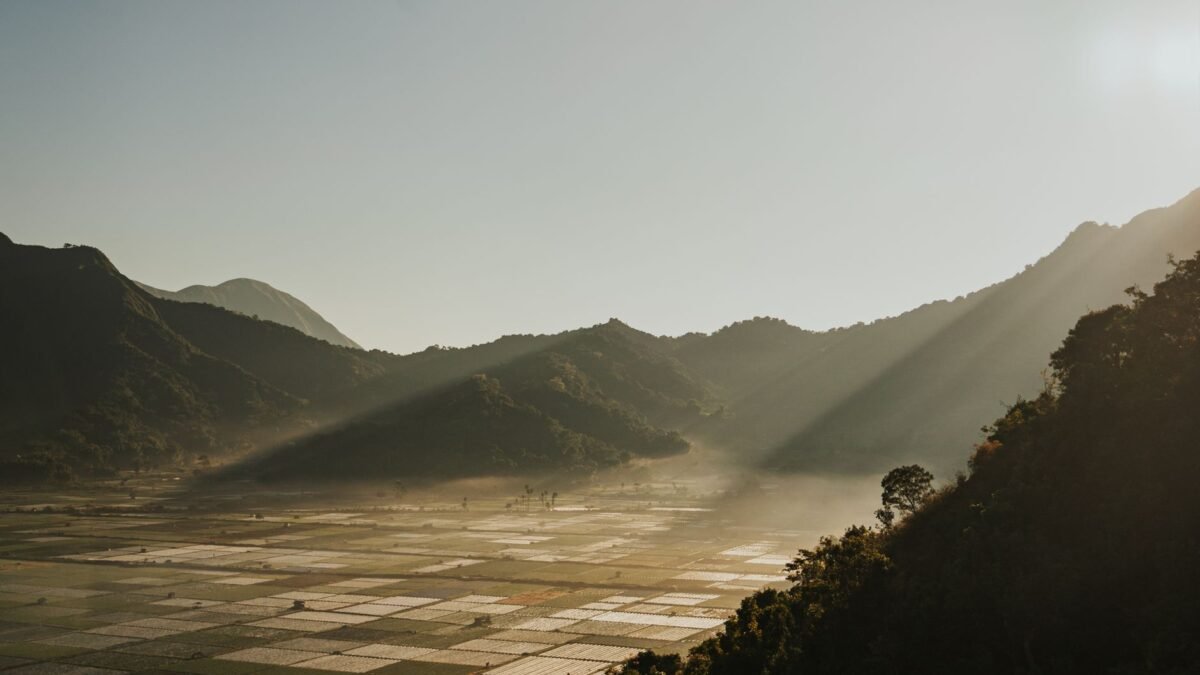
East Nusa Tenggara (NTT) is an Indonesian province that comprises a stunning array of islands, each with its unique charm and attractions. From the vibrant culture of Flores to the pristine beaches of Komodo, this region offers travelers a diverse palette of experiences. Whether you’re seeking adventure, relaxation, or cultural immersion, East Nusa Tenggara has something special to offer.
This guide will explore the top experiences in East Nusa Tenggara, providing practical tips and insights to help you make the most of your visit. We will cover various activities, from exploring breathtaking landscapes and engaging with local communities to enjoying outdoor adventures and savoring delicious cuisines.
As you plan your trip, consider the unique features of each island, as they vary greatly in terms of attractions, culture, and natural beauty. With this guide, you’re sure to uncover the best that East Nusa Tenggara has to offer.
1. Discover Komodo National Park
One of the crown jewels of East Nusa Tenggara is Komodo National Park, famous for its population of Komodo dragons, the largest lizards on Earth. The park is a UNESCO World Heritage Site and offers visitors a chance to see these magnificent creatures in their natural habitat.
Aside from the dragons, the park boasts stunning landscapes of rugged hills, white sandy beaches, and clear blue waters teeming with marine life. Visitors can explore various islands within the park, such as Komodo Island and Rinca Island, where guided tours provide insights into the dragons’ behavior and ecology.
Activities in Komodo National Park include:
- Dragon Trekking: Join a guided trek to spot Komodo dragons and learn about their conservation.
- Snorkeling and Diving: The waters around the park are renowned for their biodiversity. Sites like Pink Beach and Manta Point offer fantastic underwater experiences.
- Island Hopping: Explore the beautiful islands around the park, each offering unique landscapes and wildlife.
2. Cultural Encounters in Flores
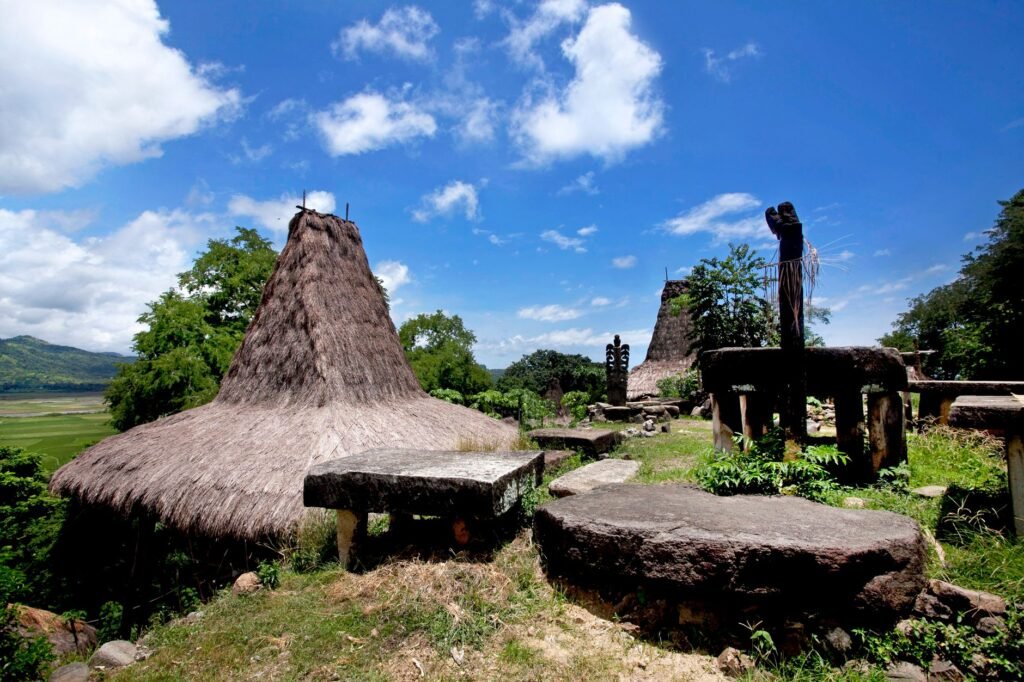
Flores Island is rich in culture and traditions, making it an ideal destination for travelers interested in local customs and lifestyles. The island is home to various ethnic groups, each with its distinct traditions and languages. One of the most notable cultural experiences is visiting traditional villages.
In Flores, you can engage with locals in villages such as Wae Rebo, where you can witness traditional Manggaraian architecture and experience daily village life. These visits often include opportunities to participate in local rituals, crafts, and cooking classes, providing a deeper understanding of the community’s way of life.
Key cultural experiences in Flores include:
- Traditional Weaving: Learn about the intricate art of ikat weaving, a traditional craft practiced by local women.
- Local Festivals: Time your visit to coincide with local festivals, such as the Pasola Festival, which showcases traditional warrior games.
- Culinary Tours: Savor local delicacies like ikan bakar (grilled fish) and jagung titi (toasted corn) during your stay.
3. Adventure Activities in Sumba
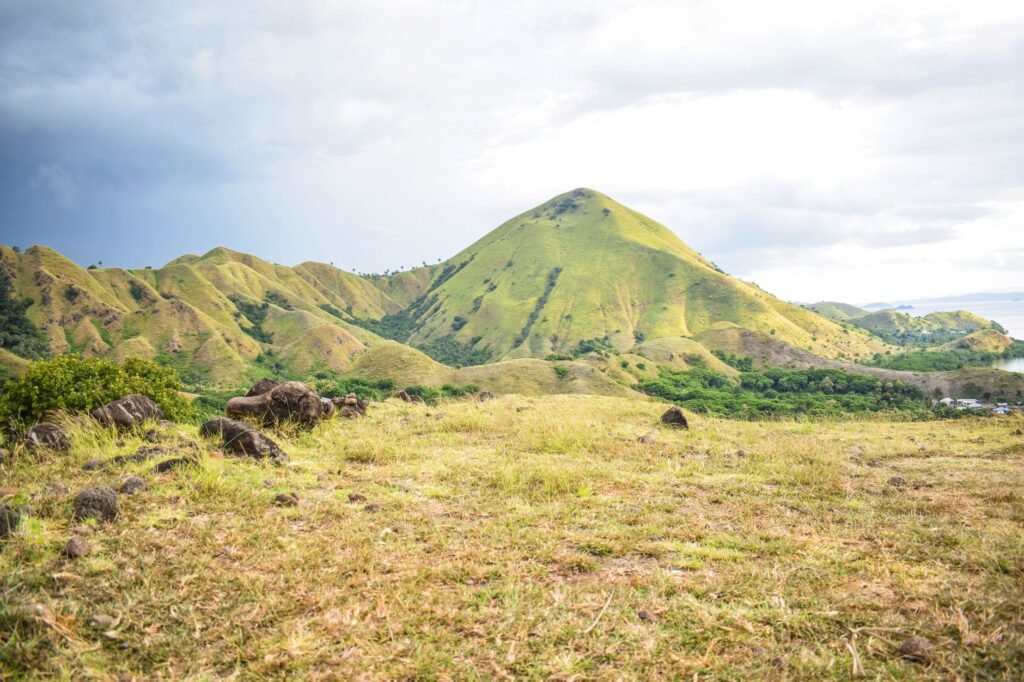
For thrill-seekers, Sumba Island offers an array of outdoor adventures set against stunning natural backdrops. Known for its dramatic landscapes, Sumba is a paradise for hiking enthusiasts. The island’s rugged hills, lush valleys, and pristine beaches provide plenty of opportunities for exploration.
Popular activities include:
- Hiking: Trails like the Weekuri Lake hike offer breathtaking views and a chance to explore unique ecosystems.
- Surfing: The southern coast of Sumba features some of Indonesia’s best surf spots, attracting surfers from around the globe.
- Waterfall Visits: Discover stunning waterfalls such as Weekuri Waterfall, perfect for swimming and relaxing.
One adventurous traveler, for instance, embarked on a hiking trip across Sumba’s hilly terrain, culminating in a refreshing dip at a hidden waterfall. This experience showcased the island’s beauty and the thrill of discovering unspoiled nature.
4. Diving and Snorkeling Adventures
East Nusa Tenggara is renowned for its exceptional diving and snorkeling spots, making it a favorite among underwater enthusiasts. The waters are home to diverse marine life, including vibrant coral reefs, manta rays, and even the elusive whale shark.
Some of the top diving and snorkeling locations include:
- Labuan Bajo: The gateway to Komodo National Park, Labuan Bajo offers numerous dive shops and tour operators.
- Padar Island: Known for its spectacular underwater scenery, Padar Island is a must-visit for divers.
- Alor Archipelago: This remote area offers pristine coral reefs and diverse marine biodiversity.
When planning your diving or snorkeling trip, consider joining a liveaboard tour for an immersive experience that allows you to explore multiple sites over several days. Ensure you check local conditions and dive certifications before heading out.
5. Relaxing on the Beaches
After days of adventure, East Nusa Tenggara is also home to some of Indonesia’s most beautiful beaches, perfect for relaxation. The region’s beaches often feature soft white sand, crystal-clear waters, and stunning sunset views, providing an idyllic backdrop for unwinding.
Some top beaches to visit include:
- Pink Beach: Located in Komodo National Park, this beach is famous for its pink sand and vibrant coral reefs.
- Waikelo Beach: A hidden gem in Sumba, known for its serenity and stunning scenery.
- Lasiana Beach: Close to Kupang, this beach is ideal for swimming and enjoying local food stalls.
Don’t forget to bring your snorkeling gear, as many of these beaches offer incredible underwater experiences right off the shore.
6. Culinary Experiences in East Nusa Tenggara
Food is an integral part of the travel experience, and East Nusa Tenggara offers a rich culinary landscape influenced by the diverse cultures of its islands. The local cuisine features fresh seafood, unique spices, and traditional dishes that reflect the region’s heritage.
Some must-try dishes include:
- Geco: A traditional dish made from marinated fish, usually grilled or fried.
- Tuak: A local alcoholic beverage made from fermented palm sap, often enjoyed during festivities.
- Jagung Titi: Toasted corn served as a snack or side dish, popular among locals.
Exploring local markets is a great way to experience the culinary culture. Many towns have vibrant morning markets where you can sample street food and purchase fresh ingredients. Engaging with local chefs or taking a cooking class can also provide insights into traditional cooking techniques.
Ecotourism Opportunities in East Nusa Tenggara
Understanding Ecotourism
Ecotourism in East Nusa Tenggara focuses on responsible travel to natural areas, conserving the environment, and improving the well-being of local people. This form of tourism emphasizes the importance of sustainability and conservation, allowing travelers to enjoy the breathtaking landscapes while promoting ecological awareness. Visitors can engage in activities that support local conservation efforts, which not only enhances their travel experience but also contributes positively to the destinations they visit.
Top Ecotourism Destinations
- Rinca Island: Known for its stunning landscapes and diverse wildlife, Rinca Island is a prime destination for ecotourists. Visitors can trek through the rugged terrain and spot Komodo dragons in their natural habitat.
- Wae Rebo Village: This traditional Manggarai village is nestled in the mountains of Flores. Traveling to Wae Rebo not only involves a scenic hike but also provides insight into the unique culture and sustainable practices of the local community.
- Alor Archipelago: With its pristine beaches and rich marine biodiversity, Alor is a hidden gem for ecotourists. The archipelago is ideal for hiking, birdwatching, and experiencing local customs.
Participating in Conservation Programs
Many organizations in East Nusa Tenggara offer opportunities for travelers to participate in conservation programs. These programs often include activities such as tree planting, marine conservation workshops, and community development initiatives. Engaging in these programs allows travelers to contribute to the local ecosystem while gaining a deeper understanding of the environmental challenges the region faces. Programs may vary in duration and focus, catering to both short-term volunteers and those looking for a more immersive experience.
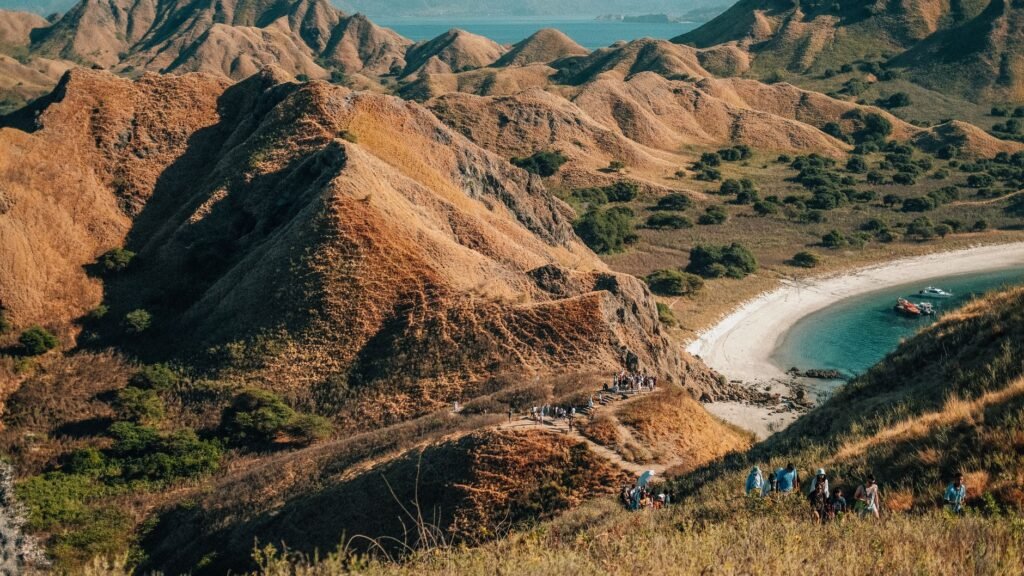
Island Hopping Adventures
Popular Islands to Explore
East Nusa Tenggara is composed of numerous islands, each offering unique landscapes, cultures, and experiences. Island hopping allows travelers to experience the diversity of this region, from stunning beaches to vibrant local traditions. The most popular islands include:
- Flores: Known for its dramatic volcanic landscapes and traditional villages, Flores is a must-visit for those interested in culture and nature.
- Komodo Island: Famous for its Komodo dragons, this island also offers incredible hiking trails and stunning views of the surrounding waters.
- Padar Island: Renowned for its breathtaking viewpoints and unique beaches, Padar is a popular spot for photography and sunsets.
How to Plan an Island Hopping Trip
Planning an island hopping adventure in East Nusa Tenggara requires some preparation. Travelers should consider the following tips:
- Research ferry schedules: Ferries connect many of the islands, but schedules can vary. It’s essential to check the latest information to avoid delays.
- Book accommodations in advance: Popular islands can fill up quickly, especially during peak seasons. Booking accommodations ahead of time ensures a hassle-free experience.
- Pack appropriately: Bring essentials such as sunscreen, swimwear, and comfortable footwear for hiking. Additionally, consider bringing a reusable water bottle to stay hydrated.
Unique Activities on Each Island
Each island in East Nusa Tenggara offers unique activities that cater to different interests. Here are some suggestions:
- Flores: Explore the three-color lakes of Kelimutu National Park, visit traditional weaving villages, or hike Mount Inerie for spectacular views.
- Komodo Island: Besides spotting Komodo dragons, go for a snorkeling excursion at Pink Beach or hike to the top of Padar Island for panoramic views.
- Alor: Engage in traditional fishing with local fishermen, explore hidden waterfalls, and enjoy some of the best snorkeling spots.
Local Festivals and Events
Significance of Local Festivals
Participating in local festivals is one of the best ways to immerse yourself in the culture of East Nusa Tenggara. These events often showcase traditional music, dance, and culinary delights, providing travelers with a rich experience of the region’s heritage. Festivals also serve as a means for local communities to come together, celebrate their traditions, and share them with visitors.
Major Festivals to Attend
- Pasola Festival: Held in Sumba, this annual event features traditional horse-riding games and is a vibrant showcase of Sumbanese culture. It typically occurs in February or March and attracts many visitors.
- Weaving Festival: Celebrated in Flores, this festival highlights the region’s famous textiles. Visitors can observe traditional weaving techniques, purchase handmade textiles, and enjoy local music and dance performances.
- Komodo Festival: This event takes place in Labuan Bajo and focuses on marine conservation. Activities include beach clean-ups, cultural performances, and educational workshops about the importance of protecting marine ecosystems.
How to Experience Festivals
To fully enjoy the festivals in East Nusa Tenggara, consider the following tips:
- Plan your visit: Check the festival dates in advance and plan your trip around them to ensure you don’t miss out on these vibrant events.
- Engage with locals: Take the opportunity to interact with local community members. They can provide insights into the significance of the festival and enhance your experience.
- Respect local customs: Be mindful of cultural norms and practices during the festivals. Dressing appropriately and following local guidelines helps foster a respectful environment.
Frequently Asked Questions
What is the best time to visit East Nusa Tenggara?
The best time to visit is during the dry season, which typically runs from April to October. This period offers pleasant weather, making it ideal for outdoor activities.
How do I get around East Nusa Tenggara?
Traveling between islands is best done by boat or domestic flights, while local transportation options include motorbike rentals, taxis, and public bemos.
Is East Nusa Tenggara safe for travelers?
Yes, East Nusa Tenggara is generally safe for travelers. However, it’s advisable to take common travel precautions, such as safeguarding your belongings and being cautious in unfamiliar areas.
What should I pack for a trip to East Nusa Tenggara?
Pack lightweight clothing suitable for warm weather, swimwear for beach activities, hiking shoes for outdoor excursions, and a snorkeling mask if you plan to explore underwater.
The Bottom Line
East Nusa Tenggara is a treasure trove of experiences waiting to be explored. From the majestic Komodo dragons to the cultural richness of Flores and the stunning beaches of Sumba, this region offers something for every traveler. By immersing yourself in the local culture, enjoying outdoor adventures, and savoring delicious cuisine, you are bound to have an unforgettable experience in East Nusa Tenggara.