Key Takeaways
- Understand local customs and etiquette.
- Explore Cambodia's rich history and attractions.
- Stay aware of health and safety precautions.
- Plan for transportation and local currency.
Cambodia, a Southeast Asian nation known for its rich history and stunning landscapes, is a destination that offers a blend of ancient culture and modern allure. Before embarking on your journey, it is essential to familiarize yourself with some key aspects of this beautiful country. From its historical sites to local customs, understanding these elements can greatly enhance your travel experience.
As you plan your visit, consider the various aspects that contribute to a smoother journey. Whether you’re exploring the mystical ruins of Angkor Wat or enjoying the vibrant street life of Phnom Penh, knowing what to expect can help you navigate the country with confidence. This guide covers vital information about Cambodia, including cultural insights, practical tips, and must-see attractions.
Understanding Cambodian Culture
One of the first things to know about Cambodia is the importance of its culture and traditions. The Cambodian way of life is deeply rooted in its history, influenced by Buddhism, which is the predominant religion in the country. Visitors should be respectful of local customs, especially when visiting religious sites.
When greeting someone, a traditional Cambodian gesture involves placing your palms together in a prayer-like position and bowing your head slightly. This is known as the ‘Sampeah’ and is a sign of respect. Additionally, it is important to dress modestly when visiting temples, covering shoulders and knees to show reverence.
Another key cultural aspect is the significance of family and community. Cambodians are known for their hospitality and friendliness. Engaging in conversations and showing genuine interest in their lives can lead to memorable interactions. For example, during a visit to a local market, taking the time to chat with vendors can provide insights into their daily lives and the products they sell.
Historical Sites to Explore
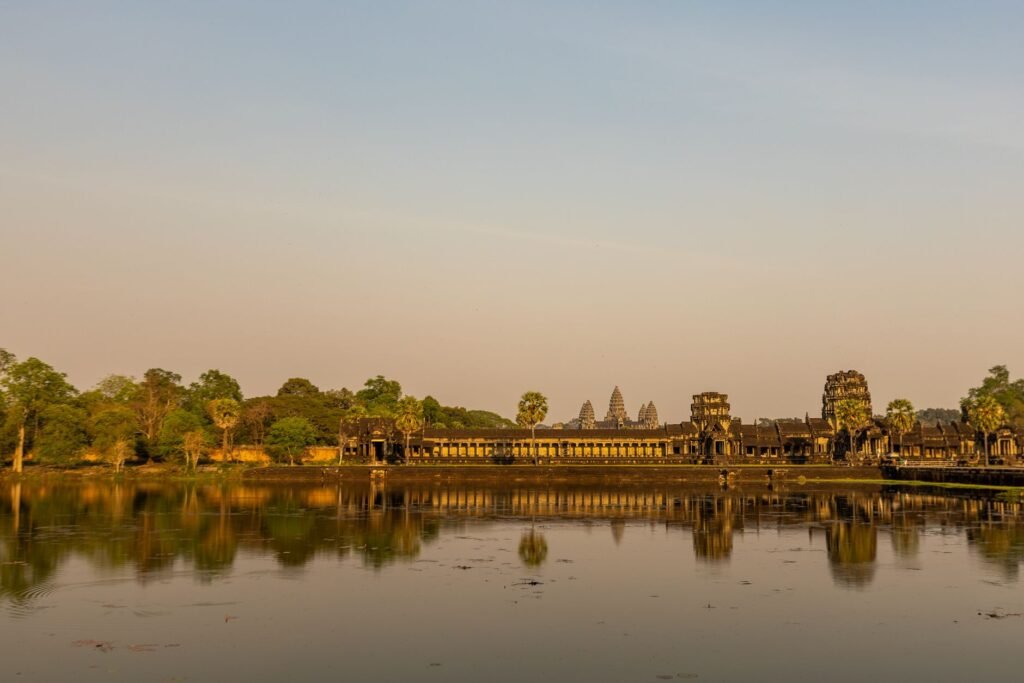
One cannot visit Cambodia without experiencing its historical sites, especially Angkor Wat, a UNESCO World Heritage site and one of the largest religious monuments in the world. Built in the early 12th century, this temple complex exemplifies the grandeur of Khmer architecture and is a must-visit for any traveler.
- Angkor Thom: This ancient city near Angkor Wat features impressive architecture, including the Bayon Temple, known for its giant stone faces.
- Ta Prohm: Famous for the trees growing out of its ruins, Ta Prohm offers a unique glimpse of how nature intertwines with history.
- Phnom Penh: The capital city holds the Royal Palace and the National Museum, showcasing the rich cultural heritage of Cambodia.
While Angkor Wat is often the highlight, exploring lesser-known temples can provide a more intimate experience. For example, Banteay Srei, known for its intricate carvings, is a bit farther from the main complex but is well worth the visit.
Practical Travel Tips
Traveling in Cambodia comes with its own set of practical considerations. Understanding the local currency, transportation options, and health precautions can make your trip more enjoyable and less stressful.
The currency used in Cambodia is the Cambodian Riel (KHR), but US dollars are widely accepted. It is advisable to carry a mix of both currencies, as smaller vendors may prefer Riel. Always check the current exchange rates and ensure you have small denominations for local transactions.
When it comes to transportation, tuk-tuks are a popular and affordable way to get around cities. Negotiate the fare before your ride to avoid misunderstandings. For longer distances, consider booking a private car or using bus services, which are generally safe and budget-friendly.
Health and Safety Considerations
While Cambodia is a relatively safe destination, travelers should remain vigilant, especially in crowded areas. Petty crime, such as pickpocketing, can occur in tourist hotspots. Keeping your belongings secure and being aware of your surroundings can go a long way in ensuring your safety.
Health-wise, it is essential to consult a healthcare provider about vaccinations before traveling. Common recommendations include vaccines for hepatitis A, typhoid, and tetanus. Additionally, travelers should consider taking precautions against mosquito bites, as dengue fever is prevalent in the region.
In case of medical emergencies, it is advisable to have travel insurance that covers medical evacuation. Familiarize yourself with the location of hospitals and clinics in the areas you plan to visit, especially in rural regions where medical facilities may be limited.
Local Cuisine to Try
Cambodian cuisine, often overshadowed by its neighboring countries, offers a rich variety of flavors and dishes. From street food to fine dining, there are plenty of options to explore. Here are some must-try dishes:
- Amok: A traditional Cambodian curry made with fish or chicken, coconut milk, and spices, typically served in a banana leaf.
- Lok Lak: Stir-fried beef served with rice and a tangy lime and pepper dipping sauce.
- Nom Banh Chok: A popular breakfast dish consisting of rice noodles topped with a fish gravy and fresh vegetables.
While exploring local markets, don’t miss the chance to sample street food. Food stalls often offer a variety of snacks, such as fried insects and fresh fruit, providing a unique taste of Cambodian culture. However, it is essential to choose stalls that appear clean and busy to ensure food safety.
Transportation in Cambodia
Getting around Cambodia can be an adventure in itself. The country has an array of transportation options, each with its own pros and cons. Understanding these options can help you navigate your travel plans effectively.
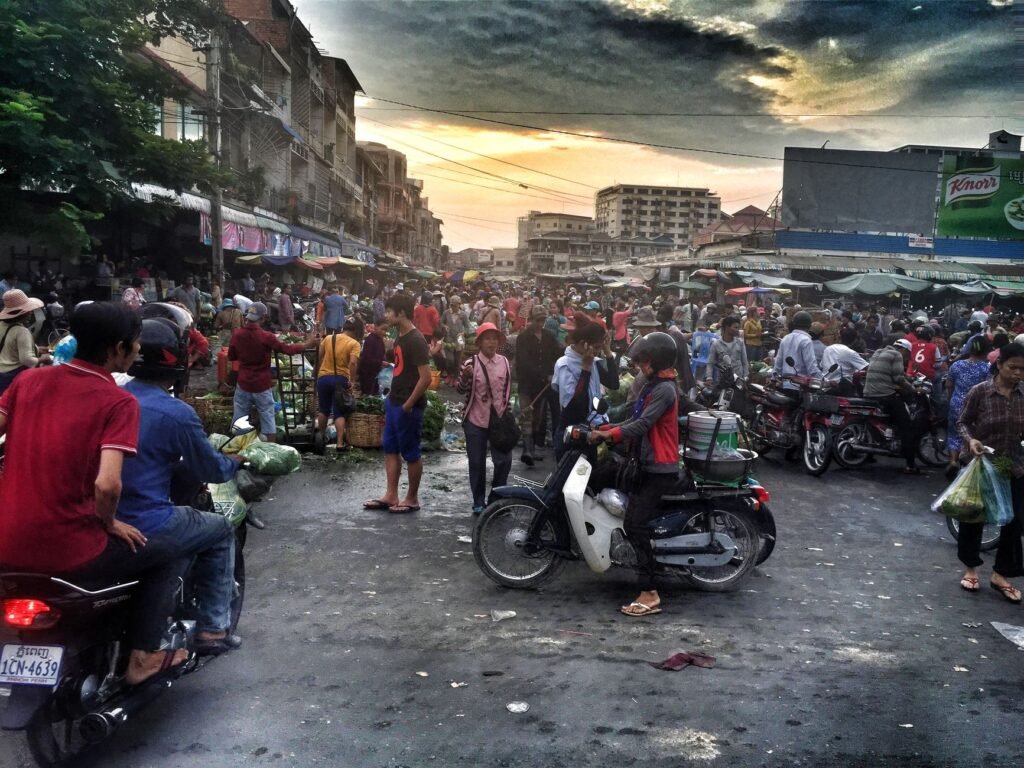
- Tuk-tuks: These three-wheeled vehicles are ubiquitous in cities and are a fun way to explore. Always negotiate the fare beforehand.
- Bicycles: Renting a bike can be an excellent way to explore towns and rural areas at your own pace. Many guesthouses offer rentals.
- Long-distance buses: Buses connect major cities and are a cost-effective way to travel. Choose reputable companies and book tickets in advance when possible.
For those looking for more comfort, private car hires are available and can be arranged through hotels or travel agencies. This is particularly useful for groups or families traveling together.
Shopping and Markets
Shopping in Cambodia can be a delightful experience, especially in local markets. Each market has its own unique offerings, from handicrafts to fresh produce. Here are some popular markets to explore:
- Phsar Thmei (Central Market): Located in Phnom Penh, this market is known for its Art Deco architecture and wide range of goods, including jewelry, clothing, and souvenirs.
- Russian Market: A favorite among tourists, this market offers a variety of handicrafts, textiles, and local foods. Bargaining is expected!
- Siem Reap Night Market: After exploring the temples, the night market in Siem Reap comes alive with food stalls, artisan crafts, and entertainment.
When shopping, remember that haggling is a common practice in markets. Start your offer lower than the asking price and negotiate until you reach a price that works for both you and the vendor.
Exploring Cambodia’s Natural Wonders
The Biodiversity of Cambodia
Cambodia is home to a rich variety of ecosystems, ranging from lush rainforests to vibrant coral reefs. The Cardamom Mountains, for example, are one of Southeast Asia’s last remaining rainforests, offering a habitat for countless species, some of which are endemic to the region. Birdwatchers will find a paradise here, with species such as the critically endangered giant ibis and the lesser adjutant. Furthermore, the Mekong River is not only a vital waterway but also a biodiversity hotspot, hosting various fish species and the rare Irrawaddy dolphin.
To truly appreciate this biodiversity, consider visiting the following areas:
- Cardamom Mountains – Great for trekking and wildlife watching.
- Tonle Sap Lake – Known for its unique ecosystem and floating villages.
- Prey Lang Forest – A protected area rich in flora and fauna.
Adventure Activities in Cambodia
For the adventurous traveler, Cambodia offers a plethora of outdoor activities that showcase its stunning landscapes. From hiking in the mountains to kayaking in its rivers, there is no shortage of adrenaline-pumping options. The exploration of caves in the limestone formations around Battambang is particularly popular, with opportunities to see ancient rock art and stunning stalactite formations. Additionally, zip-lining through the trees in the rainforest provides not only excitement but also an unparalleled view of the lush canopy.
Other popular adventure activities include:
- Mountain biking through rural villages and scenic countryside.
- Scuba diving or snorkeling at Koh Rong and Koh Rong Samloem islands.
- Rock climbing at the limestone cliffs in Krabi and the surrounding areas.
Wildlife Conservation Efforts
Cambodia is making significant strides in wildlife conservation, with numerous NGOs and government initiatives dedicated to preserving its unique fauna and flora. The Wildlife Alliance, for example, works to protect endangered species through community engagement and anti-poaching efforts. Visitors can participate in volunteer programs that contribute to these conservation efforts, providing a meaningful way to enjoy the natural beauty of Cambodia while giving back to the environment.
Key conservation areas include:
- Phnom Tamao Wildlife Rescue Center – A sanctuary for rescued animals.
- Banteay Srei Butterfly Centre – Focused on butterfly conservation and education.
- Wildlife Conservation Society – Protecting endangered species in various reserves.
Understanding Local Festivals and Celebrations
Major Festivals in Cambodia
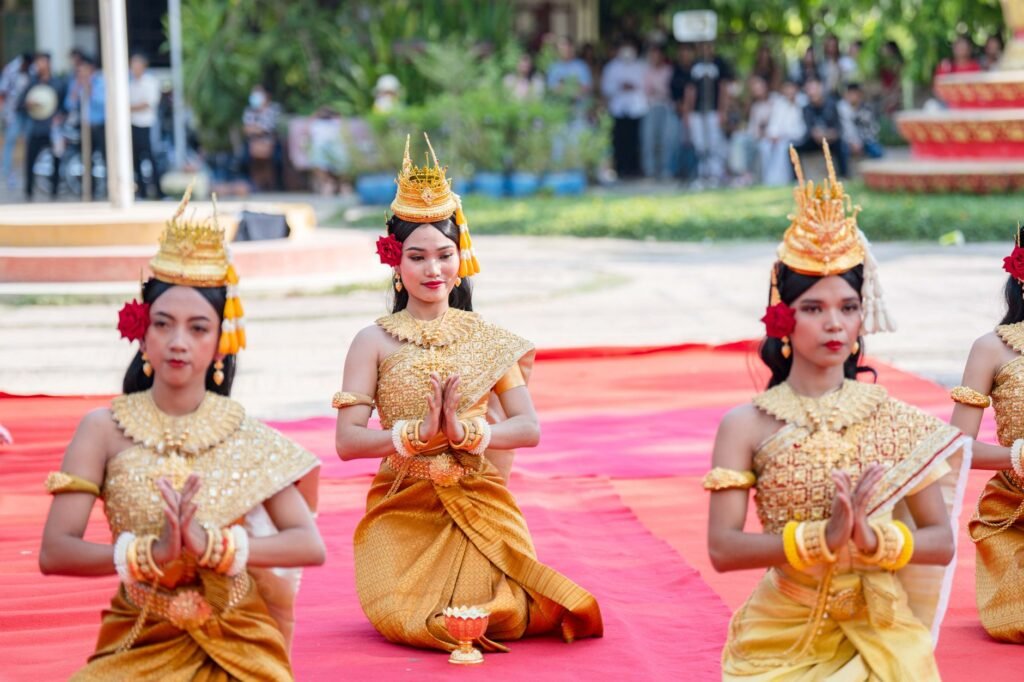
Cambodia is rich in cultural festivals that reflect the country’s traditions and history. One of the most significant is the Khmer New Year (Chaul Chnam Thmey), celebrated in mid-April. This three-day event marks the end of the harvest season and is characterized by vibrant celebrations, traditional games, and family gatherings. Another important festival is Pchum Ben, a 15-day religious observance in September and October, where Cambodians honor their ancestors with offerings and prayers.
Key festivals to experience include:
- Water Festival (Bon Om Touk) – Celebrated in November, featuring boat races and illuminated floats.
- King Norodom Sihamoni’s Birthday – A national holiday celebrated on May 14.
- Visak Bochea – The celebration of Buddha’s birth, enlightenment, and death, taking place in May.
Participating in Local Traditions
Engaging with locals during festivals provides a unique opportunity to immerse yourself in Cambodian culture. Many festivals involve community activities, where visitors can learn traditional dances, try local delicacies, and witness age-old rituals. For instance, during the Khmer New Year, locals perform the traditional “Chaul Chnam” dance, and visitors are often welcomed to join in the festivities.
To enhance your experience, consider:
- Learning a few basic Khmer phrases to interact with locals.
- Sampling traditional foods that are prepared specifically for each festival.
- Participating in rituals, such as making offerings at temples.
Understanding the Significance of Festivals
Each festival holds deep historical and spiritual significance, often intertwined with Buddhist beliefs and agricultural practices. Understanding these meanings can enrich your experience and appreciation of the events. For example, the Water Festival symbolizes the end of the rainy season and the beginning of a fruitful harvest, while Pchum Ben reflects the Buddhist belief in honoring ancestors and the cycle of life and death.
Before attending a festival, it’s beneficial to research its background and customs. This knowledge will not only enhance your understanding but will also foster respect for the local traditions and the people who celebrate them.
Experiencing Rural Life in Cambodia
The Charm of Rural Villages
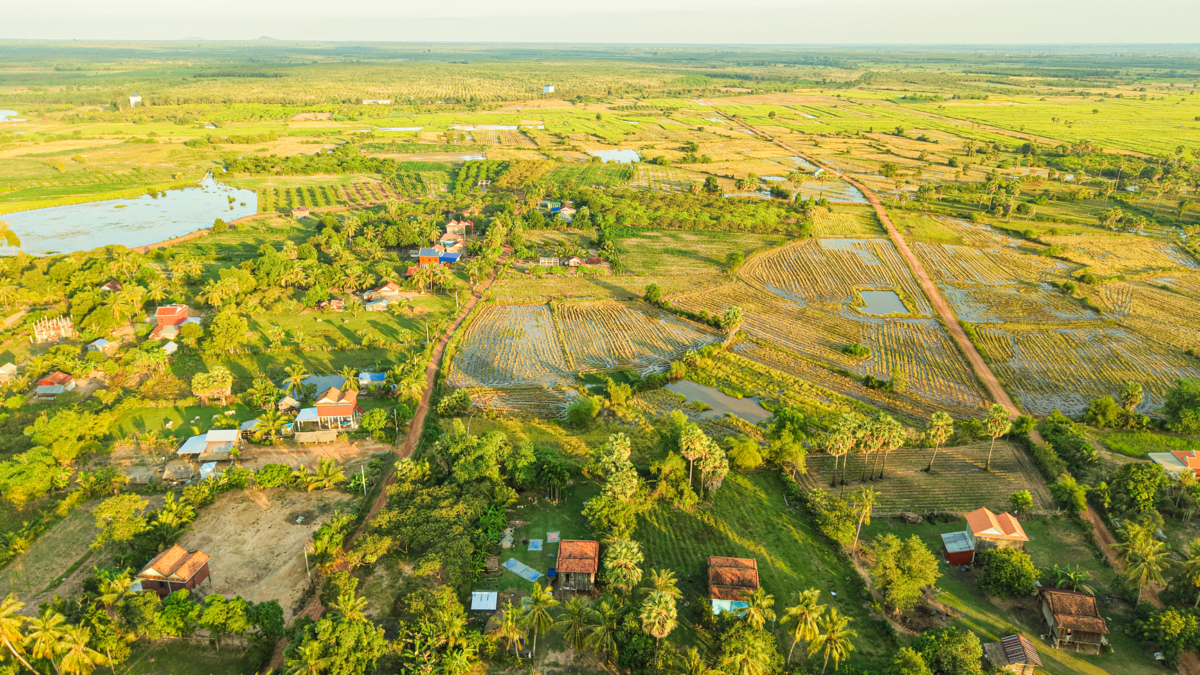
While many travelers flock to Cambodia’s urban centers and historical sites, the rural villages offer a glimpse into the country’s authentic lifestyle. These villages are characterized by their traditional wooden houses, rice paddies, and close-knit communities. Visiting rural areas allows travelers to engage with local customs and witness daily life, from farming practices to traditional crafts.
Some charming rural destinations include:
- Siem Reap Province – Known for its rice fields and local markets.
- Kampot – Famous for its pepper plantations and riverside views.
- Takeo – Offers a peaceful setting with ancient temples and rural landscapes.
Participating in Community Activities
One of the best ways to experience rural life is to participate in community activities. Many villages welcome visitors to join in their daily routines, such as rice planting or fishing, providing a hands-on understanding of local agricultural practices. Additionally, cooking classes with local families can offer insights into traditional Khmer cuisine and cooking techniques.
Consider these activities during your visit:
- Joining a rice harvest or planting session.
- Attending a local market to learn about traditional goods.
- Engaging in craft workshops, such as weaving or pottery making.
Understanding Rural Challenges
While experiencing the charm of rural life, it’s also important to understand the challenges faced by these communities. Issues such as access to education, healthcare, and economic opportunities are prevalent in many areas. Engaging with local NGOs or community projects can provide insights into these challenges and ways to contribute positively during your visit.
By understanding both the beauty and struggles of rural life, travelers can foster deeper connections with local communities and contribute to sustainable tourism efforts in Cambodia.
Frequently Asked Questions
What is the best time to visit Cambodia?
The best time to visit Cambodia is during the dry season, which runs from November to February. This period offers cooler temperatures and less humidity, making it ideal for sightseeing and outdoor activities.
Do I need a visa to enter Cambodia?
Yes, most travelers require a visa to enter Cambodia. E-visas can be obtained online prior to arrival, while visas on arrival are available at major entry points. Check the latest regulations before traveling.
Is it safe to travel in Cambodia?
Cambodia is generally safe for travelers, but it’s important to take standard precautions. Be aware of your surroundings, avoid displaying valuables, and travel in groups when possible, especially at night.
What should I wear when visiting temples?
When visiting temples, it is essential to dress modestly. Both men and women should wear clothing that covers shoulders and knees. Loose-fitting, breathable fabrics are recommended to stay comfortable in the heat.
The Bottom Line
Understanding the essential things to know about Cambodia will enhance your travel experience in this captivating country. From its rich cultural heritage and historical sites to practical travel tips, being well-prepared will help you make the most of your visit. Embrace the local customs, savor the cuisine, and explore the stunning landscapes for an unforgettable adventure in Cambodia.