Key Takeaways
- The Titanic wreck is facing significant environmental threats.
- Human activity is impacting the preservation of the site.
- Conservation efforts are essential for the future of the wreck.
- Travelers can play a role in its protection and awareness.
The Titanic, a symbol of maritime tragedy, rests at the bottom of the North Atlantic Ocean, a haunting reminder of its tragic voyage. Since its discovery in 1985, the wreck has been a focal point for historians, researchers, and adventurers alike. Yet, the Titanic wreck is under threat, facing numerous challenges that jeopardize its preservation and integrity.
This article delves into the various factors contributing to the deterioration of the Titanic wreck, the impact of human activity, and the ongoing conservation efforts aimed at protecting this iconic site. Travelers interested in maritime history and oceanic preservation will find practical insights into how they can contribute to the efforts surrounding the Titanic wreck.
Understanding the threats to the Titanic wreck is crucial not only for historical preservation but also for the broader implications concerning marine conservation. As we explore the Titanic’s current state, we will also discuss ways to mitigate these threats and ensure that this underwater monument is respected for generations to come.
The Current State of the Titanic Wreck
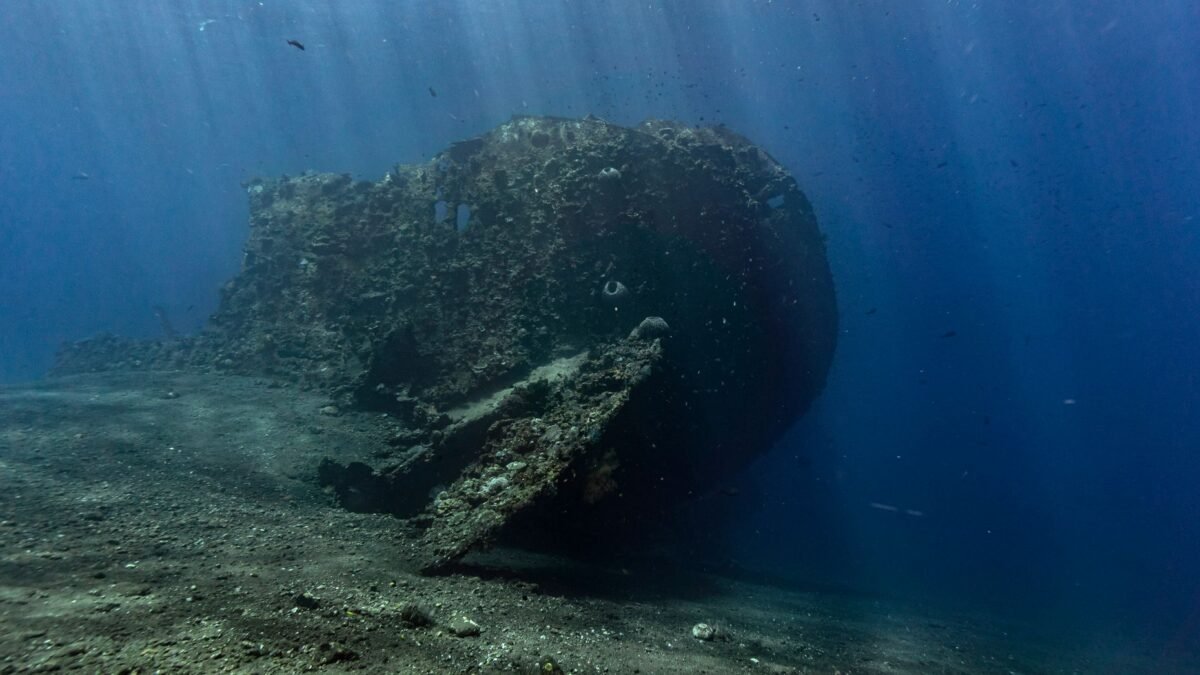
The Titanic wreck lies approximately 12,500 feet below the surface of the North Atlantic. It has been a subject of extensive research and exploration, revealing much about early 20th-century maritime technology and the social context of the era. However, the wreck is not in pristine condition; it is continually undergoing deterioration due to various factors.
One of the most significant threats to the Titanic wreck is the natural process of decay. The deep-sea environment, characterized by extreme pressure, cold temperatures, and high salinity, accelerates the corrosion of the ship’s iron structure. Over the years, researchers have documented the formation of microbial colonies on the ship, which contribute to its degradation. These bacteria consume the iron, leading to the phenomenon known as ‘iron-eating bacteria,’ which has resulted in considerable structural damage.
In addition to natural decay, the wreck has been affected by human activity. The influx of tourists and researchers visiting the site has led to increased risk of damage. There have been instances of debris being disturbed, and artifacts being removed from the wreck site, which not only affects the integrity of the wreck but also diminishes its historical context.
Environmental Factors Impacting the Titanic
The harsh conditions of the deep ocean are both a protective and detrimental factor for the Titanic wreck. The extreme cold and darkness of the North Atlantic have, in some respects, helped preserve the ship since its sinking. However, these conditions also create an environment that fosters the growth of corrosive bacteria.
Furthermore, climate change poses an imminent threat to the Titanic wreck. As ocean temperatures rise and sea levels fluctuate, the underwater ecosystem is undergoing significant changes. Increased ocean acidity can accelerate the corrosion of materials found in the wreck, while changes in ocean currents may lead to increased sedimentation around the site, further complicating preservation efforts.
Marine pollution is another environmental concern. Oil spills, plastics, and other pollutants introduced into the ocean can have dire consequences for the delicate ecosystems surrounding the wreck site. These pollutants can also affect the microbial activity that contributes to the deterioration of the Titanic.
The Role of Human Activity
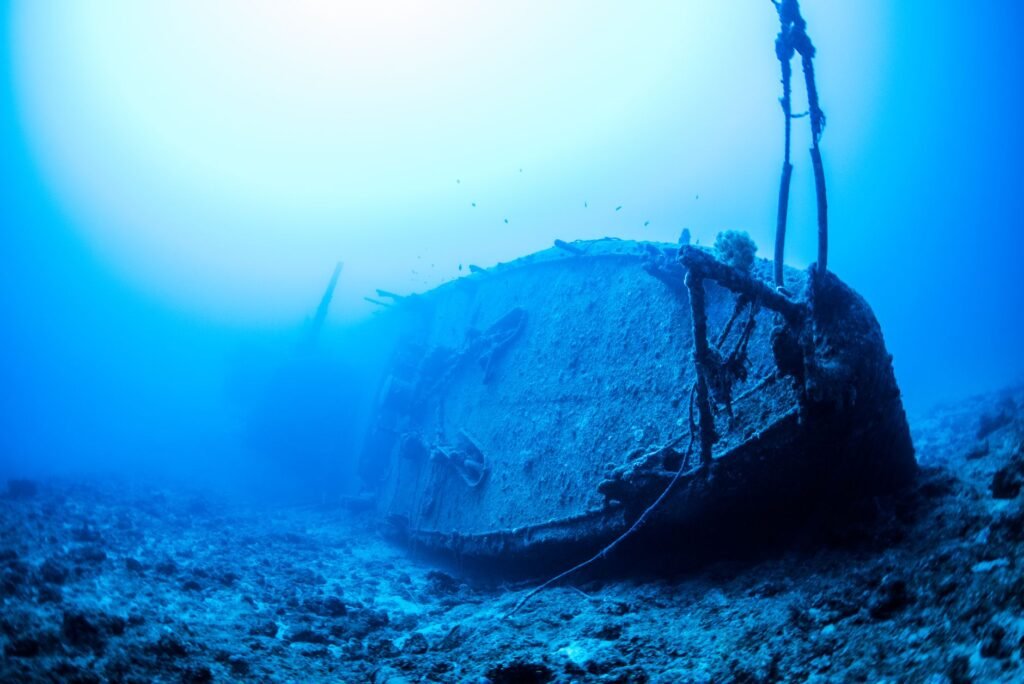
Human activity has had a profound impact on the Titanic wreck. While exploration and research can generate awareness and understanding, they also carry the potential for harm. Submersible vehicles and remotely operated vehicles (ROVs) have been utilized to study the wreck, but careless navigation and interaction can lead to unintentional damage.
Moreover, the Titanic has become a site of interest for treasure hunters and unauthorized dives. The removal of artifacts not only constitutes a loss of historical context but can also lead to structural instability of the wreck. The combination of these activities has sparked a debate about how best to balance exploration with preservation.
In recent years, several organizations, including the RMS Titanic Inc., have been working to manage the wreck site. These entities aim to establish guidelines for exploration and research, emphasizing the need for respect and preservation over profit. Engaging the public through educational initiatives is also a crucial part of these efforts, as raising awareness can foster a greater appreciation for the wreck and its historical significance.
Conservation Efforts Underway
Conservation organizations dedicated to preserving the Titanic wreck have initiated several projects aimed at mitigating the threats it faces. These efforts focus on research, monitoring, and public engagement. One of the primary goals is to gather data about the wreck’s current condition to inform future preservation strategies.
Routine monitoring of the wreck site is critical. Scientists utilize advanced technology, such as 3D imaging and sonar mapping, to assess the structural integrity of the Titanic. This data helps identify areas most affected by decay and informs conservationists about the best methods to protect the wreck.
Public engagement plays a significant role in conservation efforts as well. Educational programs, exhibitions, and documentaries about the Titanic serve to raise awareness about the importance of preserving the wreck. By educating the public about the site’s historical and cultural significance, organizations aim to foster a sense of responsibility towards the Titanic and the broader marine environment.
What Travelers Can Do
Travelers interested in the Titanic and maritime history can play an active role in the preservation of the wreck. Here are several practical steps that individuals can take:
- Educate Yourself: Before visiting sites related to the Titanic, learn about its history, the wreck’s current state, and the challenges it faces. Understanding the context will enhance your experience and appreciation.
- Choose Responsible Tours: If planning a visit to exhibitions or memorials, opt for tours and organizations that prioritize conservation and education. Support companies that adhere to ethical guidelines regarding the Titanic wreck.
- Advocate for Conservation: Use your voice to advocate for the protection of the Titanic wreck. Engage in conversations about marine conservation and share information on social media to raise awareness.
- Support Preservation Organizations: Consider donating to organizations dedicated to the preservation of the Titanic and other underwater cultural heritage sites. Your contribution can help fund vital research and conservation efforts.
The Impact of Deep-Sea Exploration Technologies
Advancements in Submersible Design
Recent advancements in submersible technology have significantly changed the way researchers and explorers approach deep-sea wrecks like the Titanic. Modern submersibles are equipped with sophisticated imaging systems, robotic arms, and enhanced navigation capabilities, allowing for precise exploration and documentation of underwater sites. These innovations contribute to the understanding of the Titanic’s current condition, but they also pose risks to the wreck itself.
For instance, the use of advanced sonar technology enables scientists to create detailed maps of the wreck site, revealing structural changes over time. However, deploying submersibles with heavy equipment risks disturbing the fragile environment surrounding the wreck. It is crucial to balance exploration with preservation, ensuring that advancements in technology do not inadvertently lead to further degradation of the site.
Remote Sensing and Its Implications
Remote sensing is another technological breakthrough that has implications for the Titanic wreck. Through methods such as satellite imagery and underwater drones, researchers can monitor the wreck’s condition without direct contact. This non-invasive approach minimizes disturbances and allows for continuous observation of the site.
- Benefits of Remote Sensing:
- Reduces the risk of physical damage to the wreck.
- Facilitates long-term monitoring of environmental changes.
- Provides valuable data for conservation strategies.
- Challenges:
- High costs associated with advanced technology deployment.
- Limited accessibility for widespread research.
- Potential for misinterpretation of data without on-site verification.
The Role of International Collaboration in Preservation
Global Partnerships for Maritime Heritage
The Titanic wreck is not only an American historical site but also a global maritime heritage resource. International collaboration is essential for its preservation, with various countries expressing interest in safeguarding this iconic site. Organizations such as UNESCO play a pivotal role in fostering partnerships among nations to promote shared responsibility for underwater cultural heritage.
By creating frameworks for cooperation, nations can collectively implement conservation measures and share research findings. This collaborative approach also helps raise awareness about the Titanic wreck’s vulnerability and the need for protective legislation at an international level.
Case Studies of Successful International Cooperation
Several successful case studies demonstrate the effectiveness of international collaboration in preserving submerged cultural heritage. For instance, the collaboration between the United States and Canada on the preservation of the RMS Empress of Ireland wreck highlights how joint efforts can lead to better protection and management practices.
- Key Elements of Successful Partnerships:
- Shared funding initiatives for research and conservation.
- Joint educational programs to raise public awareness.
- Coordinated monitoring and assessment efforts.
- Lessons Learned:
- The importance of establishing clear communication channels.
- Engaging local communities in preservation efforts.
- Utilizing technology to facilitate real-time data sharing.
The Influence of Climate Change on Underwater Archaeology
Rising Ocean Temperatures and Their Effects
Climate change is increasingly recognized as a critical factor influencing underwater archaeological sites, including the Titanic wreck. Rising ocean temperatures can lead to altered conditions that affect marine life and, consequently, the preservation of submerged artifacts. Warmer waters may accelerate the decomposition of organic materials, which can jeopardize the integrity of the wreck.
Moreover, temperature fluctuations can impact the growth of bacteria and microorganisms that contribute to the wreck’s deterioration. Understanding these changes is essential for developing effective conservation strategies that can adapt to the dynamic underwater environment.
Shifts in Ocean Chemistry
In addition to temperature changes, the increasing levels of carbon dioxide in the atmosphere are causing ocean acidification, which poses additional threats to underwater structures like the Titanic. The chemical composition of seawater plays a crucial role in the preservation of iron and other metals found in shipwrecks. As acidity levels rise, the likelihood of corrosion increases, leading to a faster deterioration of the Titanic’s remains.
- Potential Consequences of Ocean Acidification:
- Increased corrosion rates of metallic structures.
- Altered biological communities that may accelerate decay.
- Challenges for researchers in accurately assessing the wreck’s condition.
- Adaptation Strategies:
- Implementing monitoring programs to assess changing conditions.
- Developing new materials and methods for site conservation.
- Raising awareness about the interconnectedness of climate change and cultural heritage preservation.
The Impact of Microbial Life on the Titanic Wreck
Understanding Biodegradation
The Titanic wreck is subject to microbial activity that significantly affects its structural integrity. Bacteria, particularly those that thrive in deep-sea environments, can accelerate the degradation of iron and other materials. This process, known as microbiologically influenced corrosion (MIC), is a natural phenomenon but poses a threat to the wreck’s preservation. Over time, the combination of pressure, temperature, and microbial activity contributes to the dissolution of metal structures, leading to further deterioration.
Types of Microorganisms Involved
Several types of microorganisms play a role in the biodegradation of the Titanic. These include:
- Iron-reducing bacteria
- Sulfate-reducing bacteria
- Fungi and other fungi-like organisms
These organisms utilize the ship’s iron as a source of energy, which can lead to significant structural damage over time. Understanding these microbial communities is crucial for developing effective preservation strategies.
Legal and Ethical Considerations in Titanic Preservation
International Maritime Law
The Titanic wreck site is protected under various international maritime laws. The UNESCO Convention on the Protection of Underwater Cultural Heritage provides guidelines for preserving shipwrecks and underwater sites of cultural significance. However, enforcement of these laws can be challenging, as the wreck lies in international waters. This complicates jurisdiction and accountability for those who may exploit the site.
Ethical Responsibilities of Researchers and Explorers
Researchers and explorers have a moral obligation to respect the Titanic as a gravesite. Ethical considerations include:
- Minimizing disturbance during exploration
- Preserving artifacts in situ whenever possible
- Engaging with descendants of those who perished
These responsibilities highlight the importance of balancing scientific inquiry with respect for human history.
The Role of Technology in Monitoring the Wreck
Advanced Imaging Techniques
Recent advancements in underwater imaging technologies, such as 3D sonar mapping and high-resolution photography, are crucial for monitoring the condition of the Titanic wreck. These technologies allow researchers to create detailed models of the wreck site, enabling them to track changes over time. This data is vital for assessing the impacts of environmental factors and human activities on the site.
Remote Sensing and Robotics
Remote sensing technologies, including ROVs (remotely operated vehicles), play a significant role in exploring and documenting the Titanic. These robotic systems can access areas that are difficult for humans to reach, providing valuable insights into the wreck’s condition. Key benefits include:
- Minimizing human impact on the wreck
- Gathering real-time data on environmental conditions
- Facilitating ongoing research and conservation efforts
Technological innovations continue to enhance our understanding of the Titanic and contribute to its preservation.
Frequently Asked Questions
What is the current condition of the Titanic wreck?
The Titanic wreck is deteriorating due to corrosion from iron-eating bacteria and environmental factors such as temperature and ocean acidity. Monitoring and research efforts are ongoing to assess its condition.
How does climate change affect the Titanic wreck?
Climate change contributes to rising ocean temperatures and acidity, which can accelerate corrosion and impact the marine ecosystem surrounding the wreck, complicating preservation efforts.
Are there legal protections for the Titanic wreck?
The Titanic wreck is protected under various international agreements and national laws. However, enforcement of these protections can be challenging, especially regarding unauthorized exploration and treasure hunting.
How can I support Titanic preservation efforts?
You can support preservation efforts by educating yourself about the Titanic, advocating for conservation, choosing responsible tours, and donating to organizations dedicated to protecting the wreck.
The Bottom Line
The Titanic wreck is under threat from both natural and human-induced factors. Understanding these threats is vital for preserving its historical significance. Travelers can play a crucial role in supporting conservation efforts and raising awareness of the wreck’s vulnerable state. By engaging with responsible tourism practices and advocating for preservation, we can help ensure that this iconic maritime relic is protected for future generations.