Key Takeaways
- Enjoy classical dance performances in a historic setting.
- Learn about the cultural significance of the festival.
- Explore local cuisine and attractions in Khajuraho.
- Plan your visit with practical travel tips and schedules.
The Khajuraho Dance Festival, an annual celebration of India’s rich cultural heritage, is back, drawing both locals and travelers to its mesmerizing performances. This festival, set against the backdrop of the stunning UNESCO World Heritage-listed temples of Khajuraho, showcases various classical dance forms, including Kathak, Bharatanatyam, Odissi, and more. Each year, the festival not only highlights the beauty of these dance forms but also fosters a deeper appreciation for Indian traditions and artistry.
Attending the festival provides a unique opportunity to experience the vibrant culture of India while enjoying the enchanting performances by renowned artists. Whether you are a dance enthusiast or simply curious about Indian culture, the Khajuraho Dance Festival offers something for everyone. In this article, we will explore what to expect from this spectacular event, including the schedule, performances, cultural insights, and practical travel tips.
As you plan your visit, keep in mind that the festival typically takes place in February, providing a perfect escape during the winter season. With its beautiful weather, Khajuraho becomes a lively hub for art lovers, families, and tourists alike, making it the ideal time for cultural immersion.
Festival Overview
The Khajuraho Dance Festival is not just about dance; it is a celebration of Indian culture and artistry. The festival usually spans seven days, showcasing performances from various classical dance styles. Held in the open-air amphitheater near the Western Group of Temples, the setting adds to the charm and atmosphere of the event.
Each evening, audiences are treated to a rich tapestry of performances that reflect the diversity of Indian classical dance. The festival typically features eminent dancers and choreographers from across the country, enhancing the quality of performances and creating a platform for emerging artists to showcase their talent.
Moreover, the festival serves as a cultural exchange, inviting participants from different regions, thus promoting a sense of unity and appreciation for the arts. Visitors can expect not only stunning performances but also workshops, discussions, and exhibitions that highlight various aspects of Indian culture.
What to Expect from Performances
One of the highlights of the Khajuraho Dance Festival is the variety of performances that take place. Each night typically features different dance forms, allowing attendees to experience a plethora of styles and stories.
- Kathak: Known for its intricate footwork and expressive gestures, Kathak often narrates stories through dance. Expect a combination of both classical and contemporary forms, with lively music and vibrant costumes.
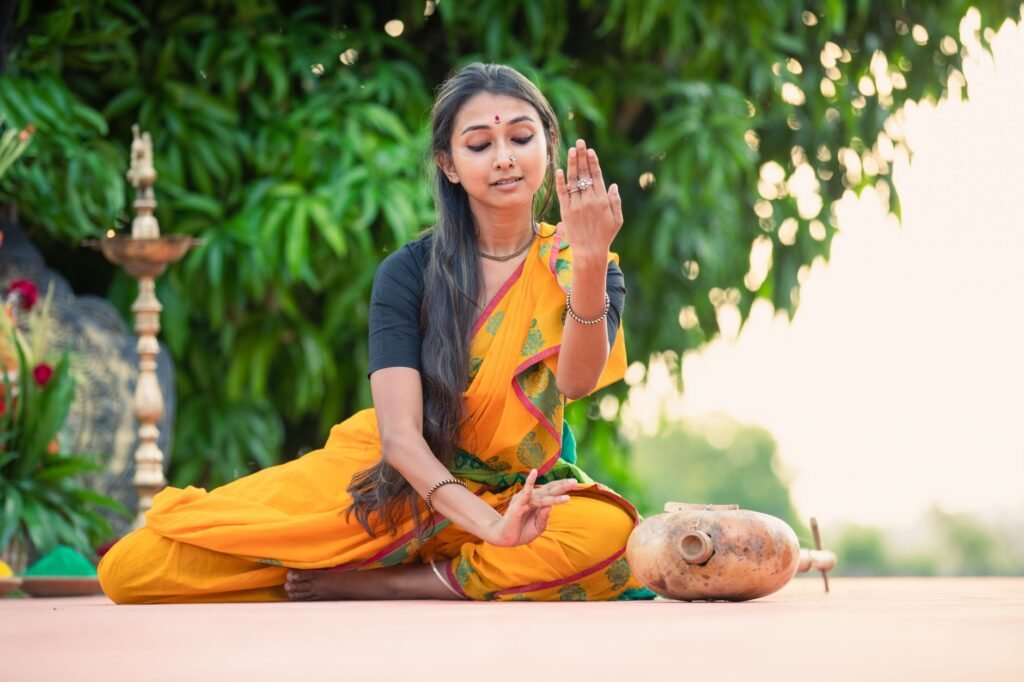
- Bharatanatyam: This ancient dance form from Tamil Nadu is characterized by its fixed upper torso, bent legs, and intricate footwork. The performances often depict themes from Hindu mythology, making them both visually stunning and spiritually engaging.
- Odissi: Originating from Odisha, Odissi is one of the oldest dance forms in India. It is known for its graceful movements and intricate poses, often portraying love and devotion.
- Kuchipudi: This dance form combines Bhava (expression), Raga (melody), and Tala (rhythm). Expect dynamic performances that often include a theatrical element, making them a delight to watch.
- Manipuri: This dance form from Manipur is characterized by its graceful movements and unique costumes. The performances often depict themes related to nature and spirituality.
Beyond individual performances, you may also encounter fusion pieces that blend traditional and modern dance elements, showcasing the adaptability and evolution of Indian dance.

Schedule and Timing
The festival typically occurs over a week in February, with exact dates varying each year. It usually starts in the evening, around 7 PM, and runs until approximately 9 PM, allowing attendees to enjoy the cooler evening temperatures.
Here is a general outline of what the schedule might look like:
| Day | Dance Style | Performers |
|---|---|---|
| Day 1 | Kathak | Renowned Kathak Dancers |
| Day 2 | Bharatanatyam | National Award Winners |
| Day 3 | Odissi | Famous Odissi Troupes |
| Day 4 | Kuchipudi | Emerging Artists |
| Day 5 | Manipuri | State Ballet Companies |
| Day 6 | Fusion Dance | Collaborative Performances |
It is advisable to arrive early to secure good seating, as the amphitheater fills up quickly. Also, be prepared for unexpected changes in the schedule, as performers may vary each year.
Cultural Significance of the Festival
The Khajuraho Dance Festival is deeply rooted in the history and culture of India. The temples of Khajuraho, built during the Chandela dynasty between 950 and 1050 AD, are famous for their intricate sculptures and carvings that depict various aspects of life, including dance.
The choice of venue for the festival is significant, as it connects the art of dance with the architectural grandeur of the temples, creating a harmonious blend of visual and performing arts. The festival aims to revive and preserve traditional art forms that may otherwise fade away in modern times.
Moreover, the festival serves as a reminder of India’s cultural diversity and the importance of preserving its rich heritage. It encourages both local and international audiences to engage with and appreciate the performing arts, fostering a sense of cultural pride and identity.
Exploring Khajuraho Beyond the Festival
While attending the dance festival is an enriching experience, Khajuraho has much more to offer. Beyond the performances, visitors can explore the stunning temples, each with unique architectural styles and intricate carvings that narrate stories from mythology.
- Western Group of Temples: This UNESCO World Heritage site includes some of the most famous temples, such as the Kandariya Mahadeva Temple, known for its detailed sculptures.
- Eastern Group of Temples: These temples are less crowded and feature beautiful structures, including the Jain temples that showcase exquisite artistry.
- Local Cuisine: Don’t miss out on trying local delicacies. Khajuraho offers a variety of restaurants and street food options serving traditional North Indian cuisine.
- Shopping for Souvenirs: Visitors can find handicrafts, textiles, and traditional artifacts at local markets, making it a perfect opportunity to take home a piece of Khajuraho.
Engaging with the local community and learning about their traditions can enrich your experience and provide a deeper understanding of the culture.
Practical Travel Tips
Planning a trip to the Khajuraho Dance Festival requires some preparation to ensure a smooth and enjoyable experience. Here are some practical tips to consider:
- Accommodation: Book your stay in advance, as hotels fill up quickly during the festival. Consider staying near the festival grounds for convenience.
- Transportation: Khajuraho is accessible by air, rail, and road. The nearest airport is Khajuraho Airport, and local transportation options include taxis and auto-rickshaws.
- Health and Safety: Stay hydrated and wear comfortable clothing and footwear for the festival. Be cautious of your belongings in crowded areas.
- Local Customs: Be respectful of local traditions and customs, especially when visiting temples. Dress modestly and adhere to any specific guidelines.
Essential Preparations for Attending the Festival
Booking Your Accommodation
Securing a place to stay during the Khajuraho Dance Festival is crucial, as this popular event attracts numerous visitors. It is advisable to book your accommodation well in advance, particularly if you plan to attend during peak tourist season. Options range from budget guesthouses to luxurious hotels, each offering a unique experience.
Here are some popular accommodation types to consider:
- Luxury Hotels: Experience comfort with amenities like spas and fine dining.
- Mid-range Hotels: Enjoy a balance of quality service and affordability.
- Budget Guesthouses: Ideal for travelers looking for basic accommodations.
Check for proximity to the festival venue to minimize travel time. Some hotels even offer special packages that include festival tickets, enhancing your overall experience.
Packing Essentials for the Festival
When preparing for your trip to the Khajuraho Dance Festival, packing wisely can enhance your experience. Consider the weather, which can vary, so layering is advisable. Comfortable footwear is essential, as you may spend long hours walking or standing.
Here’s a checklist of items to pack:
- Lightweight clothing for warm days and a light jacket for cooler evenings.
- Comfortable shoes suitable for walking.
- A reusable water bottle to stay hydrated.
- Sunscreen and a hat to protect against the sun.
- A camera or smartphone for capturing the stunning performances and landscapes.
Additionally, consider bringing a portable charger to keep your devices powered, as you may want to share your experiences on social media in real time.
Understanding Local Etiquette
To enrich your experience at the Khajuraho Dance Festival, it’s important to be aware of local customs and etiquette. Respect for the performers and the cultural significance of the event is paramount. When attending performances, maintain silence during the acts and avoid using flash photography, as this can be distracting.
Here are some key etiquette tips to keep in mind:
- Dress modestly, particularly when visiting temples or local religious sites.
- Ask for permission before photographing people, especially performers.
- Remain seated during performances and avoid blocking the view of others.
By following these guidelines, you will not only show respect for the culture but also enhance your own festival experience.
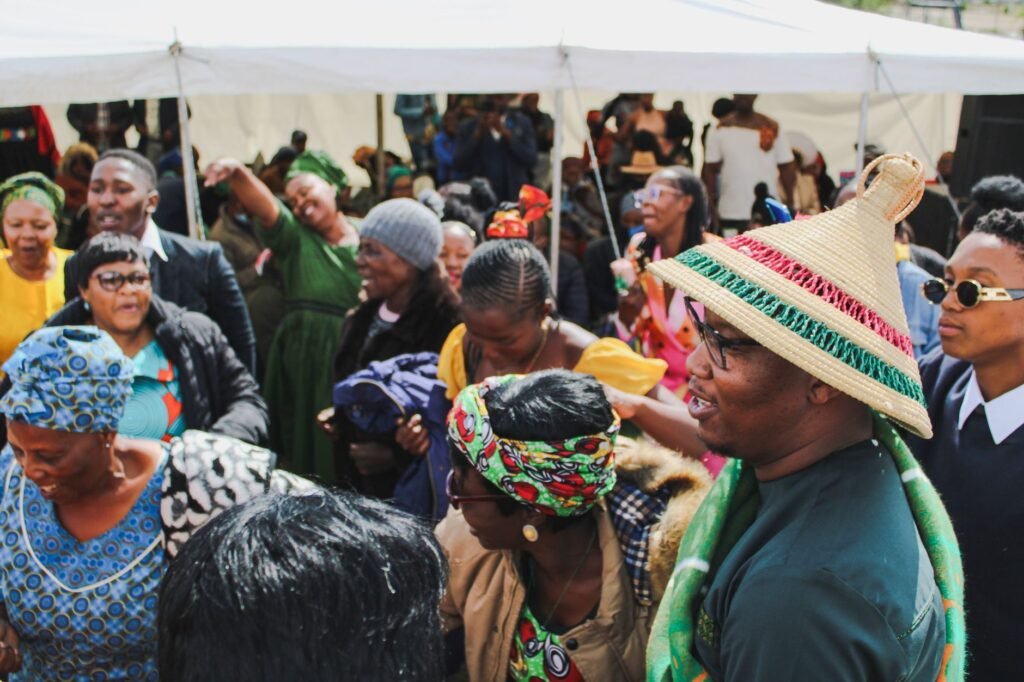
Engaging with Local Culture and Cuisine
Exploring Khajuraho’s Culinary Delights
The Khajuraho Dance Festival is not just about performances; it is also a fantastic opportunity to indulge in local cuisine. The region offers a variety of dishes that reflect the rich cultural heritage of Madhya Pradesh. From street food to traditional meals, the culinary landscape is both diverse and delicious.
Some must-try dishes include:
- Dal Bafla: A traditional wheat dish served with lentils.
- Chaat: A popular street food snack, often spicy and tangy.
- Bhutte ka Kees: Grated corn cooked with spices, a local favorite.
Many local restaurants and stalls set up during the festival provide a taste of these traditional dishes, making it easy to sample various flavors while mingling with fellow festival-goers.
Participating in Cultural Workshops
In addition to enjoying performances, attendees can often participate in cultural workshops offered during the festival. These workshops provide a hands-on experience and a deeper understanding of the art forms celebrated at the festival, such as classical dance and music. Participating in these activities can be a highlight of your visit.
Workshops may include:
- Classical Dance Classes: Learn the basics of Kathak or Odissi from skilled instructors.
- Music Workshops: Engage with local musicians and understand traditional instruments.
- Art and Craft Sessions: Create your own art inspired by local traditions.
These workshops foster interaction with local artists and provide a unique opportunity to learn about the cultural fabric of Khajuraho.
Connecting with Local Artisans
Khajuraho is renowned for its intricate temple carvings and sculptures, and many local artisans continue to practice these ancient crafts. The festival often features stalls where artisans showcase their work, allowing visitors to purchase authentic handicrafts directly from the creators.
Here are some crafts to look out for:
- Stone Carvings: Replicas of temple sculptures and intricate designs.
- Handwoven Textiles: Beautiful fabrics showcasing traditional weaves and patterns.
- Brass and Metalwork: Intricate items that reflect the skill and artistry of local craftsmen.
Engaging with these artisans not only supports the local economy but also provides insight into the skills and traditions that have been passed down through generations.
Enhancing Your Festival Experience
Making Connections with Fellow Attendees
The Khajuraho Dance Festival attracts visitors from around the world, making it a perfect opportunity to meet like-minded individuals who share a passion for culture and the arts. Engaging in conversations with fellow attendees can lead to new friendships and enriching discussions about various performances and cultural nuances.
Consider participating in group activities or social events organized during the festival. This can provide a platform for exchanging experiences, recommendations, and possibly forming connections that last beyond the festival.
Exploring Nearby Attractions
While the festival itself is a focal point, Khajuraho is surrounded by numerous attractions worth exploring. Take some time to visit the nearby national parks and historical sites that enrich your travel experience. Some notable places include:
- Bandhavgarh National Park: A renowned wildlife sanctuary, home to tigers and diverse flora and fauna.
- Orchha: A historical town with stunning palaces and temples, located just a few hours from Khajuraho.
- Raneh Falls: A picturesque waterfall surrounded by unique rock formations.
Exploring these sites provides a deeper understanding of the region’s natural beauty and cultural significance, making your trip even more fulfilling.
Documenting Your Experience
Finally, consider documenting your festival experience through journaling, photography, or blogging. Capturing your thoughts and feelings as you engage with the performances and local culture can create lasting memories. Sharing your experience online can also inspire others to attend the festival in the future.
Here are some ways to document your experience:
- Keep a travel journal: Write about your daily experiences and reflections.
- Take photos: Capture moments of performances, local cuisine, and interactions with locals.
- Share on social media: Use relevant hashtags to connect with other festival-goers.
By documenting your journey, you create a personal narrative that can be cherished for years to come.
Frequently Asked Questions
When is the Khajuraho Dance Festival held?
The festival typically takes place in February each year. Exact dates may vary, so it’s advisable to check local listings for the current year’s schedule.
What types of dances are performed at the festival?
The festival features various classical Indian dance forms, including Kathak, Bharatanatyam, Odissi, Kuchipudi, and Manipuri, among others.
How do I get to Khajuraho?
Khajuraho can be reached by air, rail, and road. The nearest airport is Khajuraho Airport, with regular flights from major cities. The town is also accessible by train and bus services.
Are there any ticket fees for the festival?
Entry to the festival is generally free, but it’s advisable to confirm locally for any updates or changes regarding ticketing or special seating arrangements.
The Bottom Line
The spectacular Khajuraho Dance Festival is a magnificent celebration of India’s classical dance and cultural heritage, set in a breathtaking location. With a lineup of talented performers, cultural insights, and the opportunity to explore the stunning temples, this festival promises an unforgettable experience. By planning ahead and immersing yourself in both the performances and the local culture, you can make the most of your visit to this enchanting event.