Key Takeaways
- Hiram Bingham's expedition brought Machu Picchu to global attention.
- The site is rich in history and mystery, attracting countless visitors.
- Travel tips include the best times to visit and what to explore.
- Understanding the cultural significance enhances the visit experience.
The discovery of Machu Picchu by Hiram Bingham in 1911 is a significant event in the world of archaeology and tourism. This ancient Incan city, located high in the Andes Mountains of Peru, had been largely forgotten, hidden by dense vegetation and the passage of time. Bingham’s expedition not only unveiled this remarkable site to the world but also sparked a renewed interest in Incan history and culture.
Machu Picchu is now considered one of the most important archaeological finds of the 20th century. It attracts millions of visitors each year who come to marvel at its stunning architecture and breathtaking views. Understanding how Bingham came to discover this lost city provides context to the site’s significance and helps travelers appreciate its rich history.
In this article, we will explore the journey of Hiram Bingham, the significance of Machu Picchu, and practical tips for those planning a visit to this UNESCO World Heritage site.
The Journey of Hiram Bingham
Hiram Bingham III, an American academic and explorer, was not initially seeking Machu Picchu. His expedition to Peru in 1911 was primarily aimed at tracing the route of the Inca Trail and researching the Inca civilization. Bingham, who was a lecturer at Yale University, had an interest in archaeology and a fascination with South American culture.
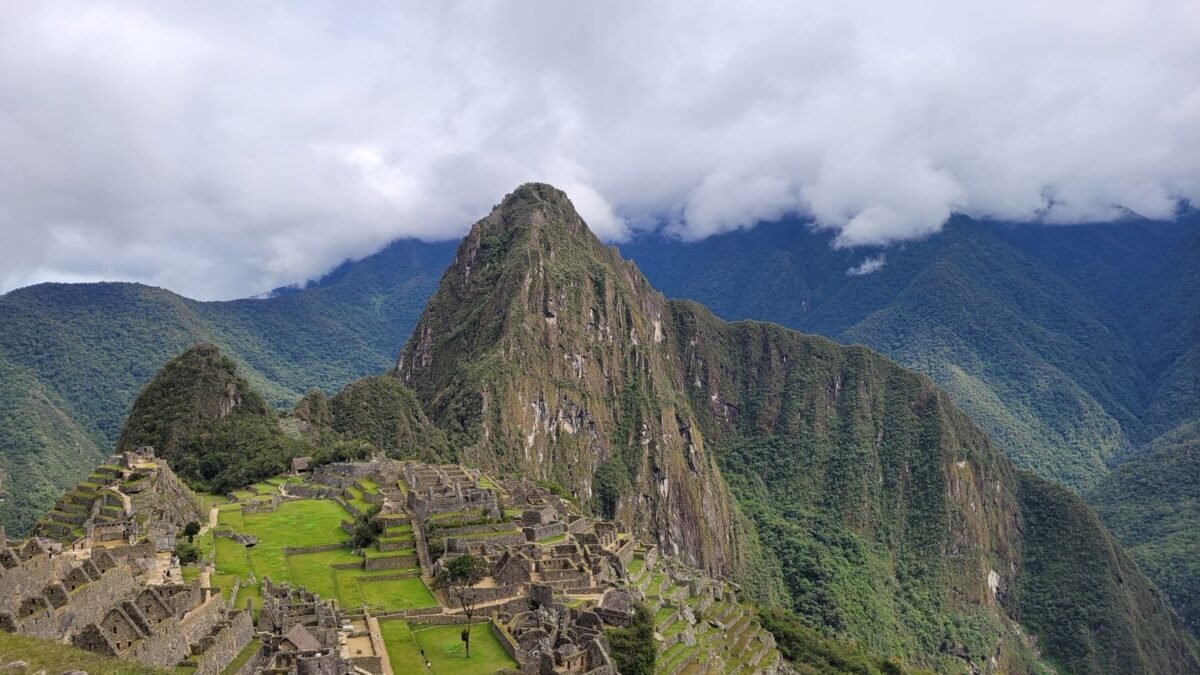
During his travels, Bingham learned from local farmers about the existence of ancient ruins on a mountain ridge. He was guided to the site now known as Machu Picchu, where he discovered an impressive array of stone structures nestled among the clouds. Bingham’s accounts describe the ruins as a “lost city,” which captivated both the public and the academic community.
Upon reaching Machu Picchu, Bingham undertook a series of excavations. His team uncovered various artifacts, including pottery, tools, and even mummies, which provided invaluable insights into the Inca civilization. The expedition was documented in photographs and reports, which Bingham published, further promoting interest in the site.
The Historical Significance of Machu Picchu
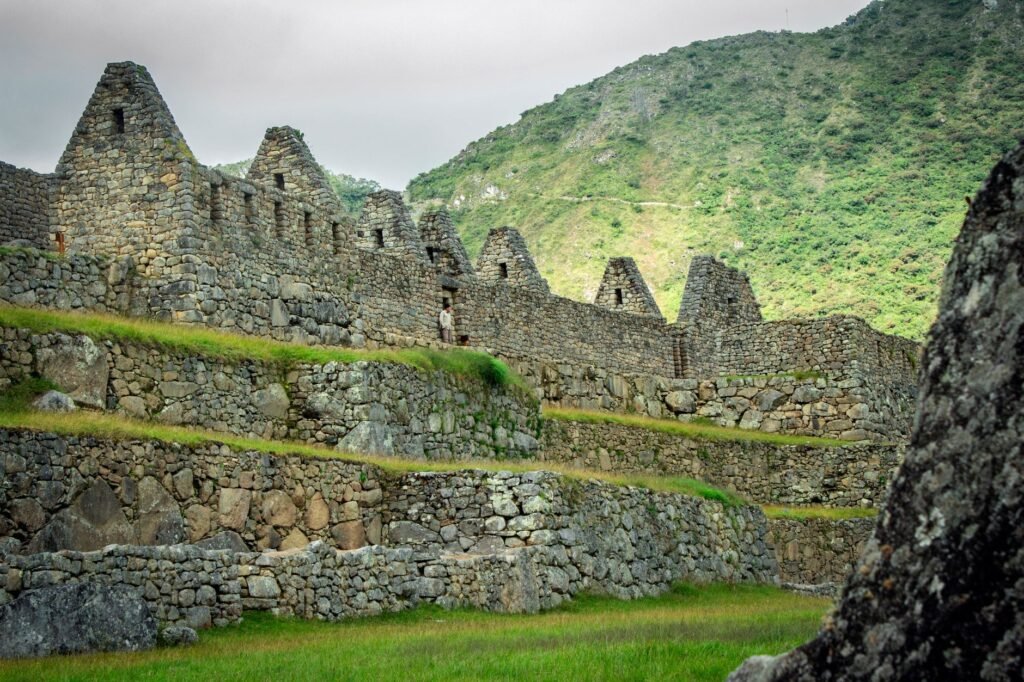
Machu Picchu is believed to have been built in the 15th century during the height of the Inca Empire. It served as a royal estate for the Inca emperor Pachacuti and played a significant role in the socio-political landscape of the time. The layout and construction techniques of the site demonstrate advanced engineering and architectural skills.
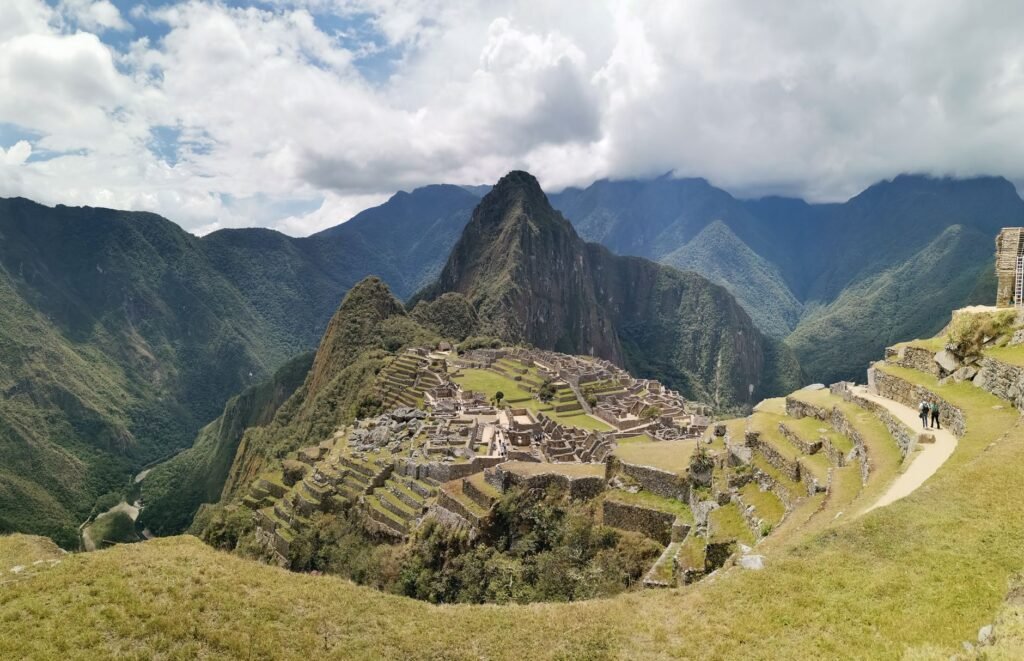
The city was strategically located, allowing for agricultural production and control over the surrounding areas. It is constructed with intricate stonework, terraces for farming, and religious structures, reflecting its dual purpose as both a residential and ceremonial center.
After Bingham’s discovery, Machu Picchu gained recognition as a symbol of Incan ingenuity. It has since become an essential part of Peru’s cultural identity, symbolizing resilience and the enduring legacy of the Inca civilization.
Visiting Machu Picchu Today
Today, Machu Picchu is one of the most visited tourist destinations in the world. When planning a visit, it is important to consider several factors to enhance the experience:
- Best Time to Visit: The dry season from May to October is ideal, offering clear skies and pleasant temperatures. However, it can be crowded during peak months.
- Getting There: Most visitors take a train from Cusco or Ollantaytambo to Aguas Calientes, the closest town to Machu Picchu. From there, buses run frequently to the entrance.
- Tickets and Regulations: It is advisable to book tickets in advance, especially during the high season. Only a limited number of visitors are allowed each day to preserve the site.
Understanding the layout of Machu Picchu can also enhance your visit. Key areas to explore include:
- The Main Plaza: This central area features key structures and is a focal point for visitors.
- The Temple of the Sun: A religious structure that showcases advanced Incan astronomy and architecture.
- Terraces: These agricultural terraces demonstrate the Incas’ ingenuity in farming on steep slopes.
Understanding the Cultural Impact
The discovery of Machu Picchu by Hiram Bingham had profound implications not only for archaeology but also for the local economy and cultural pride. As knowledge of the site spread, it became a powerful symbol of Peruvian heritage and a source of national pride.
For local communities, tourism has created economic opportunities, leading to the development of infrastructure and services. However, this influx of visitors has also raised concerns about environmental sustainability and the preservation of the site. Balancing tourism with conservation efforts is crucial for maintaining the integrity of Machu Picchu.
Moreover, the site has sparked discussions about cultural appropriation, as Bingham took many artifacts back to Yale University. There is an ongoing dialogue about the repatriation of these items and the collaborative efforts needed to protect and honor indigenous cultures.
Practical Tips for Travelers
When planning a trip to Machu Picchu, consider the following practical tips:
- Pack Wisely: Bring lightweight clothing, comfortable shoes, and rain gear, as weather can change quickly in the Andes.
- Stay Hydrated: The altitude can be challenging, so drink plenty of water and acclimatize before your visit.
- Guided Tours: Consider hiring a guide to enhance your experience. They can provide insights into the history and significance of the site.
- Photography: Capture the breathtaking views but be mindful of other visitors and the site’s regulations.
The Role of Local Communities in the Discovery
Indigenous Knowledge and Guidance
The discovery of Machu Picchu was not solely the work of Hiram Bingham; it also involved significant contributions from the local indigenous communities. Before Bingham’s arrival, local farmers and villagers were aware of the ruins and had their own stories and legends surrounding them. Many indigenous people had visited the site for generations, using it for agricultural purposes and as a point of interest.
One of the crucial figures in the uncovering of Machu Picchu was a local farmer named Melchor Arteaga. Arteaga’s knowledge of the terrain and its significance helped Bingham navigate the dense undergrowth that had obscured the ruins for centuries. This collaboration highlights the importance of local expertise in archaeological endeavors.
Impact on Local Communities
The discovery of Machu Picchu brought significant changes to the local communities surrounding the site. Initially, it created economic opportunities as the influx of tourists led to the establishment of new businesses, such as hotels and restaurants. However, this sudden growth also posed challenges, such as environmental degradation and cultural dilution.
- Economic opportunities: Increased tourism led to job creation.
- Environmental concerns: The rise in tourist numbers has strained local resources.
- Cultural impact: Traditional lifestyles have been altered by the tourism boom.
Preservation Efforts by Local Communities
Recognizing the importance of preserving their heritage, local communities have engaged in various efforts to protect Machu Picchu. Initiatives include reforestation projects, sustainable tourism practices, and cultural workshops to educate visitors about their traditions. These efforts ensure that the local culture remains vibrant and that the archaeological site is preserved for future generations.
Moreover, community leaders often collaborate with governmental and non-governmental organizations to advocate for sustainable tourism policies. This collaboration is vital in balancing economic growth with the need to protect both the environment and the cultural heritage of the area.
The Archaeological Techniques Used in the Excavation
Innovative Survey Methods
The excavation of Machu Picchu utilized several innovative survey methods that were groundbreaking for the time. Bingham and his team employed techniques such as aerial photography, which allowed them to capture the site from above and understand its layout in relation to the surrounding landscape. This method provided insights into the site’s construction and its alignment with astronomical events.
Additionally, they used triangulation and mapping techniques to create detailed records of the ruins. These methodologies laid the groundwork for future archaeological practices, influencing how sites are excavated and studied worldwide.
Excavation Techniques
Bingham’s team employed a variety of excavation techniques that were considered advanced for the early 20th century. They used careful stratigraphy to analyze the layers of soil and the artifacts found within them, allowing them to date the structures accurately. This process was crucial in understanding the timeline of Machu Picchu’s construction and use.
- Stratigraphic excavation: Analyzing layers to understand chronological development.
- Artifact analysis: Cataloging findings to learn about the daily lives of the inhabitants.
- Restoration techniques: Efforts to stabilize and preserve structures for future study.
Challenges Faced During Excavation
The excavation process at Machu Picchu was fraught with challenges. One of the primary difficulties was the site’s remote location, which made transportation of equipment and supplies arduous. Additionally, the dense vegetation and steep terrain posed risks and complications during the excavation.
Moreover, Bingham faced skepticism from the academic community regarding his approach and findings. Many believed that his methods were not rigorous enough, leading to debates about the accuracy of his interpretations. Despite these challenges, Bingham’s work paved the way for further archaeological research in the region, ultimately enhancing our understanding of Incan civilization.
The Global Impact of Machu Picchu’s Discovery
Cultural Tourism and Global Awareness
The discovery of Machu Picchu significantly impacted global awareness of Incan culture and archaeological tourism. As one of the most iconic archaeological sites in the world, Machu Picchu has attracted millions of visitors, fostering interest in the history and traditions of the Inca Empire. This phenomenon has encouraged other countries to promote their own archaeological sites, leading to a broader appreciation of cultural heritage worldwide.
Furthermore, Machu Picchu’s fame has inspired numerous documentaries, books, and academic studies, contributing to the knowledge base about pre-Columbian civilizations. The site’s representation in popular media has played a significant role in shaping perceptions of Incan history and culture.
Environmental Awareness and Conservation Efforts
The influx of tourists to Machu Picchu has spurred discussions about environmental conservation and sustainable tourism. As visitors flock to the site, concerns about erosion, waste management, and habitat destruction have arisen. These issues have prompted various organizations and local authorities to implement conservation measures designed to protect the fragile ecosystem surrounding Machu Picchu.
- Visitor limits: Regulations have been put in place to control the number of daily visitors.
- Sustainable practices: Initiatives encouraging eco-friendly tourism and waste reduction.
- Education: Programs aimed at raising awareness about environmental issues among tourists.
Influence on Archaeological Research
The discovery of Machu Picchu has had a lasting influence on archaeological research methodologies and theories. Scholars have since explored various aspects of Incan society, including their agricultural practices, architectural techniques, and religious beliefs. The site has become a focal point for interdisciplinary research, attracting experts from fields such as anthropology, history, and environmental science.
Moreover, the attention brought to Machu Picchu has led to increased funding for archaeological projects in Peru and other parts of South America. This financial support has enabled more extensive research into lesser-known sites and has increased the overall understanding of the Inca Empire’s vast reach and complexity.
Preservation Efforts for Machu Picchu
Challenges in Conservation
Since its discovery, Machu Picchu has faced numerous conservation challenges. The influx of tourists has led to significant wear and tear on the site, threatening its structural integrity. Natural erosion, exacerbated by changing weather patterns, has also posed serious risks. To combat these issues, authorities have implemented various strategies aimed at preserving the site’s historical and cultural significance.
Recent Initiatives
In recent years, conservation efforts have intensified, focusing on both structural restoration and sustainable tourism practices. Key initiatives include limiting visitor numbers, conducting regular maintenance, and utilizing advanced techniques to monitor the site’s condition. Collaborations with international organizations have also brought expertise and funding to support these efforts.
- Use of drone technology for site mapping
- Implementation of visitor caps during peak seasons
- Education programs for tourists on responsible visiting
The Role of Indigenous Knowledge in Understanding Machu Picchu
Wisdom of the Local Communities
Indigenous communities have played a crucial role in understanding the historical and cultural context of Machu Picchu. Their oral traditions and knowledge of the land offer insights that complement archaeological findings. Engaging with local experts can deepen visitors’ appreciation of the site’s significance beyond its physical structures.
Collaborative Research
Involving local communities in research projects has yielded valuable perspectives on Machu Picchu. Collaborative efforts often include workshops, interviews, and cultural exchanges that highlight indigenous practices and beliefs related to the site. This synergy not only contributes to academic knowledge but also empowers the communities involved.
- Traditional agricultural practices in the surrounding region
- Festivals and rituals linked to the site
- Language preservation efforts tied to Machu Picchu’s heritage
Technological Advancements in Archaeology at Machu Picchu
Innovative Tools and Techniques
The application of modern technology has revolutionized archaeological methods at Machu Picchu. Techniques such as LiDAR (Light Detection and Ranging) and ground-penetrating radar have allowed researchers to uncover hidden structures and understand the site’s layout more comprehensively. These advancements provide a clearer picture of how the Inca utilized the landscape.
Future Prospects
Looking ahead, ongoing technological developments promise to further enhance our understanding of Machu Picchu. Continued investment in research and technology will likely lead to new discoveries and insights about the Inca civilization. As these technologies evolve, they can be used to refine conservation strategies and engage with the site’s history in innovative ways.
- 3D modeling for virtual reconstructions
- Remote sensing for environmental monitoring
- Data analytics for archaeological research
Frequently Asked Questions
What should I wear when visiting Machu Picchu?
Comfortable, breathable clothing and sturdy shoes are recommended. Layering is essential due to fluctuating temperatures.
How long should I spend at Machu Picchu?
Most visitors spend about 2 to 4 hours exploring the site. Allow extra time if you plan to hike Huayna Picchu or Machu Picchu Mountain.
Is there food available at Machu Picchu?
There are no dining facilities within the site itself. It is advisable to pack snacks and water. You can find restaurants in Aguas Calientes before your visit.
Are there any restrictions on photography?
While photography is allowed, drones and tripods are prohibited. Be respectful of other visitors and avoid obstructing paths.
The Bottom Line
The discovery of Machu Picchu by Hiram Bingham is a fascinating story that intertwines adventure, archaeology, and cultural heritage. As you plan your visit to this remarkable site, understanding its history and significance will enrich your experience. From the breathtaking views to the intricate stone structures, Machu Picchu offers a unique glimpse into the past and the legacy of the Inca civilization.