Key Takeaways
- Namibia's landscapes are diverse and breathtaking.
- Wildlife safaris offer unique encounters with nature.
- Cultural experiences enrich your travel experience.
- Practical tips ensure a smooth journey through Namibia.
Namibia is a land of stark contrasts and breathtaking beauty. From the towering sand dunes of the Namib Desert to the rugged mountains of the Fish River Canyon, this southern African nation offers a plethora of experiences that cater to all types of travelers. Whether you are an adventure seeker, a wildlife enthusiast, or someone looking to immerse yourself in rich cultural experiences, Namibia has something special to offer.
In this guide, we will explore the top things to do in Namibia, providing practical tips and insights to help you make the most of your trip. With its stunning landscapes, vibrant cultures, and incredible wildlife, Namibia is a destination that promises unforgettable memories.
Before you embark on your adventure, it’s essential to plan your itinerary wisely. Many attractions are located far from each other, so having a clear idea of what you want to see will help you maximize your time. The following sections will outline some of the must-visit places and activities that define Namibia.
1. Explore the Namib Desert
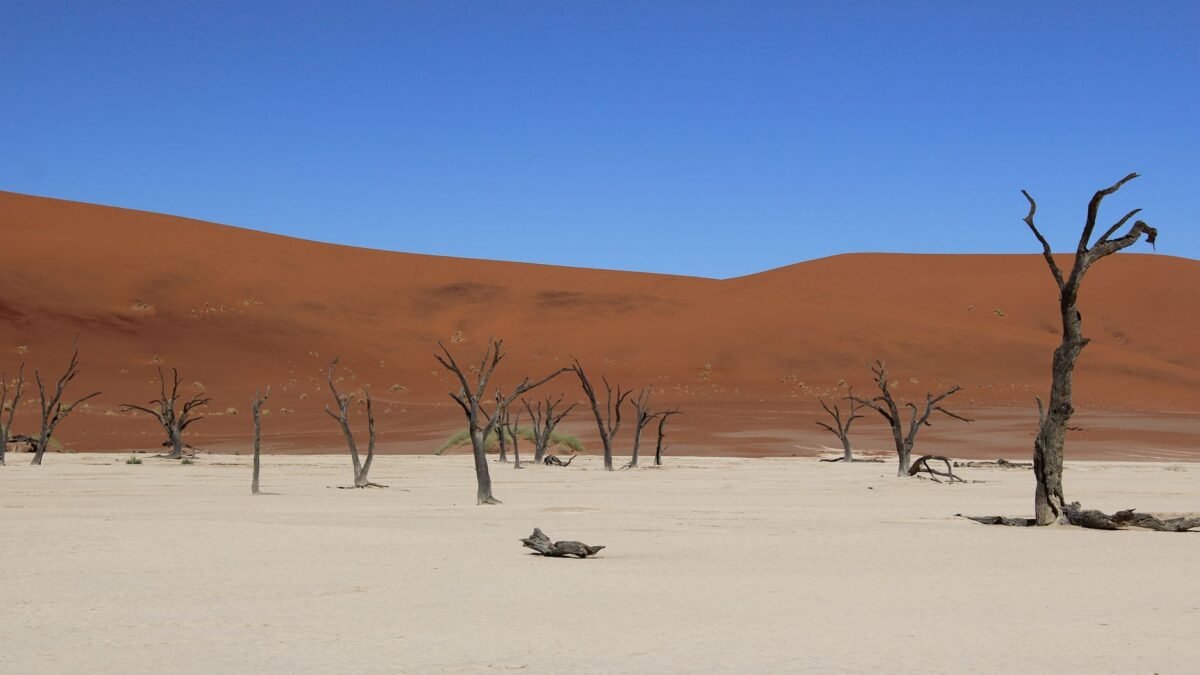
The Namib Desert is one of the oldest deserts in the world and is characterized by its breathtaking landscapes, including some of the highest sand dunes on the planet. The most famous among them is Sossusvlei, where the iconic red dunes rise dramatically against the blue sky.
A visit to the Namib Desert is best timed at sunrise or sunset when the colors of the dunes are at their most vibrant. The early morning light casts long shadows, creating an otherworldly atmosphere. To fully appreciate the beauty of this area, consider hiking up Dune 45 or Big Daddy.
- Dune 45: A popular dune that is easily accessible and offers stunning views from the top.
- Big Daddy: The tallest dune in the Sossusvlei area, requiring a more strenuous climb but rewarding visitors with panoramic views.
- Dead Vlei: A surreal clay pan surrounded by ancient, dead camel thorn trees, creating a hauntingly beautiful landscape perfect for photography.
2. Wildlife Safaris in Etosha National Park
Etosha National Park is one of Africa’s premier wildlife destinations, home to a diverse array of animals including elephants, lions, giraffes, and numerous species of antelope. The park’s large salt pans and waterholes attract wildlife, making it an ideal location for game viewing.
Visitors can explore the park via self-drive or guided safaris. Self-driving allows for flexibility and the chance to linger at sightings, while guided tours provide expert insights into the park’s ecology and animal behaviors. The best time for wildlife viewing is during the dry season (May to October) when animals congregate around water sources.
- Waterholes: Key locations like Okaukuejo and Halali offer excellent opportunities for wildlife viewing, especially at night.
- Game Drives: Consider taking guided game drives to increase your chances of spotting elusive species and learning more about the animals from knowledgeable guides.
- Photography: Bring a good camera with a zoom lens to capture stunning wildlife moments, especially during the golden hours of sunrise and sunset.

3. Discover the Skeleton Coast
The Skeleton Coast is known for its desolate beauty, shipwrecks, and seal colonies. Stretching along the Atlantic Ocean, this remote area offers a unique contrast to Namibia’s arid landscapes. The name comes from the many shipwrecks that line the coast and the bones of whales that once frequented the waters.
Visitors can explore the coast via guided tours, which often include visits to the Cape Cross Seal Reserve, home to thousands of Cape fur seals. The stark scenery, with its dramatic cliffs and rolling dunes, creates a hauntingly beautiful environment that is perfect for adventurous travelers.
- Shipwreck Tours: Explore the remains of shipwrecks like the Eduard Bohlen, which is partially buried in the sand.
- Seal Viewing: Visit Cape Cross to see the large colony of seals and learn about their natural habitat.
- Photography: The contrast of the ocean waves against the rugged coastline makes for striking photographs.
4. Experience the Culture of the Himba People
The Himba people are one of Namibia’s most iconic ethnic groups, known for their unique customs and traditional lifestyles. Visiting a Himba village provides a fascinating insight into their way of life, which has remained largely unchanged for centuries.
Interactions with the Himba can be enriching; however, it’s essential to approach these experiences with respect. Many tour operators offer culturally sensitive tours that allow for authentic engagement without exploiting the community. Visitors can learn about the Himba’s nomadic lifestyle, their cattle-rearing traditions, and their distinctive dress.
- Guided Tours: Choose tours that are respectful of the Himba’s culture and provide insight into their daily lives.
- Photography Etiquette: Always ask for permission before taking photos of individuals, as some may prefer not to be photographed.
- Support Local Artisans: Consider purchasing handicrafts made by the Himba to support their community.
5. Hike the Fish River Canyon
The Fish River Canyon is one of the largest canyons in the world and offers breathtaking views and excellent hiking opportunities. Stretching over 160 kilometers, the canyon is a must-visit for outdoor enthusiasts. The Fish River Hiking Trail is a popular trek that takes several days to complete, offering stunning vistas and a chance to connect with nature.
While the full hike is challenging and requires a permit, shorter day hikes are also available for those who wish to experience the canyon’s beauty without the commitment of a multi-day trek. Whether you opt for the full hike or a shorter exploration, the canyon’s layered rock formations and dramatic cliffs provide a stunning backdrop.
- Preparation: Ensure you are well-equipped with proper hiking gear, plenty of water, and snacks, as facilities are limited.
- Best Time to Visit: The best months for hiking are from May to September when temperatures are cooler.
- Guided Tours: Consider joining a guided tour for additional safety and insights into the geology and ecology of the area.
6. Visit Swakopmund for Adventure Activities
Swakopmund is a coastal town known for its German colonial architecture and as a hub for adventure activities. From sandboarding and quad biking to skydiving over stunning landscapes, Swakopmund offers numerous options for thrill-seekers.
The town also serves as a gateway to the Namib Desert and the Skeleton Coast, making it an ideal base for various excursions. Visitors can enjoy a leisurely stroll along the beachfront promenade, explore local shops, or indulge in the culinary delights of the area.
- Sandboarding: Experience the thrill of gliding down the towering sand dunes, suitable for both beginners and experienced boarders.
- Quad Biking: Rent a quad bike and explore the dunes at your own pace, or join a guided tour for an exciting adventure.
- Skydiving: For the ultimate adrenaline rush, consider skydiving to enjoy breathtaking aerial views of the coastline and desert.
7. Explore the Namib-Naukluft National Park
Namib-Naukluft National Park is one of the largest protected areas in Africa and is known for its dramatic landscapes, including vast sand dunes, rugged mountains, and unique rock formations. The park offers a range of outdoor activities, including hiking, camping, and wildlife viewing.
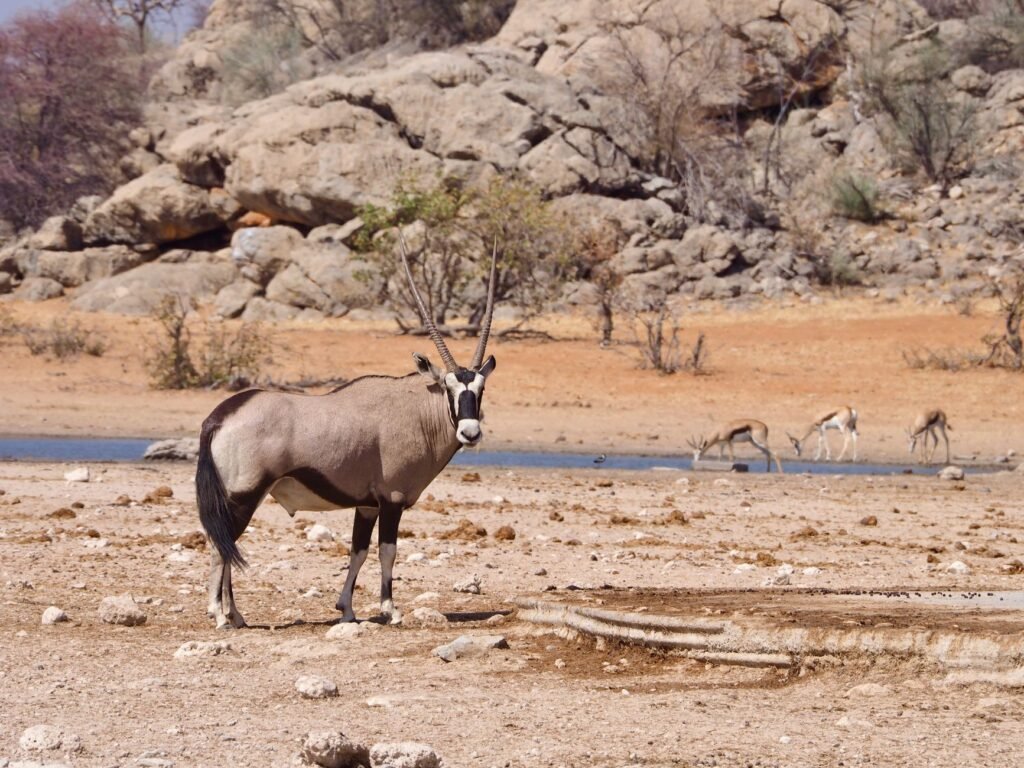
Popular hiking trails include the Olifantsvalley and the Naukluft hiking trails, which provide opportunities to explore the park’s diverse ecosystems. Wildlife enthusiasts may spot oryx, springbok, and various bird species during their explorations.
- Camping: Consider camping within the park for a unique experience under the stars.
- Hiking Trails: Research trails ahead of time to find one that suits your skill level and interests.
- Wildlife Viewing: Keep your eyes peeled for the park’s diverse fauna during your hikes.
8. Discover Damaraland and Twyfelfontein
Damaraland is known for its stunning landscapes and rich cultural heritage. It is home to the UNESCO World Heritage Site of Twyfelfontein, famous for its ancient rock engravings. These petroglyphs, created by the San people, depict animals and human figures, providing insight into the region’s history.
Visitors can explore the site on guided tours that provide context to the engravings and the surrounding area. Damaraland also offers opportunities to see desert-adapted elephants and unique geological formations like the Organ Pipes and Burnt Mountain.
- Twyfelfontein Tours: Join guided tours to learn about the significance of the rock engravings and the culture of the San people.
- Wildlife Viewing: Look for desert-adapted elephants, which are a unique feature of this region.
- Geological Sites: Visit the Organ Pipes and Burnt Mountain for stunning natural formations.
Experience the Unique Flora of Namibia
The Welwitschia Mirabilis
One of the most iconic plants found in Namibia is the Welwitschia mirabilis, a unique species that can live for over a thousand years. This remarkable plant thrives in the harsh Namib Desert conditions and is characterized by its two long, strap-like leaves that continue to grow throughout its life. Observing a Welwitschia in its natural habitat offers a glimpse into the resilience of life in extreme environments.
Visitors interested in botany or natural history should consider guided tours that focus on this fascinating species. These tours often include informative discussions about the plant’s adaptations, survival strategies, and role in the ecosystem. You can find Welwitschia primarily in the Namib Desert, especially around the Namib-Naukluft National Park.
Quiver Trees and Other Unique Flora
The Quiver Tree, or Aloe dichotoma, is another remarkable flora that can be found in Namibia. These trees can grow up to nine meters tall and are known for their quirky, branching structure that resembles a quiver used by indigenous San hunters. Quiver Trees thrive in the dry, arid regions of southern Namibia and are often found in the Quiver Tree Forest near Keetmanshoop.
- Visit the Quiver Tree Forest at sunset for stunning photography opportunities.
- Explore the unique rock formations that surround the forest, which are home to diverse wildlife.
- Learn about the cultural significance of Quiver Trees to the San people.
Other notable plants include the Namibian Palm and various species of acacia. Whether you are a nature enthusiast or simply curious about the unique ecosystems of Namibia, exploring these flora is a rewarding experience.

Uncovering Namibia’s Geological Wonders
Brandberg Mountain
Brandberg Mountain, the highest peak in Namibia, is a must-visit for those interested in geology and ancient rock art. The mountain is famous for its stunning landscapes, including granite formations and an array of hiking trails. The most notable site is the White Lady rock painting, which dates back thousands of years and showcases the rich history of the San people.
Hiking to the summit provides breathtaking views of the surrounding landscape, making it a rewarding adventure. Guided tours are available to ensure visitors can appreciate the geological significance of the formations, as well as the cultural heritage represented in the rock art.
The Fish River Canyon: A Geological Marvel
As one of the largest canyons in the world, the Fish River Canyon is a spectacular sight that showcases Namibia’s geological history. Formed over millions of years, the canyon offers visitors a chance to explore its depths and witness the diverse landscapes carved by ancient rivers.
- Take a scenic drive along the canyon rim for panoramic views.
- Enjoy hiking trails that offer varying levels of difficulty, suitable for both experienced hikers and beginners.
- Visit during the early morning or late afternoon for the best lighting for photography.
For those interested in geology, guided tours often include discussions about the canyon’s formation, the types of rock found in the area, and the significance of the canyon in understanding Earth’s geological history.
Engaging in Community-Based Tourism
Community Projects in Namibia
Community-based tourism is a growing trend in Namibia, allowing visitors to engage directly with local communities while contributing to sustainable development. Many projects focus on preserving cultural heritage and promoting conservation efforts. By participating in these initiatives, tourists can gain a more authentic understanding of Namibian culture.
Examples of community projects include visiting local craft markets, participating in traditional cooking classes, and engaging in wildlife conservation efforts. These experiences not only support local economies but also foster meaningful connections between visitors and residents.
Responsible Tourism Practices
When engaging in community-based tourism, it is essential to practice responsible tourism. This includes respecting local customs, being mindful of environmental impact, and supporting businesses that prioritize sustainability. Tourists are encouraged to:
- Choose eco-friendly accommodations that support local communities.
- Participate in cultural exchanges that promote mutual respect and understanding.
- Leave no trace by minimizing waste and adhering to local regulations.
By following these principles, visitors can help ensure that their travel positively impacts the communities they visit while also enriching their own travel experience.
Frequently Asked Questions
What is the best time to visit Namibia?
The best time to visit Namibia is during the dry season from May to October when wildlife viewing is at its peak and temperatures are cooler.
Is Namibia safe for travelers?
Namibia is generally considered safe for travelers. However, it’s advisable to exercise standard precautions, such as avoiding isolated areas at night and securing valuables.
Do I need a visa to visit Namibia?
Visa requirements vary by nationality. Many travelers can enter Namibia visa-free for short stays. Check with your local Namibian embassy for specific requirements.
What should I pack for a trip to Namibia?
Pack lightweight clothing for warm days, warmer layers for cooler nights, sturdy hiking shoes, and plenty of sunscreen. A good camera for wildlife and landscapes is also recommended.
The Bottom Line
Namibia is a captivating destination that offers a rich tapestry of experiences, from breathtaking landscapes and incredible wildlife to unique cultural interactions. By planning your itinerary around the top things to do in Namibia, you can ensure a memorable journey through this stunning country. Consider your interests and prepare for an adventure that combines natural beauty with the thrill of exploration.