Key Takeaways
- Explore Barcelona's vibrant food markets for fresh local produce.
- Savor traditional Catalan dishes like paella and tapas.
- Experience the city's culinary scene with cooking classes and food tours.
- Enjoy innovative dining at Michelin-starred restaurants.
Barcelona, the vibrant capital of Catalonia, is not only known for its stunning architecture and lively culture but also for its rich culinary scene. From bustling markets to innovative restaurants, the city offers a plethora of food experiences that cater to all tastes and preferences. This guide will explore the top food experiences in Barcelona, ensuring that your visit is filled with delicious discoveries.
As you wander through the streets of Barcelona, the aroma of freshly baked bread, grilled seafood, and aromatic spices will guide you to some of the best culinary spots in the city. Whether you’re a foodie seeking authentic local flavors or a traveler wanting to explore the unique gastronomic offerings, Barcelona has something special for everyone.
This article will take you on a journey through the top food experiences in Barcelona, highlighting must-try dishes, iconic markets, and culinary traditions that make this city a true haven for food lovers.
1. Explore the Mercat de Sant Josep de la Boqueria
One of the most iconic food markets in Barcelona, La Boqueria, is a feast for the senses. Located just off the bustling La Rambla, this vibrant market is a must-visit for anyone looking to experience the local food culture. With its colorful stalls brimming with fresh produce, meats, seafood, and artisanal products, La Boqueria captures the essence of Barcelona’s culinary heritage.
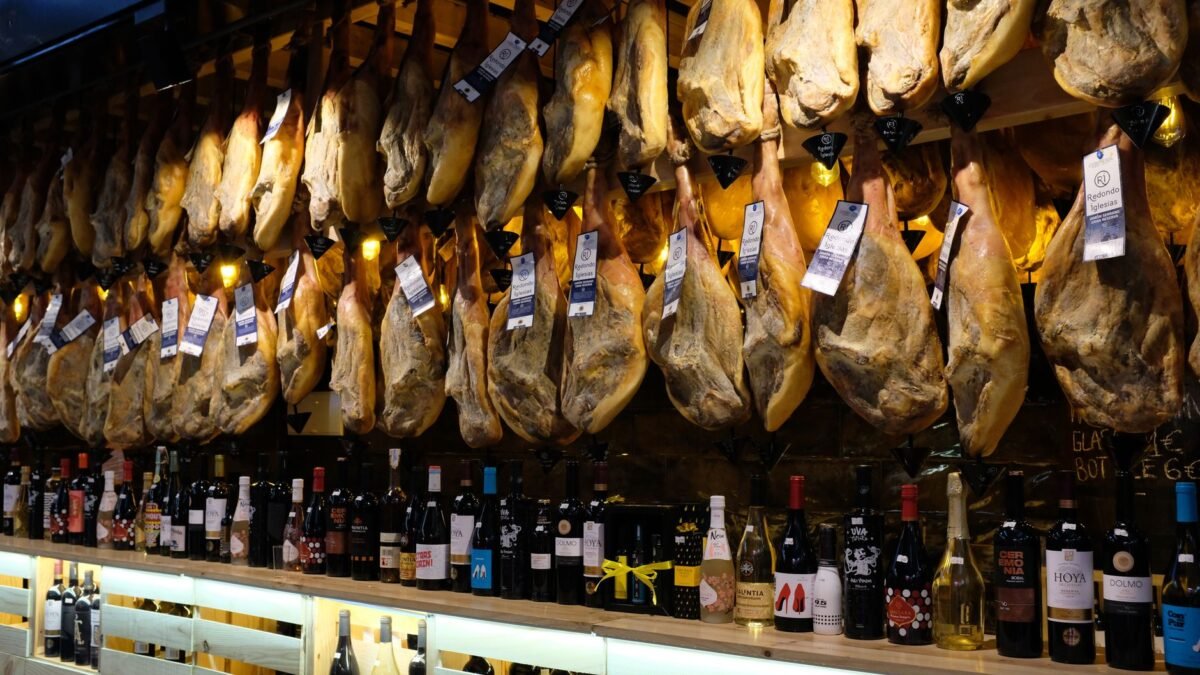
As you stroll through the market, you’ll find an array of vendors selling everything from succulent Iberian ham to fresh seafood. Don’t miss the chance to sample some of the delicious tapas available at various bars within the market. Many stalls offer quick bites, allowing you to taste different flavors without breaking the bank.
- Try the famous jamón ibérico, a cured ham that’s a staple in Spanish cuisine.
- Sample fresh seafood like anchovies and octopus, often served with a drizzle of olive oil.
- Indulge in local cheeses and olives, perfect for a light snack or picnic.
Visiting La Boqueria is not just about shopping; it’s an experience in itself. Take your time, chat with the vendors, and immerse yourself in the lively atmosphere.
2. Savor Traditional Catalan Dishes
Catalonia boasts a rich culinary tradition that reflects its history and geography. While in Barcelona, make sure to indulge in some of the region’s signature dishes. Here are a few traditional Catalan dishes you shouldn’t miss:
- Paella: Although originally from Valencia, paella has become a beloved dish in Barcelona. This rice dish is typically prepared with seafood or meat and is packed with flavors. Many restaurants offer their own take on this classic.
- Escudella i Carn d’Olla: A hearty stew that showcases Catalonia’s agricultural bounty. It consists of a meat broth served with vegetables and sausages, making it a comforting dish, especially in cooler months.
- Calçots: These sweet green onions are grilled over an open flame and served with romesco sauce. They are typically enjoyed during the calçotada season, which runs from late winter to early spring.
For a truly local experience, seek out restaurants that specialize in Catalan cuisine. You might find family-run establishments that have been serving these dishes for generations, providing an authentic taste of the region.
3. Discover the Art of Tapas
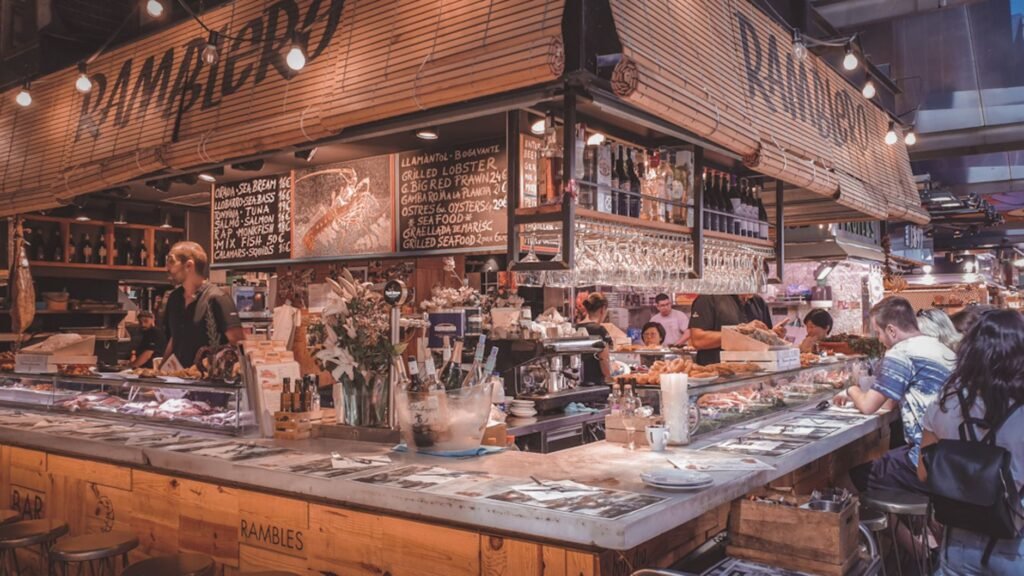
Tapas are an integral part of Spanish dining culture, and Barcelona offers a wide variety of tapas bars where you can sample these small plates. The beauty of tapas lies in their diversity, with options ranging from cold dishes like olives and cheeses to hot dishes like patatas bravas and grilled shrimp.
Many locals enjoy a leisurely evening of bar hopping, sampling different tapas at various establishments. Here are some popular tapas to try:
- Patatas Bravas: Fried potatoes served with a spicy tomato sauce or aioli.
- Pan con Tomate: Bread rubbed with ripe tomatoes and drizzled with olive oil, a simple yet flavorful dish.
- Gambas al Ajillo: Sizzling garlic shrimp cooked in olive oil, often served in a clay dish.
Consider joining a tapas tour to explore the city’s best tapas bars. This not only allows you to taste a variety of dishes but also provides insight into the culture and history behind each dish.
4. Experience a Cooking Class
For those looking to take home a piece of Barcelona’s culinary magic, participating in a cooking class can be a rewarding experience. Many local chefs offer classes that teach you how to prepare traditional Catalan dishes, giving you a hands-on way to explore the local cuisine.
Cooking classes often start with a visit to a local market, where you can learn about the ingredients used in Catalan cooking. After selecting fresh produce, you’ll return to the kitchen to learn how to prepare dishes like paella, tapas, or even desserts. Here are some benefits of taking a cooking class in Barcelona:
- Learn the techniques and secrets behind traditional Catalan dishes.
- Enjoy a meal that you’ve prepared yourself, paired with local wines.
- Meet other travelers and share culinary experiences in a fun environment.
Classes typically last a few hours, allowing you to gain valuable skills while immersing yourself in the local food culture. Be sure to book in advance, as popular classes can fill up quickly.
5. Indulge in Michelin-Starred Dining
Barcelona is home to a thriving fine dining scene, boasting several Michelin-starred restaurants that showcase the pinnacle of culinary artistry. These establishments offer an opportunity to experience innovative dishes crafted by some of the world’s best chefs. Dining at a Michelin-starred restaurant in Barcelona can be a memorable highlight of your culinary journey.
Some notable Michelin-starred restaurants include:
- El Celler de Can Roca: Frequently ranked among the best restaurants in the world, this establishment is known for its creative dishes that reflect Catalan traditions.
- Alkimia: A restaurant that emphasizes local ingredients and contemporary Catalan cuisine, offering tasting menus that surprise and delight.
- Lasarte: With three Michelin stars, Lasarte offers an elegant dining experience with a focus on seasonal ingredients and innovative techniques.
While dining at these restaurants can be a splurge, many offer lunch menus at a lower price, making it more accessible for travelers. Be sure to make a reservation in advance to secure your spot.

6. Enjoy Street Food and Food Trucks
Barcelona’s street food scene has exploded in recent years, with food trucks and stalls popping up throughout the city. This is a great way to enjoy affordable, delicious meals on the go. You can find a variety of options, from traditional Catalan snacks to international street food.
Some popular street food options include:
- Bocadillos: Spanish sandwiches filled with cured meats, cheese, or vegetables, perfect for a quick bite.
- Churros: Fried dough pastries often served with hot chocolate for dipping, a beloved sweet treat.
- Empanadas: Savory pastries filled with meat, cheese, or vegetables, available at many street vendors.
Check out local food festivals or markets, which often feature a variety of street food vendors. This allows you to sample multiple dishes and experience the lively atmosphere of Barcelona’s food culture.
Wine and Cava Tastings: A Toast to Catalonia
Understanding the Wine Regions
Catalonia is home to several prestigious wine regions, each with its unique terroir and grape varieties. The most notable among them is the Penedès region, famous for producing high-quality Cava, a sparkling wine that rivals French Champagne. Additionally, the Priorat region is celebrated for its robust red wines made from Garnacha and Cariñena grapes, while Montsant offers a diverse range of wines due to its varied microclimates.
Visitors can take guided tours through these vineyards, often including tastings paired with local cheeses and cured meats. Engaging with local winemakers provides insights into traditional and modern winemaking techniques, enriching your understanding of Catalonia’s viticultural heritage.
Participating in Wine Tours
Wine tours in Barcelona often include transportation to nearby vineyards, allowing you to relax and enjoy the scenery without worrying about logistics. Most tours offer a blend of educational experiences and tastings, making them suitable for both novices and seasoned wine enthusiasts.
- Small-group tours that provide personalized experiences
- Private tours tailored to your specific interests
- Workshops that teach you how to pair wine with food
Many tours also offer opportunities to purchase wines directly from the producers, often at a discount, allowing you to take home a piece of your Catalonian adventure.
Exploring Cava Production
Cava is not just any sparkling wine; it’s a product of meticulous craftsmanship. The traditional method of production involves a secondary fermentation in the bottle, which creates its signature bubbles. Visiting a Cava cellar, such as those in Sant Sadurní d’Anoia, allows you to witness this process firsthand.
During a cellar tour, you will learn about the aging process and the importance of different grape varieties used in Cava production, such as Macabeo, Xarel·lo, and Parellada. Tasting various Cavas straight from the cellar will deepen your appreciation for this sparkling wine, and many cellars offer food pairing options to enhance the tasting experience.
Food Markets Beyond La Boqueria
El Mercado de Sant Antoni
El Mercado de Sant Antoni is a vibrant market located in the Eixample district, recently renovated and less touristy than La Boqueria. It offers a more authentic shopping experience where locals gather to buy fresh produce, meats, and seafood. The market is divided into sections, including a food hall where you can sample local delicacies.
Visitors can find a variety of stalls selling everything from artisanal cheeses to freshly baked bread and traditional pastries. Enjoying a meal at one of the market’s eateries allows you to taste classic dishes in a casual setting, surrounded by the lively atmosphere of locals going about their daily shopping.
Mercat de Sant Gervasi
Another gem is Mercat de Sant Gervasi, which is less frequented by tourists. This market caters to the local community and features fresh produce, regional specialties, and a selection of gourmet products. The intimate setting makes it ideal for those looking to connect with the local culture.
- Fresh seafood from the Mediterranean
- Locally sourced meats and poultry
- Organic fruits and vegetables
Sampling food from the various stalls can be a delightful way to experience local flavors, and many vendors are happy to share their culinary knowledge and tips for preparing traditional Catalan dishes.
Visiting Mercat de la Concepció
Mercat de la Concepció is a historic market located in the Gràcia district, known for its beautiful iron structure and colorful displays of produce. This market offers a wide range of local products, including exotic fruits, fresh fish, and gourmet cheeses. It also houses several tapas bars where you can enjoy quick bites while soaking in the vibrant atmosphere.
In addition to sampling local fare, the market hosts regular events and workshops that focus on Catalan cuisine. These experiences can provide valuable insights into traditional cooking methods and ingredients unique to the region.
Unique Culinary Experiences: From Chocolate to Olive Oil
Chocolate Tasting Tours
Barcelona’s chocolate scene is rich and varied, with a history that dates back to the 17th century. A chocolate tasting tour will take you through some of the city’s best chocolatiers, where you can indulge in artisanal chocolates and learn about the history of chocolate in Spain. These tours often include tastings of hot chocolate and traditional churros, a delightful combination that is a must-try.
Many chocolatiers also offer workshops where you can learn to make your own chocolate creations. This hands-on experience not only satisfies your sweet tooth but also provides a deeper understanding of the chocolate-making process.
Olive Oil Tastings
Olive oil is a fundamental ingredient in Catalan cuisine, and tasting tours can introduce you to the various types of oils produced in the region. Many farms and producers offer tastings paired with local bread and tapas, showcasing the oil’s flavor profiles and culinary uses.
- Learn about the different olive varieties
- Understand the production process from tree to bottle
- Discover how to taste and evaluate quality olive oil
Some tours also include visits to olive groves, where you can see how olives are harvested and processed, providing a holistic view of this essential Catalan product.
Food and Wine Pairing Workshops
Food and wine pairing workshops offer a unique opportunity to deepen your culinary knowledge while enjoying delicious food and drinks. These workshops are often led by sommeliers or chefs who guide you through the art of pairing local wines with traditional Catalan dishes.
Participants will learn about flavor profiles, the importance of regional pairings, and how to enhance the dining experience through thoughtful combinations. These workshops not only elevate your palate but also equip you with skills to impress at home.
Frequently Asked Questions
What is the best time to visit Barcelona for food experiences?
The best time to visit Barcelona for food experiences is during the spring and fall when the weather is pleasant, and many food festivals occur. Additionally, local produce is abundant during these seasons, enhancing the culinary offerings.
Are there vegetarian or vegan food options in Barcelona?
Yes, Barcelona has a growing number of vegetarian and vegan restaurants. Many traditional dishes can also be adapted to suit vegetarian diets, and you can find a variety of plant-based tapas at local bars.
How can I find authentic local restaurants in Barcelona?
To find authentic local restaurants, consider asking locals for recommendations or exploring neighborhoods like Gràcia and El Born, where traditional eateries often thrive. Look for places that are busy with locals, as this is a good sign of quality.
Is it necessary to make reservations for restaurants in Barcelona?
While not always necessary, it’s advisable to make reservations for popular restaurants, especially those with Michelin stars or a reputation for being busy. This ensures you have a spot and can enjoy your meal without waiting.
The Bottom Line
Barcelona offers a diverse and exciting food scene that reflects its rich culture and culinary traditions. From exploring bustling markets and indulging in traditional Catalan dishes to experiencing fine dining and street food, there are countless food experiences to enjoy. Embrace the local flavors and culinary artistry during your visit, and you’ll leave with lasting memories and perhaps even some new cooking skills.