Key Takeaways
- Experience Tallinn's medieval charm and vibrant culture.
- Explore Estonia's stunning national parks and natural beauty.
- Discover rich history through ancient castles and museums.
- Enjoy local cuisine and unique festivals throughout the year.
Estonia, a small Baltic nation, is often overlooked by travelers, yet it boasts a wealth of history, culture, and natural beauty. From the medieval streets of Tallinn to the serene landscapes of its national parks, Estonia offers a diverse range of experiences for every type of traveler. This guide outlines the top things to do in Estonia, ensuring you don’t miss out on the hidden gems and must-see attractions.
Whether you are seeking adventure in the great outdoors, a taste of local cuisine, or a glimpse into the past through its numerous museums and castles, Estonia has something to offer. As you plan your trip, this guide will provide practical tips and detailed information to help you navigate your journey through this enchanting country.
Let’s explore the top things to do in Estonia, so you can make the most of your visit to this captivating destination.
1. Discover Tallinn’s Old Town
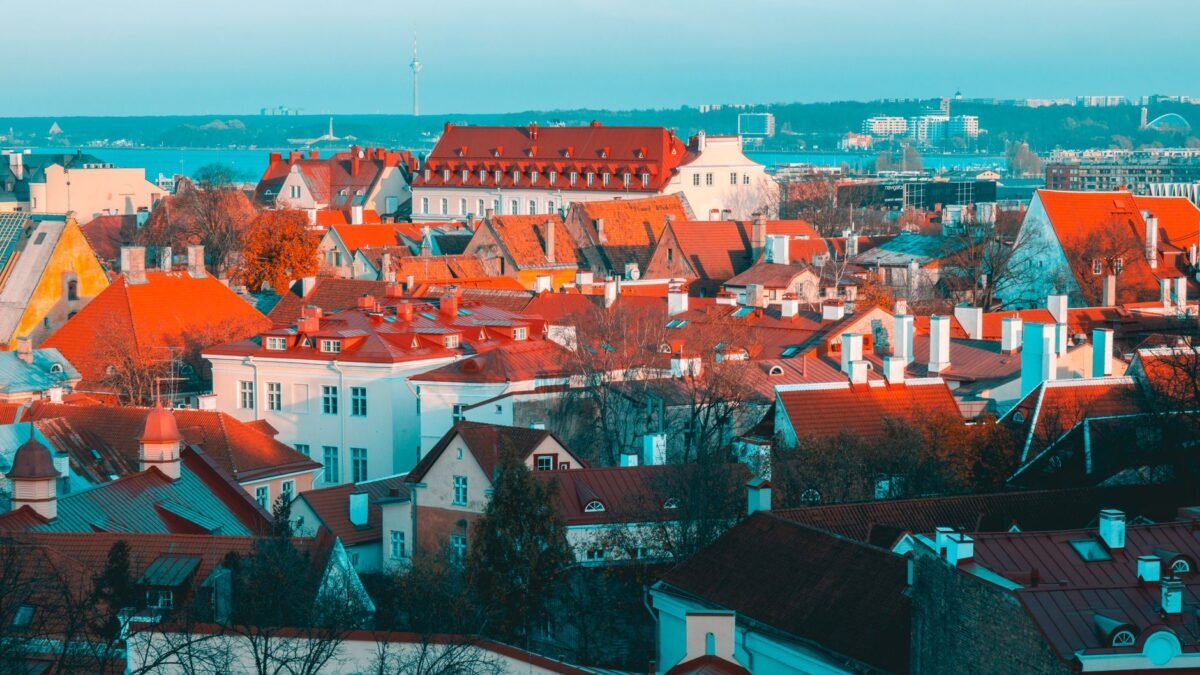
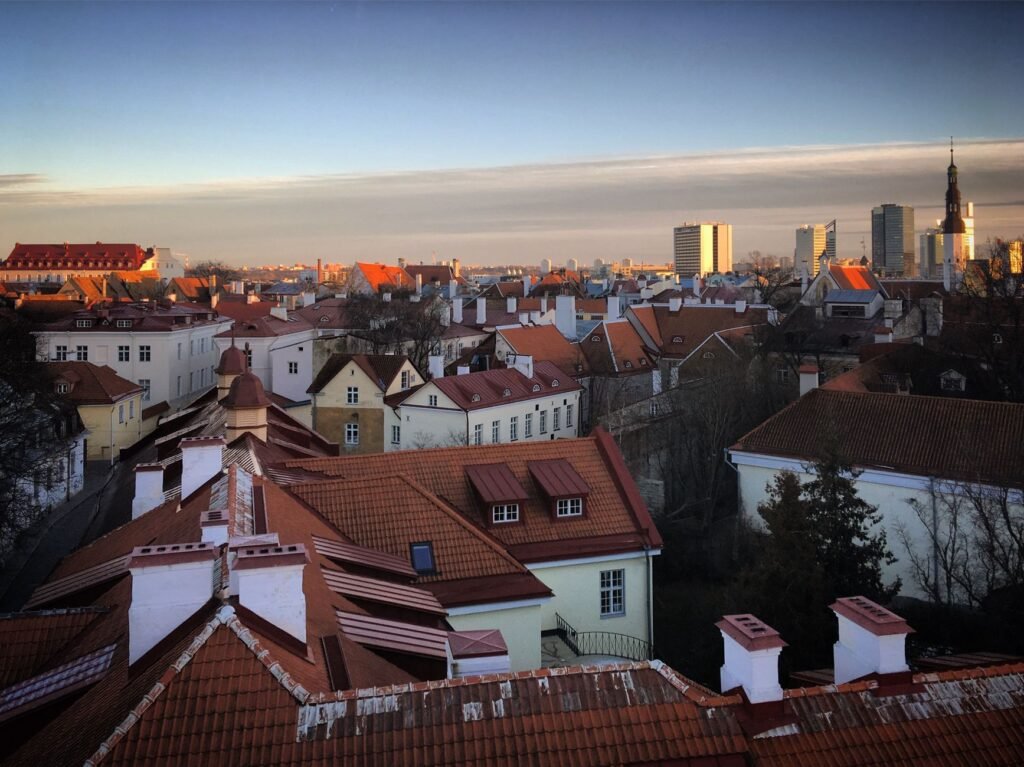
Tallinn’s Old Town is a UNESCO World Heritage site and one of the best-preserved medieval towns in Europe. Walking through its cobblestone streets feels like stepping back in time, with gothic spires, charming squares, and colorful merchant houses lining the way.
Start your exploration at the Town Hall Square, a bustling hub where you can enjoy street performances or sip coffee at one of the outdoor cafes. The square is surrounded by historic buildings, including the impressive Tallinn Town Hall, which dates back to the 13th century.
Don’t miss the Alexander Nevsky Cathedral, an iconic symbol of the city. This Russian Orthodox cathedral features stunning onion domes and intricate interior mosaics. Climb to the top of Toompea Hill for panoramic views of the city, where you can capture breathtaking photographs of the skyline.
Key Attractions in Tallinn’s Old Town
- Toompea Castle: Home to the Estonian Parliament, this castle offers a glimpse into the country’s political history.
- St. Olaf’s Church: Once the tallest building in the world, this church provides an excellent viewpoint for city vistas.
- Raeapteek (Town Hall Pharmacy): One of the oldest pharmacies in Europe, still in operation today since 1422.
2. Explore Estonia’s National Parks
Estonia is home to several national parks that showcase its rich biodiversity and natural beauty. Lahemaa National Park, located just an hour from Tallinn, is one of the largest and most popular parks in the country.
Lahemaa features a mix of forests, wetlands, and coastal areas, making it ideal for hiking, birdwatching, and exploring picturesque villages. The park is dotted with historical manors, such as Palmse and Sagadi, which offer insights into Estonia’s aristocratic past.
Another stunning destination is Soomaa National Park, famous for its unique swamp landscapes and the phenomenon known as the “fifth season,” when the rivers overflow and the land becomes flooded. Visitors can take guided canoe trips through the swamps for a truly immersive experience in nature.
Highlights of Estonia’s National Parks
- Jagala Waterfall: Estonia’s highest waterfall, perfect for photography, especially during winter when it freezes.
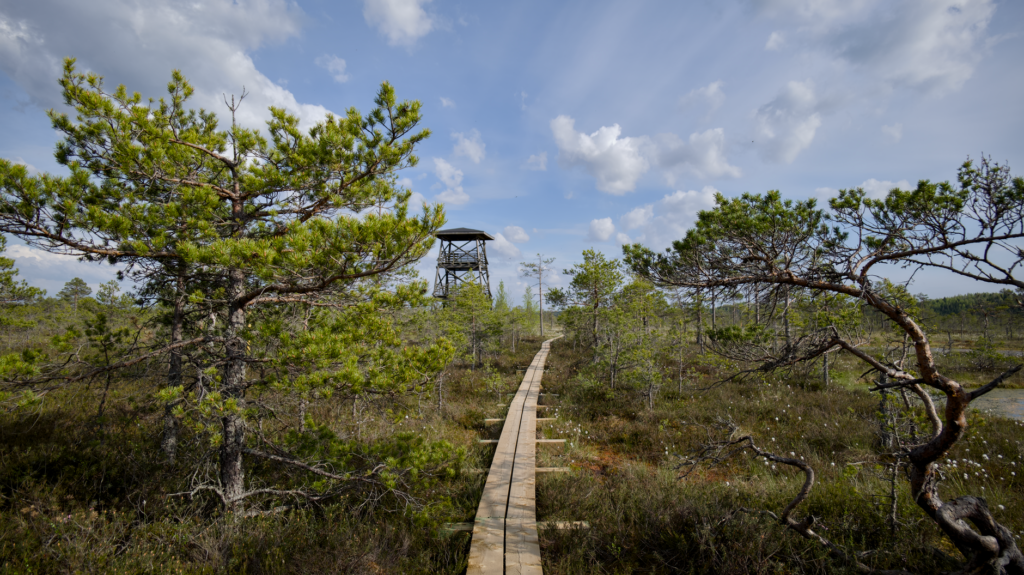
- Viru Bog: A scenic boardwalk trail allows visitors to experience the beauty of Estonia’s bog ecosystems.
- Palmse Manor: A historical estate with beautiful gardens, offering guided tours to learn about local history.
3. Visit Historic Castles and Fortresses
Estonia’s rich history is displayed in its many castles and fortresses, each offering unique stories and architectural styles. One of the most notable is the medieval Tallinn Castle, which has stood since the 13th century.
Another must-see is the Narva Castle, located on the border with Russia. This impressive fortress, along with its counterpart, the Ivangorod Fortress on the Russian side, offers a glimpse into the historical tensions between the two nations. Visitors can explore the castle’s museum, which showcases the history and culture of the region.
Don’t overlook Kuressaare Castle on Saaremaa Island, a well-preserved medieval fortress surrounded by a moat. It houses a museum that tells the story of the island’s history and the castle’s role throughout the centuries.
Top Castles and Fortresses to Visit
- Tallinn Castle: Offers guided tours and stunning views of the city.
- Narva Castle: Explore the museum and walk along the scenic Narva River.
- Kuressaare Castle: Features beautiful gardens and exhibitions on local history.
4. Experience Estonian Culture and Festivals
Estonia’s culture is vibrant and diverse, with numerous festivals celebrating everything from music to food. The Tallinn Music Week, held annually, attracts artists from around the world and offers a platform for both established and emerging talent.
The Viljandi Folk Music Festival is another highlight, inviting visitors to enjoy traditional music, dance, and crafts in a picturesque setting. This festival is an excellent opportunity to immerse yourself in Estonian traditions and meet local artisans.
For food lovers, the Tallinn Food Festival showcases the best of Estonian cuisine, featuring local ingredients and innovative dishes. Many restaurants participate, offering tasting menus and special events during the festival.
Popular Festivals in Estonia
- Tallinn Music Week: A week-long celebration of music held in various venues across the city.
- Viljandi Folk Music Festival: A gathering of folk musicians and dancers, rich in tradition.
- Tallinn Food Festival: Celebrates Estonian cuisine with tasting events and cooking classes.
5. Discover the Islands of Estonia
Estonia’s islands are a treasure trove of natural beauty and cultural heritage. Saaremaa, the largest island, is known for its charming villages, windmills, and historical sites. Kuressaare, the capital, features a beautiful castle and a lively waterfront.
Another notable island is Hiiumaa, famous for its lighthouses and tranquil landscapes. Visitors can explore the island’s unique flora and fauna, as well as historical sites like the historic village of Kassari.
For a more remote experience, visit Vormsi Island, known for its peaceful ambiance and traditional Swedish culture. It is an ideal spot for hiking and cycling, providing a perfect escape from the mainland hustle.
Must-Visit Islands in Estonia
- Saaremaa: Known for its beautiful landscapes and historical sites.
- Hiiumaa: Offers stunning natural views and unique cultural heritage.
- Vormsi: A peaceful island perfect for outdoor activities and relaxation.
6. Enjoy Local Cuisine and Cafés
Estonian cuisine is a reflection of its history and natural surroundings, featuring fresh ingredients and traditional recipes. While in Tallinn, sample local dishes at traditional restaurants. Black bread, herring, and various meat dishes are staples of Estonian fare.
For a unique experience, visit the Balti Jaama Turg, a vibrant market where you can taste local delicacies, purchase handmade crafts, and enjoy the lively atmosphere. This market is a perfect spot to try traditional Estonian pastries, such as kringel, a sweet bread often enjoyed with coffee.
Additionally, many cafés in the Old Town offer a cozy ambiance for a break. Try the famous Kohvik Maiasmokk, the oldest café in Tallinn, known for its marzipan and delicious pastries.
Top Local Dishes to Try
- Rye Bread: A staple in Estonian cuisine, often served with meals.
- Sült: A traditional meat jelly dish, usually made from pork.
- Kama: A unique mixture of grains, typically served with yogurt or milk.
Unwind in Estonia’s Spa Towns
1. The Healing Waters of Pärnu
Pärnu, often considered the summer capital of Estonia, is renowned for its beautiful beaches and therapeutic spa services. Visitors flock to this charming coastal town not only to relax on the sandy shores but also to indulge in various wellness treatments that harness the natural mineral waters found in the region. Many spas offer a combination of modern amenities and traditional therapies, ensuring a holistic approach to wellness.
Among the most popular treatments in Pärnu are mud baths, which are believed to help alleviate joint pain and improve skin conditions. The town’s spas often incorporate nature into their services, providing treatments that use local herbs and plants. A visit to one of these wellness centers can include everything from massages to hydrotherapy sessions, all aimed at rejuvenating the body and mind.
- Spa treatments available in Pärnu include:
- Mud baths
- Aromatherapy massages
- Sauna rituals
- Aquatic therapy
- Facial treatments
2. Relaxation and Wellness in Haapsalu
Haapsalu, a picturesque town known for its tranquil atmosphere, offers a perfect getaway for those seeking relaxation. The town’s spas have a long history, dating back to the 19th century when it was a popular vacation spot for the Russian aristocracy. Today, Haapsalu continues to attract visitors looking for peace and wellness.
The unique combination of sea air, beautiful scenery, and healing spa treatments makes Haapsalu a perfect retreat. Visitors can enjoy a variety of wellness options, including thermal baths and wellness programs tailored to individual needs. Many spas in the area focus on using local resources, such as sea salt and other natural ingredients, to enhance their treatments.
- Popular wellness activities in Haapsalu include:
- Thermal baths
- Sea salt scrubs
- Yoga and meditation sessions
- Nature walks combined with wellness workshops
3. Spa Culture and Local Traditions
Estonian spa culture is deeply rooted in local traditions, and many spas emphasize the use of natural ingredients sourced from the surrounding environment. This approach not only promotes health and relaxation but also supports local businesses and sustainability. Many spas in Estonia are located in historical buildings, adding an extra layer of charm and authenticity to the experience.
In addition to traditional spa treatments, Estonian spas often offer unique experiences that reflect the country’s cultural heritage. For instance, traditional sauna rituals are a vital part of the Estonian lifestyle, and many spas incorporate these practices into their offerings. Visitors can partake in sauna sessions that may include birch whisking, herbal infusions, and relaxation techniques.
- Key elements of Estonian spa culture include:
- Use of natural and organic ingredients
- Traditional sauna experiences
- Focus on holistic health and well-being
- Integration of local customs and traditions

Adventure Activities in Estonia
1. Kayaking and Canoeing in the Estonian Archipelago
The Estonian Archipelago, with its numerous islands and tranquil waters, provides an excellent setting for kayaking and canoeing. This adventure activity allows visitors to explore the stunning coastline and secluded coves at their own pace. Many rental companies offer guided tours as well as equipment rentals for those who prefer to venture out independently.
Kayaking in the archipelago not only provides a unique opportunity to connect with nature but also offers a chance to observe local wildlife, including seals and various bird species. Some tours even include stops at uninhabited islands, providing a chance to picnic and enjoy the serene surroundings. The experience is suitable for all skill levels, making it accessible for families and solo travelers alike.
- Popular kayaking destinations in Estonia include:
- Kihnu Island
- Saaremaa Island
- Hiiumaa Island
- The Pakri Islands
2. Hiking the Estonian Coastal Trail
The Estonian Coastal Trail is a remarkable hiking route that stretches over 1,200 kilometers along the country’s coastline. This trail offers hikers a chance to experience Estonia’s diverse landscapes, from sandy beaches to rugged cliffs, and lush forests. The trail is divided into several sections, allowing for both short hikes and longer backpacking trips.
Along the way, hikers will encounter charming fishing villages, historical sites, and stunning viewpoints. The trail is well-marked and provides opportunities for camping, making it ideal for those looking to immerse themselves in nature. Whether you are a seasoned hiker or a casual walker, the Coastal Trail offers something for everyone, including breathtaking views and the chance to connect with Estonia’s rich natural heritage.
- Highlights of the Coastal Trail include:
- Unique geological formations
- Vibrant birdlife and wildlife
- Scenic viewpoints
- Historical landmarks
3. Winter Sports in Otepää
Otepää, often referred to as the winter capital of Estonia, is an excellent destination for winter sports enthusiasts. Nestled in the picturesque hills of Southern Estonia, this town offers a range of activities, including skiing, snowboarding, and cross-country skiing. The well-maintained slopes and trails cater to various skill levels, making it a family-friendly destination.
In addition to skiing, Otepää features a vibrant winter sports community. Visitors can partake in snowshoeing, ice fishing, and even winter hiking to explore the stunning snowy landscapes. The area’s scenic beauty is complemented by cozy accommodations and local eateries, where visitors can warm up with traditional Estonian dishes after a day of outdoor adventures.
- Winter activities available in Otepää include:
- Alpine skiing and snowboarding
- Cross-country skiing trails
- Snowshoeing excursions
- Ice fishing on frozen lakes
Explore Estonia’s Unique Nature Reserves
1. Lahemaa National Park
Lahemaa National Park is one of Estonia’s largest and most beautiful national parks, offering a unique blend of coastal landscapes, forests, and well-preserved manors. The park’s diverse ecosystems provide habitats for various plant and animal species, making it a paradise for nature lovers and outdoor enthusiasts. Visitors can explore numerous hiking trails that wind through lush forests and along scenic coastlines.
The park is also home to several historical sites, including restored manor houses that give insight into Estonia’s cultural heritage. Guided tours are available, allowing visitors to learn about the history and natural significance of the area. Whether you’re interested in hiking, birdwatching, or simply enjoying the tranquility of nature, Lahemaa National Park is a must-visit destination.
- Key attractions in Lahemaa National Park include:
- Viru bog
- Historical manors, such as Palmse and Sagadi
- Coastal cliffs and beaches
- Hiking and biking trails
2. Soomaa National Park
Soomaa National Park is renowned for its unique bog landscapes and rich biodiversity. It is often referred to as the ‘Land of the Five Seasons,’ due to its seasonal flooding that transforms the area into a vast network of waterways. This exceptional phenomenon creates a unique habitat for various wildlife and offers visitors opportunities for canoeing and hiking through the scenic bogs.
Guided canoe tours are popular in Soomaa, allowing visitors to explore the tranquil waters and learn about the ecology of the bogs. The park’s extensive network of trails makes it accessible for hikers, who can enjoy the stunning views and diverse flora and fauna. Soomaa is a fantastic spot for nature photography, birdwatching, and experiencing the beauty of Estonia’s natural landscapes.
- Activities to enjoy in Soomaa National Park include:
- Canoeing on flooded areas
- Hiking on designated trails
- Birdwatching and wildlife observation
- Participating in guided nature tours
3. Matsalu National Park
Matsalu National Park is a UNESCO biosphere reserve known for its rich birdlife and diverse ecosystems. Located along the western coast of Estonia, the park plays a crucial role in bird migration and provides habitat for numerous species. Birdwatchers flock to Matsalu, especially during the migration seasons, to observe a variety of waterfowl and shorebirds.
In addition to birdwatching, Matsalu offers beautiful walking trails that lead visitors through wetlands, forests, and meadows. The scenic landscapes and abundant wildlife make it a perfect destination for nature lovers and photographers. Visitors can also learn about the park’s conservation efforts and the importance of protecting these vital ecosystems.
- Highlights of Matsalu National Park include:
- Birdwatching towers
- Walking and cycling paths
- Guided tours focusing on local wildlife
- Photography opportunities in diverse habitats
Frequently Asked Questions
What is the best time to visit Estonia?
The best time to visit Estonia is during the summer months (June to August) when the weather is warm and outdoor activities are plentiful. Spring and autumn are also beautiful, with fewer tourists and mild weather.
Do I need a visa to visit Estonia?
Citizens of the EU, USA, Canada, and many other countries can enter Estonia without a visa for short stays. However, travelers should always check the latest visa requirements based on their nationality.
What is the currency used in Estonia?
The currency in Estonia is the Euro (EUR). Credit cards are widely accepted, but it is advisable to carry some cash for smaller establishments.
Is English widely spoken in Estonia?
Yes, English is widely spoken, especially in urban areas and among younger Estonians. Most signs and menus are also available in English, making it easier for travelers to navigate.
The Bottom Line
Estonia is a captivating destination filled with rich history, stunning landscapes, and vibrant culture. From exploring Tallinn’s medieval Old Town to enjoying the tranquility of its national parks and islands, there is no shortage of activities to engage in. With its welcoming atmosphere and diverse experiences, Estonia is a hidden gem waiting to be explored by travelers looking for adventure and cultural enrichment.