Key Takeaways
- Tigers are primarily found in Asia, particularly India.
- Visit national parks for the best chances of spotting tigers.
- Early morning and late afternoon are ideal for tiger sightings.
- Respect wildlife guidelines to ensure safety and conservation.
For wildlife enthusiasts and nature lovers, encountering a tiger in its natural habitat is one of the most exhilarating experiences imaginable. These magnificent creatures, known for their striking beauty and power, are primarily found in Asia, particularly in countries like India, Nepal, and Bhutan. In this article, we will explore the best places to spot tigers in the wild, offering practical tips and insights to enhance your adventure.
As you plan your tiger-spotting trip, it’s important to consider not only the locations but also the best times of year to visit, the necessary permits, and the guidelines for responsible wildlife viewing. Whether you are a seasoned traveler or a family on vacation, the thrill of seeing a tiger in its element is truly unforgettable.
With the right preparation, you can maximize your chances of seeing these elusive big cats. Let’s dive into some of the top destinations where you can witness the grace and majesty of tigers in the wild.
Top Destinations for Tiger Spotting
1. Ranthambore National Park, India
Ranthambore National Park is one of the most famous tiger reserves in India, located in the Sawai Madhopur district of Rajasthan. This park is known for its rich biodiversity and stunning landscapes that include lakes, streams, and ancient ruins. The best time to visit is from October to April, when the weather is cooler and more comfortable for wildlife viewing.
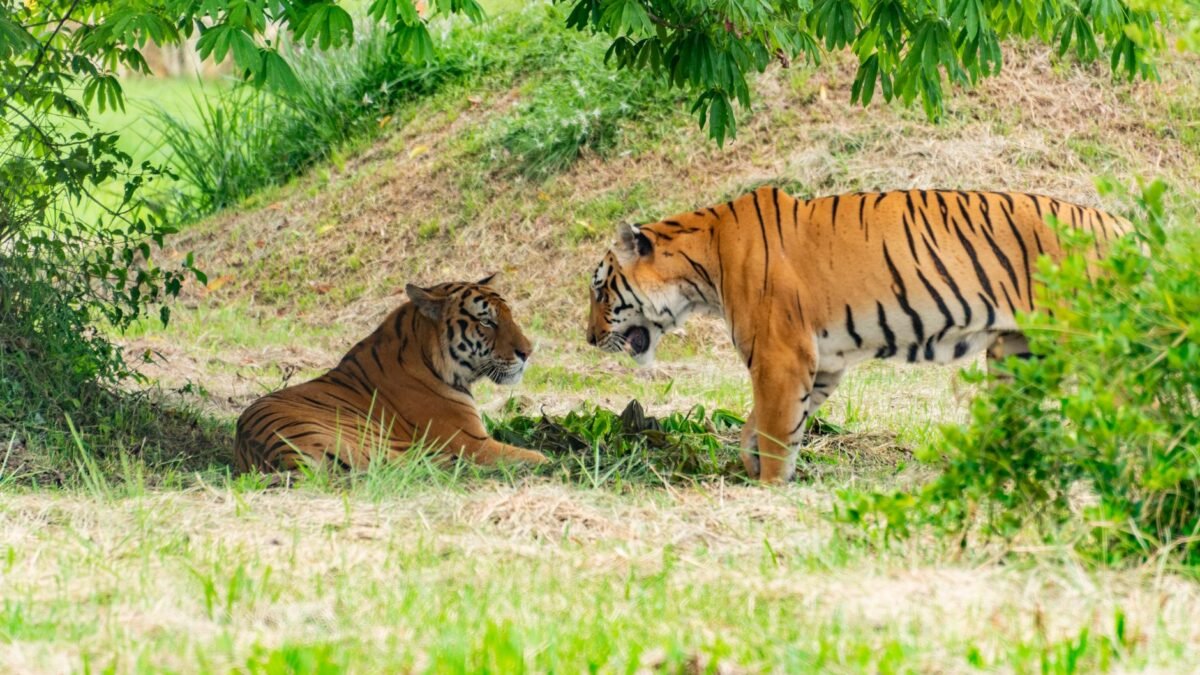
The park offers both jeep and canter safaris, making it accessible for families and solo travelers alike. One of the highlights of Ranthambore is the opportunity to see tigers resting near the waterholes, especially during the hotter months when they come out to cool off. Visitors should consider booking their safaris in advance, as spots can fill up quickly during peak season.
- Tip: Early morning and late afternoon are the best times for tiger sightings, as tigers are more active during these hours.
- Must-see: The Ranthambore Fort, a UNESCO World Heritage Site, offers breathtaking views of the park.
- Wildlife: Besides tigers, you may also spot leopards, sloth bears, and various species of birds.
2. Jim Corbett National Park, India
Established in 1936, Jim Corbett National Park is India’s oldest national park and a key tiger reserve in the country. Located in Uttarakhand, the park is spread across diverse landscapes, including hills, rivers, and valleys. The best time to visit is from November to June, with safaris available in both morning and evening slots.
Jim Corbett is known for its dense population of tigers, offering a high chance of spotting these majestic animals. The Dhikala zone, in particular, is famous for its tiger sightings, with sightings reported frequently. Visitors can choose from jeep safaris, elephant rides, or even walking safaris for a unique experience.
- Tip: Ensure you have your permits in order before visiting, as they are mandatory for entering the park.
- Wildlife: Apart from tigers, you may encounter elephants, deer, and numerous bird species.
- Accommodation: Stay in one of the park’s lodges or camps for a more immersive experience.
3. Bandhavgarh National Park, India
Bandhavgarh National Park, located in Madhya Pradesh, is renowned for having one of the highest densities of tigers in the world. The park is characterized by its rugged terrain and rich history, with ancient ruins and temples scattered throughout the area. The prime time to visit is between October and June.
Visitors to Bandhavgarh can explore its various zones through jeep safaris, which provide excellent opportunities for tiger sightings. The park is home to several well-known tigers, making it a popular destination for photographers and wildlife enthusiasts. Visitors should be prepared for both thrilling encounters and the unpredictability of nature.
- Must-see: The Bandhavgarh Fort, which offers panoramic views of the park.
- Tip: Consider hiring a knowledgeable guide to enhance your safari experience.
- Wildlife: Besides tigers, look for leopards, wild boars, and various bird species.
Other Notable Tiger Reserves
4. Kaziranga National Park, India
Kaziranga National Park, located in Assam, is primarily known for its one-horned rhinoceros but is also home to a significant population of tigers. The park’s unique ecosystem, which includes grasslands, wetlands, and forests, makes it a great spot for wildlife viewing. The best time to visit is from November to April.
While Kaziranga offers a different landscape compared to other tiger reserves, it provides a unique opportunity to spot tigers alongside rhinos and elephants, making it an excellent destination for wildlife enthusiasts. Jeep safaris and elephant rides are popular ways to explore the park.
- Tip: Early morning safaris can increase your chances of seeing both tigers and rhinos.
- Wildlife: Look out for the diverse birdlife, including pelicans, storks, and various migratory birds.
- Accommodation: Stay in nearby lodges or camps for a complete jungle experience.
5. Sundarbans National Park, India
The Sundarbans, a UNESCO World Heritage Site, is the largest mangrove forest in the world and home to the Royal Bengal Tiger. This unique ecosystem offers a different tiger-spotting experience, as the tigers here have adapted to living in a water-dominated environment. The best time to visit is from November to February.
Exploring the Sundarbans requires a different approach, often involving boat safaris through the tidal waterways. This makes for an exciting adventure, as you may encounter tigers swimming in the rivers or lounging on the banks. The park is rich in biodiversity, providing opportunities to see various other wildlife species.
- Tip: Book a guided tour for an in-depth experience, as navigating the waterways can be challenging.
- Wildlife: Aside from tigers, you can spot saltwater crocodiles and numerous bird species.
- Accommodation: Consider staying on a houseboat for a unique perspective of the Sundarbans.
6. Nagarhole National Park, India
Nagarhole National Park, located in Karnataka, is renowned for its diverse wildlife and stunning landscapes. The park is part of the Nilgiri Biosphere Reserve and is known for its healthy tiger population. The best time to visit is from October to May.
Nagarhole offers both jeep safaris and boat rides along the Kabini River, providing ample opportunities for tiger sightings. The park is also home to elephants, leopards, and various species of deer, making it an excellent destination for a wildlife safari.
- Tip: Opt for a morning safari for the best chance to see tigers active during the cooler hours.
- Wildlife: Look out for the unique bird species that inhabit the park.
- Accommodation: Stay in one of the wildlife lodges or resorts near the park for convenience.
Planning Your Tiger Spotting Trip
Best Time to Visit
The best time to visit tiger reserves largely depends on the climate and location of the park. Generally, the months from October to April are preferred, as the weather is cooler and wildlife is more active. During these months, tigers are more likely to be seen near water sources, especially during the dry season.
It is essential to check the specific park’s seasonal schedule, as some parks may have different peak seasons or accessibility issues during the monsoon season. Always confirm the latest information locally or through official channels.
Permits and Regulations
Most tiger reserves require visitors to obtain permits before entering the park. These permits can often be booked online or at the park entrance. It is advisable to reserve your permits well in advance, especially during peak tourist seasons when demand is high.
Additionally, visitors must adhere to specific regulations while in the park to ensure the safety of both themselves and the wildlife. This includes staying within designated areas, not feeding animals, and maintaining a respectful distance from wildlife.
Guided Tours vs. Self-Guided Safari
When planning your tiger-spotting adventure, you will need to decide between a guided tour or a self-guided safari. Guided tours are highly recommended, especially for first-time visitors. Experienced guides can enhance your experience by providing valuable insights about the wildlife and ecosystem.
On the other hand, self-guided safaris can offer a sense of independence and flexibility. However, they require thorough preparation and knowledge of the park, including navigation skills and understanding wildlife behavior to ensure safety.

Understanding Tiger Behavior for Better Spotting
To increase your chances of spotting a tiger in the wild, understanding their behavior and natural instincts is crucial. Tigers are solitary animals, which means they often have specific territories they patrol and defend. By learning about their routines, you can optimize your chances of encountering these majestic creatures.
Territorial Patterns
Tigers maintain large territories, which they mark with scent markings and vocalizations. Typically, male tigers have larger territories than females. These territories can span from 20 to over 100 square miles, depending on the availability of prey and habitat. Understanding these territorial ranges can assist you in pinpointing areas where tigers are more likely to be found.
- Male tiger territories: 20-100 square miles
- Female tiger territories: 10-50 square miles
- Overlap areas: Often found near water sources
Activity Patterns
Tigers are primarily crepuscular, meaning they are most active during dawn and dusk. This activity pattern can be useful for visitors trying to spot them. During these hours, tigers hunt for prey, which increases your chances of seeing them in the wild. Depending on the time of year and the region, consider scheduling your excursions during these peak hours for the best chances of success.
Essential Gear for Tiger Spotting Expeditions
Preparing for a tiger spotting trip requires more than just a sense of adventure; having the right gear can significantly enhance your experience. The wilderness can be unpredictable, and being equipped with the right tools will keep you safe while maximizing your chances of a successful sighting.
Binoculars and Cameras
One of the most essential items for any wildlife enthusiast is a good pair of binoculars. A high-quality pair with at least 8x magnification will allow you to spot tigers from a distance without disturbing them. Additionally, a camera with a zoom lens will help you capture the moment, but remember to be respectful of their space.
- Recommended binocular specifications: 8×42 or 10×42
- Camera lens: 200mm or longer for detailed shots
- Tripod: Useful for steady shots when using a zoom lens
Appropriate Clothing and Safety Gear
Wearing the right clothing is essential not only for comfort but also for blending into the environment. Earthy tones such as greens, browns, and tans are recommended to avoid startling wildlife. Additionally, consider wearing lightweight, moisture-wicking fabrics to stay comfortable in various weather conditions. Safety gear is also vital; carrying a first-aid kit and a whistle can be lifesavers in emergencies.
Ethical Practices for Responsible Tiger Spotting
As tiger populations face numerous threats from poaching and habitat loss, practicing ethical behavior while on your tiger spotting expedition is essential. Responsible tourism can help contribute to conservation efforts and ensure these magnificent creatures continue to thrive in the wild.
Adhering to Park Guidelines
Each national park or reserve has specific guidelines in place to protect wildlife and the environment. These rules are designed to minimize human impact on tiger habitats. Adhering to speed limits, staying within designated paths, and not disturbing the animals are just a few examples of responsible behavior. Always educate yourself on the specific regulations of the area you are visiting before your trip.
- Stay in your vehicle during safaris unless advised otherwise
- Keep noise levels down to avoid startling wildlife
- Do not feed or attempt to touch any animals
Supporting Local Conservation Efforts
Participating in or donating to local conservation projects can make a significant difference in the protection of tigers and their habitats. Many reserves offer volunteer programs or partnerships with NGOs that focus on wildlife conservation. By supporting these initiatives, you contribute to preserving the ecosystem and ensuring that future generations can also experience the thrill of tiger spotting.
- Look for eco-friendly tour operators
- Participate in local conservation programs
- Consider donating a portion of your trip expenses to conservation efforts
Frequently Asked Questions
1. What is the best time of year to see tigers?
The best time to see tigers is typically from October to April, when the weather is cooler and more suitable for wildlife viewing.
2. Do I need a guide to see tigers?
While it is possible to explore some parks without a guide, hiring an experienced guide is highly recommended for safety and to enhance your wildlife viewing experience.
3. Are there any specific safety precautions I should take?
Always follow the guidelines provided by your guide or park officials. Maintain a safe distance from wildlife and avoid making loud noises that could disturb the animals.
4. What should I bring on my tiger-spotting trip?
Pack essentials such as binoculars, a camera with a good zoom lens, water, snacks, and appropriate clothing for the weather conditions.
The Bottom Line
Spotting tigers in the wild is an extraordinary experience that requires careful planning and respect for wildlife. By choosing the right destinations, being mindful of the best times to visit, and adhering to park regulations, you can enhance your chances of encountering these magnificent creatures. Whether you opt for a guided tour or venture out on your own, the thrill of seeing a tiger in its natural habitat will undoubtedly leave a lasting impression.