Key Takeaways
- Honolulu offers pleasant weather year-round.
- Peak tourist seasons can affect prices and crowds.
- Seasonal activities vary, providing unique experiences.
- Planning ahead can enhance your travel experience.
Planning a trip to Honolulu? Understanding the best time to visit can significantly enhance your experience. With its stunning landscapes, vibrant culture, and a plethora of activities, Honolulu attracts travelers year-round. However, different seasons offer varying experiences, each with its unique charm and challenges. This guide will help you navigate the best time to visit Honolulu, focusing on weather patterns, peak tourist seasons, and local events.
Located in the heart of the Pacific, Honolulu enjoys a tropical climate characterized by warm temperatures and moderate humidity. While the city is beautiful at any time of the year, knowing when to visit can help you avoid crowds, save money, and make the most of your trip. Let’s explore the nuances of each season and how they can affect your travel plans.
Whether you’re drawn to the beaches, the rich history, or the diverse culinary scene, timing your visit to align with your interests can lead to a more fulfilling experience. This guide will break down the seasons, highlight the best activities during each period, and offer practical tips to ensure your trip is as enjoyable as possible.
Understanding Honolulu’s Climate
Honolulu is known for its warm and inviting climate, with average temperatures ranging from 70°F to 85°F (21°C to 29°C) throughout the year. The weather is relatively consistent, but there are notable wet and dry seasons that can influence your travel plans.
Temperature Patterns
Honolulu experiences two main seasons: a dry season from May to October and a wet season from November to April. The dry season is marked by warmer temperatures and less rainfall, making it ideal for beach activities. Conversely, the wet season, while still warm, can bring occasional rain showers, especially in the mountains. However, rain often falls in short bursts, leaving plenty of time for outdoor activities.
Humidity and Wind
Humidity levels in Honolulu can be relatively high, particularly during the summer months. Trade winds generally provide a cooling effect, making the heat more bearable. Understanding how humidity affects your comfort can guide you in choosing the best time to visit. Those sensitive to humidity may prefer the cooler months.
Sunlight Hours
Daylight hours also vary throughout the year, with longer days in summer. This means more time for activities like hiking, sightseeing, and beach outings. In winter, days are shorter, but the cooler temperatures can make outdoor exploration more comfortable. Knowing how the sunlight hours change can help you plan your itinerary effectively.
Peak Tourist Seasons: What to Expect
Tourism in Honolulu peaks during certain months, which can dramatically influence your experience. Understanding when these peaks occur can assist you in making informed travel decisions.
High Season: December to March
The high tourist season in Honolulu typically runs from December to March, coinciding with winter holidays and school vacations. During this period, visitors flock to the islands seeking warm weather and sunshine. Hotel prices soar, and popular attractions can become crowded, especially around Christmas and New Year’s. If you plan to visit during this time, booking accommodations and activities well in advance is essential.
Shoulder Season: April to June and September to November
April to June, and September to November, are considered shoulder seasons. During these months, the crowds thin out, and prices for flights and accommodations often drop. The weather remains pleasant, making it an excellent time for outdoor adventures. Festivals and local events are also more frequent during these months, offering travelers unique cultural experiences.
Low Season: July to August
July and August are considered the low tourist season, primarily due to the hot weather and summer vacations. While you can find good deals on accommodations, the heat and humidity can be challenging for some. However, if you don’t mind the weather, you’ll enjoy fewer crowds and a more relaxed atmosphere. Consider visiting popular attractions early in the morning or later in the evening to avoid the midday heat.

Seasonal Activities and Events
Each season in Honolulu provides unique opportunities for exploration and enjoyment. Understanding these can help you decide when to visit based on your interests.
Winter Activities
- Whale Watching: From December to April, humpback whales migrate to Hawaiian waters, providing excellent whale-watching opportunities. Tours operate from various points around the island.
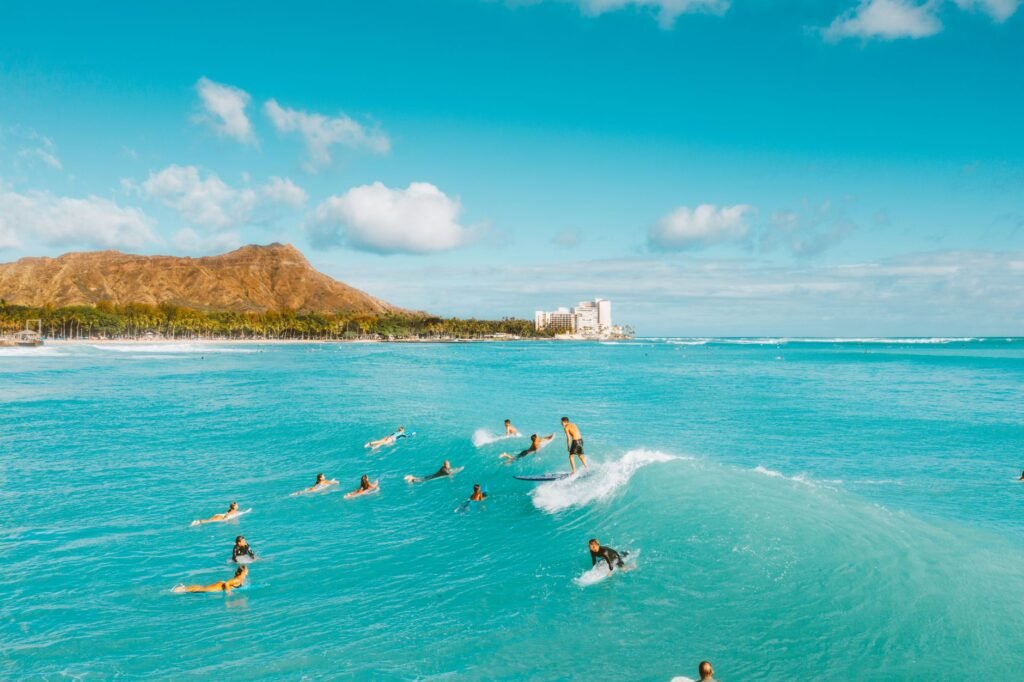
- Surfing: Winter brings larger swells to the North Shore, making it a popular time for surfers. Events like the Vans Triple Crown of Surfing showcase world-class talent.
- Cultural Festivals: Events such as the Honolulu City Lights Festival in December celebrate local culture with stunning displays and performances.
Spring and Fall Activities
- Hiking: The weather is perfect for hiking during these shoulder seasons. Trails like Diamond Head offer breathtaking views without the summer heat.
- Cultural Events: The Merrie Monarch Festival in April is a celebration of Hawaiian culture and hula, attracting visitors from around the world.
- Food Festivals: Events like the Hawaii Food and Wine Festival in September highlight the local culinary scene, allowing visitors to sample delicious dishes.
Summer Activities
- Beach Fun: With longer days, summer is perfect for beach activities. Waikiki Beach is ideal for swimming, sunbathing, and water sports.
- Outdoor Festivals: Summer hosts numerous outdoor concerts and festivals, offering entertainment for all ages.
- Family Activities: Many family-friendly events, including movie nights and cultural activities, take place during the summer months.
Practical Travel Tips
To make the most of your visit to Honolulu, consider these practical tips that can enhance your travel experience.
Booking Accommodations
Regardless of the season you choose to visit, booking accommodations early is advisable, especially during peak tourist seasons. Look for options that fit your budget and desired experience. From luxury resorts to budget-friendly hostels, there are various choices to suit every traveler.
Packing Essentials
Pack light, breathable clothing, sunscreen, and comfortable footwear for exploring. If you plan to hike, include appropriate gear. Remember that evenings can get cooler, particularly during the winter months, so a light jacket may be beneficial.
Transportation Considerations
Public transportation is available, but renting a car can provide flexibility in exploring the island. Consider the traffic patterns and plan accordingly, especially during rush hours. Alternatively, ride-sharing services are widely available and convenient for getting around.
Local Festivals and Cultural Events
Embrace the Aloha Spirit
Honolulu is rich in culture, and attending local festivals is one of the best ways to immerse yourself in the island’s vibrant traditions. The Merrie Monarch Festival, held every spring, is a renowned hula competition that showcases the best dancers from across Hawaii. This week-long event celebrates Hawaiian culture through dance, music, and arts, drawing thousands of visitors. Participation in this festival allows travelers to appreciate the history and skill involved in hula, making it a must-see for culture enthusiasts.
Another notable event is the Honolulu Festival, which occurs annually in March. This festival promotes cultural exchange and features a grand parade, performances, and an arts and crafts fair. Visitors can explore booths showcasing various Asian and Pacific Island cultures, offering a taste of culinary delights, traditional crafts, and lively entertainment.
- Merrie Monarch Festival – Spring: Hula competitions and cultural exhibits.
- Honolulu Festival – March: Celebrating Asian and Pacific cultures through performances and food.
- Oahu Aloha Festivals – September: A month-long celebration of Hawaiian culture with parades and events.
Seasonal Celebrations and Their Significance
Honolulu’s seasonal celebrations are deeply rooted in the island’s history and reflect the diverse cultures that have influenced Hawaii. For instance, the Aloha Festivals in September highlight Hawaiian culture with a series of events, including the Aloha Parade and various hula performances. Each event is an opportunity for tourists to interact with local communities and learn about the significance of these traditions.
Additionally, the Lantern Floating Hawaii ceremony on Memorial Day is a poignant event where thousands of lanterns are released into the water in honor of loved ones who have passed away. This beautiful and serene event not only provides an opportunity for reflection but also emphasizes the strong sense of community and remembrance that exists in Hawaiian culture.
Outdoor Adventures Beyond the Beach
Exploring Honolulu’s Hiking Trails
While many visitors flock to the beaches, Honolulu offers a plethora of hiking trails that provide stunning views and unique experiences. Diamond Head State Monument is one of the most popular hikes, featuring a relatively easy trail that leads to a historic military lookout with panoramic views of the ocean and city. The hike takes about 1.5 hours round trip and is particularly beautiful during sunrise.
Another excellent hiking option is the Manoa Falls Trail, which leads you through lush rainforest to a breathtaking 150-foot waterfall. The trail is about 1.6 miles round trip and is moderately challenging, making it suitable for most fitness levels. Along the way, hikers can enjoy the diverse flora and fauna of the island, including bamboo groves and tropical plants.
- Diamond Head State Monument – Easy hike with scenic views.
- Manoa Falls Trail – Moderate hike to a stunning waterfall.
- Koko Head Crater Trail – Challenging hike with rewarding panoramic views.
Water Sports and Activities
Honolulu’s warm waters are perfect for a variety of water sports beyond just swimming and sunbathing. Snorkeling at Hanauma Bay is an incredibly popular activity where visitors can explore vibrant coral reefs and marine life in a protected environment. The bay is home to over 400 species of fish, making it an excellent spot for both beginners and experienced snorkelers.
For those looking for a more adrenaline-pumping experience, surfing lessons are available at iconic beaches like Waikiki. Several local surf schools cater to beginners and offer equipment rentals, making it easy to catch your first wave. The best time for surfing in Honolulu is typically during the winter months when the North Shore experiences larger swells, but beginners can enjoy calmer waters in the summer.

Gastronomic Experiences Throughout the Seasons
Seasonal Fruits and Local Cuisine
One of the delights of visiting Honolulu is indulging in its diverse culinary scene, which often highlights seasonal fruits and local ingredients. Hawaii is known for its delicious tropical fruits, including pineapples, mangoes, and papayas. Visiting local farmers’ markets, such as the KCC Farmers’ Market, allows travelers to sample fresh produce and traditional Hawaiian dishes made from these seasonal ingredients. The market operates every Saturday and features local vendors selling everything from poke to fresh coconut water.
Another culinary highlight is the traditional Hawaiian luau, a feast that showcases local cuisine, including kalua pig, lomi lomi salmon, and poi. These gatherings are often accompanied by hula performances and music, creating an immersive cultural experience. It’s recommended to book a luau in advance, as they can fill up quickly, especially during peak tourist seasons.
- KCC Farmers’ Market – Saturday market featuring local produce and Hawaiian dishes.
- Traditional Hawaiian luau – A cultural feast with entertainment.
- Try seasonal fruits like mangoes and lychees for a refreshing treat.
Top Restaurants to Experience
Honolulu is home to an array of restaurants that offer both traditional Hawaiian cuisine and modern fusion dishes. For a casual dining experience, Helena’s Hawaiian Food has been serving authentic Hawaiian fare since 1946 and is known for its kalua pork and pipikaula (dried beef). For something more upscale, Roy’s Hawaii Kai offers a blend of Hawaiian and international flavors, with a focus on fresh, local ingredients.
Food trucks are also a big part of the culinary scene in Honolulu, offering a variety of options from shrimp trucks to gourmet tacos. Visiting food truck parks such as the popular Eat the Street allows visitors to sample multiple dishes in one location, making it a fun and delicious experience.
Frequently Asked Questions
What is the best time of year to visit Honolulu?
The best time to visit Honolulu is during the shoulder seasons, particularly in April to June and September to November. These months offer pleasant weather, fewer crowds, and lower prices.
Is it rainy in Honolulu during winter?
While winter is part of the wet season, rain in Honolulu typically comes in short bursts. Many days remain sunny, and outdoor activities can still be enjoyed.
How can I save money on my trip to Honolulu?
To save money, consider traveling during the shoulder season, booking accommodations in advance, and exploring free or low-cost attractions like beaches and parks.
Are there any major events in Honolulu throughout the year?
Yes, Honolulu hosts various events year-round, including the Merrie Monarch Festival in April and the Honolulu City Lights Festival in December. These events provide cultural insights and entertainment for visitors.
The Bottom Line
Choosing the best time to visit Honolulu depends on your preferences for weather, activities, and budget. From the bustling peak season to the quieter shoulder months, each time of year offers its unique experiences. By understanding the climate, tourist seasons, and local events, you can plan a trip that aligns with your interests and ensures a memorable Hawaiian getaway.