Key Takeaways
- Colombia offers diverse attractions for every traveler.
- Explore historical cities and breathtaking natural parks.
- Experience Colombia's rich culture through food and festivals.
- Plan practical tips for a safe and enjoyable trip.
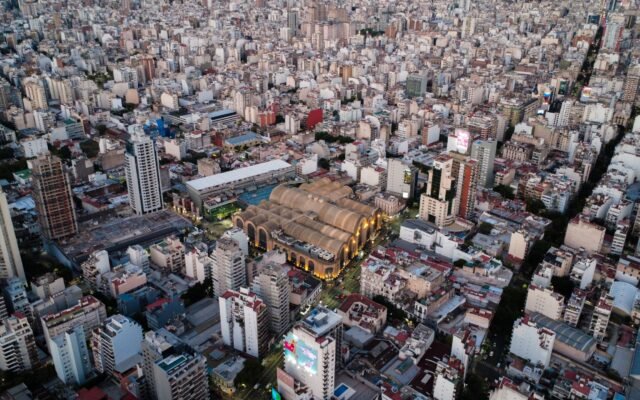
Colombia is a land of stunning contrasts and rich cultural experiences, making it a captivating destination for travelers. From the vibrant streets of Cartagena to the lush coffee regions and the majestic peaks of the Andes, there is no shortage of incredible things to do in this South American gem. Whether you’re an adventure seeker, a history buff, or a culture enthusiast, Colombia has something to offer everyone.
This article will guide you through the top things to do in Colombia, highlighting must-visit cities, breathtaking natural landscapes, and cultural experiences that will enrich your journey. Come along as we explore the vibrant activities and places that make Colombia a remarkable travel destination.
As you plan your trip, keep in mind that Colombia is known for its warm and welcoming people, delicious cuisine, and rich biodiversity. Embrace the local culture and take your time to immerse yourself in the experiences that await you.
Cultural Experiences in Colombia
1. Explore the Streets of Cartagena
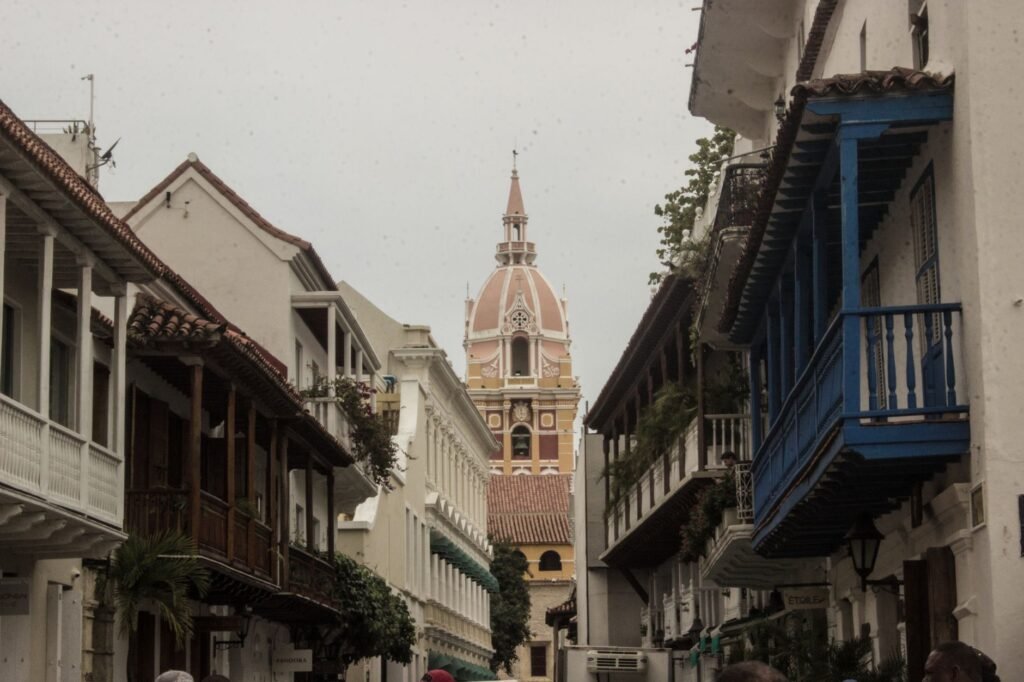
Cartagena is a UNESCO World Heritage site, known for its well-preserved colonial architecture, vibrant colors, and historic significance. The old city, surrounded by imposing walls, is a maze of cobblestone streets filled with shops, cafes, and art galleries. Take a leisurely walk along the ramparts for stunning views of the Caribbean Sea.
One can’t miss the bustling Plaza Santo Domingo, home to the famous sculpture by Fernando Botero and surrounded by lively restaurants. Enjoy local dishes like arepas and ceviche at one of the many eateries while soaking in the lively atmosphere.
For a deeper understanding of Cartagena’s history, visit the Castillo San Felipe de Barajas. This fortress offers insight into the city’s colonial past and provides panoramic views of the city and the sea.
2. Vibrant Medellín
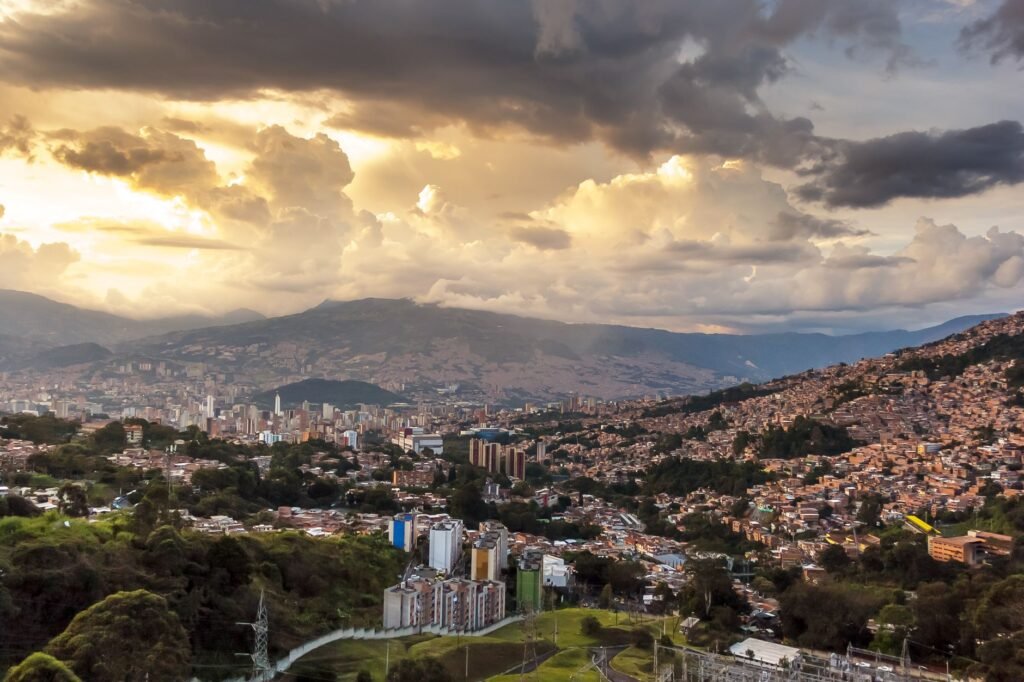
Once known for its turbulent history, Medellín has transformed into a symbol of innovation and resilience. A visit to this city is incomplete without exploring Comuna 13, which has become an open-air gallery adorned with stunning street art and murals. Guided tours are available, where you can learn about the community’s journey and the stories behind the artwork.
Medellín is also famous for its cable cars, which connect the city to the surrounding hillside neighborhoods. Riding the cable car provides a unique perspective of the city’s landscape and a glimpse into daily life in these areas.
Don’t miss the bustling Plaza Botero, where you can admire the oversized sculptures of Colombian artist Fernando Botero. The nearby Museum of Antioquia offers a deeper dive into local art and culture.
3. Cultural Festivals
Colombia is home to numerous festivals that celebrate its rich culture. One of the most famous is the Barranquilla Carnival, which takes place in February and showcases vibrant parades, traditional music, and folkloric dances. This festival is recognized as one of the largest and most colorful carnivals in the world.
Another significant event is the Flower Festival in Medellín, held each August. This festival features elaborate flower displays, parades, and concerts, drawing both locals and tourists alike.
Experiencing these festivals offers a unique opportunity to engage with the local culture, meet residents, and enjoy traditional foods and music.
Natural Wonders of Colombia
1. Coffee Region
Colombia is renowned for its coffee, and the Coffee Triangle is the heart of this industry. This lush region includes towns like Manizales, Salento, and Armenia, where visitors can tour coffee farms, learn about the coffee-making process, and taste some of the best brews in the world.
In Salento, hike the Cocora Valley to see the towering wax palms, Colombia’s national tree. The hike offers stunning views and the chance to experience the region’s diverse flora and fauna.
Many coffee farms offer tours that include tastings, allowing you to appreciate the nuances of Colombian coffee. This experience is not only educational but also delicious.
2. Tayrona National Park
For nature lovers, Tayrona National Park is a must-visit. Located on the Caribbean coast, this park features stunning beaches, lush rainforest, and diverse wildlife. Hiking trails lead through tropical landscapes, offering opportunities to spot unique species and enjoy breathtaking views.
Relax on beautiful beaches like Cabo San Juan or take a guided tour to learn about the indigenous cultures that inhabit the area. The park is also a great spot for snorkeling and swimming in the crystal-clear waters.
Be mindful of park regulations and respect the natural environment to preserve this beautiful area for future generations.
3. The Amazon Rainforest
Exploring the Amazon rainforest offers a unique adventure and an opportunity to experience one of the most biodiverse regions on the planet. Towns like Leticia serve as gateways to the Amazon, where you can take guided tours into the jungle.
Activities may include boat rides on the Amazon River, wildlife spotting, and visiting indigenous communities to learn about their traditions and way of life. It’s an immersive experience that highlights the importance of conservation and the natural world.
When visiting the Amazon, consider sustainable tourism practices to ensure that your visit benefits local communities and the environment.

Adventure Activities
1. Hiking and Trekking
Colombia boasts diverse landscapes perfect for hiking and trekking. The Lost City (Ciudad Perdida) trek is a popular multi-day hike through the Sierra Nevada mountains, leading to ancient ruins and breathtaking views. The trek takes about four to six days and involves navigating through lush jungles and crossing rivers.
For a less strenuous option, the El Cocuy National Park offers various trails suitable for different fitness levels. The park is known for its stunning glaciers and high-altitude landscapes, making it a paradise for outdoor enthusiasts.
Always check local conditions and trail guidance before heading out, and consider hiring a local guide for a safer experience.
2. Paragliding in San Gil
San Gil is known as Colombia’s adventure capital, offering thrilling activities like paragliding. Soaring above the picturesque landscapes provides a unique vantage point to appreciate the beauty of the region.
Local operators provide tandem flights guided by experienced instructors, ensuring safety while delivering an unforgettable experience. The best time for paragliding is during the dry season, around December to March.
Aside from paragliding, San Gil also offers opportunities for white-water rafting and caving, making it an ideal destination for adrenaline seekers.
3. Scuba Diving in Providencia
For those interested in underwater adventures, Providencia Island offers some of the best scuba diving in Colombia. The Caribbean waters surrounding the island are rich in marine life and coral reefs, providing an ideal setting for divers of all levels.
Several dive shops on the island offer guided dives, equipment rental, and courses for beginners. Whether you’re exploring shallow reefs or deeper dive sites, the vibrant underwater ecosystem is a sight to behold.
Be sure to check the local dive conditions and regulations to ensure a safe and enjoyable experience.
Practical Travel Tips
1. Safety and Health
While Colombia has made significant strides in improving safety for tourists, it’s essential to remain cautious. Stay informed about the areas you plan to visit and avoid traveling alone at night in unfamiliar places. It’s advisable to use reputable transportation options and remain aware of your surroundings.
Health-wise, consider vaccinations recommended for travel to Colombia, such as those for yellow fever, hepatitis A, and typhoid. Always carry a basic first-aid kit and any personal medications you might need.
It’s also wise to have travel insurance that covers health emergencies and unexpected travel disruptions.
2. Currency and Budgeting
The Colombian peso (COP) is the official currency. Credit and debit cards are widely accepted in urban areas, but it’s advisable to carry cash in smaller towns and rural locations. ATMs are available in cities, but always use those in well-lit and secure areas.
Colombia is generally budget-friendly, with affordable accommodation, food, and transportation options. Street food is delicious and economical, while dining at local restaurants offers good value for money.
When budgeting, consider allocating funds for activities, transportation, and souvenirs, allowing flexibility for spontaneous adventures.
3. Language and Communication
Spanish is the official language in Colombia, and while tourist areas may have English speakers, it’s beneficial to learn a few basic phrases. Simple greetings and common expressions can enhance your interactions with locals and show respect for their culture.
Mobile service providers offer various plans, including prepaid SIM cards, which can be a cost-effective way to stay connected during your travels. Wi-Fi is commonly available in hotels and cafes, but having mobile data can be convenient for navigation and communication.
Gastronomic Delights: A Taste of Colombia
Colombia’s culinary scene is a vibrant tapestry of flavors, ingredients, and traditions that reflect its diverse culture and geography. Each region boasts distinctive dishes that are influenced by local produce, cooking methods, and historical traditions. Exploring Colombian cuisine is not just about eating; it’s about immersing oneself in the local culture.
Regional Specialties
Each region in Colombia has its own unique culinary offerings, making it a foodie paradise. Here are some must-try dishes from various parts of the country:
- Arepas: A staple made from corn dough, arepas can be found throughout Colombia with regional variations. In Antioquia, they are often stuffed with cheese, while in the Caribbean coast, they may be filled with meat or seafood.
- Bandeja Paisa: Originating from the Antioquia region, this hearty dish includes beans, rice, ground meat, chicharrón (fried pork belly), avocado, and a fried egg.
- Sancocho: A traditional stew that varies by region, sancocho typically includes meat (such as chicken, fish, or beef), potatoes, yuca, and plantains, simmered together for a rich flavor.
Food Tours and Cooking Classes
For those eager to dive deeper into Colombia’s culinary world, participating in food tours or cooking classes is an excellent option. In cities like Bogotá and Medellín, various companies offer guided tours that take you through local markets, street food stalls, and restaurants. You can taste various dishes while learning about their history and preparation methods.
Cooking classes allow you to get hands-on experience with Colombian cooking techniques. Often led by local chefs, these classes provide a chance to learn how to make traditional dishes, using fresh, local ingredients. This immersive experience not only enhances your cooking skills but also gives insight into Colombian culture.
Festivals and Celebrations: Embrace the Spirit of Colombia
Colombia is renowned for its vibrant festivals and celebrations, showcasing the nation’s rich cultural heritage and community spirit. Throughout the year, numerous events take place, each reflecting different aspects of Colombian life, from music and dance to religious traditions.
Notable Festivals
Participating in local festivals is a fantastic way to experience Colombian culture firsthand. Here are a few notable festivals worth attending:
- Carnaval de Barranquilla: Held before Lent, this is one of the largest and most colorful carnivals in Colombia, featuring parades, music, and traditional dances.
- Feria de las Flores: Taking place in Medellín each August, this festival celebrates the city’s flower-growing industry with parades filled with flower displays and cultural events.
- Festival de la Leyenda Vallenata: Celebrating the vallenato music genre, this festival in Valledupar includes competitions, concerts, and a showcase of traditional music.
Experiencing Local Traditions
In addition to major festivals, smaller local celebrations occur throughout the year, often tied to religious or agricultural events. These celebrations may include traditional music, dance, and food, offering a glimpse into the community’s values and heritage. Participating in these local events helps travelers connect with Colombian people and their traditions.
Many towns also host weekly markets where artisans, musicians, and food vendors gather, creating a lively atmosphere that is perfect for mingling with locals. These markets are a great way to sample street food, purchase handmade crafts, and enjoy live performances.
Eco-Tourism: Explore Colombia’s Sustainable Travel Opportunities
With its diverse ecosystems and rich biodiversity, Colombia is becoming a hotspot for eco-tourism. Travelers can explore national parks, wildlife reserves, and sustainable farms, all while supporting conservation efforts and local communities.
National Parks and Nature Reserves
Colombia is home to numerous national parks that offer eco-tourism opportunities. Some of the most notable include:
- Parque Nacional Natural Tayrona: A stunning coastal park featuring beautiful beaches, coral reefs, and lush jungles. Visitors can hike trails, swim, and explore indigenous heritage sites.
- Parque Nacional Natural Los Nevados: Known for its snow-capped mountains and diverse landscapes, this park offers hiking, birdwatching, and a chance to see unique flora and fauna.
- Parque Arqueológico de San Agustín: A UNESCO World Heritage site, it combines archaeological wonders with beautiful natural scenery, making it a unique destination for history and nature lovers.
Sustainable Travel Practices
Travelers can support eco-tourism by choosing eco-friendly accommodations, participating in community-based tours, and minimizing their environmental impact. Many lodges and hotels in Colombia are committed to sustainability, using renewable energy, and supporting local communities.
Additionally, travelers can engage in activities like birdwatching, hiking, and volunteering at conservation projects. By doing so, visitors contribute to preserving Colombia’s natural beauty while enjoying its remarkable landscapes and wildlife.
Frequently Asked Questions
What is the best time to visit Colombia?
The best time to visit Colombia is during the dry season, which typically runs from December to March. However, this can vary by region, so check the local climate for specific destinations.
Is Colombia safe for tourists?
While Colombia has improved its safety for tourists, travelers should remain vigilant, avoid high-risk areas, and stay informed about local conditions. Always prioritize your safety and well-being while traveling.
What currency is used in Colombia?
The official currency is the Colombian peso (COP). It’s advisable to carry some cash, especially in rural areas, while credit cards are widely accepted in urban centers.
What are some traditional Colombian foods to try?
Colombian cuisine is diverse, with must-try dishes including arepas, bandeja paisa, sancocho, and empanadas. Each region has its specialties, offering a delightful culinary experience.
The Bottom Line
Colombia is a vibrant country with a rich tapestry of experiences for travelers. From its historic cities to breathtaking natural wonders, there are countless things to do in Colombia that cater to all interests. By planning carefully and embracing the local culture, your trip to Colombia can be both memorable and enriching.