Key Takeaways
- Explore the top coldest places on Earth.
- Prepare for extreme weather conditions.
- Understand the unique attractions of each location.
- Find practical tips for a successful trip.
Traveling to the coldest places on Earth offers a unique adventure that few dare to undertake. These destinations, characterized by their extreme temperatures and icy landscapes, provide travelers with breathtaking views and experiences that are unlike any other. From the barren expanse of Antarctica to the icy realms of Siberia, each location presents its own set of challenges and wonders. This guide explores some of the coldest places on Earth, practicality of visiting them, and the incredible experiences that await.
For those who are willing to brave the cold, the rewards can be significant. You’ll encounter stunning natural phenomena, including the Northern Lights, vast icebergs, and unique wildlife adapted to survive in these harsh climates. It’s essential, however, to be prepared for the extreme conditions that come with visiting such locations. This article aims to equip you with practical travel tips and insights to enhance your journey to these frigid destinations.
Whether you’re an intrepid explorer seeking adventure or a curious traveler interested in the beauty of icy landscapes, understanding what to expect in the coldest places on Earth is crucial for a successful trip.
Antarctica: The Extreme Continent
Antarctica is famously the coldest place on Earth, with recorded temperatures dropping below minus 128 degrees Fahrenheit (minus 89 degrees Celsius). This vast continent offers unparalleled opportunities for exploration but comes with unique challenges. Most visitors arrive during the summer months (November to March), when temperatures are relatively milder, ranging from 10 to 20 degrees Fahrenheit (-12 to -6 degrees Celsius).
Traveling to Antarctica typically requires a cruise ship departure from Ushuaia, Argentina. These cruises often include guided excursions such as zodiac boat rides to see icebergs up close or visits to research stations. Travelers can also participate in activities like kayaking, snowshoeing, and even polar plunges. It’s essential to choose a reputable tour operator that prioritizes safety and environmental responsibility.
- What to Pack: Layers of thermal clothing, waterproof gear, and sturdy boots are essential for your trip. Don’t forget your camera to capture the stunning landscapes.
- Health Precautions: Be aware of altitude sickness if you’re flying over the Andes before reaching the continent. Consult a healthcare professional about vaccinations and medications.
- Best Time to Visit: November to March is ideal for milder weather and wildlife sightings, such as penguins and seals.
Siberia: The Land of Ice
Siberia, a vast region in Russia, is renowned for its extreme cold, especially in winter. The city of Yakutsk is often cited as one of the coldest cities in the world, with temperatures plummeting to minus 40 degrees Fahrenheit (minus 40 degrees Celsius) in January. Despite the harsh climate, Siberia offers unique cultural experiences and stunning natural beauty.
Visitors to Siberia can explore the Lena River, which freezes over in winter, creating a picturesque landscape. The region is rich in indigenous culture, with opportunities to learn about the traditions of the Yakut people. Travelers can also visit Lake Baikal, the world’s deepest and oldest freshwater lake, which transforms into a frozen wonderland in winter.
- Explore Yakutsk: Visit the Mammoth Museum and the frozen Lena River.
- Experience the Ice Festival: Held annually, this festival showcases incredible ice sculptures and local traditions.
- Prepare for Cold: Winter clothing should include thermal layers, insulated boots, and windproof jackets.
Greenland: The Arctic Gem
Greenland, the world’s largest island, is not only known for its stunning icy landscapes but also for its rich culture and history. The coldest areas, particularly in the northeastern region, experience long, harsh winters with temperatures often falling below minus 30 degrees Fahrenheit (minus 34 degrees Celsius). Despite this, summer months attract tourists for hiking, ice fjord tours, and whale watching.
Travelers can explore the capital, Nuuk, which offers a blend of modern amenities and traditional Inuit culture. Activities such as dog sledding and snowmobiling are popular in winter, while summer allows for breathtaking hikes and exploring the coastline.
- Travel Tips: The best time to visit for warmer weather is June to September. For winter activities, aim for December to March.
- Accommodation: There are various guesthouses and hotels, but booking in advance is essential, especially during peak seasons.
- Local Cuisine: Don’t miss trying traditional dishes such as seal, whale blubber, and local fish.
Canada’s Yukon Territory: A Winter Wonderland
The Yukon Territory in Canada is another cold destination worth exploring. With winter temperatures often dipping below minus 40 degrees Fahrenheit (minus 40 degrees Celsius), the region is known for its stunning natural beauty and outdoor activities. The Northern Lights are visible here, making it a hotspot for aurora viewing.
Whitehorse, the capital, offers a range of winter activities, including snowshoeing, ice fishing, and dog sledding. The Yukon Quest, an annual dog sled race, attracts teams from around the world and showcases the region’s rich sledding culture.
- Winter Activities: Explore the extensive trail system for snowmobiling or cross-country skiing.
- Aurora Viewing: Best seen from late September to early April, with guided tours available.
- Pack Accordingly: Thermal gear, insulated gloves, and good quality winter boots are essential.
Antarctica’s Neighbor: The Arctic Circle
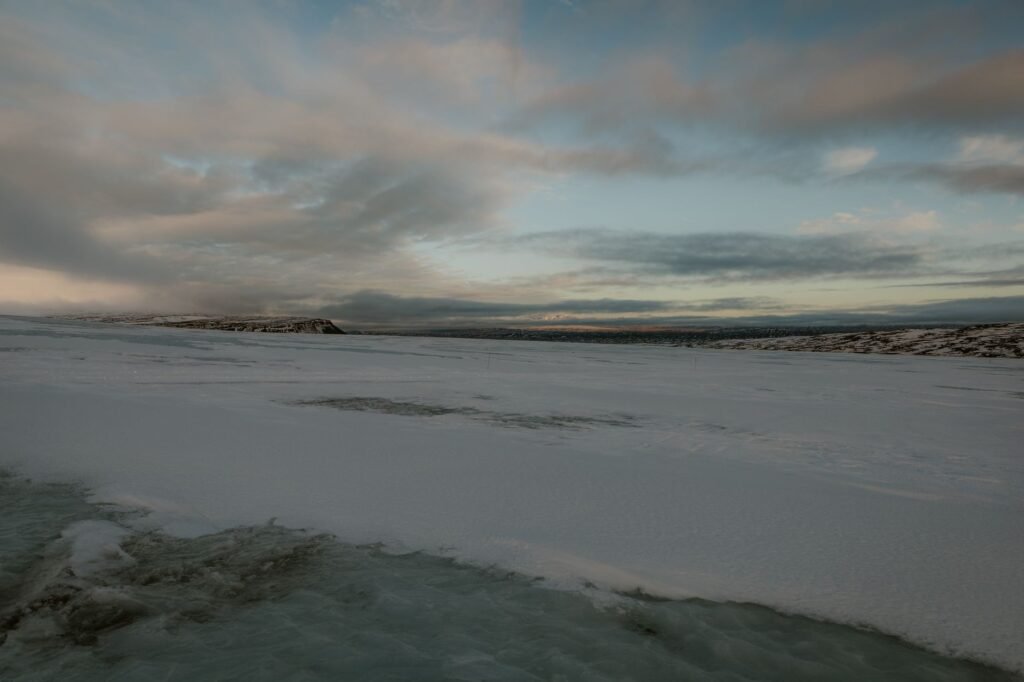
While Antarctica is the coldest, the Arctic Circle is home to several of the coldest places, including areas in northern Canada, Alaska, and Russia. These regions experience extreme cold, especially during winter months. The Arctic tundra is characterized by its flat, treeless landscape, where temperatures can reach similar lows to those found in Antarctica.
Travelers interested in exploring the Arctic can partake in cruises or guided tours that offer unique experiences such as visiting Inuit communities or observing polar bears in their natural habitat. The best time for visiting is during summer months when temperatures are milder, allowing for more comfortable exploration.
- Cruise Options: Look for eco-friendly cruise operators that minimize their environmental impact.
- Wildlife Watching: Bring binoculars to spot whales, seals, and polar bears.
- Travel Insurance: Ensure you have coverage that includes emergency evacuation in case of medical issues.
Preparing for Your Cold Adventure
Essential Gear for Cold Weather Travel
When embarking on a journey to the coldest places on Earth, having the right gear is crucial for a safe and enjoyable experience. Key items to consider include:
- Insulated Outerwear: A high-quality, waterproof and windproof jacket is essential. Look for jackets with down insulation or synthetic alternatives that offer warmth without added weight.
- Thermal Layers: Layering is vital in cold climates. Start with moisture-wicking base layers, followed by insulating mid-layers, and finally your outer shell.
- Footwear: Insulated, waterproof boots are a must. Ensure they have good traction for icy conditions, and consider thermal insoles for added warmth.
- Accessories: Don’t forget hats, gloves, and scarves. Choose materials like wool or fleece, which provide warmth even when wet.
- Goggles and Sunglasses: Protect your eyes from glare and UV rays reflected off snow and ice. Goggles are essential for windy conditions.
Additionally, pack hand warmers and a good quality thermos for hot drinks to help keep your spirits high in frigid temperatures.
Health and Safety Precautions
Traveling to extremely cold environments poses unique health risks. Familiarize yourself with the following safety tips:
- Stay Hydrated: Cold weather can dehydrate you just as effectively as hot climates. Drink plenty of fluids, preferably warm, to maintain hydration.
- Know the Signs of Frostbite and Hypothermia: Early symptoms include numbness and tingling in extremities. Seek warmth immediately if you start to feel excessively cold.
- Plan for Emergencies: Carry a first-aid kit, personal locator beacon, and extra food supplies. Ensure someone knows your itinerary and expected return time.
- Acclimatization: Allow your body to adapt to extreme cold gradually. Spend time outdoors before engaging in strenuous activities.
By understanding and preparing for health risks, you can enjoy your cold-weather adventure with greater peace of mind.
Cultural Experiences in Cold Climates
Indigenous Cultures and Traditions
Many of the coldest regions on Earth are home to indigenous peoples with rich cultural heritages. Engaging with these communities can enhance your travel experience significantly. Consider the following:
- Learn About Traditional Practices: Participate in workshops or guided tours that showcase indigenous crafts, music, and storytelling. This can provide insights into their history and survival techniques in harsh climates.
- Culinary Experiences: Taste local dishes that have been developed over generations. Ingredients often include fish, game, and preserved foods suited for long winters.
- Festivals and Events: Look for local festivals that celebrate winter, such as traditional ice fishing competitions or snow sculpture festivals. These events provide a unique way to interact with locals and experience their culture.
These cultural experiences not only enrich your trip but also foster a connection with the communities that thrive in extreme cold.
Winter Sports and Activities
The coldest places on Earth offer a variety of winter sports and activities that attract enthusiasts from around the world. Here are some popular options:
- Dog Sledding: Experience the thrill of being pulled by a team of huskies across snow-covered landscapes. Many locations offer guided tours ranging from a few hours to multi-day adventures.
- Ice Climbing: For the adventurous, ice climbing on frozen waterfalls or glaciers can be an exhilarating way to challenge yourself physically. Ensure you hire experienced guides for safety.
- Snowboarding and Skiing: Several cold regions boast world-class ski resorts. Research the best slopes suitable for your skill level and consider booking lessons if you’re a beginner.
- Winter Hiking: Explore trails that are transformed by snow. Ensure you have appropriate gear and check trail conditions before heading out.
Participating in these sports not only provides a rush of adrenaline but also allows you to appreciate the stunning beauty of cold landscapes.
Environmental Awareness in Cold Regions
Impact of Climate Change
Cold regions are particularly vulnerable to the effects of climate change, making it essential for travelers to be aware of their environmental impact. Here are some points to consider:
- Melting Glaciers: Many glaciers in polar regions are retreating at alarming rates. Educate yourself about the local environment and support conservation efforts.
- Wildlife Conservation: Cold climates are home to unique species that are at risk due to changing habitats. Respect wildlife by maintaining safe distances and following guidelines.
- Carbon Footprint: Consider the environmental impact of your travel. Opt for eco-friendly accommodations and transportation whenever possible.
By being environmentally conscious, you contribute to the preservation of these fragile ecosystems for future generations.
Responsible Travel Practices
Traveling responsibly in cold areas involves minimizing your impact on the environment and respecting local cultures. Follow these best practices:
- Leave No Trace: Always clean up after yourself and avoid leaving anything behind. Stick to marked trails to protect vegetation.
- Support Local Economies: Shop at local businesses and eat at family-owned restaurants to ensure your travel dollars benefit the community.
- Educate Yourself: Before your trip, research the areas you plan to visit. Understanding the cultural and environmental context will enhance your experience and promote respectful interactions.
By adopting responsible travel practices, you can enjoy the beauty of the coldest places on Earth while helping to protect them.
Frequently Asked Questions
What is the coldest temperature ever recorded on Earth?
The coldest temperature ever recorded on Earth was minus 128.6 degrees Fahrenheit (minus 89.2 degrees Celsius) at the Soviet Union’s Vostok Station in Antarctica on July 21, 1983.
How should I prepare for a trip to extremely cold areas?
Preparation involves packing thermal layers, waterproof outerwear, insulated boots, and accessories like gloves and hats. It’s also wise to familiarize yourself with local customs and safety precautions.
Is it safe to travel to the coldest places on Earth?
Traveling to these regions can be safe if proper precautions are taken. Always travel with a reputable tour operator, and ensure you have adequate travel insurance that covers extreme weather conditions.
What are some recommended activities in cold climates?
Popular activities include snowshoeing, dog sledding, ice fishing, and viewing the Northern Lights. Many regions also offer cultural experiences such as visiting indigenous communities or participating in local festivals.
The Bottom Line
Exploring the coldest places on Earth can be a rewarding and unforgettable experience. With proper preparation, travelers can enjoy the breathtaking beauty and unique cultures found in these extreme environments. From Antarctica’s icy expanses to the snowy landscapes of Siberia and Greenland, each destination offers its own set of adventures and challenges. Embrace the cold and discover the wonders that await in these extraordinary places.