Key Takeaways
- Explore renowned vineyards and wine tours.
- Visit historical sites like castles and cathedrals.
- Enjoy outdoor activities in picturesque landscapes.
- Experience local cuisine and culinary delights.
Burgundy, located in the heart of France, is a region renowned for its exceptional wine, rich history, and stunning landscapes. From its picturesque vineyards to its ancient castles, Burgundy offers a plethora of activities for travelers seeking a memorable experience. Whether you are a wine connoisseur, a history buff, or simply looking to enjoy the scenic beauty, Burgundy has something to offer everyone.
For those planning a trip, it’s essential to know the top things to do in Burgundy to make the most of your visit. This guide will outline the must-see attractions, activities, and practical tips to enhance your travel experience in this enchanting region.
With a blend of culture, gastronomy, and outdoor adventures, Burgundy promises an unforgettable journey. Let’s explore the highlights that should be on your itinerary.
1. Discover the Wine Country
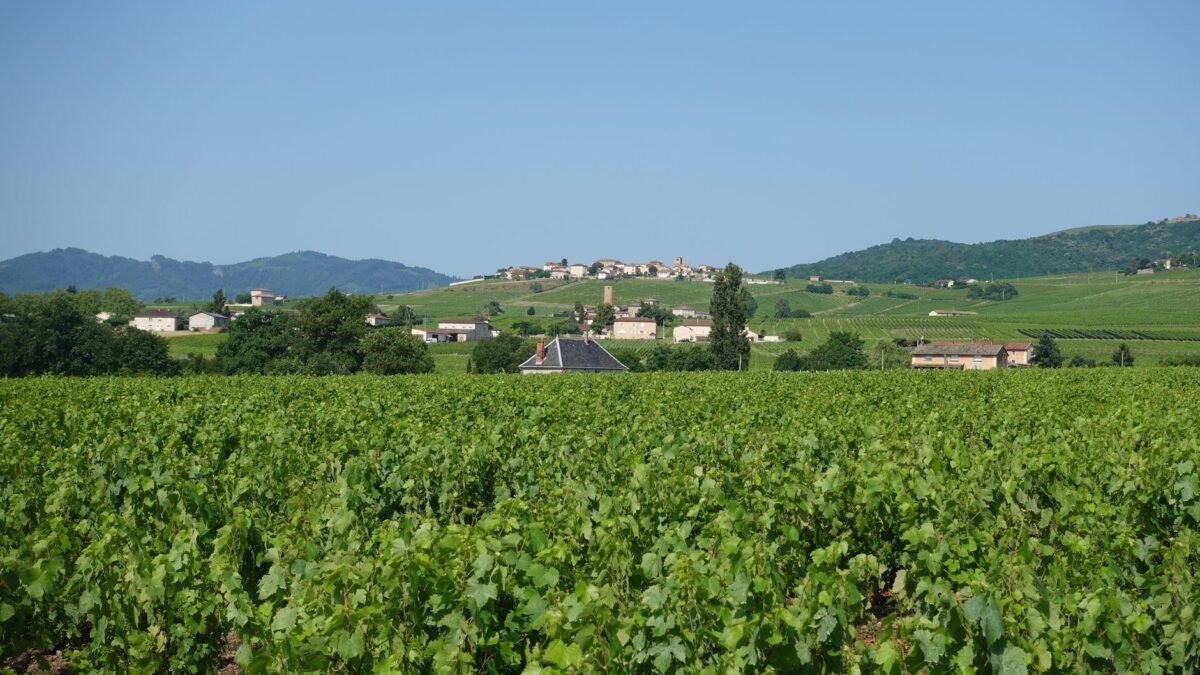
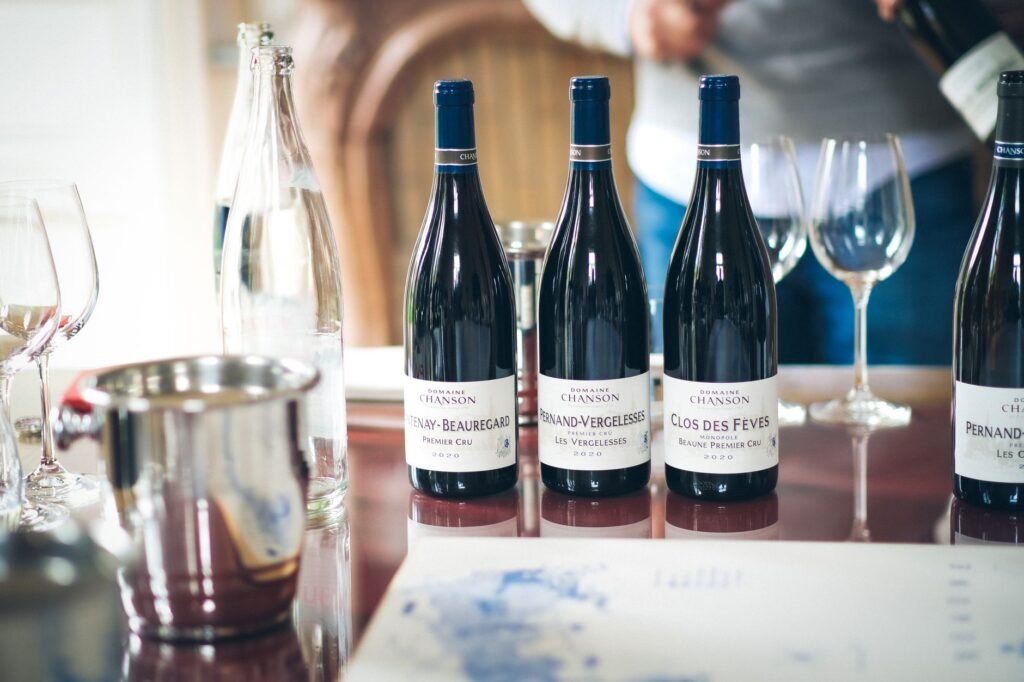
Burgundy is synonymous with wine, and exploring its vineyards is undoubtedly one of the top things to do in the region. The area is famous for its Pinot Noir and Chardonnay, and a visit to the wine country is a delightful experience for both novice drinkers and seasoned wine enthusiasts.
Take a guided wine tour through renowned areas like the Côte d’Or, where you can visit prestigious vineyards such as Domaine de la Romanée-Conti or Domaine Leflaive. Many wineries offer tastings, allowing you to savor some of the finest wines while learning about the winemaking process.
- Wine Tours: Join a local guide for a personalized experience, often including transportation between various vineyards.
- Wine Festivals: Check the local calendar for wine festivals, which often feature tastings, food pairings, and cultural activities.
- Self-Guided Tours: If you prefer to explore at your own pace, consider renting a bike to ride along the vineyards and visit smaller, family-owned wineries.
2. Visit Historical Sites
Burgundy is steeped in history, with numerous châteaux, cathedrals, and ancient towns that reflect its rich heritage. One of the highlights is the Château de Pommard, a magnificent 18th-century castle that offers tours and tastings in a stunning setting.
The region is also home to the Basilica of Saint Mary Magdalene in Vézelay, a UNESCO World Heritage site, known for its stunning architecture and historical significance as a pilgrimage site. Visitors can explore the beautiful town of Vézelay, which is filled with charming streets and shops.
- Château de Châteauneuf: A medieval castle with impressive views and guided tours explaining its history.
- Abbey of Fontenay: Another UNESCO site, this former Cistercian abbey boasts breathtaking architecture and serene gardens.
- Historical Towns: Don’t miss towns like Beaune, famous for its Hôtel-Dieu, and Dijon, known for its well-preserved medieval structures.
3. Explore the Natural Landscapes
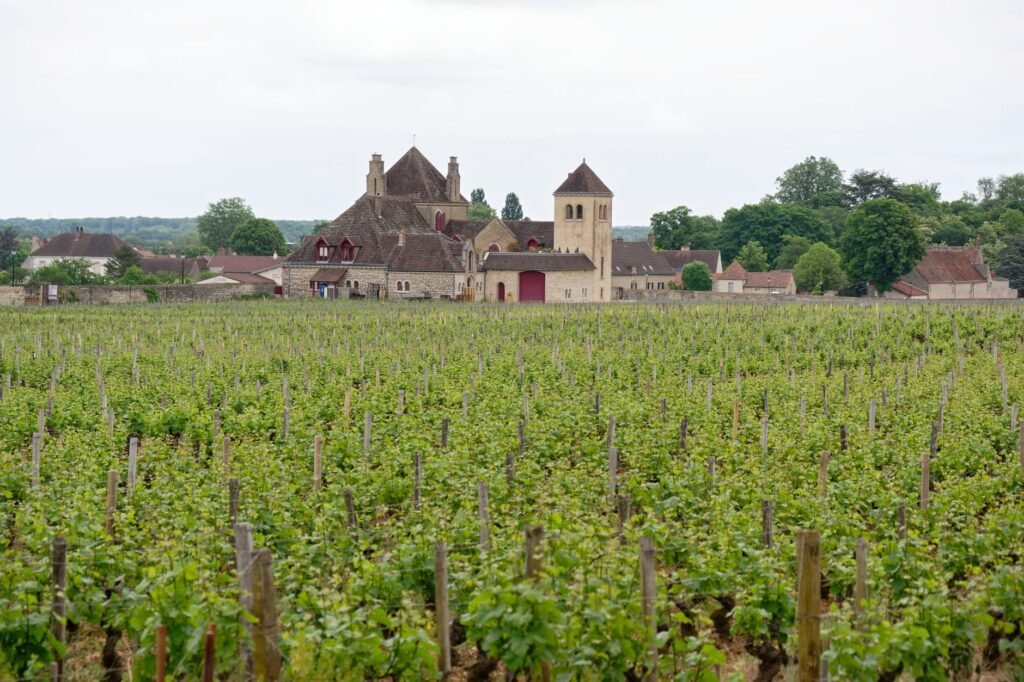
The natural beauty of Burgundy is a significant draw for visitors. The region is dotted with rolling hills, rivers, and scenic parks, making it ideal for outdoor activities. The Morvan Regional Natural Park is a highlight, offering hiking, biking, and various water activities.
In addition to the Morvan area, the Burgundy Canal presents opportunities for cycling and walking along its banks, where you can appreciate the tranquil scenery. Boating on the canal is also a popular activity, allowing you to see the region from a unique vantage point.
- Hiking Trails: Numerous marked trails range from easy walks to more challenging hikes, catering to all fitness levels.
- Wildlife Watching: The Morvan Park is home to diverse wildlife, making it an excellent spot for birdwatching and nature photography.
- Canoeing and Kayaking: Rent a canoe or kayak to explore the waterways and enjoy a peaceful day on the water.
4. Indulge in Local Cuisine
Burgundy is not only known for its wine but also for its rich culinary traditions. The region offers a variety of dishes that reflect its agricultural bounty. Try local specialties such as coq au vin, a chicken dish braised with red wine, and boeuf bourguignon, a hearty beef stew that embodies the essence of Burgundy’s flavors.
Many restaurants across the region feature seasonal ingredients sourced from local farms, making dining in Burgundy a delightful experience. For a more interactive experience, consider taking a cooking class to learn how to prepare traditional dishes.
- Local Markets: Visit markets in towns like Dijon and Beaune for fresh produce, cheeses, and other local goods.
- Food Tours: Participate in guided food tours that introduce you to various local delicacies and culinary traditions.
- Dining Recommendations: Look for bistros and brasseries that offer regional cuisine paired with local wines.
5. Attend Cultural Events and Festivals
Burgundy hosts numerous cultural events and festivals throughout the year, celebrating its heritage, gastronomy, and the arts. One notable event is the Dijon International Gastronomy Fair, attracting food lovers from around the world to sample local dishes and wines.
In addition, the Beaune Wine Auction is a must-see event for wine enthusiasts. This historic auction has been taking place for centuries and features rare wines from Burgundy’s finest vineyards, attracting collectors and connoisseurs alike.
- Music Festivals: Various music festivals occur in the summer, featuring local and international artists across genres.
- Art Exhibitions: Many towns hold exhibitions showcasing local artists and craftsmen, providing insight into the region’s creative spirit.
- Theater Productions: Check local listings for theater performances, especially in larger towns like Dijon.
6. Engage in Outdoor Activities
For those who enjoy outdoor activities, Burgundy provides ample opportunities to stay active amidst its stunning landscapes. Whether you prefer leisurely strolls, rigorous hikes, or cycling, there are plenty of options available.
Many towns and villages are connected by a network of cycling paths, making it easy to explore the region on two wheels. Bike rentals are widely available, and guided cycling tours can enhance your experience by providing local insights.
- Horse Riding: Consider horseback riding tours that allow you to venture into the countryside and enjoy the scenery from a different perspective.
- Fishing: The rivers and lakes in the region are ideal for fishing, with opportunities to catch various freshwater fish.
- Skiing: In the winter months, the Morvan region offers skiing and snowboarding options for winter sports enthusiasts.
Experience Burgundy’s Artisan Craftsmanship
Pottery and Ceramics
Burgundy is home to a rich tradition of pottery and ceramics that date back centuries. The region boasts numerous artisan workshops that welcome visitors to learn about the intricate techniques used to create beautiful, functional art pieces. In towns like Digoin and Saint-Amand-en-Puisaye, potters often offer hands-on workshops where you can try your hand at the potter’s wheel. This interactive experience not only teaches you about the craft but also allows you to create a unique souvenir to take home.
When visiting, make sure to explore the local galleries that showcase a variety of styles, from traditional earthenware to contemporary designs. Many artisans also sell their wares directly, providing an opportunity to purchase one-of-a-kind pieces that reflect the region’s aesthetic.
- Visit the Pottery Museum in Digoin to learn about the history of ceramics in the area.
- Participate in a pottery workshop to create your own handcrafted items.
- Explore local galleries for unique ceramic pieces by local artisans.
Textiles and Weaving
The textile industry in Burgundy has a storied past, particularly known for its exquisite tapestries and fabrics. The city of Mâcon is famous for its weaving workshops, where visitors can observe skilled artisans at work. These workshops often offer classes that delve into the art of weaving, allowing participants to learn about the materials and techniques involved in creating high-quality textiles.
In addition to weaving, Burgundy is also home to a vibrant fabric market scene. Markets such as the ones in Beaune and Dijon feature stalls selling locally produced fabrics, making it an excellent place for sewing enthusiasts to find unique materials. From luxurious silk to durable cottons, the variety is sure to inspire any creative project.
- Attend a weaving workshop in Mâcon to learn the craft.
- Visit local textile markets for unique fabric finds.
- Explore exhibitions on the history of textile production in Burgundy.
Handcrafted Wines and Spirits
While Burgundy is renowned for its wines, it also offers a variety of handcrafted spirits, including brandies and liqueurs. Distilleries throughout the region produce unique products that reflect local ingredients and traditional methods. For instance, many distilleries use local fruits and herbs to create distinctive flavors. Visiting these establishments often includes tasting sessions where you can sample their offerings and learn about the distillation process.
In addition to spirits, some local wineries are experimenting with unique wine blends and production techniques that push the boundaries of traditional wine-making. This innovation is creating a new wave of wines that are gaining attention from both locals and international markets.
- Visit local distilleries to sample handcrafted spirits.
- Learn about innovative wine-making techniques at local wineries.
- Participate in a tasting event to explore unique flavor profiles.
Uncover Hidden Gems: Off-the-Beaten-Path Attractions
Château de Cormatin
While many tourists flock to the grander châteaux of Burgundy, Château de Cormatin offers a quieter, yet equally fascinating experience. This Renaissance castle is known for its stunning architecture and beautifully landscaped gardens. Visitors can explore the opulent rooms filled with rich tapestries and period furniture, providing a glimpse into the lives of the nobility.
The gardens are particularly noteworthy, featuring intricate designs and a variety of plant species. Guided tours often include insights into the history of the château and its significance in the region. The peaceful surroundings make it a perfect spot for a leisurely stroll or a picnic.
- Take a guided tour to learn about the château’s history.
- Explore the gardens to appreciate the intricate landscaping.
- Bring a picnic to enjoy in the serene surroundings.
Les Hospices de Beaune
Another hidden gem is Les Hospices de Beaune, a historic hospital founded in the 15th century. This architectural marvel is renowned for its stunning polychrome roof tiles and its role in the region’s healthcare history. Today, it serves as a museum, showcasing art and artifacts related to its past while also hosting the famous wine auction each November.
Visitors can take a guided tour to learn about the hospital’s history and its significance in providing care for the poor. The museum’s art collection includes works by notable artists, offering a cultural experience alongside the historical narrative.
- Visit during the annual wine auction for a unique experience.
- Explore the museum to learn about the history of healthcare in Burgundy.
- Admire the stunning architecture and art within the complex.
Rural Villages and Vineyards
Burgundy is dotted with charming rural villages that are often overlooked by mainstream tourism. Places like Meursault, Chablis, and Nuits-Saint-Georges offer a glimpse into the region’s pastoral life, complete with quaint streets, local markets, and friendly residents. These villages often have their own unique wine production that reflects the local terroir, making them ideal for wine enthusiasts seeking to experience local varieties.
Moreover, many of these villages host small-scale wine producers who are eager to share their craft. Visits often include personal tours of the vineyards and tastings that highlight the distinct characteristics of their wines.
- Explore the vineyards for unique local wine tastings.
- Wander the quaint streets of charming rural villages.
- Engage with local wine producers for an intimate experience.
Engage with Local Traditions and Heritage
Traditional Markets
Visiting local markets is a fantastic way to immerse yourself in the culture of Burgundy. Markets in cities like Dijon and Beaune offer a lively atmosphere filled with the sights, sounds, and tastes of the region. These markets typically feature local produce, cheeses, meats, and crafts, allowing you to interact with local vendors and learn about their products.
Many markets also host seasonal events that showcase local traditions and foods. Participating in these events can provide deeper insight into Burgundian culture, from culinary practices to artisanal craftsmanship.
- Visit local markets for fresh produce and artisanal goods.
- Participate in seasonal market events to experience local traditions.
- Engage with vendors to learn about their products and stories.
Religious Heritage Sites
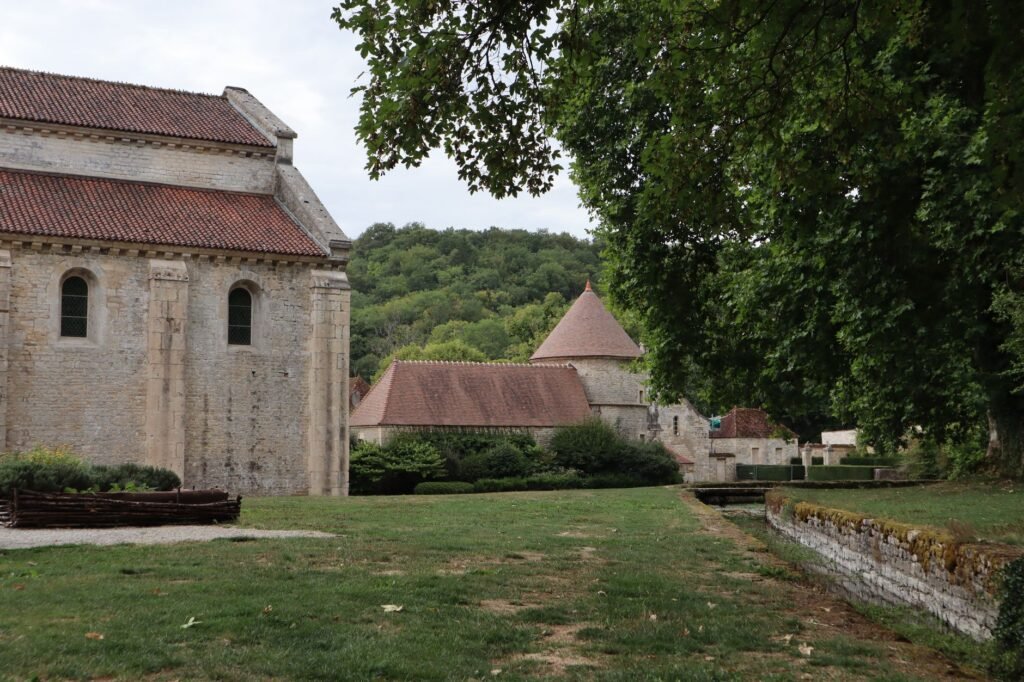
Burgundy’s religious heritage is evident in its numerous abbeys and churches, many of which are architectural masterpieces. The Abbey of Fontenay, a UNESCO World Heritage site, is one of the oldest Cistercian abbeys in France and offers insights into monastic life and architecture. Visitors can explore the tranquil grounds and learn about the history of the Cistercian order.
In addition to Fontenay, other sites like the Basilica of Saint-Philibert in Tournus showcase incredible Romanesque architecture and are often less crowded than more popular tourist attractions. These sites provide a serene environment for reflection and appreciation of the region’s spiritual heritage.
- Explore the Abbey of Fontenay for its historical significance.
- Visit local churches for their architectural beauty.
- Participate in guided tours to learn about the religious heritage.
Traditional Crafts and Workshops
Engaging with local artisans through workshops can offer a unique perspective on Burgundy’s cultural heritage. Many artists, from glassblowers to leatherworkers, invite visitors to participate in their craft. These workshops often provide hands-on experiences, allowing you to create your own piece of art while learning about the techniques and materials used.
In towns like Dijon, you can find workshops focused on traditional crafts that have been passed down through generations. This not only supports local artisans but also enriches your travel experience with meaningful interactions and learning opportunities.
- Participate in workshops to learn traditional crafts.
- Support local artisans by purchasing handmade goods.
- Engage in meaningful cultural exchanges with local craftsmen.
Frequently Asked Questions
What is the best time to visit Burgundy?
The best times to visit Burgundy are in spring (April to June) and autumn (September to October) when the weather is mild and the vineyards are in full bloom or harvest.
How do I get around Burgundy?
Public transport, including trains and buses, is available, but renting a car or bike offers the most flexibility for exploring the region.
Are there English-speaking tours available?
Yes, many guided tours in Burgundy offer English-speaking guides to help international visitors understand the local culture and history.
What local dishes should I try in Burgundy?
Must-try dishes include coq au vin, boeuf bourguignon, and escargots de Bourgogne (snails prepared with garlic and parsley).
The Bottom Line
Burgundy is a treasure trove of experiences waiting to be discovered. From wine tasting in lush vineyards to exploring historical sites and indulging in local cuisine, the region offers a rich tapestry of culture and adventure. By prioritizing these top things to do in Burgundy, travelers can create lasting memories in one of France’s most captivating regions.