Key Takeaways
- Explore iconic museums and cultural sites.
- Enjoy outdoor activities in stunning parks.
- Experience the vibrant nightlife and dining scene.
- Plan visits to historical landmarks and modern attractions.
Oslo, the capital of Norway, is a city that beautifully merges history with modernity. Nestled between the Oslofjord and forests, it offers a unique blend of cultural attractions, stunning natural landscapes, and vibrant neighborhoods. Whether you are an art enthusiast, a history buff, or an outdoor lover, Oslo has something to captivate every traveler.
This guide explores the top things to do in Oslo, ensuring you make the most of your visit. From world-class museums to picturesque parks, and an exciting dining scene, you’ll find a wealth of experiences waiting to be discovered. Let’s dive into the must-see attractions and activities that define this remarkable city.
Cultural Landmarks
Vigeland Park
Vigeland Park, part of the larger Frogner Park, is an open-air sculpture park that features over 200 works by the artist Gustav Vigeland. The park is a perfect place for leisurely strolls and offers a unique insight into human emotions through art. The centerpiece is the Monolith, a 14-meter tall sculpture made from 121 human figures intertwined in a single piece of stone.
Visitors can explore the park year-round, with each season presenting a unique scene. In spring, the cherry blossoms create a beautiful backdrop, while winter offers a serene, snow-covered landscape. It is also a family-friendly location, where children can play and families can picnic amidst the artistic scenery.
For those interested in art history, the park includes a visitor center with exhibitions detailing Vigeland’s life and work. Make sure to set aside at least an hour to fully appreciate the various sculptures and the stunning gardens.
The Oslo Opera House
The Oslo Opera House is an architectural marvel that has become a symbol of the city. Completed in 2007, its striking design resembles an iceberg rising from the water. Visitors can walk up the roof for panoramic views of the Oslofjord and the city skyline, making it a popular spot for both locals and tourists alike.
The Opera House hosts a variety of performances, from operas and ballets to concerts. If you’re interested in attending a show, it’s advisable to check the schedule in advance and book tickets early, as popular performances can sell out quickly.
Even if you don’t attend a performance, the building itself is worth a visit. Guided tours are available, offering insights into the fascinating world of opera and the architectural design of the building.
Akershus Fortress
Dating back to the late 13th century, Akershus Fortress is a medieval castle that offers a glimpse into Norway’s history. The fortress complex includes a castle, military museum, and beautiful views of the Oslo waterfront. It’s an ideal place for history enthusiasts and offers guided tours that delve into its storied past.
Strolling through the fortress grounds, you can explore the various buildings and learn about their historical significance. The grounds are also perfect for a picnic or simply enjoying the serene surroundings. Be sure to check out the changing of the guard ceremony that takes place daily at noon.
Outdoor Activities
Oslofjord Tours
Exploring the Oslofjord is a must for any visitor. The fjord is dotted with islands, each offering unique experiences, such as beaches, hiking trails, and quaint villages. You can take a ferry from the city center to islands like Hovedøya, known for its historic ruins and beautiful beaches.
During the summer months, boat tours and kayaking are popular activities. These allow visitors to explore the fjord’s serene waters while enjoying the stunning coastal landscape. Various companies offer guided tours, making it easy to find an option that suits your schedule and interests.
For those who prefer to stay on land, the waterfront promenade is a fantastic place for walking or cycling. The path connects many of Oslo’s key attractions, allowing for a scenic and active exploration of the city.
Hiking in Nordmarka
Nordmarka is a vast forested area just north of the city, offering a range of hiking trails suitable for all skill levels. The area is easily accessible via the metro, with several stations providing entry points to the trails. Whether you’re looking for a short walk or a full-day hike, Nordmarka has something for everyone.
During the summer, the trails offer lush greenery and beautiful views, while winter transforms the area into a snowy wonderland perfect for skiing and snowshoeing. Along the trails, you’ll find picturesque lakes where you can take a break and enjoy a snack or picnic.
Always check the weather and trail conditions before heading out, and it’s advisable to carry a map or use a navigation app to ensure you stay on track.
Frogner Park
Adjacent to Vigeland Park, Frogner Park is the largest park in Oslo and offers expansive green spaces perfect for relaxation and leisure activities. The park is home to numerous flowerbeds, walking paths, and even outdoor sports facilities. It’s an excellent spot for families and those looking to unwind amidst nature.
In the summer, the park bustles with life as locals and tourists alike enjoy picnics, jogging, and outdoor games. The beautiful rose garden is particularly popular among visitors. There are also several cafés where you can grab a coffee or light meal.
For culture enthusiasts, the Norwegian Museum of Cultural History is located nearby, showcasing Norwegian history and traditional architecture in an open-air setting.

Dining and Nightlife
Oslo’s Food Scene
Oslo has a thriving culinary scene that reflects Norway’s rich maritime heritage and local produce. From traditional Norwegian dishes to modern fusion cuisine, there’s something to please every palate. Start your culinary journey at the Mathallen Food Hall, where you can sample a variety of local delicacies, including seafood, cured meats, and artisan cheeses.
For a truly authentic experience, consider dining at a traditional restaurant such as Lofoten Fiskerestaurant, where you can enjoy fresh fish dishes with stunning views of the harbor. Alternatively, if you’re looking for a more modern dining experience, restaurants like Statholdergaarden offer gourmet meals prepared with locally sourced ingredients.
Street food is also gaining popularity, with vendors offering everything from gourmet hot dogs to vegan options. Exploring Oslo’s food scene is not just about eating; it’s a chance to experience the city’s culture and community.
Bars and Nightclubs
Oslo’s nightlife is vibrant and diverse, catering to a wide range of tastes. The Grünerløkka neighborhood is known for its hip bars and laid-back vibe, making it a perfect spot for a casual night out. Popular bars like Bølgen & Moi and Bodegaen offer a relaxed atmosphere for enjoying cocktails and local beers.
If you’re in the mood for dancing, head to clubs like The Villa or Blå, which feature a variety of music genres and vibrant atmospheres. Many clubs host live music events, ensuring there’s always something happening.
Regardless of your preferences, Oslo’s nightlife offers something for everyone, whether you want a quiet drink or an energetic night of dancing.
Shopping and Local Markets
Aker Brygge and Tjuvholmen
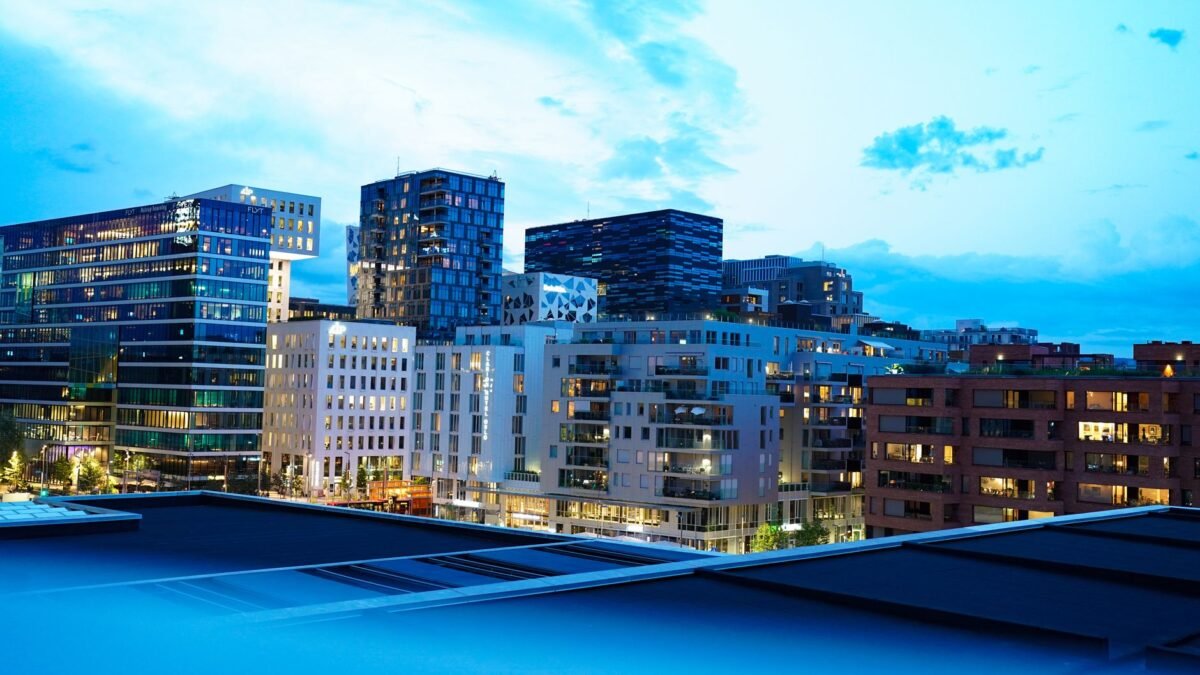
Aker Brygge and Tjuvholmen are two of Oslo’s most popular waterfront districts, known for their shopping, dining, and art galleries. Here, you can find a mix of high-end boutiques and unique local shops selling everything from fashion to home décor. It’s an excellent place to pick up souvenirs or gifts for loved ones back home.
In the summer, the area buzzes with activity as locals and tourists enjoy dining al fresco along the waterfront. The views of the fjord and the Oslo skyline provide a stunning backdrop for a leisurely day of shopping and dining.
Don’t miss the Astrup Fearnley Museum of Modern Art, located in Tjuvholmen, which showcases contemporary art in a striking architectural setting.
Oslo City Shopping
The city center of Oslo offers a range of shopping experiences, from high-street brands to local designers. Karl Johans gate, the main street, is lined with shops and cafes, making it a convenient place to shop while exploring the city. Here, you can find everything from Norwegian wool products to fashion and electronics.
For those seeking unique, handcrafted items, the local markets such as the Grünerløkka Market are worth a visit. These markets often feature local artisans and food vendors, providing a delightful shopping experience.
Shopping in Oslo is not just about buying; it’s also about experiencing the local culture and supporting local businesses.

Art and Museums Beyond the Mainstream
Exploring the Astrup Fearnley Museum
The Astrup Fearnley Museum is a contemporary art museum located along the scenic waterfront of Oslo. Designed by renowned architect Renzo Piano, the museum showcases a remarkable collection of modern art, featuring both Norwegian and international artists. The building itself is a work of art, with its striking glass and wooden structures that reflect the beauty of the surrounding area.
Inside, visitors can explore rotating exhibitions that often include installations, photography, and multimedia works. The museum also hosts educational programs and workshops, making it a vibrant hub for art enthusiasts and the general public alike. One of the highlights of visiting the Astrup Fearnley Museum is the outdoor sculpture park, which features pieces from prominent artists such as Jeff Koons and Damien Hirst.
The Vigeland Park: A Sculptural Journey
Vigeland Park, part of the larger Frogner Park, is home to over 200 sculptures created by artist Gustav Vigeland. This unique outdoor gallery is the largest of its kind in the world, showcasing human emotions and relationships in various forms. Visitors can stroll through the park, taking in the beautifully crafted sculptures, which range from playful to poignant.
- The Monolith: A towering sculpture made of 121 human figures, symbolizing the cycle of life.
- The Wheel of Life: A circular sculpture that represents the journey from birth to death.
- Angry Boy: A well-known statue that captures the essence of childhood angst.
Vigeland Park is not just a place for art; it also offers serene walking paths and areas for relaxation, making it a perfect escape from the city’s hustle and bustle.
Cultural Festivals and Events
Oslo Jazz Festival
The Oslo Jazz Festival is an annual event that attracts jazz enthusiasts from around the globe. Held every August, this festival features a diverse lineup of local and international artists performing in various venues throughout the city. From intimate club settings to large concert halls, the Oslo Jazz Festival showcases a wide range of jazz styles, including traditional, contemporary, and experimental.
Attendees can expect to enjoy not only concerts but also workshops and discussions led by industry professionals, providing a deeper understanding of the jazz genre. For those looking to immerse themselves in the local music scene, this festival is a must-visit.
Oslo Medieval Festival
Transport yourself back in time at the Oslo Medieval Festival, which takes place each summer in the heart of the city. This lively event celebrates the history and culture of medieval Oslo, featuring knights in armor, traditional crafts, and live performances. Visitors can engage in various activities, including archery, sword fighting demonstrations, and medieval games.
- Traditional food stalls offering local delicacies.
- Craftsmanship displays showcasing skills such as blacksmithing and pottery.
- Live music and dance performances that highlight the medieval period.
The festival not only provides entertainment but also educates attendees about the rich history of Oslo, making it an enriching experience for all ages.

Day Trips from Oslo
Visit the Historical Town of Drøbak
Just a short drive or ferry ride from Oslo lies the charming coastal town of Drøbak. Known for its picturesque wooden houses and vibrant harbor, Drøbak is a delightful day trip destination. Visitors can explore the quaint streets filled with shops, galleries, and cafes, all while enjoying views of the Oslo Fjord.
One of the main attractions in Drøbak is the Oscarshall, a neoclassical royal villa that offers guided tours showcasing its stunning interiors and beautiful gardens. The town is also famous for its Christmas market, which attracts visitors during the holiday season with its festive atmosphere and local crafts.
Experience the Natural Beauty of Nordmarka
For those looking to escape the city and immerse themselves in nature, a trip to Nordmarka is highly recommended. This vast forested area offers an array of outdoor activities, including hiking, biking, and swimming in the many lakes scattered throughout the region. The trails range from easy walks to more challenging hikes, catering to all skill levels.
- Popular lakes to visit include Sognsvann and Maridalsvannet, perfect for a refreshing swim.
- Numerous trails, such as the Båntjern trail, provide stunning views and opportunities for photography.
- Winter sports like cross-country skiing and snowshoeing are available during the colder months.
Nordmarka is easily accessible from Oslo, making it a perfect option for a quick getaway into nature.
Frequently Asked Questions
What is the best time to visit Oslo?
The best time to visit Oslo is during the summer months (June to August) when the weather is warm, and outdoor activities are plentiful. However, winter (December to February) offers unique experiences such as skiing and holiday markets.
How do I get around Oslo?
Oslo has an efficient public transportation system that includes buses, trams, and metro services. A single ticket allows you to travel across different modes of transport, making it easy to explore the city. Biking is also popular, with rental services available throughout the city.
Are there family-friendly activities in Oslo?
Yes, Oslo offers numerous family-friendly activities, including visiting the Oslo Zoo, exploring the Norwegian Museum of Cultural History, and enjoying outdoor activities in the parks. Many attractions also offer discounted rates for children.
What should I try to eat in Oslo?
When in Oslo, be sure to try traditional Norwegian dishes like rakfisk (fermented fish), klippfisk (dried fish), and fresh seafood. Local specialties such as brown cheese and reindeer meat are also worth sampling.
The Bottom Line
Oslo is a city rich in culture, history, and natural beauty. From iconic landmarks and stunning parks to a vibrant dining scene and lively nightlife, there are countless things to do in Oslo that cater to a variety of interests. Whether you are exploring the artistic wonders of Vigeland Park or enjoying the views from the Opera House, your visit to Oslo promises to be memorable.