Key Takeaways
- Salzburg is rich in music history and culture.
- Understanding local transportation is crucial for getting around.
- Local cuisine offers unique dishes worth trying.
- Be mindful of seasonal weather variations.
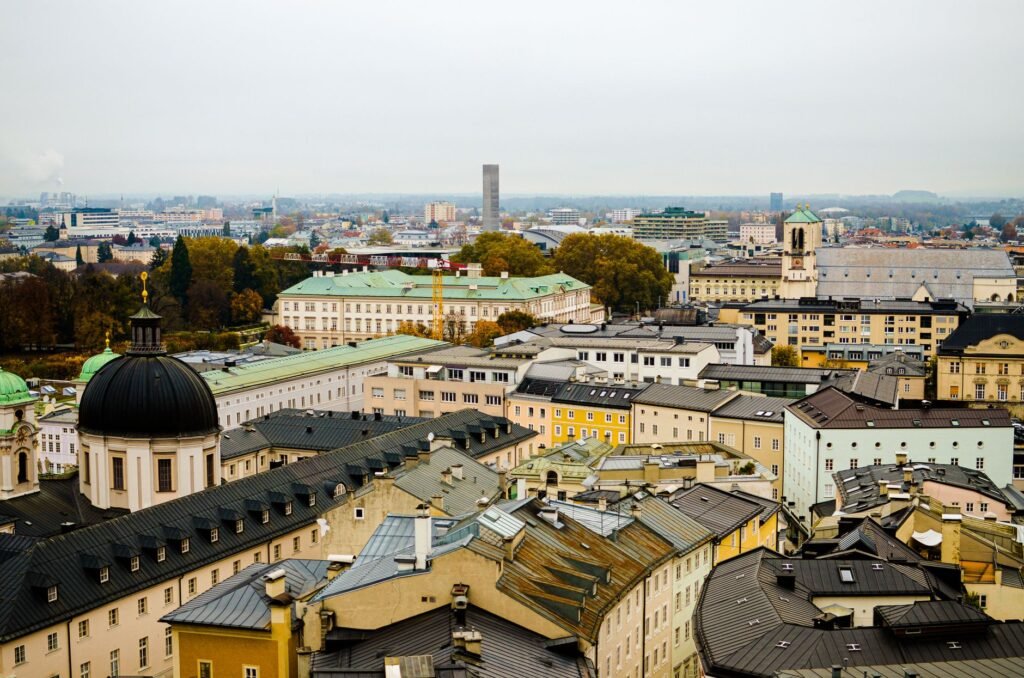
Salzburg, a picturesque city nestled in the heart of Austria, is renowned for its stunning architecture, rich history, and vibrant cultural scene. As the birthplace of Mozart and the backdrop for the classic film ‘The Sound of Music,’ it attracts millions of visitors each year. However, before packing your bags and heading to this enchanting destination, there are several important things to know that can enhance your travel experience.
From understanding local customs to knowing the best times to visit, this comprehensive guide will provide practical insights that will help you navigate your journey to Salzburg smoothly. Whether you’re planning a short visit or an extended stay, being informed will allow you to immerse yourself fully in the unique atmosphere of this Austrian gem.
In this article, we will cover essential tips on transportation, local cuisine, cultural etiquette, seasonal considerations, and much more. By the end, you’ll be well-prepared to make the most of your trip to Salzburg.
Getting There and Around
Traveling to Salzburg can be an enjoyable experience, especially with its well-connected transportation options. The city is easily accessible by air, train, and road, making it a convenient stop for travelers exploring Europe.
Salzburg Airport (SZG) is the main international airport and is located just a few kilometers from the city center. Several airlines operate flights to and from major European cities. Upon arrival, travelers can take a taxi or the bus service to reach the city center quickly.
For those preferring a scenic route, train travel is a popular option. The Austrian Federal Railways (ÖBB) offer efficient train services from various cities, including Vienna, Munich, and Innsbruck. The train station is conveniently located near the center, allowing easy access to accommodations and attractions.
Public Transportation
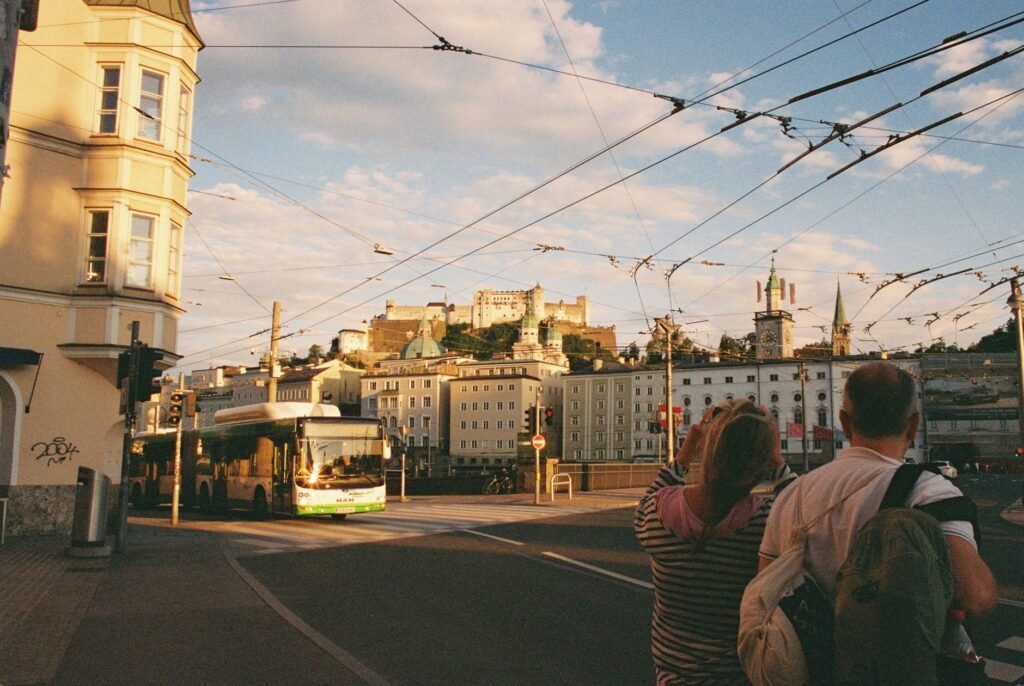
Once in Salzburg, public transportation is reliable and user-friendly. The city boasts an extensive network of buses and trams that connect key areas, making it easy to explore without a car. Purchasing a Salzburg Card can provide unlimited travel on public transport and discounts on various attractions.
- Buses: Operate frequently and cover most parts of the city.
- Trams: Connect major districts, with a scenic route through the old town.
- Walking: The compact size of Salzburg makes walking a pleasant option, especially in the historic districts.
Local Currency and Payments
Austria uses the Euro (€), and it is essential to have some cash for small purchases, especially in markets or local shops that may not accept credit cards. ATMs are widely available, and most establishments accept major credit cards. However, it’s wise to inform your bank of your travel plans to avoid any issues with card usage abroad.
When it comes to tipping, it is customary to round up the bill in restaurants or add about 10% for good service. In cafés, leaving small change is appreciated. Understanding these nuances can help foster good relations with locals and enhance your overall experience.
Currency Exchange Tips
To avoid unfavorable exchange rates, consider these tips:
- Use ATMs: They typically offer better rates than currency exchange offices.
- Avoid airport exchanges: They often charge higher fees and offer lower rates.
- Local banks: Check with local branches for good exchange rates.
Cultural Etiquette and Local Customs
Understanding local customs and etiquette is crucial for any traveler. Austrians are known for their politeness and formality, particularly in social settings. Greeting someone with a firm handshake and maintaining eye contact is common practice. Using titles such as ‘Herr’ (Mr.) or ‘Frau’ (Mrs.) followed by the surname shows respect.
When dining, it’s polite to wait for everyone at the table to be served before starting your meal. Additionally, saying ‘Guten Appetit’ before eating and ‘Danke’ after the meal are appreciated gestures.
Dress Code
While Salzburg is generally casual, certain venues, especially fine dining establishments and cultural events, may have a dress code. Here are some guidelines:
- Casual Wear: Suitable for day-to-day activities and sightseeing.
- Smart Casual: Recommended for dining out and cultural events.
- Formal Attire: Required for operas, concerts, and upscale restaurants.
Must-Try Local Cuisine
Salzburg offers a variety of culinary delights that reflect its Austrian heritage. Traditional dishes often feature hearty ingredients, and local specialties are a must-try for any food enthusiast. Here are some iconic dishes to sample during your visit:
- Wiener Schnitzel: A breaded and fried veal cutlet, often served with potato salad.
- Salzburger Nockerl: A sweet soufflé dessert that is light and fluffy, perfect for sharing.
- Apfelstrudel: A classic apple pastry, usually served warm with vanilla sauce.
In addition to these local favorites, Salzburg also has a burgeoning food scene with cafes and restaurants offering contemporary interpretations of traditional dishes. Exploring local markets and street food can provide a unique taste of the region’s culinary diversity.
Dining Tips
To make the most of your dining experience, consider the following tips:
- Reservations: Recommended for popular restaurants, especially during peak tourist seasons.
- Lunch Specials: Many eateries offer affordable lunch menus, allowing you to enjoy local cuisine without breaking the bank.
- Local Beverages: Don’t miss trying Austrian wines or local beers, which pair perfectly with traditional dishes.
Seasonal Considerations
Salzburg experiences a range of seasons, each offering unique opportunities for visitors. Understanding the seasonal climate can help you pack appropriately and plan activities effectively.
Spring (March to May) brings mild weather and blooming flowers, making it an ideal time for outdoor activities and sightseeing. Summer (June to August) is warm and bustling with tourists, with numerous festivals and events taking place.
Autumn (September to November) offers beautiful foliage and harvest festivals, while winter (December to February) transforms the city into a winter wonderland, renowned for its Christmas markets and holiday spirit.
What to Pack
Depending on the season, here’s a quick packing guide:
- Spring & Summer: Light layers, comfortable walking shoes, and a light jacket for cooler evenings.
- Autumn: Layered clothing, a warm jacket, and waterproof shoes for possible rain.
- Winter: Heavy coats, thermal wear, gloves, and sturdy boots for snow.
Safety Tips and Health Precautions
Salzburg is generally a safe city for travelers. However, it’s always prudent to take standard precautions. Petty crimes, such as pickpocketing, can occur in crowded areas. Keep your belongings secure and be aware of your surroundings.
When it comes to health, make sure to have travel insurance that covers medical expenses. European healthcare is of high quality, but costs can add up quickly for non-residents. Always carry any necessary medications, as pharmacies may have limited stock of specific brands.
Emergency Numbers
Familiarize yourself with local emergency numbers:
- Police: 133
- Ambulance: 144
- Fire Department: 122
Understanding Salzburg’s Public Transport System
Types of Public Transport
Salzburg boasts an efficient public transportation system that includes buses, trams, and funiculars. The bus network is extensive, connecting key sites such as the airport, train station, and popular tourist attractions. The local trams, while limited in number, offer a scenic route through the city center. Additionally, the Untersberg cable car provides stunning views of the surrounding mountains, enhancing your travel experience.
Tickets and Fares
Tickets for public transport can be purchased from vending machines at bus and tram stops, as well as at the airport. Single tickets are valid for one journey, while day passes allow unlimited travel within a specified duration. It’s advisable to familiarize yourself with the fare zones, as costs may vary based on your travel distances. Here’s a quick list of common ticket options:
- Single Ticket: Valid for one journey.
- Day Pass: Unlimited travel for one day.
- Multi-Day Pass: Available for 3, 7, or 14 days for frequent travelers.
Tips for Using Public Transport
When using public transport in Salzburg, always validate your ticket before boarding. This can prevent fines and ensure a smooth travel experience. It’s also beneficial to download the official public transport app, which provides real-time updates on schedules and routes. For tourists, consider traveling during off-peak hours to avoid crowded buses and trams, allowing you to take in the beautiful scenery along the way.
Exploring Salzburg’s Cultural Landmarks
Historic Sites and Museums
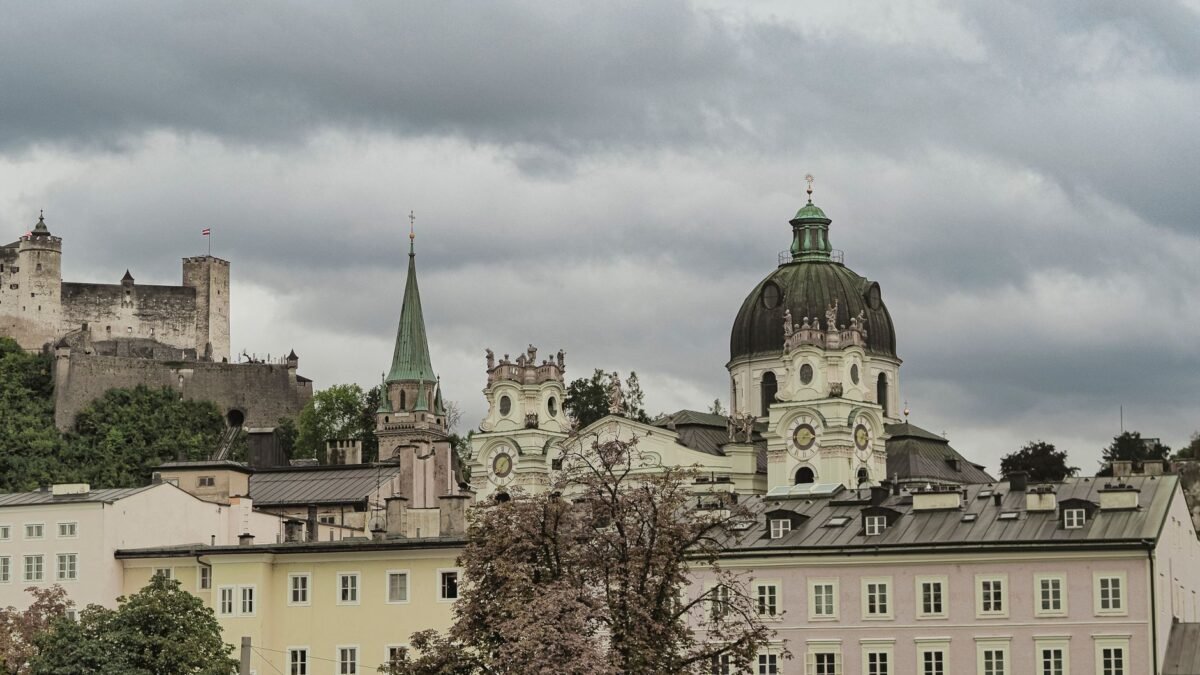
Salzburg is rich in history, with numerous cultural landmarks that reflect its storied past. The Hohensalzburg Fortress, perched atop the Festungsberg hill, is a must-visit. This impressive structure dates back to the 11th century and offers panoramic views of the city. Inside, visitors can explore the medieval architecture and learn about the fortress’s history through interactive exhibits.
Another notable site is the Salzburg Museum, which showcases the city’s art, culture, and history. The museum’s exhibits cover everything from the Baroque period to contemporary art, providing a comprehensive overview of Salzburg’s evolution. Don’t miss the Residenz, home to the former archbishops of Salzburg, featuring beautiful rooms and an impressive art collection.
Architectural Highlights
The architecture in Salzburg ranges from Baroque to modern styles, presenting a feast for the eyes. The Mirabell Palace and Gardens are a prime example of Baroque architecture and offer a lovely place to stroll. The gardens are meticulously maintained, featuring beautiful floral displays and sculptures. The palace itself houses the Marble Hall, known for its stunning acoustics and ornate decor, often used for concerts.
Art and Festivals
Salzburg is renowned for its cultural festivals, particularly the Salzburg Festival, which celebrates opera, drama, and classical music. This event attracts artists and audiences from around the world, providing a unique opportunity to experience performances in historic venues. Additionally, the city hosts various art exhibitions throughout the year, showcasing local and international artists. Visitors should take advantage of these events to immerse themselves in Salzburg’s vibrant cultural scene.
Outdoor Activities and Nature Exploration
Nature Parks and Hiking Trails
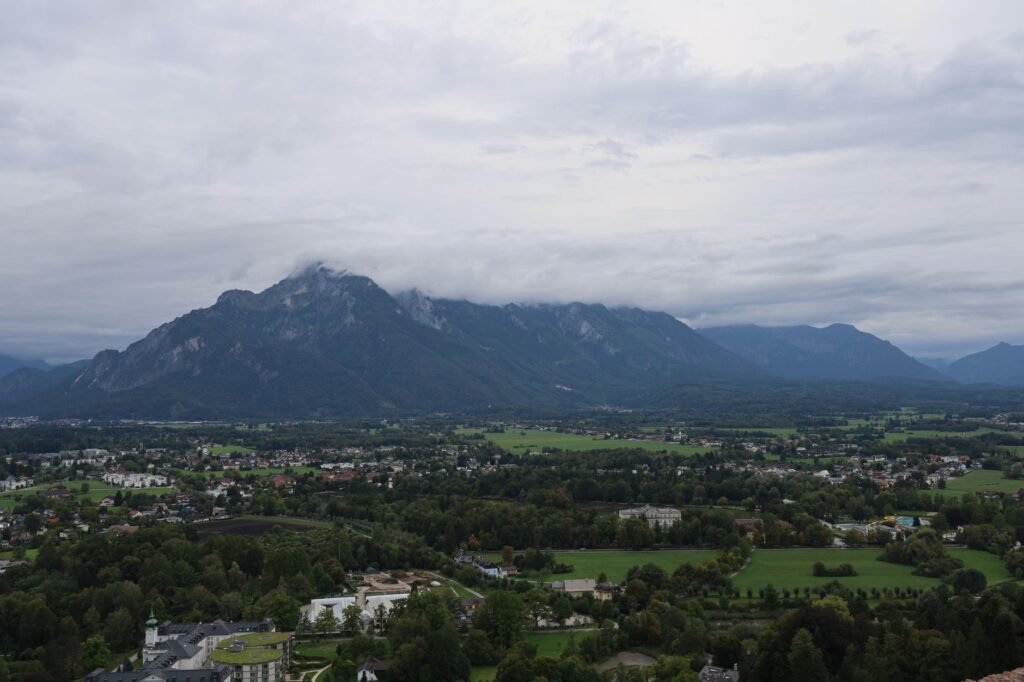
Salzburg is surrounded by stunning natural landscapes, making it an ideal destination for outdoor enthusiasts. The Untersberg Nature Park offers numerous hiking trails suitable for all skill levels. Routes vary from leisurely walks to challenging climbs, with many paths leading to breathtaking viewpoints. The park is home to diverse flora and fauna, providing excellent opportunities for nature photography.
Day Trips to the Surrounding Areas
Consider taking a day trip to explore the picturesque lakes and mountains surrounding Salzburg. Lake Wolfgang is a popular destination, known for its crystal-clear waters and charming villages. Visitors can enjoy activities such as swimming, sailing, or hiking around the lake. Another excellent option is a trip to the Salzkammergut region, famous for its stunning alpine scenery and numerous hiking trails.
Seasonal Outdoor Activities
Depending on the time of year, Salzburg offers various outdoor activities. In winter, skiing and snowboarding enthusiasts can head to nearby resorts like Flachau and Schladming. These areas provide well-groomed slopes for all levels, as well as opportunities for snowshoeing and winter hiking. In the warmer months, cycling is a popular way to explore the countryside, with dedicated bike paths leading to beautiful scenic routes.
- Summer: Hiking, cycling, and swimming.
- Winter: Skiing, snowboarding, and snowshoeing.
- Year-round: Nature walks and photography.
Frequently Asked Questions
What is the best time to visit Salzburg?
The best time to visit Salzburg is during spring (March to May) and autumn (September to November) when the weather is mild, and the tourist crowds are smaller.
How can I get around Salzburg?
Public transportation, including buses and trams, is efficient and easy to use. The compact size of the city also makes walking a great option.
Do I need a visa to visit Austria?
Visa requirements vary by nationality. Many travelers from EU countries and several other nations can enter Austria without a visa for short stays. Check local regulations for specifics based on your nationality.
Is Salzburg expensive to visit?
Salzburg can be moderately priced. While accommodations and dining can vary, it is possible to find budget-friendly options, especially if you dine at local markets or casual eateries.
The Bottom Line
Traveling to Salzburg can be a delightful experience filled with rich culture, beautiful landscapes, and delicious food. By understanding local customs, navigating public transportation, and being mindful of seasonal variations, you can enhance your visit. With this guide, you are now equipped with the essential things to know before traveling to Salzburg, ensuring a memorable journey in this charming Austrian city.