Key Takeaways
- Visit the Royal Palace and Silver Pagoda for royal history.
- Explore the somber history at the Killing Fields.
- Experience local life at the Central Market.
- Enjoy the riverside promenade for relaxation and dining.
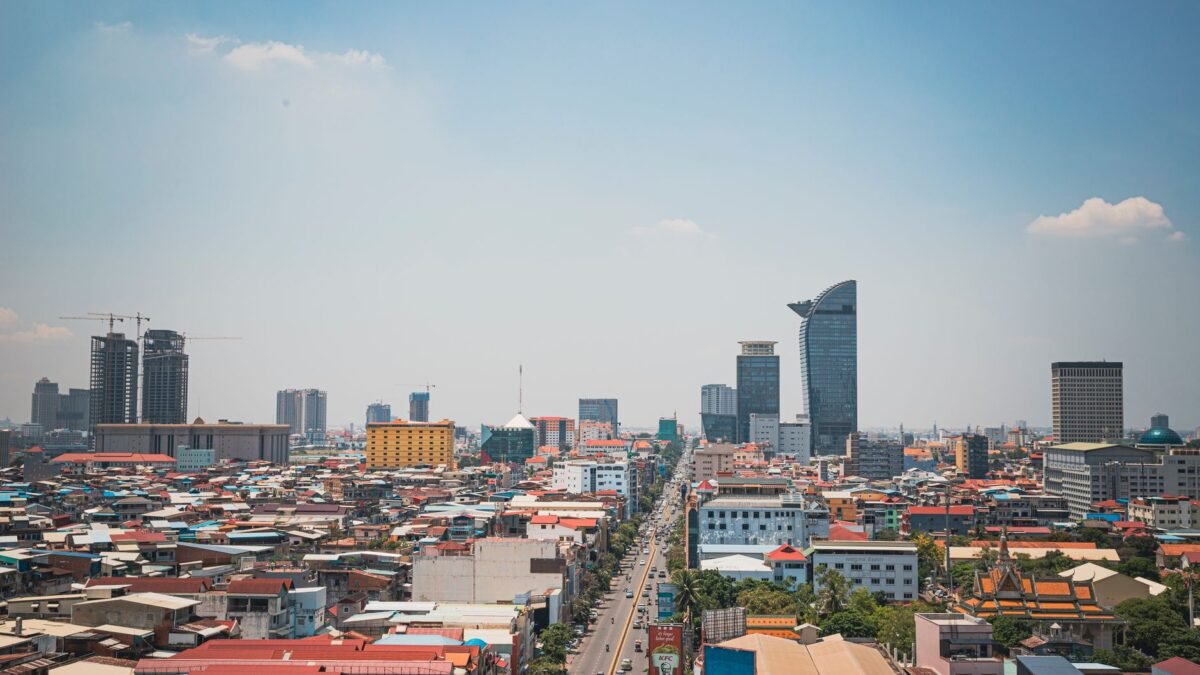
Phnom Penh, the capital of Cambodia, is a vibrant city that blends rich history with modern life. As one of the fastest-growing cities in Southeast Asia, it offers an array of attractions that cater to various interests. From historical sites that reflect the country’s tumultuous past to bustling markets and lively riverside promenades, there are countless experiences to enjoy. This guide will explore the top things to do in Phnom Penh, ensuring you make the most of your visit to this captivating city.
As you navigate through the streets of Phnom Penh, you’ll discover a city that has risen from the ashes of its past. The Khmer Rouge regime left a deep scar on the nation, but today, Phnom Penh stands as a testament to resilience and hope. In this guide, we aim to provide you with practical tips and insights into the best experiences the city has to offer, allowing you to immerse yourself in its culture and history.
Whether you’re a history buff, a foodie, or someone looking to relax by the riverside, this guide will highlight the essentials. Let’s explore the top attractions and activities in Phnom Penh that will enrich your travel experience.
Visit the Royal Palace and Silver Pagoda
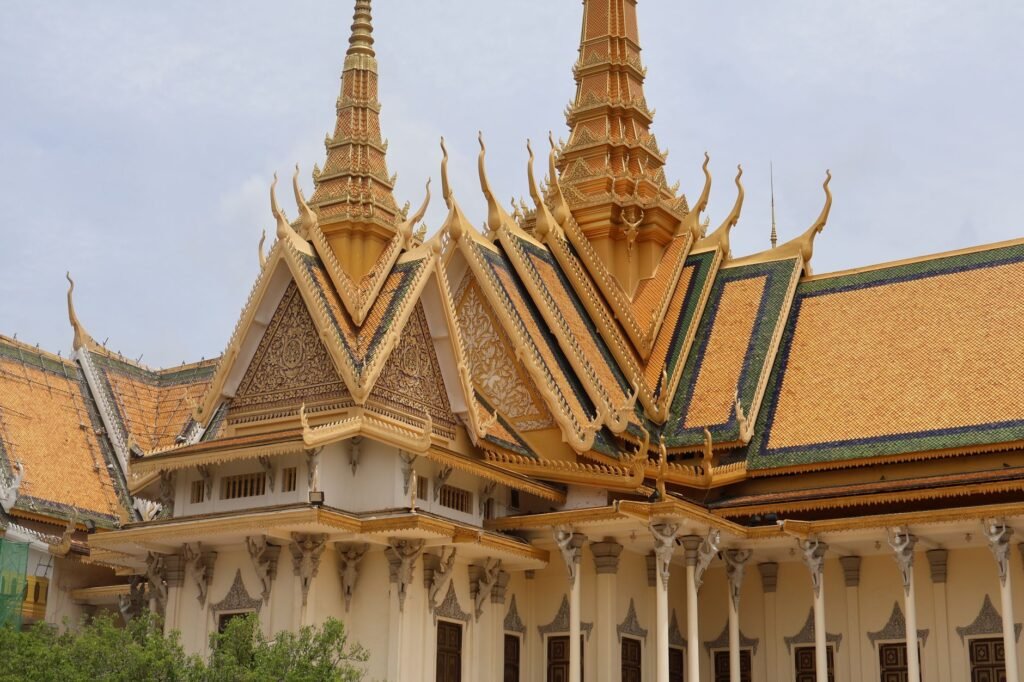
The Royal Palace is an iconic symbol of Phnom Penh, showcasing stunning Khmer architecture and lush gardens. It serves as the residence of the King of Cambodia and is open to the public, allowing visitors to explore its grandeur. The palace features numerous buildings, each representing a unique aspect of Cambodian culture and history.
One of the highlights of the Royal Palace is the Silver Pagoda, also known as Wat Preah Keo. This exquisite temple houses a remarkable collection of Buddhist artifacts, including a solid gold Buddha adorned with thousands of diamonds. The floors are covered with over 5,000 silver tiles, giving the pagoda its name. Visitors can take guided tours to learn more about the significance of these treasures and the history of the monarchy.
When visiting the Royal Palace, it’s essential to dress modestly, covering shoulders and knees, as a sign of respect. Photography is allowed in most areas, but always check for signs indicating where it is prohibited. Plan to spend at least a couple of hours exploring this magnificent site.
Explore the Killing Fields
The Killing Fields of Choeung Ek are a sobering reminder of Cambodia’s tragic history during the Khmer Rouge regime. Located about 15 kilometers from the city center, this memorial site is dedicated to the victims of the genocide. Visitors can take guided tours to understand the harrowing events that took place at this site.
The site features a stupa adorned with the skulls of over 8,000 victims, serving as a poignant memorial to those who lost their lives. The audio guide, available in multiple languages, provides detailed accounts of the atrocities and personal stories, making the experience deeply moving and educational.
While the visit can be emotionally challenging, it is a vital part of understanding Cambodia’s history. Allocate a few hours for this visit and consider combining it with a trip to the Tuol Sleng Genocide Museum, which is another important site that sheds light on the horrors of the Khmer Rouge.
Wander Through the Central Market
The Central Market, or Phsar Thmei, is a bustling hub of activity and a great place to experience local life. This Art Deco building, with its distinctive yellow dome, is one of the city’s most recognized landmarks. Inside, you’ll find a maze of stalls selling everything from fresh produce and spices to clothing, jewelry, and souvenirs.
- Fresh Produce: The market is filled with vendors selling fresh fruits, vegetables, and meats. It’s a great opportunity to sample local delicacies.
- Handicrafts: Look for unique handicrafts and souvenirs, including traditional Cambodian silk and silver jewelry.
- Street Food: Don’t miss the chance to try street food from various stalls. Popular options include noodle dishes, grilled meats, and tropical fruits.
Visiting the Central Market is not just about shopping; it’s about experiencing the vibrant atmosphere and interacting with locals. Make sure to bargain for the best prices, as haggling is part of the shopping culture here.
Relax at the Riverside Promenade
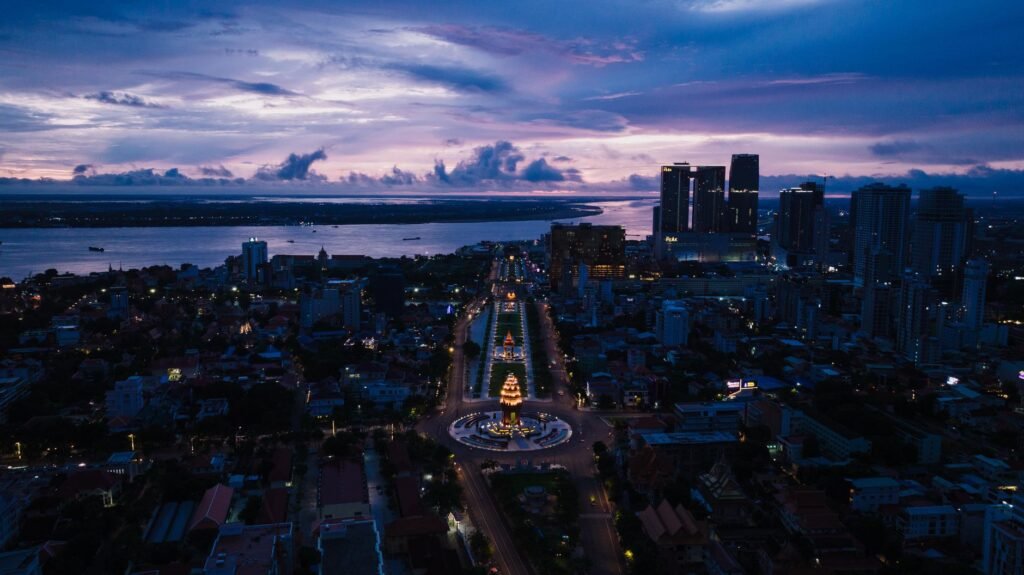
The Riverside Promenade, or Sisowath Quay, is a picturesque area along the banks of the Mekong River. It’s an ideal spot for a leisurely stroll, especially during the evening when the sun sets over the water. The promenade is lined with cafes, restaurants, and bars, making it a great place to unwind after a day of sightseeing.
Throughout the day, you can observe local life as families gather for picnics, children play, and street performers entertain passersby. There are often cultural events and festivals held along the promenade, adding to the lively atmosphere.
Consider stopping at one of the riverside restaurants for a meal with a view. Fresh seafood and traditional Cambodian dishes are widely available, allowing you to savor the local cuisine while enjoying the scenic surroundings.
Discover the National Museum of Cambodia
The National Museum of Cambodia is an architectural masterpiece that houses an extensive collection of Khmer artifacts. Opened in 1920, the museum features more than 14,000 objects, including sculptures, ceramics, and textiles that showcase the rich history and culture of Cambodia.
The museum’s galleries are divided thematically, covering various periods of Cambodian history. Notable exhibits include the Angkorian sculptures that illustrate the artistry of the Khmer Empire. The outdoor garden area is also worth exploring, as it features several ancient statues set amidst lush greenery.
A visit to the National Museum is an excellent way to gain insight into Cambodia’s cultural heritage. There are guided tours available, and audio guides can provide additional context to the exhibits. Plan to spend at least a couple of hours here to fully appreciate the collection.
Experience Local Culture at Wat Phnom
Wat Phnom is one of the most important religious sites in Phnom Penh, and it offers visitors a glimpse into the spiritual life of the local community. The temple is situated on a hill, providing a panoramic view of the surrounding area. According to legend, this site marks the founding of Phnom Penh, making it a significant historical landmark.
As you approach the temple, you’ll find beautiful gardens and statues that create a serene atmosphere. Inside, the temple features a central stupa housing a statue of Buddha, and visitors often leave offerings of flowers and incense.
Wat Phnom is particularly lively during festivals, when locals come to pray and celebrate. If you can, try to visit during one of these events to experience the vibrant culture and traditions of the Cambodian people.
Shop and Dine at the Russian Market
The Russian Market, or Phsar Toul Tom Poung, is a popular destination for both tourists and locals. Known for its wide range of products, from clothing to handicrafts, the market offers a more authentic shopping experience compared to the Central Market. Here, you can find everything from vintage items to traditional Cambodian handicrafts.
- Clothing and Accessories: Browse through stalls selling both new and second-hand clothing, as well as unique accessories that reflect Cambodian culture.
- Food and Beverages: The food section of the market is a must-visit. Sample local snacks, fresh fruits, and delicious street food.
- Souvenirs: Look for unique souvenirs, such as handmade crafts, art, and textiles that make for perfect gifts or keepsakes.
After shopping, consider dining at one of the nearby restaurants. Many offer both traditional Cambodian dishes and international cuisine, catering to a variety of tastes. The vibrant atmosphere and friendly vendors make the Russian Market a delightful place to explore.
Enjoy a Sunset Cruise on the Mekong River
A sunset cruise on the Mekong River is a popular activity for both tourists and locals. It provides a unique perspective of Phnom Penh as the sun sets over the horizon, casting beautiful colors across the water. Various operators offer cruises that can last from one hour to several hours, depending on your preference.
During the cruise, you can enjoy stunning views of the city skyline, the Royal Palace, and the riverside promenade. Many cruises also include dinner options, allowing you to savor local cuisine while taking in the scenery. It’s a perfect way to relax and unwind after a day of exploring.
Be sure to book in advance, especially during peak tourist seasons, to secure a spot on your preferred cruise. Whether you’re traveling with family, friends, or as a couple, a sunset cruise is a memorable experience not to be missed.
Experience Phnom Penh’s Culinary Delights
Traditional Khmer Cuisine
Phnom Penh is a paradise for food lovers, especially those eager to delve into traditional Khmer cuisine. The flavors are vibrant and often feature fresh herbs, spices, and ingredients native to Cambodia. Local dishes such as Amok Trey (fish curry), Lok Lak (stir-fried beef), and Khmer noodles are must-tries. You can find these dishes in local eateries, often referred to as ‘sangkat’, where you can enjoy an authentic dining experience.
For an immersive culinary experience, consider taking a cooking class. Many local chefs offer classes that take you through the entire process, from selecting fresh ingredients at the market to preparing your meal. This not only enhances your cooking skills but also gives you a deeper understanding of Khmer culture through its food.
- Amok Trey – a fragrant fish curry steamed in banana leaves.
- Lok Lak – marinated beef served with a tangy dipping sauce.
- Khmer Noodles – a delightful blend of noodles, meat, and vegetables.
Street Food Adventures
Street food in Phnom Penh is both delicious and affordable, offering a unique way to experience the city’s culinary landscape. As you wander through the bustling streets, you’ll encounter an array of food stalls selling everything from grilled skewers to fresh fruit smoothies. Popular options include Num Pang (Cambodian sandwiches), fried insects for the adventurous, and fresh spring rolls.
To fully enjoy the street food scene, it’s best to visit the night markets, where the atmosphere is lively, and the food is plentiful. Here, you can sample a variety of dishes while mingling with locals and fellow travelers. Don’t hesitate to ask for recommendations from vendors; they often take pride in their offerings and are keen to share their favorites.
- Num Pang – a Cambodian sandwich stuffed with a variety of fillings.
- Fried insects – a crunchy snack that’s high in protein.
- Fresh spring rolls – a refreshing choice, often served with a dipping sauce.

Visit the Historical Sites Beyond the City Center
Tuol Sleng Genocide Museum
A visit to the Tuol Sleng Genocide Museum is essential for understanding Cambodia’s turbulent history. Once a high school, it was transformed into a prison and torture center during the Khmer Rouge regime. The museum provides a haunting but important look at the atrocities committed during this dark period.
As you walk through the exhibits, you’ll find photographs, personal stories, and artifacts that tell the story of the victims. It’s a somber experience, but it plays a crucial role in remembering and educating future generations about the importance of human rights.
Choeung Ek Memorial
Located approximately 15 kilometers from the city center, the Choeung Ek Memorial is another significant site that commemorates the victims of the Khmer Rouge. This former execution site is now a memorial that houses the remains of thousands of victims. The serene landscape stands in stark contrast to the horrors that occurred here.
Visitors can take an audio tour that provides context and personal accounts of the events. The memorial serves as a reminder of the past and the importance of peace and reconciliation in Cambodia today.
- Learn about the history of the Khmer Rouge.
- Reflect on the impact of the genocide.
- Pay respects to the victims at memorial sites.
Engage with Local Arts and Crafts
Art Galleries and Exhibitions
Phnom Penh is home to a thriving arts scene, with numerous galleries showcasing the work of both local and international artists. Places like the Java Creative Café and the Sa Sa Bassac Gallery feature contemporary art and often host exhibitions that highlight the creativity and talent of Cambodian artists. Visiting these spaces allows you to engage with the local art community and discover unique perspectives on Cambodian culture.
Many galleries also offer workshops where you can learn about traditional crafts such as silk weaving and painting. Participating in these workshops not only supports local artisans but also provides you with a souvenir that carries a personal touch.
Craft Markets and Artisan Shops
The local craft markets are perfect for finding handmade souvenirs that reflect Cambodia’s artistic heritage. Markets like the Artisans Angkor and the Phnom Penh Art Market provide a platform for artisans to sell their handmade goods, including silk products, pottery, and wooden carvings. By purchasing items directly from the artists, you help sustain their livelihoods and promote traditional crafts.
Don’t forget to negotiate prices; haggling is a common practice in Cambodian markets. This adds to the fun of shopping while allowing you to engage with the local culture.
- Visit Java Creative Café for contemporary art exhibitions.
- Explore Artisans Angkor for traditional crafts.
- Participate in workshops to learn local arts.
Frequently Asked Questions
What is the best time to visit Phnom Penh?
The best time to visit Phnom Penh is during the dry season, which typically runs from November to February. During these months, the weather is cooler and less humid, making it more comfortable for sightseeing.
Is Phnom Penh safe for tourists?
Phnom Penh is generally safe for tourists, but it’s wise to take standard precautions such as avoiding poorly lit areas at night, securing your belongings, and being cautious with street food if you have a sensitive stomach.
What should I wear when visiting temples?
When visiting temples in Phnom Penh, dress modestly by covering your shoulders and knees. It’s customary to show respect at these sacred sites. Lightweight, breathable clothing is recommended due to the hot climate.
How can I get around Phnom Penh?
Getting around Phnom Penh is relatively easy. You can use tuk-tuks, which are a popular and affordable option. Motorbike taxis are also available, but ensure you wear a helmet for safety. For a more local experience, consider renting a bicycle.
The Bottom Line
Phnom Penh offers a rich tapestry of experiences that reflect both its history and vibrant culture. From visiting the Royal Palace and the sobering Killing Fields to exploring local markets and enjoying the riverside promenade, there is something for every traveler. Make the most of your visit by immersing yourself in the local culture, trying the delicious cuisine, and taking the time to understand the country’s history. With this guide, you are well-equipped to discover the top things to do in Phnom Penh and create lasting memories in Cambodia’s capital.