Key Takeaways
- Understand the different types of solar eclipses.
- Learn about safety precautions for viewing.
- Explore the best places to witness solar eclipses.
- Plan ahead for travel and accommodations.
A solar eclipse is a fascinating natural phenomenon that occurs when the Moon passes between the Earth and the Sun, partially or completely blocking the Sun’s light. For many, witnessing a solar eclipse can be a once-in-a-lifetime experience, making it a highly anticipated event. However, to fully enjoy this celestial display, there are several important things to know and prepare for.
From understanding the different types of solar eclipses to ensuring you have the right safety gear for viewing, this guide aims to provide comprehensive insights for travelers planning to witness a solar eclipse. Whether you are a seasoned eclipse chaser or a first-time viewer, having the right information can significantly enhance your experience.
In this guide, we will cover various aspects including the types of solar eclipses, safety precautions, optimal viewing locations, and travel tips to make your eclipse experience unforgettable.
Types of Solar Eclipses
There are three primary types of solar eclipses, each offering a unique viewing experience. Understanding these types will help you know what to expect when planning to watch a solar eclipse.
1. Total Solar Eclipse
A total solar eclipse occurs when the Moon completely covers the Sun, casting a shadow on the Earth and turning day into night for a brief period. This type of eclipse is the most dramatic and awe-inspiring, typically lasting only a few minutes. Observers within the path of totality will experience the complete obscuration of the Sun, allowing them to see the solar corona, which is usually hidden by the Sun’s bright light.
For instance, during the total solar eclipse on August 21, 2017, millions of people traveled across the United States to witness the event. Many reported feelings of excitement and wonder as they experienced the sudden drop in temperature and the appearance of stars in the midday sky.
2. Partial Solar Eclipse
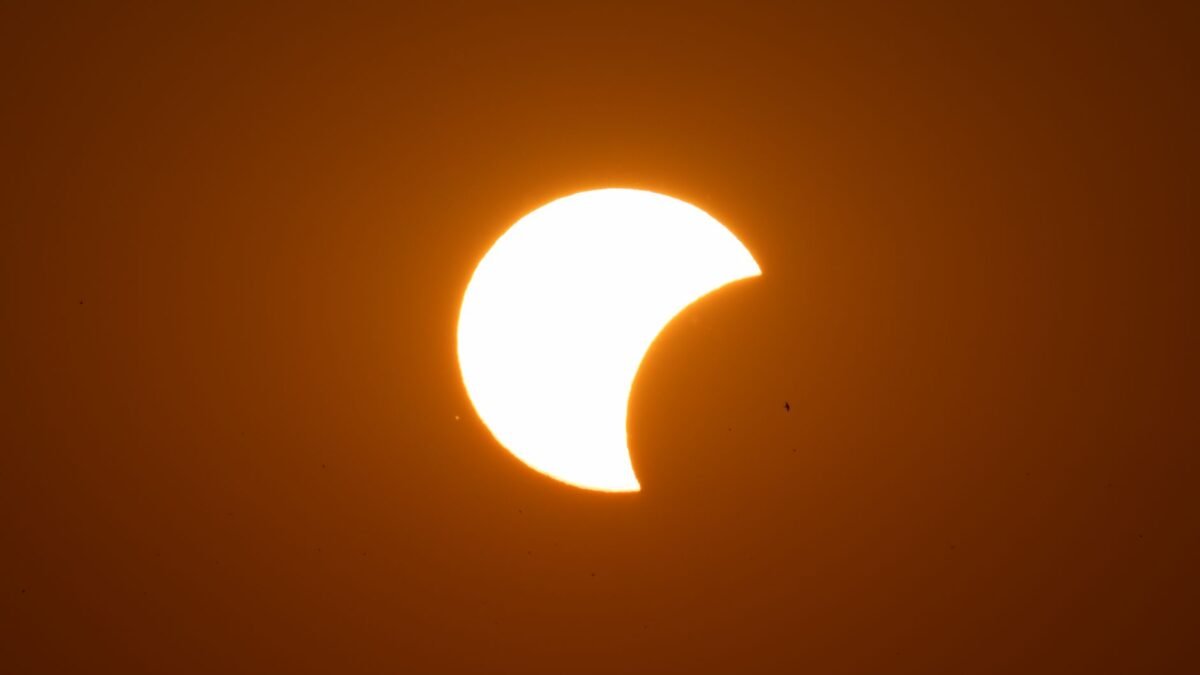
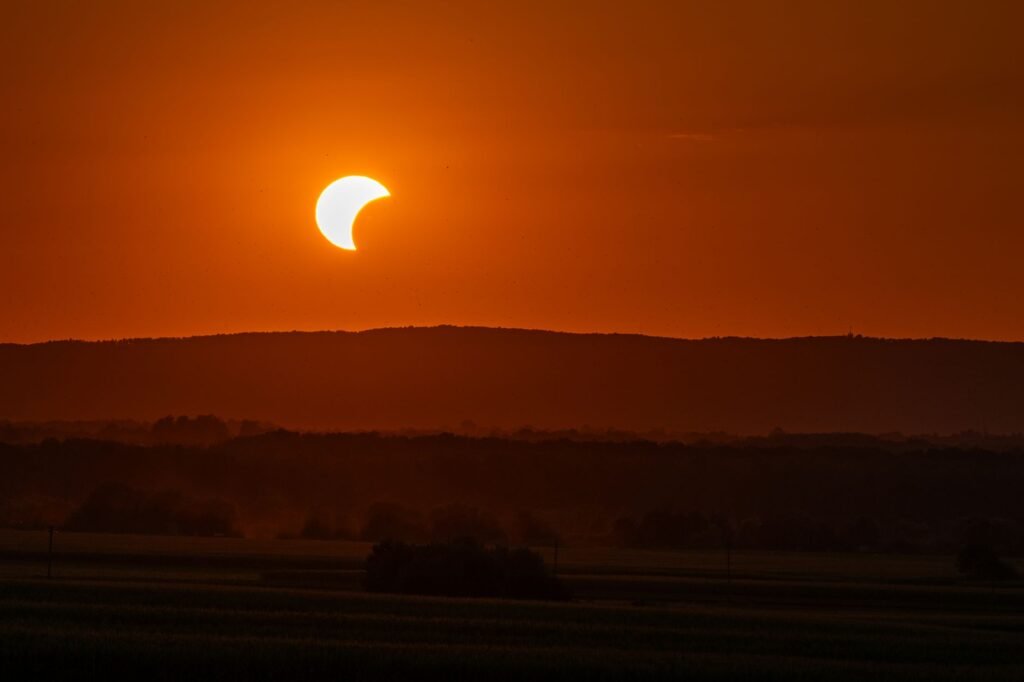
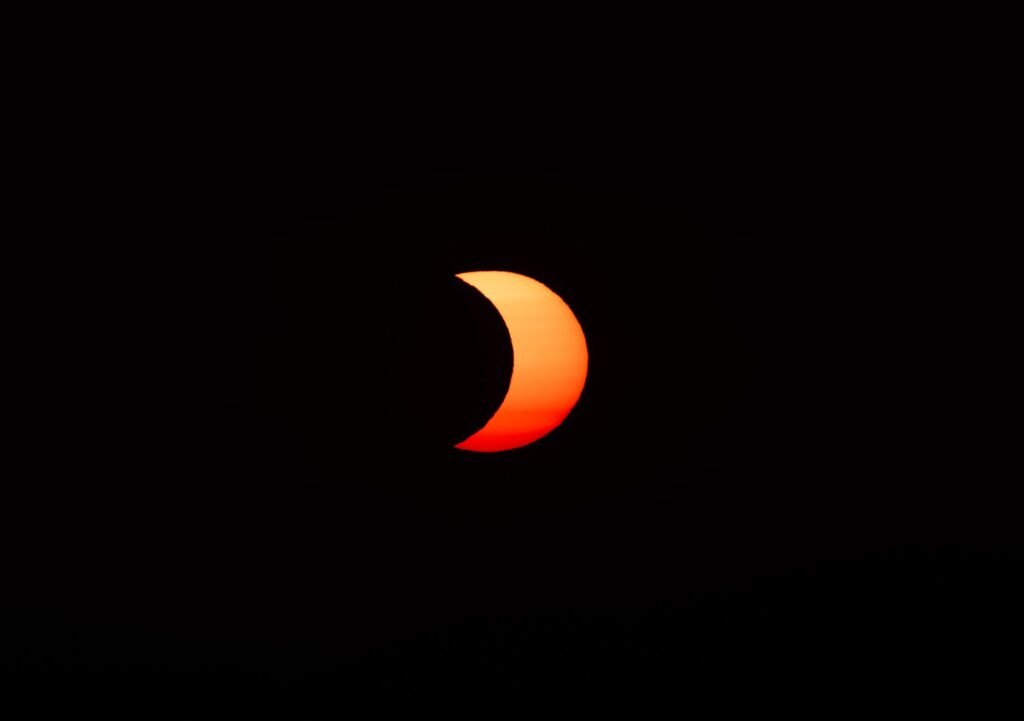
A partial solar eclipse happens when the Moon only partially covers the Sun. This results in a portion of the Sun being obscured, which can still be a spectacular sight. While not as striking as a total eclipse, it still attracts many viewers.
For safety, it is crucial to wear proper solar viewing glasses, as looking directly at the Sun can cause serious eye damage. The extent of coverage varies depending on your location; those closer to the path of totality will experience a larger obscuration.
3. Annular Solar Eclipse
An annular solar eclipse occurs when the Moon is too far from the Earth to completely cover the Sun. This results in a “ring of fire” effect, where the Sun appears as a bright ring surrounding the dark disk of the Moon. Observers within the path of annularity will experience this stunning visual phenomenon.
This type of eclipse is less common than total eclipses, making it a unique opportunity for viewers. Similar to partial eclipses, viewing should be done with proper eye protection.
Safety Precautions for Viewing a Solar Eclipse
Safety is paramount when viewing a solar eclipse. Looking directly at the Sun without protective eyewear can lead to permanent eye damage or blindness. Here are essential safety tips to consider:
1. Use Solar Viewing Glasses
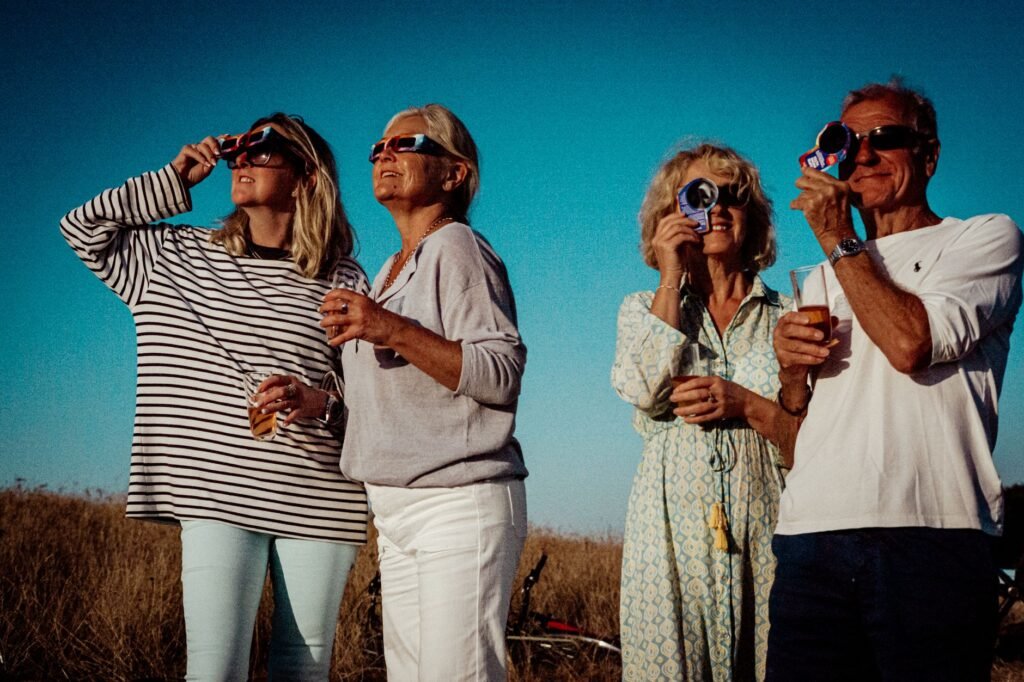
Solar viewing glasses are specifically designed to filter out harmful solar radiation and allow safe viewing of the eclipse. Ensure the glasses meet the ISO 12312-2 international safety standard. Do not use regular sunglasses, as they do not provide adequate protection.
2. Pinhole Projector
If you do not have solar viewing glasses, you can create a simple pinhole projector. Take a piece of cardboard and make a small hole in it. Stand with your back to the Sun and hold the cardboard in a way that allows the sunlight to pass through the hole and project an image of the Sun onto a flat surface. This method is safe and effective.
3. Avoid Direct Viewing
Never look directly at the Sun without appropriate protection, even during a partial eclipse. The damaging rays can cause serious harm to your eyes. If you are using a telescope or camera to view the eclipse, ensure they are equipped with solar filters to protect your eyes and equipment.
Choosing the Best Location to View the Eclipse
Where you choose to view a solar eclipse can greatly influence your experience. Here are factors to consider when selecting a viewing location:
1. Path of Totality
For those eager to experience a total solar eclipse, it’s essential to be within the path of totality. This is the narrow band where totality occurs, and it can vary in width. Research the path ahead of time, as many people travel significant distances to ensure they are in this area.
2. Weather Conditions
Weather can impact visibility, so consider locations with a historically low chance of cloud cover during the time of the eclipse. Check weather forecasts as the date approaches and have a backup plan in case of inclement weather.
3. Accessibility and Accommodations
Popular viewing locations can become crowded, so plan your trip well in advance. Look for accommodations that are within close proximity to your chosen viewing spot. Camping may also be an option, but arrive early to secure a good location.
Travel Tips for Eclipse Chasers
Planning a trip around a solar eclipse requires some foresight and preparation. Here are practical tips to ensure a smooth experience:
1. Book Early
As eclipse dates approach, accommodations in prime viewing areas tend to fill up quickly. Book hotels, campsites, or other lodging well in advance to avoid disappointment. Consider also checking for local events or festivals that may coincide with the eclipse.
2. Plan Your Travel Route
Traffic can be heavy on the day of the eclipse, especially in popular areas. Plan your travel route carefully and allow extra time for delays. Consider arriving at your destination a day or two early to avoid the rush.
3. Pack Essentials
Make a packing list that includes solar viewing glasses, a camera or binoculars with solar filters, snacks, water, and sunscreen. Bring folding chairs, blankets, and any other comfort items you may need for a long day of viewing.
Understanding the Science Behind Solar Eclipses
The Celestial Mechanics of Eclipses
Solar eclipses occur when the Moon passes between the Earth and the Sun, casting a shadow on Earth. This celestial event can only happen during a new moon, when the Sun and Moon are aligned. The alignment must be precise, which is why solar eclipses do not occur every month. The distance from the Earth to the Moon and the size of both celestial bodies contribute to the different types of solar eclipses observed.
During a total solar eclipse, the Moon completely covers the Sun, allowing viewers in the path of totality to experience a brief period of darkness during the day. A partial solar eclipse, on the other hand, occurs when only a portion of the Sun is obscured by the Moon. This fascinating interplay of celestial bodies not only creates stunning visual effects but also provides astronomers with opportunities to study the Sun’s corona, solar flares, and other phenomena.
The Role of the Atmosphere
The Earth’s atmosphere plays a pivotal role in how we perceive solar eclipses. As sunlight passes through the atmosphere, it gets refracted, and the amount of scattering can affect the color and brightness of the eclipse. During a total solar eclipse, the temperature can drop significantly, and the atmosphere can become eerily quiet, as birds and animals react to the darkness.
- Temperature Changes: Expect a temperature drop of 10 to 15 degrees Fahrenheit.
- Animal Behavior: Listen for unusual silence or changes in animal activity.
- Atmospheric Effects: Notice changes in light and color as the eclipse progresses.
Photography Tips for Capturing the Eclipse
Equipment Essentials
Capturing the beauty of a solar eclipse requires proper equipment to ensure both safety and quality. First, invest in solar filters that can be attached to your camera to protect the sensor from damage. Regular lenses cannot withstand the intense sunlight without these filters. Additionally, a sturdy tripod is essential for stabilizing your shots, especially during the rapid changes in light.
- Solar Filters: Must-have for camera protection.
- Tripod: For stable photography.
- Remote Shutter Release: Helps prevent camera shake.
Timing and Techniques
Timing is crucial during a solar eclipse, as the event unfolds rapidly. Use a timer or an app that tracks the phases of the eclipse to ensure you capture key moments, such as the first contact, maximum eclipse, and last contact. Techniques such as bracketing, taking multiple shots at different exposures, can help you get the best images when light conditions change dramatically.
Consider using a wide-angle lens for landscape shots that incorporate the eclipse with foreground elements, like trees or buildings. This adds context to your images and makes them more visually appealing. For close-up shots of the eclipse itself, a telephoto lens will allow you to capture intricate details, such as solar prominences and the corona.
Cultural Significance and Historical Context of Eclipses
Myths and Legends
Throughout history, solar eclipses have inspired a myriad of myths and legends across cultures. Many ancient civilizations viewed eclipses as omens or messages from the gods. For instance, the ancient Greeks believed a solar eclipse was a sign of divine disfavor, while some Native American tribes viewed it as a time for reflection and ritual.
- Chinese Legend: Eclipses were thought to signify the wrath of dragons.
- Incan Beliefs: Viewed eclipses as a warning of impending doom.
- Modern Interpretations: Used in literature and film to symbolize change or chaos.
Scientific Advancements Due to Eclipses
Solar eclipses have not only captured the imagination of people but have also played a crucial role in scientific advancements. One of the most notable examples is the 1919 solar eclipse, during which Sir Arthur Eddington conducted an experiment that provided evidence for Einstein’s theory of general relativity. This event demonstrated how light from distant stars was bent by the Sun’s gravity, revolutionizing our understanding of space and time.
In addition to confirming theories, solar eclipses have facilitated the study of the Sun’s corona, which is visible only during total eclipses. Research conducted during these events has contributed to our knowledge of solar wind and its effects on Earth’s magnetic field, enhancing our understanding of space weather and its potential impacts on technology.
Preparing for the Day of the Eclipse
Gathering Essential Gear
Before the day of the solar eclipse, it’s important to gather all necessary gear to enhance your viewing experience. Ensure you have solar eclipse glasses that meet the ISO 12312-2 international safety standard to protect your eyes from harmful solar rays. Additionally, consider bringing a solar filter for any telescopes or binoculars you plan to use. Other useful items include a comfortable chair, sunscreen, and snacks for a pleasant day outdoors.
Weather Considerations
Weather can greatly affect your viewing experience during a solar eclipse. Check the forecast leading up to the event, as overcast skies can obscure your view. It may be wise to have a backup location in mind that is known for clearer weather patterns. Being flexible and ready to travel can make the difference between a successful viewing and a disappointing experience.
- Check weather apps for real-time updates.
- Look for locations with historically favorable weather during the eclipse date.
- Prepare for sudden weather changes by packing rain gear.
Engaging with the Community
Joining Local Events
Many communities host events centered around solar eclipses, offering a chance to share the experience with others. These gatherings often provide access to telescopes, expert speakers, and educational activities for all ages. Participating in a local event can enhance your understanding and enjoyment of the eclipse while allowing you to connect with fellow enthusiasts.
Social Media and Sharing Your Experience
Engage with social media before, during, and after the eclipse. Use platforms like Twitter and Instagram to share your excitement, tips, and photos. Many people enjoy seeing the perspectives of others around the world, so don’t hesitate to tag relevant hashtags. This can also help create a sense of community among eclipse watchers globally.
- Use hashtags like #SolarEclipse2023 to connect.
- Share tips and experiences in real-time.
- Post your favorite photos and stories after the event.
Post-Eclipse Reflections
Documenting Your Experience
After witnessing a solar eclipse, take time to document your experience. Write down your thoughts and feelings about the event, describe what you saw, and note any standout moments. This reflection can be valuable for future reference and for sharing with friends or on social media.
Understanding the Next Eclipse
After the excitement of a solar eclipse, consider planning for future eclipses. Learning about upcoming solar and lunar eclipses can help you prepare for your next viewing adventure. Research the path of totality for future eclipses and plan ahead to secure the best viewing locations.
- Bookmark websites that track eclipse schedules.
- Join groups focused on astronomy and eclipse watching.
- Consider traveling to different locations for future events.
Frequently Asked Questions
1. When is the next solar eclipse?
The next solar eclipse will occur on April 8, 2024. It will be a total solar eclipse visible across parts of Mexico, the United States, and Canada.
2. Can I use regular sunglasses to view the eclipse?
No, regular sunglasses do not provide sufficient protection. Always use certified solar viewing glasses or other safe viewing methods.
3. What should I do if it is cloudy on the day of the eclipse?
If clouds obstruct your view, consider having a backup viewing location that is within a reasonable distance. Keep an eye on weather forecasts leading up to the event.
4. How long does a solar eclipse last?
The duration of a solar eclipse varies depending on the type. Totality can last from a few seconds to several minutes, while partial and annular phases may last longer.
The Bottom Line
Understanding the essential things to know about solar eclipses can greatly enhance your viewing experience. From safety precautions to choosing the best location and planning your travel, being well-prepared ensures that you can fully enjoy this spectacular event. Remember, a solar eclipse is not just a visual phenomenon; it’s an experience that brings people together in awe of the universe.