Key Takeaways
- Diverse wildlife and scenic views await you.
- Multiple trails for all skill levels to explore.
- Unique geological formations enrich the landscape.
- Practical tips for planning your visit effectively.
Theodore Roosevelt National Park, located in the rugged badlands of North Dakota, is a tribute to the 26th President of the United States, who was a passionate advocate for conservation. This park, established in 1947, preserves the stunning landscapes and diverse wildlife of the area while celebrating Roosevelt’s legacy as a conservationist. With its rolling hills, expansive prairies, and dramatic rock formations, the park offers visitors a unique opportunity to experience the beauty of the American West.
Visitors flock to Theodore Roosevelt National Park for a variety of reasons: hiking, wildlife viewing, photography, and simply soaking in the serene environment. Whether you’re a family looking for a weekend getaway, a solo traveler seeking adventure, or a couple looking for a romantic retreat, this park has something for everyone. In this guide, we’ll explore the top activities, practical tips, and essential information to help you make the most of your visit to Theodore Roosevelt National Park.
As you plan your trip, remember that the park is vast, with over 70,000 acres of land to explore. It’s divided into two main units: the North Unit and the South Unit, each offering unique experiences. Understanding the differences and highlights of each area will help you tailor your visit to your preferences.
Getting to Theodore Roosevelt National Park
Theodore Roosevelt National Park is situated near Medora, North Dakota, approximately 30 miles from Dickinson, the closest major city. The park can be accessed via Interstate 94, which runs east-west across the state. If you’re flying in, the nearest airport is Dickinson Theodore Roosevelt Regional Airport, which offers limited commercial flights. From there, renting a car is the best option to reach the park.
Once you arrive, be prepared for a range of activities and sights. The park is open year-round, though some facilities and roads may close in winter. The best time to visit is during the spring and fall when temperatures are mild, wildlife is active, and the scenery is particularly stunning. The summer months can be hot, while winter brings snow and fewer crowds, offering a different kind of tranquility.
When planning your visit, consider your preferred activities and desired season. Spring brings blooming wildflowers, summer is ideal for hiking, fall offers spectacular foliage, and winter is perfect for solitude and snowshoeing.
Wildlife Viewing
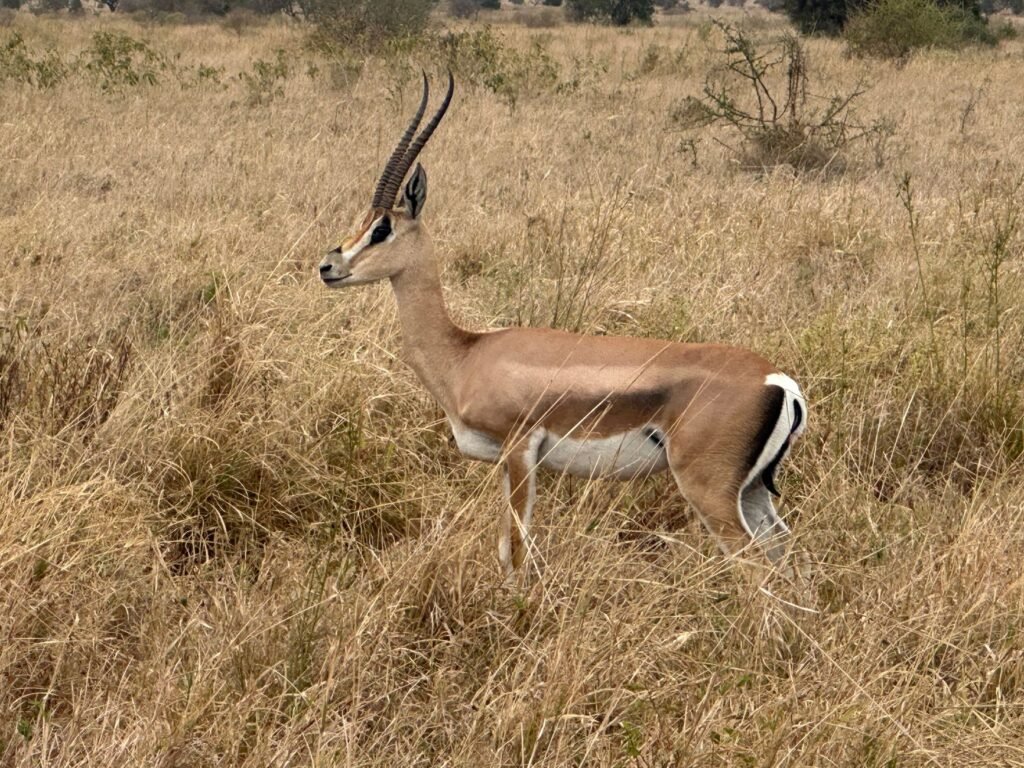
Theodore Roosevelt National Park is renowned for its diverse wildlife, making it a prime destination for animal lovers and photographers. The park is home to a variety of species, including bison, elk, deer, coyotes, and numerous bird species. Wildlife viewing is best during the early morning or late afternoon when animals are most active.
Bison are perhaps the most iconic residents of the park, and you can often see these majestic creatures grazing in the grasslands, particularly in the South Unit. The herd here is one of the largest in the area, and observing them in their natural habitat is a memorable experience. Keep your distance and never approach them, as they are large and can be unpredictable.
- Best Spots for Wildlife Viewing:
- Caprock Coulee Trail: Offers views of bison and other wildlife.
- Prairie Dog Town: A lively area where you can observe prairie dogs and their burrowing activities.
- Near the Visitor Center: Deer and other animals are often spotted here.
- Bird Watching: Bring binoculars to spot various bird species, including eagles, hawks, and songbirds.
- Photography Tips: Use a telephoto lens for wildlife shots and be patient while waiting for animals to appear.
Hiking Trails
Theodore Roosevelt National Park features over 100 miles of hiking trails, catering to all skill levels. From easy walks to challenging hikes, the park’s trails offer stunning views and a chance to experience the unique landscape up close. Trails are well-marked, but be sure to carry a map or download the park’s trail guide before heading out.
Some of the most popular hikes include:
- North Unit Trails:
- Caprock Coulee Trail: A 1.5-mile loop with beautiful views and opportunities to spot wildlife.
- Boicourt Trail: A 2.5-mile hike that leads to a scenic overlook.
- South Unit Trails:
- Badlands Trail: A 1.5-mile loop showcasing dramatic rock formations.
- Wind Canyon Trail: A 1-mile round trip with breathtaking views of the canyon.
For those looking for a longer adventure, the Maah Daah Hey Trail offers a 96-mile backcountry experience through the park and surrounding areas. This trail is perfect for experienced hikers looking to immerse themselves in the natural beauty of the Badlands.
Scenic Drives
Not all visitors may want to hike, and Theodore Roosevelt National Park offers several scenic drives that showcase the park’s beauty. The main road, the Scenic Loop Drive in the South Unit, is a 36-mile route that takes you through stunning landscapes, offering pullouts and overlooks to stop and take photos.
Along the Scenic Loop Drive, you can expect to see:
- Wildlife Viewing Areas: Several viewpoints provide opportunities to see bison and other wildlife without leaving your vehicle.
- Geological Features: Look for unique rock formations and badlands landscapes that define this region.
- Overlooks: Stop at the numerous overlooks for panoramic views of the park.
In the North Unit, the 14-mile scenic road offers a different perspective, with fewer crowds and unique vistas. The drive culminates at the Oxbow Overlook, providing a stunning view of the Little Missouri River winding through the landscape.
Campsites and Lodging
Whether you prefer camping under the stars or staying in a cozy lodge, Theodore Roosevelt National Park has options for all types of travelers. The park has two main campgrounds: Cottonwood Campground in the South Unit and Juniper Campground in the North Unit. Both campgrounds offer basic amenities and are first-come, first-served.
Cottonwood Campground features 76 sites nestled among cottonwood trees, providing shade and a picturesque setting. It’s conveniently located near hiking trails and the scenic loop drive. This campground typically opens in mid-April and closes in late October.
Juniper Campground offers a more secluded experience with 50 campsites surrounded by juniper trees, making it ideal for those seeking peace and quiet. It’s open from mid-May to late September.
If you prefer more comfort, consider staying in Medora, a nearby town that offers various lodging options, from hotels to bed and breakfasts. This charming town also provides easy access to the park.

Visitor Centers and Facilities
The park has two visitor centers: the South Unit’s Visitor Center and the North Unit’s Visitor Contact Station. Both centers provide essential information, maps, and exhibits about the park’s natural and cultural history. The South Unit’s Visitor Center features a small gift shop where you can purchase souvenirs and park-related merchandise.
At the visitor centers, you can also learn about ranger-led programs, which are an excellent way to enhance your understanding of the park. These programs vary by season and may include guided hikes, talks, and wildlife watching tours.
- Visitor Center Hours: Generally open from 8 AM to 5 PM, but hours may vary by season, so check locally for the most accurate information.
- Restroom Facilities: Available at visitor centers and campgrounds, but not along all trails, so plan accordingly.
- Accessibility: The visitor centers offer accessible facilities and some trails are suitable for wheelchairs.
Practical Tips for Your Visit
To ensure a smooth and enjoyable visit to Theodore Roosevelt National Park, consider the following practical tips:
- Weather Preparedness: The weather can change rapidly, so dress in layers and bring rain gear, especially in spring and fall.
- Hydration: Carry plenty of water, particularly during hot summer hikes, as water sources are limited in the park.
- Leave No Trace: Follow the Leave No Trace principles to protect the park’s natural beauty and wildlife.
- Cell Service: Expect limited cell phone coverage throughout the park, so download maps and information before your trip.
Exploring the History and Culture of Theodore Roosevelt National Park
The Legacy of Theodore Roosevelt
Theodore Roosevelt National Park is not just a haven for nature lovers; it is also a tribute to one of America’s most revered presidents. Roosevelt was instrumental in the conservation movement, and this park embodies his dedication to preserving the American landscape. Visitors can explore the park’s historical sites, including the Maltese Cross Cabin, where Roosevelt lived during the late 19th century. This small, rustic cabin offers a glimpse into his life and motivations as a rancher and conservationist.
Roosevelt’s time in the Badlands inspired his commitment to national parks. His legacy is celebrated through various programs and ranger-led talks that recount his contributions. Learning about his passion for nature not only enriches the park experience but also inspires visitors to appreciate and protect the natural world.
Cultural Influences in the Region
The cultural tapestry of the Theodore Roosevelt National Park area is woven with the threads of Native American history, early settlers, and ranching traditions. The Mandan, Hidatsa, and Arikara peoples have called this region home for centuries, and their rich heritage is honored in various ways, including interpretive signs and educational programs. Visitors can learn about their traditional practices, art, and connection to the land, which deepens the understanding of the park’s significance.
Additionally, the ranching culture that flourished in the area during the late 1800s is still evident today. The park offers opportunities to engage with this history through guided tours and demonstrations that showcase traditional ranching techniques. Visitors can gain insights into the challenges faced by early settlers and the evolution of ranching practices.
Historical Sites to Explore
- Maltese Cross Cabin: The original cabin where Theodore Roosevelt stayed.
- Elkhorn Ranch: The site of Roosevelt’s second ranch, now a scenic area with interpretive signs.
- Old West Town of Medora: A nearby town that offers a glimpse into the frontier life of the late 1800s.
Exploring these sites helps visitors appreciate the historical context of the region and the transformative impact of Roosevelt’s presidency on conservation efforts.

Seasonal Activities in Theodore Roosevelt National Park
Spring Awakening
Spring is a magical time at Theodore Roosevelt National Park as the landscape comes alive with vibrant colors and the sounds of wildlife. As the snow melts and temperatures rise, wildflowers begin to bloom, creating a stunning backdrop for outdoor activities. This season is ideal for photography enthusiasts looking to capture the beauty of the Badlands.
Birdwatching also peaks in spring, with migratory species returning. Park visitors can spot colorful warblers, shorebirds, and raptors. The park hosts various birdwatching events, making it a great time to enhance your skills and knowledge of avian life.
Summer Adventures
Summer brings warm temperatures, making it the perfect time for hiking and camping. The park’s extensive trail system offers a variety of hikes for all skill levels, from easy walks to challenging backcountry routes. Popular trails like the Caprock Coulee Trail and the Buck Hill Trail provide breathtaking views of the unique geological formations.
In addition to hiking, summer is a prime time for stargazing. The park is a designated International Dark Sky Park, offering clear views of the Milky Way and numerous constellations. Summer evenings are ideal for setting up a telescope or simply enjoying the night sky.
Fall Foliage and Wildlife Activity
Fall transforms the park into a vibrant tapestry of golden and red hues. The cooler temperatures make for comfortable hiking conditions, and the fall foliage attracts many visitors. This season is also a great time for wildlife viewing, as animals become more active in preparation for winter. The elk rut occurs during this time, providing a unique opportunity to observe these majestic creatures in their natural habitat.
- Best Fall Hiking Trails:
- Prairie Dog Town Trail
- Coal Vein Trail
- Little Missouri Trail
- Wildlife Watching Tips:
- Visit early morning or late afternoon for the best chances to see animals.
- Use binoculars for a closer look while maintaining a safe distance.
- Be aware of seasonal changes that may affect animal behavior.
Fall is an enchanting time to experience Theodore Roosevelt National Park, blending natural beauty with rich wildlife activity.
Unique Experiences in Theodore Roosevelt National Park
Ranger-Led Programs
Theodore Roosevelt National Park offers a variety of ranger-led programs that provide deeper insights into the park’s ecology, geology, and history. These programs are designed for all ages and often include guided walks, talks, and interactive activities. Participating in a ranger-led program is a fantastic way to engage with the park and learn from knowledgeable staff.
For families, special children’s programs are available, encouraging young visitors to connect with nature while having fun. These programs promote understanding of the park’s ecosystems and wildlife, fostering a sense of stewardship among the next generation.
Photography Opportunities
With its dramatic landscapes, unique rock formations, and diverse wildlife, Theodore Roosevelt National Park is a photographer’s paradise. Photographers can capture stunning sunrise and sunset views from various vantage points. The park’s badlands, with their layers of colors, provide an incredible backdrop for landscape photography.
Workshops and photography tours are sometimes offered, allowing photographers to improve their skills while exploring the park’s hidden gems. Whether you’re a beginner or a seasoned pro, the park’s natural beauty offers countless opportunities to create lasting memories through photography.
Volunteer and Stewardship Opportunities
For those looking to give back, Theodore Roosevelt National Park offers various volunteer opportunities throughout the year. Volunteers can assist with park maintenance, wildlife monitoring, and educational programs. These experiences not only contribute to the park’s preservation but also provide a unique way to connect with the landscape and its history.
- Common Volunteer Activities:
- Trail maintenance and restoration
- Wildlife surveys
- Leading educational programs for visitors
- How to Get Involved:
- Check the park’s website for upcoming volunteer opportunities.
- Attend volunteer orientation sessions to learn more about the program.
- Sign up for specific projects that match your interests and skills.
Engaging in volunteer work is a fulfilling way to contribute to the park while gaining a deeper appreciation for its natural and historical significance.
Frequently Asked Questions
What is the best time to visit Theodore Roosevelt National Park?
The best times to visit are late spring (May to June) and early fall (September to October), when temperatures are mild and wildlife is active.
Are there any entrance fees for the park?
Yes, there is an entrance fee for vehicles, but it is advisable to check the official park website for the most current fee structure and any available passes.
Can I bring my dog to the park?
Yes, dogs are allowed but must be kept on a leash and are restricted to developed areas, roads, and campgrounds. It’s best to avoid taking them on trails.
Are there guided tours available?
Yes, the park offers ranger-led programs and tours, which can enhance your experience and provide deeper insights into the park’s ecosystem and history.
The Bottom Line
Theodore Roosevelt National Park is a captivating destination for nature lovers, wildlife enthusiasts, and anyone seeking to immerse themselves in the beauty of the Badlands. With its diverse landscapes, abundant wildlife, and numerous recreational opportunities, it promises an unforgettable experience. Whether you’re hiking, driving through scenic routes, or camping under the stars, this park offers a unique glimpse into the natural world that Theodore Roosevelt fought to protect.