Key Takeaways
- Textile costs vary by region and material.
- Sustainability impacts the overall price.
- Travelers can find unique local textiles.
- Understanding textile value enhances shopping experiences.
The textile industry is a vast and complex network that intertwines culture, economy, and sustainability. Understanding the real price of textile goes beyond just the monetary cost. It encompasses the environmental impact, labor conditions, and the cultural significance of the materials used. This comprehensive exploration will equip travelers with insights into the textile ecosystem, aiding them in making informed decisions when purchasing fabrics or garments during their travels.
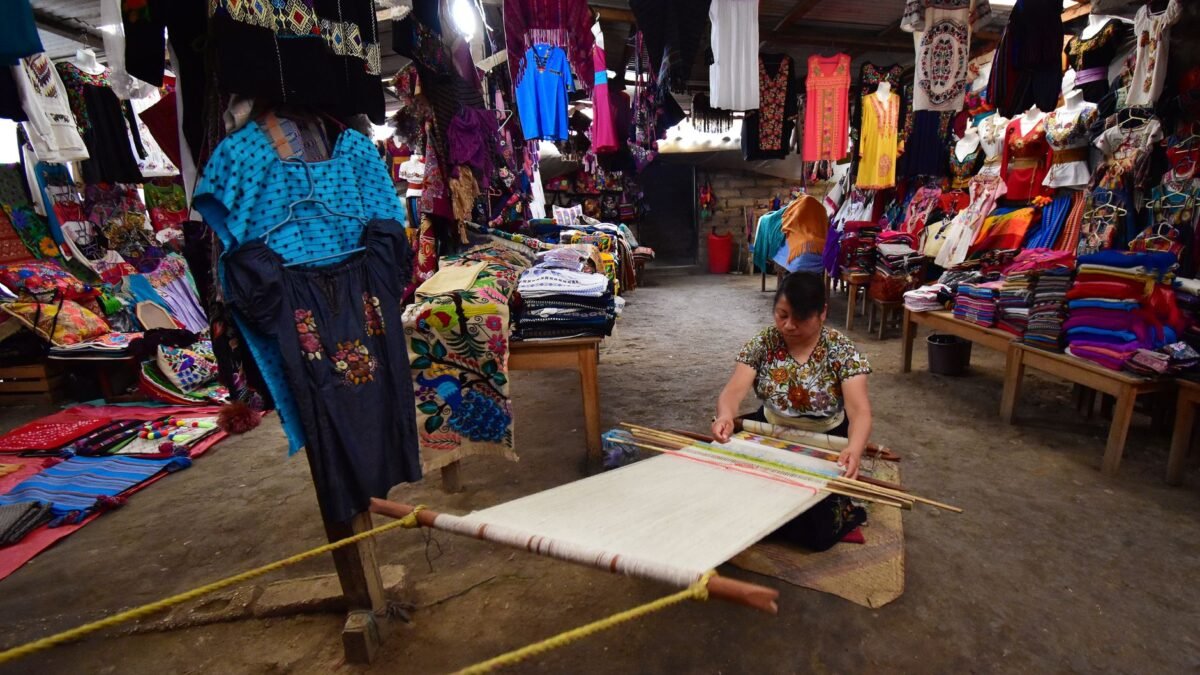
As you explore different regions, you will encounter diverse textiles, each with its own story and cost structure. From the vibrant markets of Asia to the artisanal workshops in Europe, the price of textiles reflects not only the material used but also the craftsmanship involved. This guide will delve into the factors influencing textile prices and provide practical tips for travelers seeking to engage with local textile cultures.
Understanding the real price of textile can enhance your travel experience, enabling you to appreciate the craftsmanship and story behind each piece. Whether you are a fashion enthusiast, a conscious consumer, or simply curious about local cultures, this guide will provide valuable insights.
Understanding Textile Costs
The cost of textiles is influenced by various factors, including raw materials, production processes, and market demand. Here are some key elements that contribute to the overall pricing of textiles:
- Material Costs: The type of fiber used significantly impacts the price. Natural fibers like cotton, silk, and wool tend to be more expensive due to their cultivation and processing requirements. Synthetic fibers, while generally cheaper, may involve environmental costs that are not immediately visible.
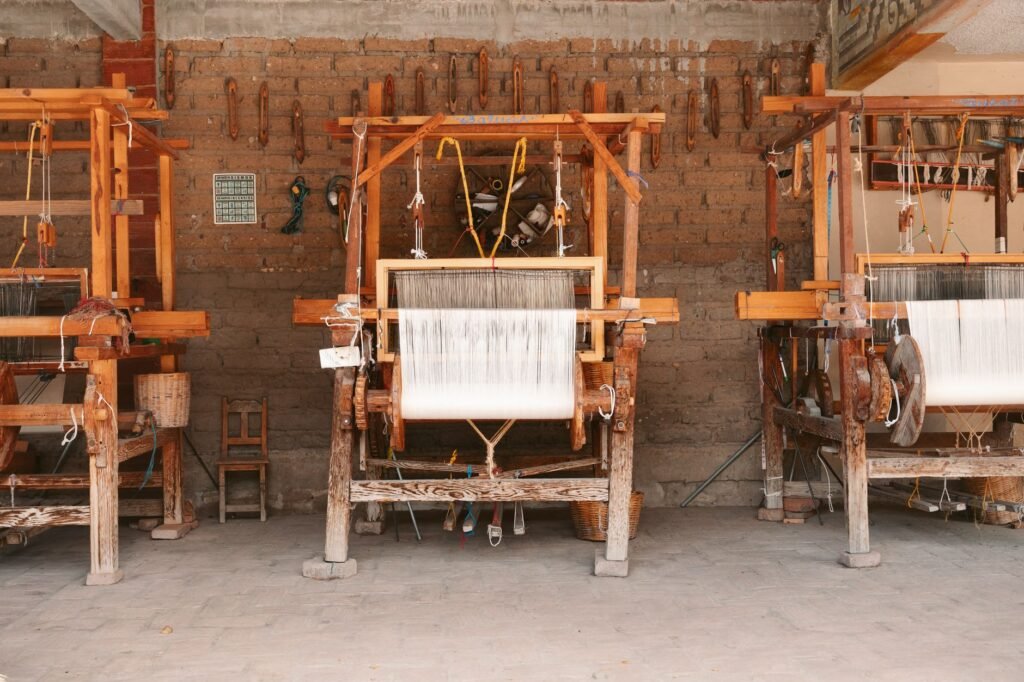
- Labor and Production: Ethical labor practices and the production method also contribute to textile pricing. Handwoven or handcrafted items typically carry higher costs due to the time and skill involved. Countries with strict labor laws may have higher textile prices compared to regions with less regulation.
- Market Demand: Seasonal trends and consumer demand can drive prices up or down. For instance, during fashion weeks or holidays, you may find that the prices of certain textiles increase due to heightened demand.
Example of Textile Pricing Variations
Consider a traveler visiting India, a country renowned for its rich textile heritage. A simple cotton scarf may cost anywhere from $5 to $30, depending on the intricacy of the weave and the region of production. In contrast, a handwoven silk saree may range from $100 to $500, reflecting the skill and time invested by artisans. This variation illustrates how cultural significance and craftsmanship affect the real price of textiles.
The Role of Sustainability in Textile Pricing
Sustainability is an increasingly important factor in the textile industry, influencing costs and consumer choices. As awareness of environmental issues grows, many consumers are seeking sustainable alternatives, which often come at a premium price. Here are some key considerations:
- Eco-Friendly Materials: Organic cotton, hemp, and recycled fibers typically cost more than conventional materials due to their environmentally friendly production methods. These materials often require more care in cultivation and processing, which can increase the final price.
- Fair Trade Practices: Textiles produced under fair trade conditions aim to provide fair wages and safe working environments for artisans. While these practices may lead to higher prices, they promote ethical consumption and support local communities.
- Carbon Footprint: The environmental impact of textile production, from water usage to carbon emissions, is becoming a key consideration for consumers. Brands that prioritize sustainability may charge higher prices to offset these impacts and invest in greener technologies.
Consumer Trends Towards Sustainability
As travelers, understanding the importance of sustainability can guide your purchasing decisions. For instance, if you buy a sustainably produced textile, you may pay more upfront, but the long-term benefits for both the environment and local communities are invaluable. This shift in consumer behavior is pushing brands to adopt more sustainable practices, which may eventually stabilize prices as eco-friendly options become more mainstream.
Exploring Local Textile Markets
When traveling, visiting local textile markets can provide a unique shopping experience and insight into the region’s culture. Here are some tips for navigating textile markets effectively:
- Research Local Textiles: Before your visit, familiarize yourself with the types of textiles produced in the region. This knowledge will help you identify authentic products and understand their value.
- Engage with Artisans: Take the time to speak with local artisans and vendors. They can provide valuable information about the production process, materials used, and the cultural significance of their products.
- Negotiate Wisely: Bargaining is often expected in local markets. However, approach negotiations with respect for the artisans’ work. Understand that a fair price supports their livelihood.
Real-Life Market Experience
Imagine visiting a vibrant textile market in Marrakech, Morocco. You find stalls filled with colorful fabrics and intricate patterns. As you engage with the vendors, you learn about the traditional dyeing methods and the stories behind each piece. You discover that a handwoven rug, priced at $200, reflects not just the materials but also the skill and labor of the artisan who created it. This experience not only enriches your travel but also deepens your appreciation for the art of textiles.
Practical Tips for Travelers
Traveling with a keen eye for textiles can enhance your experience and ensure you make informed purchases. Here are some practical tips to consider:
- Pack Light: If you plan to shop for textiles, consider packing light to accommodate new purchases. A lightweight, foldable bag can be useful for carrying your finds.
- Check for Authenticity: Ensure the textiles you buy are authentic and ethically produced. Look for certifications or ask vendors about their production practices.
- Understand the Care Instructions: Different textiles require different care. Familiarize yourself with how to care for your purchases to ensure they last for years to come.
Global Supply Chain Dynamics
The textile industry is profoundly influenced by global supply chain dynamics, which can significantly affect both the pricing and availability of textile products. Understanding these factors helps consumers appreciate the real cost of textiles.
1. The Impact of Trade Policies
Trade policies can drastically alter the landscape of textile pricing. Tariffs, trade agreements, and import restrictions influence how textiles are sourced and sold across borders.
- Tariffs: High tariffs on imported textiles can lead to increased prices for consumers, while lower tariffs may encourage competition and drive prices down.
- Trade Agreements: Bilateral and multilateral trade agreements can facilitate smoother transactions and reduce costs, benefiting both producers and consumers.
- Import Restrictions: Countries may impose restrictions on certain textile products, impacting availability and leading to price fluctuations.
Understanding these trade dynamics can empower consumers to make more informed purchasing decisions and recognize the broader implications of their textile choices.
2. Transportation and Logistics Costs
Transportation and logistics play a crucial role in determining the final price of textiles. The cost of moving products from manufacturers to consumers can vary greatly based on several factors.
- Shipping Methods: Different shipping methods, air, sea, or land, come with varying costs and timeframes. Air freight is quicker but often more expensive, while sea freight is cost-effective for bulk shipments.
- Fuel Prices: Fluctuations in fuel prices can lead to changes in transportation costs, which are often passed on to consumers.
- Logistical Efficiency: Efficient logistics management can reduce costs. Companies investing in technology for supply chain optimization often enjoy lower operational costs.
As consumers, recognizing these logistical elements can help explain why certain textiles are priced higher than others, as shipping and handling can add significantly to the overall cost.
3. Labor Costs and Working Conditions
Labor costs are a significant factor in textile pricing, influenced by the working conditions and wages of those involved in the production process. Ethical considerations often intersect with economic factors.
- Wage Levels: In countries where labor laws enforce higher wages and better working conditions, the costs of textiles may be higher compared to regions with lax regulations.
- Labor Rights: Companies that prioritize ethical labor practices often face increased production costs, which may be reflected in the retail price of their products.
- Working Conditions: Ensuring safe and fair working environments can lead to higher production costs but may result in better quality products and a more sustainable industry in the long run.
Consumers are increasingly interested in the ethical implications of their purchases, leading to a demand for transparency in labor practices, which can influence pricing strategies.
Technological Advances in Textile Production
Technological innovations are transforming the textile industry, impacting not only production efficiency but also sustainability and cost structures. Understanding these advancements helps consumers appreciate the evolving landscape of textile pricing.
1. Automation and Robotics
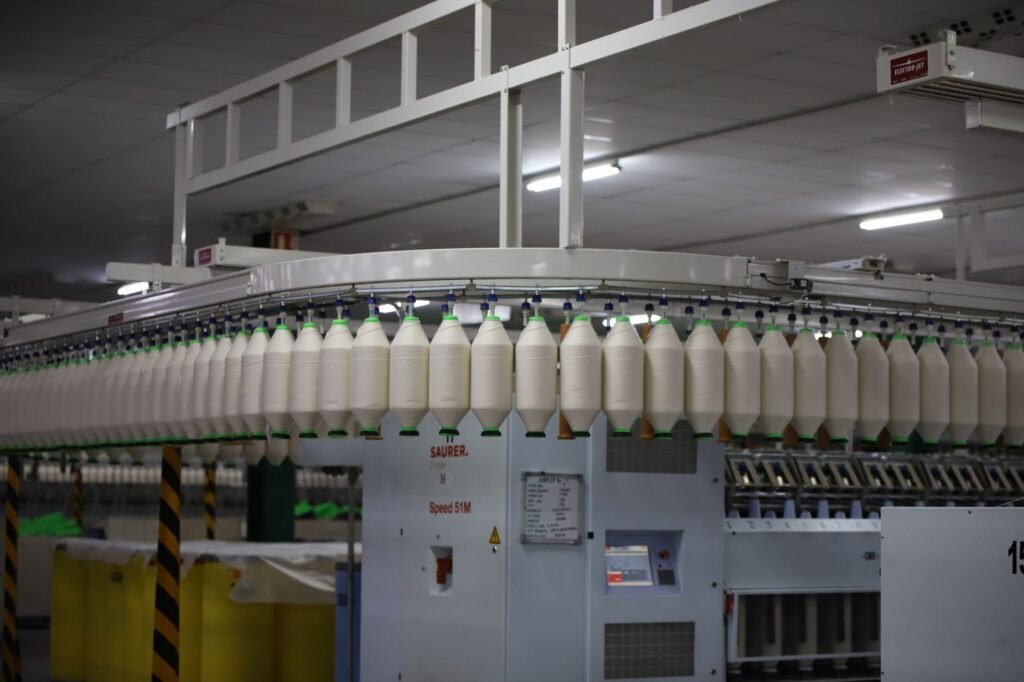
The integration of automation and robotics in textile production has the potential to streamline processes and reduce labor costs. These technologies can enhance productivity and consistency in manufacturing.
- Increased Efficiency: Automated systems can work faster and with greater precision, leading to lower production costs and potentially lower retail prices.
- Quality Control: Robotics can improve quality control measures, reducing waste and defective products, which are costly to produce.
- Scalability: Automation allows manufacturers to scale operations more easily, adapting to changing market demands without significant increases in costs.
As automation becomes more prevalent, it can lead to significant shifts in pricing structures across the textile industry.
2. Sustainable Textile Innovations
Technological advances in sustainable textiles are paving the way for environmentally friendly production methods. Innovations in materials and processes can directly impact costs and consumer choices.
- Recycled Materials: The use of recycled fibers in textile production can reduce raw material costs and lessen environmental impact.
- Waterless Dyeing Technologies: New dyeing technologies that use minimal or no water can lead to substantial cost savings and reduce the ecological footprint of textile production.
- Biodegradable Fabrics: Innovations in biodegradable materials can appeal to environmentally conscious consumers, often at a premium price point due to the technology involved in their creation.
As sustainable practices become more integrated into the industry, consumers may find that the initial costs of sustainable textiles reflect the innovation and investment in ethical production methods.
3. Digital Fabric Printing
Digital fabric printing represents a revolutionary shift in how textiles are produced and personalized. This technology allows for more intricate designs with less waste compared to traditional printing methods.
- Customization: Digital printing enables on-demand production, allowing consumers to order unique designs without the need for large inventories.
- Reduced Waste: The precision of digital printing minimizes fabric waste, leading to more sustainable practices and potentially lower costs for consumers.
- Speed to Market: The ability to quickly adapt designs and produce textiles can lead to faster response times to market trends, benefiting both manufacturers and consumers.
As digital printing technology advances, it is poised to reshape pricing structures in the textile market, emphasizing the value of customization and sustainability.
Consumer Behavior and Trends in Textile Purchasing
Consumer behavior significantly influences textile pricing, as trends and preferences shape market demand. Understanding these patterns can provide insights into the factors that drive costs.
1. The Rise of Fast Fashion
Fast fashion has transformed the textile industry by introducing rapid production cycles and low-cost garments. This trend has profound implications for pricing and consumer behavior.
- Affordability: Fast fashion brands offer trendy clothing at low prices, appealing to a broad consumer base but often at the expense of quality and sustainability.
- High Turnover: The fast fashion model encourages frequent purchases, leading to increased consumption and waste, which can distort perceptions of textile value.
- Ethical Concerns: Growing awareness of the negative impacts of fast fashion on labor practices and the environment is prompting consumers to reconsider their purchasing habits.
As consumers become more conscious of the implications of fast fashion, there may be a shift toward valuing quality and sustainability over low prices.
2. The Influence of Social Media
Social media plays a pivotal role in shaping consumer preferences and trends in the textile industry. Platforms like Instagram and TikTok influence how consumers discover and perceive textile products.
- Trend Amplification: Social media can rapidly amplify trends, leading to increased demand for specific textile styles or brands.
- Brand Transparency: Consumers are increasingly seeking transparency from brands regarding their sourcing and production practices, influencing their purchasing decisions.
- Community Engagement: Social media fosters communities around specific textile interests, allowing consumers to share experiences and recommendations, impacting market trends.
The interaction between social media and consumer behavior highlights the need for brands to be responsive to consumer values and preferences, affecting pricing strategies in the textile market.
3. The Shift Towards Minimalism
In recent years, there has been a notable shift towards minimalism in consumer behavior, affecting how textiles are purchased and valued. This trend promotes conscious consumption and intentional purchasing.
- Quality Over Quantity: Minimalist consumers prioritize high-quality, durable textiles over a large quantity of cheaper items.
- Timeless Designs: There is a growing preference for timeless, versatile pieces that can be worn across seasons, impacting how textiles are marketed.
- Environmental Impact: The minimalist approach often aligns with sustainable practices, leading consumers to seek out brands that prioritize ethical production.
This shift toward minimalism encourages brands to rethink their offerings and pricing structures, focusing on value and sustainability rather than mere affordability.
Frequently Asked Questions
What factors influence the price of textiles?
The price of textiles is influenced by material costs, labor practices, production methods, and market demand. Natural fibers and handcrafted items usually cost more due to their production intricacies.
How can I tell if a textile is ethically produced?
Look for certifications such as Fair Trade or organic labels. Additionally, engaging with the vendor and asking questions about their production practices can provide insights into their ethical standards.
Are sustainable textiles worth the investment?
Sustainable textiles often come at a higher cost, but they contribute positively to the environment and support ethical labor practices. Many consumers find the long-term benefits justify the initial investment.
What should I know before shopping for textiles abroad?
Research the textiles unique to the region you are visiting, engage with local artisans, and understand the negotiation practices of the market to enhance your shopping experience.
The Bottom Line
Understanding the real price of textile is essential for travelers seeking to appreciate and engage with local cultures. By considering factors such as material costs, sustainability, and ethical practices, you can make informed decisions when purchasing textiles during your travels. Embrace the stories behind the fabrics you encounter, as they often reflect the rich cultural heritage of the regions you visit.