Key Takeaways
- Gujarat boasts diverse attractions from historical sites to natural wonders.
- The best time to visit is between October and March for pleasant weather.
- Key attractions include the Rann of Kutch, Gir National Park, and Sabarmati Ashram.
- Local cuisine and festivals enhance the cultural experience of Gujarat.
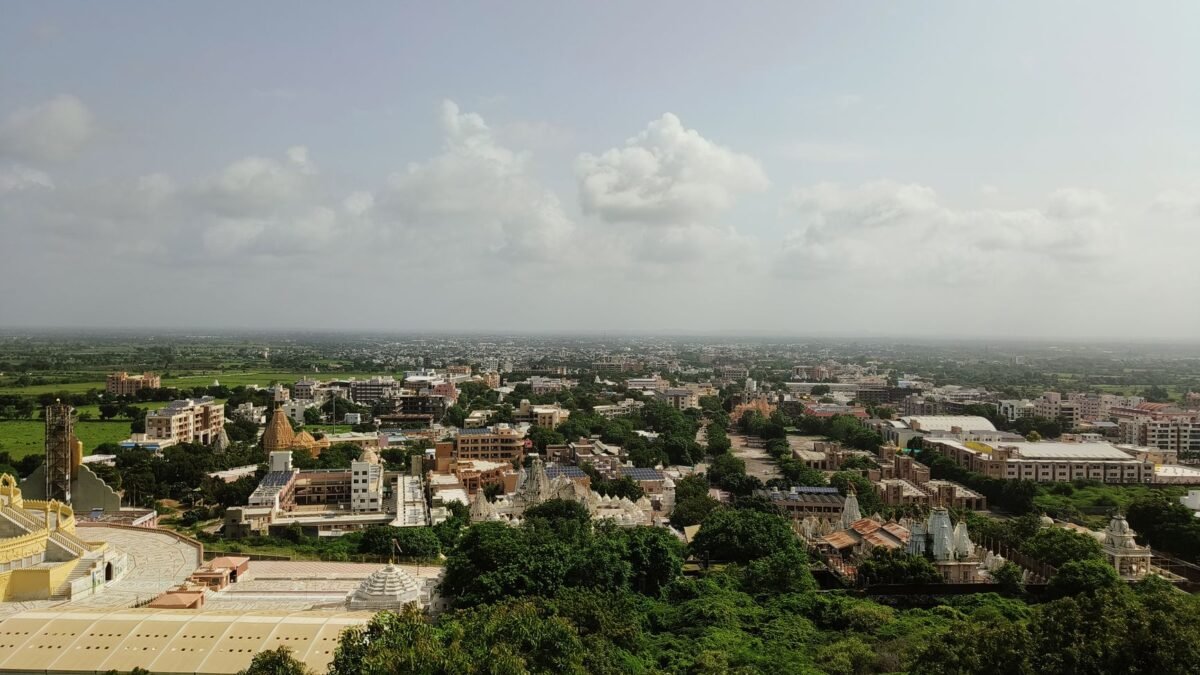
Gujarat, a vibrant state located on the western coast of India, is rich in culture, history, and natural beauty. From its stunning landscapes to its architectural marvels, this state offers a plethora of attractions that cater to every type of traveler. Whether you are a history buff, a nature enthusiast, or a foodie, Gujarat has something special for you.
This guide will explore the top attractions of Gujarat and the best time to visit this fascinating state. With unique experiences and rich traditions, Gujarat is sure to leave a lasting impression on anyone who sets foot in this colorful region of India.
Whether you are planning a family vacation, a solo adventure, or a cultural exploration, understanding the key attractions and the ideal time to visit will enhance your travel experience. Let’s dive into the must-see places and the seasons that make Gujarat shine.
Top Attractions of Gujarat
1. Rann of Kutch
The Rann of Kutch is one of the most iconic landscapes in Gujarat and is renowned for its vast white salt desert. Spanning over 7,500 square kilometers, this unique region offers surreal views, especially during the full moon nights. The best time to visit Rann is during the Rann Utsav, which takes place from November to February. During this festival, visitors can enjoy traditional music, dance performances, and local handicrafts.
While visiting, ensure you explore the nearby villages like Dhordo and Hodka, where you can experience the rich culture of the Kutch region. Local artisans showcase their crafts, and you can shop for beautiful handmade products that reflect the area’s heritage.
In addition to its beauty, the Rann of Kutch is a haven for bird watchers, especially during the migratory season when flamingos and other birds flock to the area.
2. Gir National Park
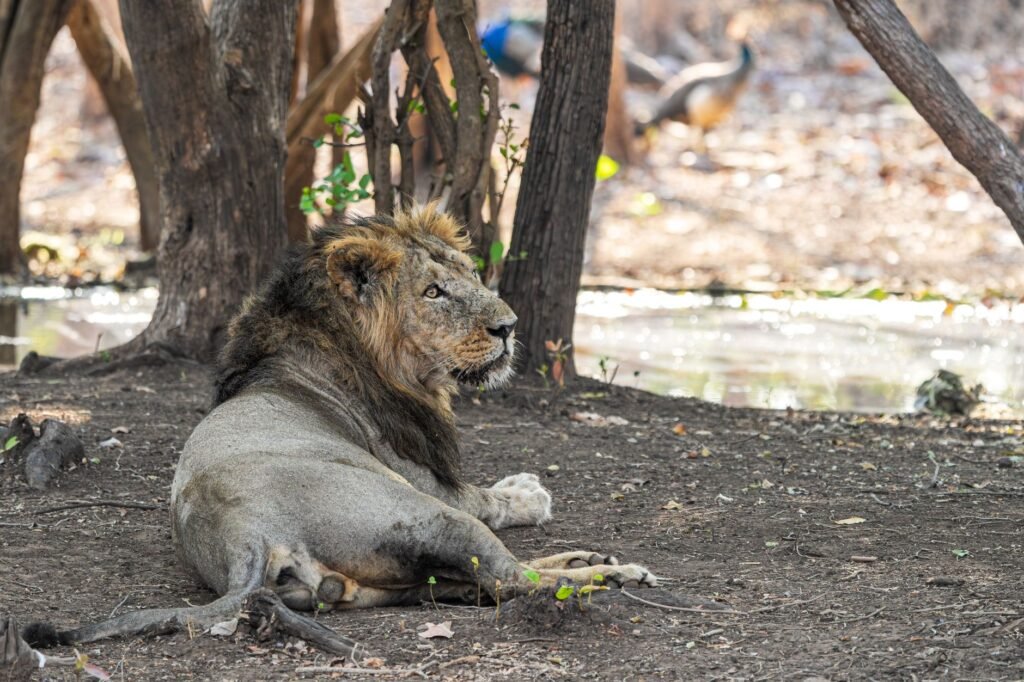
Home to the Asiatic lion, Gir National Park is a must-visit for wildlife enthusiasts. Covering approximately 1,412 square kilometers, the park is not only famous for its lions but also for its diverse flora and fauna. The best time to visit Gir is from December to March when the weather is cool and animals are more likely to be spotted.
Visitors can opt for jeep safaris to explore the park, and guided tours are available to provide insights into the park’s ecosystem. Besides lions, the park is also home to leopards, deer, and over 300 species of birds, making it a great destination for nature lovers.
To enhance your visit, consider staying in one of the eco-friendly lodges near the park. These accommodations often provide guided tours and a chance to learn about conservation efforts in the region.
3. Sabarmati Ashram
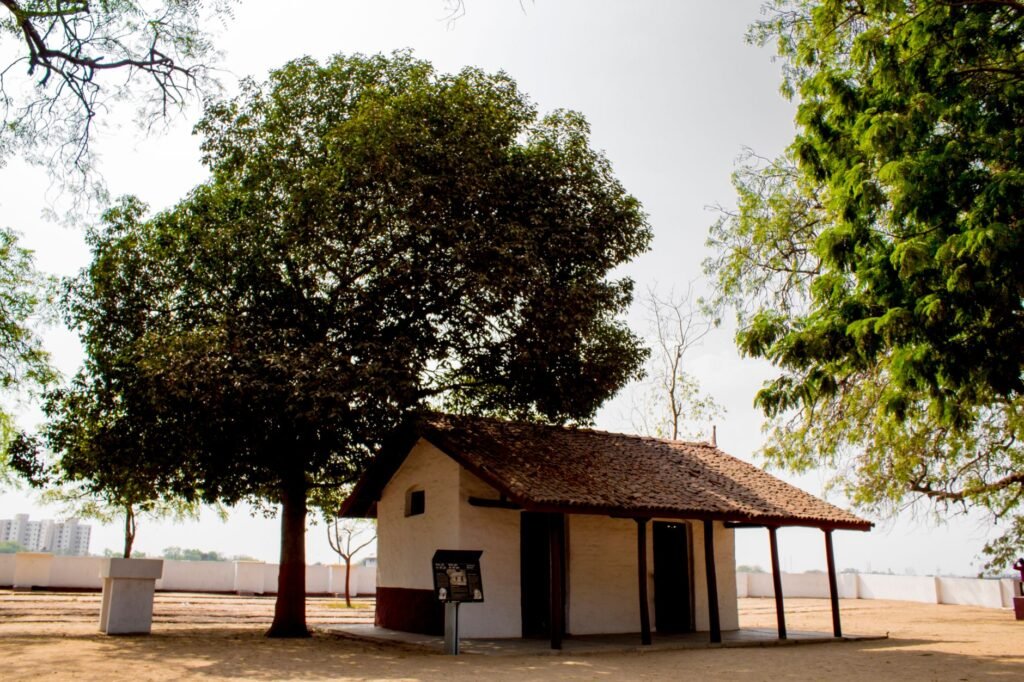
Located in Ahmedabad, the Sabarmati Ashram is a significant historical site and a testament to Mahatma Gandhi’s life and philosophy. This peaceful retreat was Gandhi’s home from 1917 to 1930 and played a crucial role in India’s struggle for independence. The best time to visit this ashram is between October and March when the weather is pleasant for walking through its serene surroundings.
At the ashram, visitors can explore the museum that houses photographs, books, and artifacts related to Gandhi’s life. The tranquil environment encourages reflection and provides insights into Gandhi’s teachings of non-violence and simplicity.
While in Ahmedabad, take the time to walk along the Sabarmati Riverfront, where you can enjoy a leisurely stroll and indulge in local street food from nearby vendors.
4. Dwarka
Dwarka is one of the seven most sacred cities in Hinduism and is famous for its temples, particularly the Dwarkadhish Temple, dedicated to Lord Krishna. The best time to visit Dwarka is during the winter months from October to March, when the weather is cooler and more comfortable for exploration.
The city offers a blend of spirituality and history, with ancient temples and beautiful coastal views. Visitors can also take boat rides to explore the nearby islands, such as Bet Dwarka, known for its serene beaches and historical significance.
Don’t miss the chance to sample local cuisine in Dwarka, which includes delicious seafood and traditional Gujarati dishes.
5. Somnath Temple
Another key pilgrimage site, the Somnath Temple is one of the twelve Jyotirlingas in India and is deeply revered by Hindus. The temple boasts stunning architecture and is located by the Arabian Sea, offering picturesque views. The ideal time to visit Somnath is also between October and March.
The temple has been rebuilt several times throughout history, making it a symbol of resilience and faith. Visitors can attend the evening aarti (prayer ceremony) to experience the spiritual ambiance.
While in Somnath, consider exploring the nearby beaches, which provide a tranquil escape from the crowds and are perfect for leisurely walks along the shore.
6. Kutch Desert Wildlife Sanctuary
This sanctuary is a unique ecosystem that supports diverse wildlife, including wild ass, flamingos, and various migratory birds. The best time to visit is during the winter months when the birds arrive, and the landscape is most vibrant. The sanctuary is part of the larger Rann of Kutch region and offers an exciting opportunity for wildlife enthusiasts and photographers.
Exploring the sanctuary can be done through guided jeep tours that allow for close encounters with various species in their natural habitats. Birdwatching tours are also popular, making it a perfect destination for nature lovers.
Ensure you bring binoculars and a good camera to capture the stunning landscapes and wildlife during your visit.
7. Vadodara’s Laxmi Vilas Palace
Laxmi Vilas Palace in Vadodara is one of the largest palaces in the country and is an architectural marvel. Built in the Indo-Saracenic style, the palace is a mix of various architectural influences. The best time to visit Vadodara is from October to March, coinciding with pleasant weather for exploring this grand structure.
Visitors can take guided tours of the palace to learn about its rich history and the royal family that resided there. The palace grounds also contain a museum that showcases artifacts, paintings, and weapons from the royal era.
Don’t forget to stroll through the nearby Sayaji Garden, which is perfect for a relaxing afternoon amidst nature.
8. Saputara Hill Station
Located in the Western Ghats, Saputara is the only hill station in Gujarat and is known for its lush green landscapes and pleasant climate. The best time to visit Saputara is between October and March, when the weather is cool and ideal for outdoor activities.
Visitors can enjoy boating on Saputara Lake, trekking through scenic trails, and visiting the local tribal museum to learn about the culture of the indigenous people of the region. Saputara also offers a range of accommodations, from luxury resorts to budget lodges.
One of the highlights of Saputara is the sunset point, which provides breathtaking views of the surrounding hills and valleys, making it a perfect spot for evening relaxation.
9. Ahmedabad’s Akshardham Temple
Akshardham Temple in Gandhinagar, near Ahmedabad, is a modern architectural marvel that showcases traditional Indian art and culture. Visitors can explore the intricate carvings and stunning design, with the best time to visit being from October to March when the weather is pleasant.
The temple complex also features exhibitions that highlight various aspects of Indian culture, spirituality, and history. Visitors can enjoy cultural performances and light shows in the evenings, making it a memorable experience.
While visiting, be sure to adhere to the temple’s dress code and photography rules to respect the sanctity of the place.
Best Time to Visit Gujarat
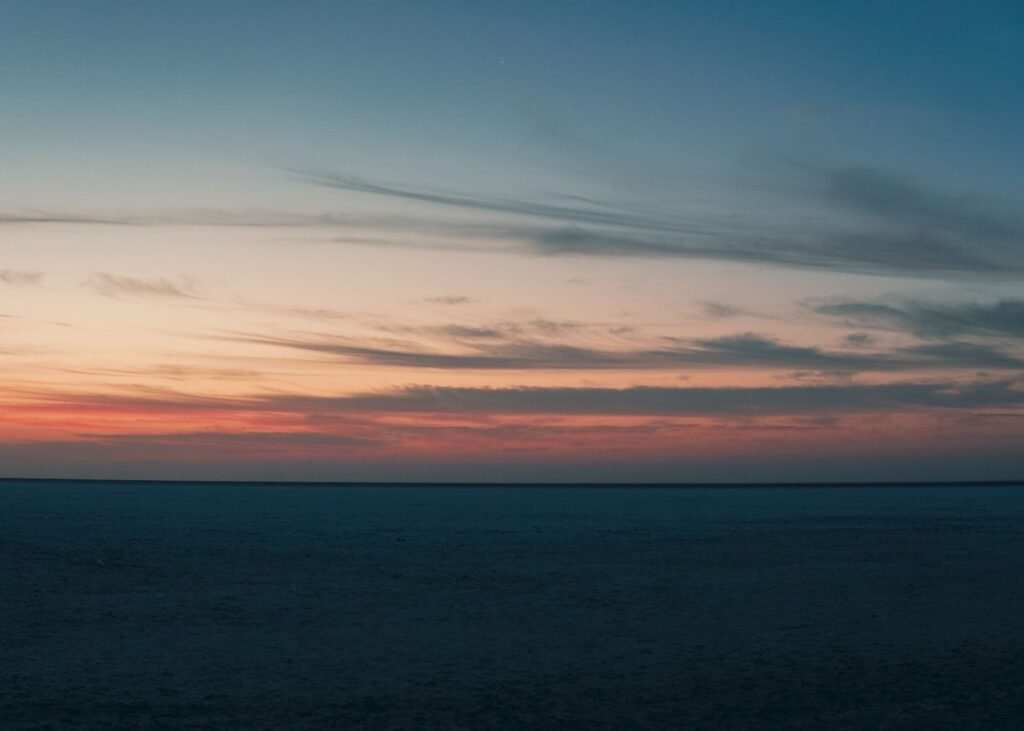
The ideal time to visit Gujarat largely depends on the attractions you wish to explore. Generally, the winter months from October to March are considered the best, as the weather is cooler and more comfortable for outdoor activities. This is also the peak tourist season, making it a vibrant time to experience local festivals and events.
During this period, many popular festivals, including Navratri and the Rann Utsav, take place, offering a unique opportunity to immerse yourself in the local culture. If you prefer fewer crowds, consider visiting during the shoulder months of September and early October or late March to April, keeping in mind that these months may be warmer.
Summer in Gujarat can be extremely hot, with temperatures often exceeding 40°C (104°F), making it less favorable for outdoor exploration. However, if you are keen on visiting during this time, make sure to stay hydrated and plan activities for the cooler parts of the day.
Exploring the Cultural Heritage of Gujarat
Temples and Religious Sites
Gujarat is home to some of the most revered religious sites in India, showcasing the diverse cultural tapestry of the region. The Somnath Temple, one of the twelve Jyotirlingas, is a significant pilgrimage site attracting devotees from across the country. Its stunning architecture and rich history make it a must-visit. Similarly, the Dwarkadhish Temple in Dwarka, dedicated to Lord Krishna, features intricate carvings and a serene atmosphere that enchants visitors. Other notable temples include the Sun Temple at Modhera and the Jain Temples at Palitana, reflecting the architectural brilliance and spiritual significance of Gujarat.
Aside from these well-known sites, Gujarat’s lesser-known temples, like the Mahudi Temple and the BAPS Swaminarayan Akshardham in Gandhinagar, provide a glimpse into local beliefs and practices. Many of these temples host annual festivals that attract large crowds, offering visitors a unique opportunity to experience Gujarat’s vibrant religious culture.
Folk Music and Dance
The folk music and dance forms of Gujarat are integral to the state’s cultural identity. From the energetic Garba dances performed during Navratri to the expressive Dandiya Raas, these traditions are not just performances but a way of life for many. Garba involves circular dance movements with clapping, often accompanied by live music and traditional attire. Learning these dance forms from locals during festivals can provide an immersive experience.
Moreover, the region is known for its various musical traditions, including the soothing tunes of the Harmonium and the rhythmic beats of the Dhol. Engaging with local artists through workshops or attending cultural programs can enhance your understanding and appreciation of Gujarat’s rich heritage.
Culinary Delights
No exploration of Gujarat would be complete without indulging in its diverse culinary offerings. The state’s cuisine is primarily vegetarian and is characterized by its use of spices, lentils, and grains. Signature dishes include Dhokla, a fermented steamed cake made from rice and chickpea flour, and Undhiyu, a mixed vegetable dish cooked with spices and herbs. Street food enthusiasts can relish snacks like Khandvi and Fafda, which are widely available and popular among locals.
For a deeper understanding of Gujarat’s culinary heritage, consider participating in a cooking class or food tour. This way, you can learn about regional ingredients and cooking techniques while interacting with local chefs. Additionally, don’t miss out on the sweet treats like Mohan Thal and Gulab Jamun, which are perfect endings to any meal.
Nature and Wildlife Experiences in Gujarat
National Parks and Wildlife Sanctuaries
Gujarat is not only about its vibrant culture; it also boasts rich biodiversity. The Gir National Park, the last refuge of the Asiatic lion, offers visitors the chance to witness these magnificent creatures in their natural habitat. The park is well-maintained, and safaris are available to explore its diverse ecosystems, including dry deciduous forests and grasslands. Bird watchers will also appreciate the variety of species that inhabit the area.
Another notable location is the Velavadar Blackbuck National Park, home to a large population of blackbucks and various migratory birds. Visiting these parks not only provides an opportunity to spot wildlife but also to learn about conservation efforts in the region. Guided tours are recommended for a more informative experience.
Beach Destinations
Gujarat’s coastline stretches over 1,600 kilometers, offering several beautiful beaches that are ideal for relaxation and adventure. Beaches like Dwarka, Mandvi, and Somnath are popular for their scenic beauty and tranquility. Mandvi Beach, in particular, is known for its pristine sands and water sports activities like jet skiing and parasailing.
The beaches are also perfect for experiencing local culture, as many have nearby fishing villages where visitors can interact with local communities. Whether you prefer lounging by the shore or engaging in water activities, Gujarat’s beaches provide a refreshing escape from the urban hustle.
Scenic Hill Stations
For those who wish to escape the heat of the plains, Gujarat offers some picturesque hill stations. Saputara, the only hill station in the state, is nestled in the Western Ghats and is known for its lush greenery, waterfalls, and the beautiful Saputara Lake. The cool climate and scenic views make it a popular retreat for families and nature lovers alike.
Another lesser-known hill station is the small town of Toranmal, which boasts dense forests and serene landscapes. It’s an excellent destination for trekking and nature walks. Exploring these hill stations allows visitors to enjoy Gujarat’s natural beauty beyond its cultural landmarks.
Shopping and Local Crafts of Gujarat
Traditional Handicrafts
Gujarat is famous for its vibrant handicrafts and textiles, which are a testament to the state’s rich artistic heritage. From intricate Bandhani tie-dye fabrics to stunning Patola silk sarees, the craftsmanship is unparalleled. The city of Kutch is particularly known for its traditional embroidery, including the famous Kutchi work, which features vibrant colors and detailed patterns.
Visiting local markets such as the Law Garden in Ahmedabad or the Bhujodi village in Kutch provides an excellent opportunity to purchase authentic handicrafts directly from artisans. Not only does this support local communities, but it also offers a chance to learn about the techniques and stories behind the crafts.
Spices and Gourmet Foods
Gujarat’s culinary landscape is complemented by a rich variety of spices and gourmet foods. The region is known for its unique spice blends, which are essential for preparing traditional dishes. A visit to local spice markets can be an enlightening experience, where you can find everything from saffron to ajwain.
Don’t forget to explore local sweet shops that offer a variety of traditional sweets made from jaggery, milk, and nuts. Items like Chikki and Puran Poli are must-try delicacies. Engaging with local vendors can provide insights into the significance of these foods in Gujarati culture.
Festivals and Fairs
Gujarat’s calendar is filled with vibrant festivals and fairs that showcase the region’s rich traditions. The Rann Utsav, held in the white salt desert of Kutch, is a grand celebration of music, dance, and crafts, attracting tourists from around the world. Similarly, the Navratri festival is famous for its Garba dance, and visitors are encouraged to participate in the festivities.
Attending these festivals offers a unique perspective on the local culture and traditions. Travelers can enjoy traditional performances, local delicacies, and shop for handicrafts at these events. It’s an opportunity to immerse oneself in the spirit of Gujarat and create lasting memories.
Frequently Asked Questions
What are the must-visit attractions in Gujarat?
Some must-visit attractions include the Rann of Kutch, Gir National Park, Sabarmati Ashram, and Dwarka.
When is the best time to visit Gujarat?
The best time to visit Gujarat is from October to March when the weather is pleasant for sightseeing.
Is Gujarat safe for travelers?
Gujarat is generally safe for travelers, but it’s advisable to follow common safety precautions and stay informed about local regulations.
What local cuisine should I try in Gujarat?
Don’t miss trying local specialties such as Dhokla, Khandvi, and the famous Gujarati thali for a complete culinary experience.
The Bottom Line
Gujarat is a state that beautifully blends tradition, culture, and nature. With top attractions ranging from the mesmerizing Rann of Kutch to the historic Sabarmati Ashram, there is something for every traveler. The ideal time to visit is between October and March, making it the perfect season to enjoy the rich experiences Gujarat has to offer. Whether exploring wildlife, indulging in local cuisine, or attending vibrant festivals, Gujarat promises an unforgettable journey.