Key Takeaways
- Experience the grandeur of the Pyramids of Giza.
- Explore the vibrant culture in Cairo's markets.
- Relax on the beautiful beaches of the Red Sea.
- Discover ancient temples along the Nile River.
Egypt, a land of ancient history and vibrant culture, offers travelers an array of unforgettable experiences. From the iconic pyramids that have stood the test of time to the bustling bazaars filled with colors and sounds, there is something for everyone in this fascinating country. Whether you are a history buff, a beach lover, or an adventure seeker, planning your itinerary around the top things to do in Egypt will ensure a memorable trip.
Travelers often find themselves captivated by the rich tapestry of Egypt’s ancient civilization, which can be explored through its monuments, temples, and museums. However, Egypt also boasts modern amenities and landscapes, including stunning coastlines and vibrant cities. This guide provides detailed insights into the must-see attractions and activities that should be on your list when visiting Egypt.
Before embarking on your journey, it is essential to understand the best times to visit, necessary preparations, and local customs to enhance your travel experience. This guide will equip you with practical tips and highlight the top destinations that embody Egypt’s unique charm.
Pyramids of Giza
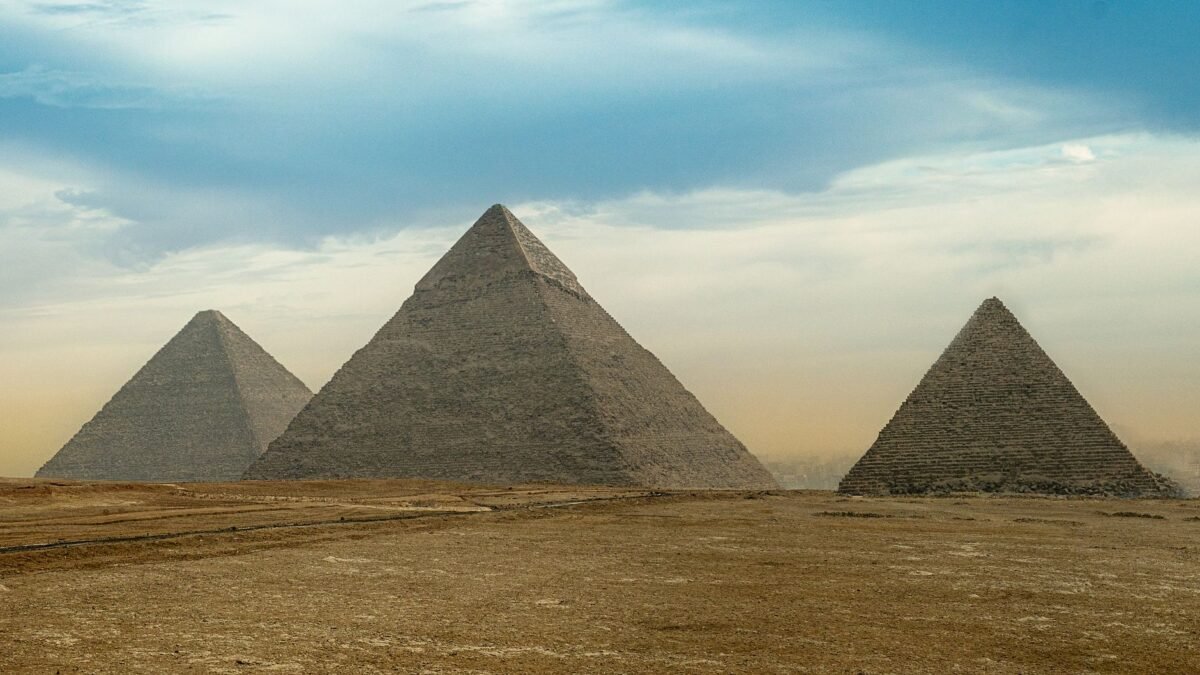
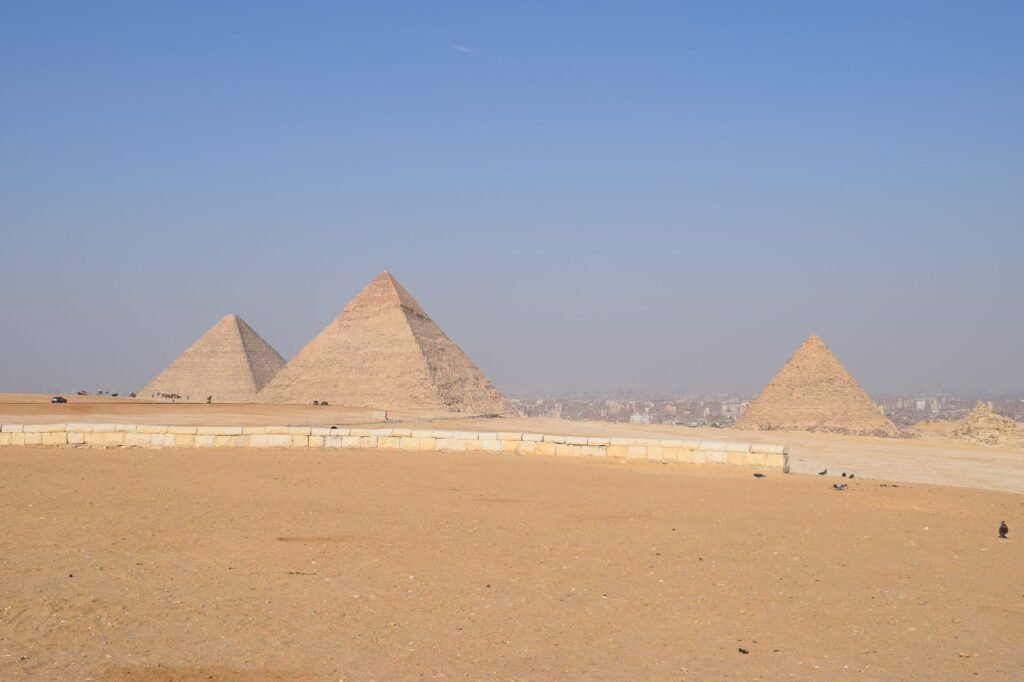
The Pyramids of Giza are undoubtedly the crown jewels of Egypt’s ancient wonders. Located just a short drive from Cairo, this UNESCO World Heritage site houses the Great Pyramid, the last remaining wonder of the Seven Wonders of the Ancient World. Built as tombs for the Pharaohs, these monumental structures are a testament to ancient engineering and architecture.
Visitors can explore the three main pyramids: Khufu, Khafre, and Menkaure, with the Great Pyramid of Khufu being the largest. It’s recommended to arrive early in the morning to avoid crowds and the heat, allowing you ample time to take in the grandeur of these structures. Consider hiring a local guide who can provide in-depth historical context and share fascinating stories about the construction and significance of each pyramid.
- Explore the Sphinx: Located near the pyramids, the Great Sphinx of Giza stands guard with a lion’s body and a human head. This iconic monument is shrouded in mystery and adds to the allure of the site.
- Visit the Solar Boat Museum: This museum houses the reconstructed solar barque of Khufu, an ancient vessel intended to carry the pharaoh into the afterlife. It offers insight into Egyptian burial practices and beliefs.
- Sunset Camel Ride: For a unique perspective, consider a sunset camel ride around the pyramids. The experience is enchanting as the sun dips below the horizon, casting golden hues on the ancient stones.
Cairo: A City of Contrasts
Cairo, the sprawling capital of Egypt, is a city where ancient and modern worlds collide. From the historic streets of Islamic Cairo to the bustling markets, there is much to explore. A visit to Cairo is incomplete without diving into its rich culture and heritage.
Start your journey at the Egyptian Museum, home to over 120,000 artifacts, including treasures from King Tutankhamun’s tomb. The museum provides a comprehensive overview of Egypt’s ancient past and is a must-visit for history enthusiasts.
After immersing yourself in history, venture to the Khan El Khalili bazaar, one of the oldest markets in the Middle East. Here, you can shop for traditional handicrafts, spices, and souvenirs. Don’t forget to haggle for the best prices, as bargaining is part of the shopping experience.
- Visit Islamic Cairo: Explore the historic mosques and architecture of Islamic Cairo, including the stunning Sultan Hassan Mosque and Al-Rifa’i Mosque.
- Enjoy Traditional Cuisine: Sample local dishes such as koshari, falafel, and stuffed pigeon at one of the many street food stalls or restaurants.
- Take a Nile River Cruise: Experience the vibrant cityscape of Cairo from the water with a dinner cruise on the Nile, where you can enjoy traditional music and dance performances.
Luxor: The World’s Greatest Open-Air Museum
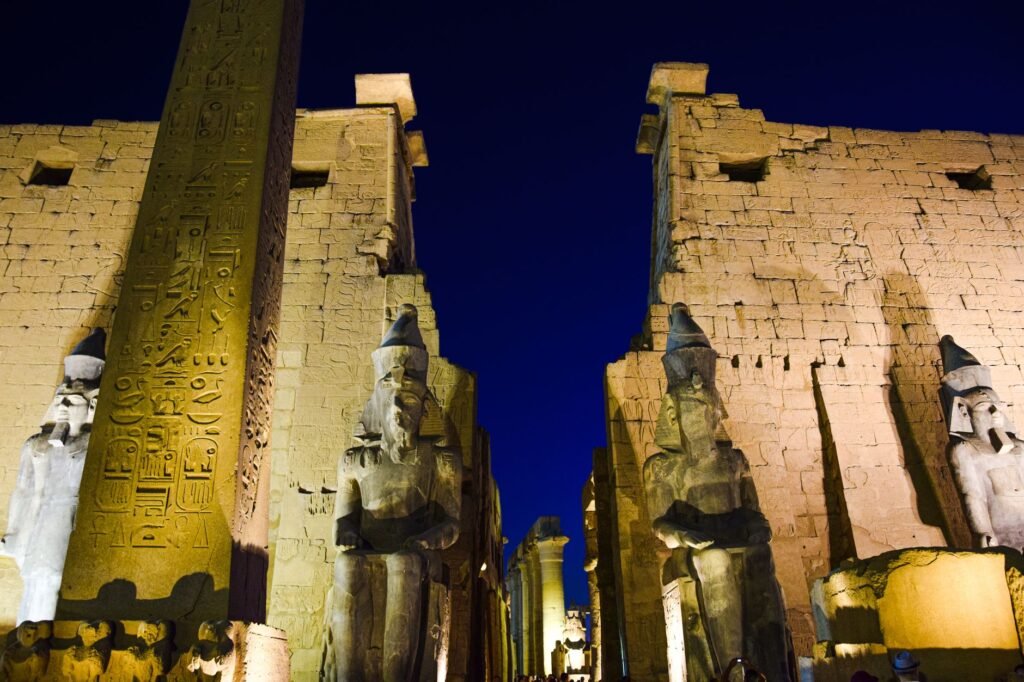
Often referred to as the world’s greatest open-air museum, Luxor is a city that encapsulates the essence of ancient Egyptian civilization. Home to the famed Karnak and Luxor temples, Luxor is rich in history and archaeological treasures.
The Karnak Temple complex is one of the largest religious buildings in the world and serves as a testament to the architectural brilliance of the ancient Egyptians. Visitors can wander through the vast halls and admire the towering columns, hieroglyphics, and sacred lakes.
The Valley of the Kings, located on the west bank of the Nile, is another essential stop. This burial ground for pharaohs, including the tomb of Tutankhamun, offers a glimpse into the burial customs and beliefs of ancient Egyptians. Consider hiring a knowledgeable guide to enhance your understanding of the significance of the tombs.
- Hot Air Balloon Ride: For a breathtaking view of Luxor’s temples and the Nile, consider taking a sunrise hot air balloon ride. The experience offers a unique perspective of the landscape.
- Visit Hatshepsut Temple: This mortuary temple dedicated to Queen Hatshepsut is architecturally stunning and provides insight into the role of women in ancient Egypt.
- Enjoy a Felucca Ride: After a day of exploring, unwind with a traditional felucca boat ride on the Nile, watching the sunset over the water.
Aswan: The Jewel of the Nile
Aswan, known for its stunning landscapes and laid-back atmosphere, is often described as the jewel of the Nile. It serves as a gateway to various significant sites and is famous for its beautiful scenery and cultural heritage.
A visit to the High Dam is essential for understanding the modern engineering feats of Egypt. Built in the 1960s, the dam controls the Nile’s flooding and provides hydroelectric power. The view from the dam is impressive, and nearby, you can explore Lake Nasser, one of the largest artificial lakes in the world.
Another must-visit site is the Philae Temple, dedicated to the goddess Isis. Accessible by boat, this temple is beautifully situated on an island and is an excellent example of ancient Egyptian architecture. The intricate carvings and serene surroundings make it a perfect spot for photography.
- Visit Nubian Village: Experience the rich culture of the Nubian people by visiting a local village, where you can learn about their traditions and enjoy traditional meals.
- Explore the Unfinished Obelisk: This ancient obelisk, located in a quarry, offers insight into the stone-carving techniques used by the Egyptians.
- Relax by the Nile: Enjoy leisurely afternoons along the Nile’s banks, taking in the tranquil atmosphere and scenic views.
The Red Sea: A Beach Lover’s Paradise
The Red Sea is renowned for its crystal-clear waters, vibrant coral reefs, and stunning marine life, making it a premier destination for beach lovers and water sports enthusiasts. Popular resorts such as Sharm El Sheikh and Hurghada provide a perfect escape from the bustling cities.
Snorkeling and scuba diving are among the top activities in the Red Sea, with numerous dive sites suitable for both beginners and experienced divers. The underwater landscape is teeming with colorful fish, coral gardens, and even shipwrecks waiting to be explored.
For those seeking relaxation, the beaches offer sun loungers and serene atmospheres. Many resorts provide all-inclusive options, allowing visitors to enjoy gourmet meals and spa services right by the beach.
- Try Water Sports: Engage in various water sports, including windsurfing, kite surfing, and parasailing, available at many resorts.
- Explore Ras Mohammed National Park: This protected area is famous for its diverse marine life, making it an ideal spot for snorkeling and diving.
- Take a Boat Trip: Consider taking a boat trip to nearby islands for a day of sunbathing and swimming in secluded spots.
Egyptian Cuisine: A Culinary Journey
Egyptian cuisine reflects the country’s rich cultural history and is an essential part of your travel experience. Traditional dishes are influenced by various regions and offer a delightful mix of flavors and ingredients.
Street food is an integral part of the culinary landscape in Egypt. Dishes like koshari, a hearty mix of rice, lentils, and pasta topped with tomato sauce and fried onions, are popular among locals and visitors alike. Other must-try items include falafel (fried chickpea balls) and shawarma (spiced meat wrapped in pita).
For a unique dining experience, consider trying a traditional Egyptian meal at a local restaurant. Meals are often served family-style, encouraging communal eating and interaction. Pair your meal with mint tea or sugarcane juice for an authentic taste of Egypt.
- Sample Local Desserts: Don’t miss out on desserts like basbousa (semolina cake) and kunafa (a sweet pastry), which are popular treats in Egyptian cuisine.
- Learn to Cook: Consider taking a cooking class to learn how to prepare traditional Egyptian dishes, adding a personal touch to your culinary experience.
- Visit Local Markets: Explore local markets for fresh ingredients and spices, providing insight into the culinary culture of Egypt.
Exploring the Siwa Oasis: A Hidden Gem
Natural Wonders of Siwa
The Siwa Oasis, located in the Western Desert, is one of Egypt’s most enchanting destinations. This secluded area is renowned for its stunning landscapes, including salt lakes, palm groves, and towering dunes. One of the most striking features is the Great Sand Sea, which offers opportunities for sandboarding and desert safaris. Visitors can also explore the natural hot springs that dot the oasis, providing a perfect spot for relaxation after a day of adventure.
Some must-visit natural attractions in Siwa include:
- Bir Wahed: A popular hot spring surrounded by palm trees.
- Lake Siwa: A saltwater lake ideal for photography and birdwatching.
- Fatnas Island: An exquisite island in Lake Siwa, perfect for picnics.
Rich Cultural Heritage
Siwa is home to the Berber people, who have preserved their unique culture and traditions over centuries. Visitors can immerse themselves in the local way of life by participating in traditional activities such as olive harvesting and handicraft workshops. The oasis is also known for its distinctive architecture, featuring mud-brick houses and ancient ruins.
Key cultural experiences include:
- Visiting the Temple of the Oracle: A significant historical site where Alexander the Great was believed to have consulted the oracle.
- Exploring the Shali Fortress: A crumbling fortress that offers panoramic views of the oasis.
- Engaging with local craftsmen: Discovering traditional weaving and pottery techniques firsthand.
The Temples of Karnak: A Marvel of Ancient Engineering
Architectural Grandeur
The Karnak Temple Complex, located in Luxor, is one of the largest religious buildings ever constructed. It covers an area of over 200 acres and showcases the incredible architectural achievements of the ancient Egyptians. The temple is dedicated to the Theban triad of Amun, Mut, and Khonsu and features a vast array of temples, chapels, and pylons.
Highlights of the Karnak Temple include:
- The Hypostyle Hall: Home to 134 massive columns, this hall is a marvel of engineering and design.
- The Sacred Lake: Used for purification rituals, this serene lake adds to the tranquility of the complex.
- The Obelisks of Hatshepsut: Tall and elegant, these obelisks stand as a testament to the pharaoh’s reign.
Illuminated Sound and Light Show
For a unique experience, visitors can attend the sound and light show at Karnak. This captivating evening event narrates the history of ancient Egypt through a combination of lights, music, and storytelling. As the sun sets, the temple is illuminated in vibrant colors, offering a magical atmosphere that transports guests back in time.
The show usually lasts about an hour and is suitable for all ages, making it a perfect family outing. Reservations are recommended, especially during peak tourist seasons.
Adventuring in the Eastern Desert: Beyond the Tourist Trail
Off-the-Beaten-Path Experiences
The Eastern Desert, stretching between the Nile and the Red Sea, is often overlooked by tourists. However, it offers unparalleled opportunities for adventure and exploration. The rugged terrain is home to stunning landscapes, rare wildlife, and the remnants of ancient mining settlements.
Activities to consider in the Eastern Desert include:
- Hiking the Red Sea Mountains: Trails range from easy walks to challenging treks, offering breathtaking views.
- Exploring the Valley of the Gold: An ancient site known for its gold mines, it provides a glimpse into Egypt’s mining history.
- Camping under the stars: Experience the serenity of the desert night and the beauty of the Milky Way.
Ecotourism and Conservation Efforts
The Eastern Desert is a vital ecosystem, home to various endemic species and rich biodiversity. Several ecotourism initiatives promote sustainable travel while supporting local communities. Travelers can participate in conservation programs focused on protecting the area’s natural habitats and wildlife.
Engaging in responsible tourism not only enhances your travel experience but also contributes to the preservation of Egypt’s unique landscapes for future generations. Activities may include guided nature walks, wildlife surveys, and community outreach programs, allowing visitors to connect with the environment and local populations.
Frequently Asked Questions
What is the best time to visit Egypt?
The best time to visit Egypt is during the cooler months from October to April when temperatures are more pleasant for exploring. The summer months can be extremely hot, especially in southern Egypt.
Do I need a visa to visit Egypt?
Most travelers require a visa to enter Egypt. You can obtain a visa upon arrival at the airport or apply for an e-visa online before your trip. Always check the latest regulations based on your nationality.
Is it safe to travel in Egypt?
While many areas in Egypt are safe for tourists, it is essential to stay informed about current events and follow local advice. It is advisable to avoid certain regions and always keep personal safety in mind while traveling.
What should I wear while visiting Egypt?
Dress modestly, especially when visiting religious sites. Lightweight, breathable fabrics are recommended due to the warm climate. Women may consider wearing long skirts or pants and covering their shoulders, while men should avoid shorts in sacred places.
The Bottom Line
Egypt offers a wealth of experiences that cater to various interests, from its ancient monuments and vibrant culture to stunning landscapes and delicious cuisine. By exploring the top things to do in Egypt, you will not only gain insight into its rich history but also create unforgettable memories. Plan your journey thoughtfully, and immerse yourself in the beauty and wonder of this timeless destination.