Key Takeaways
- Discover regional delicacies for Sankranti.
- Learn about traditional cooking methods.
- Get tips for celebrating Sankranti with food.
- Experience the festival's culinary diversity.
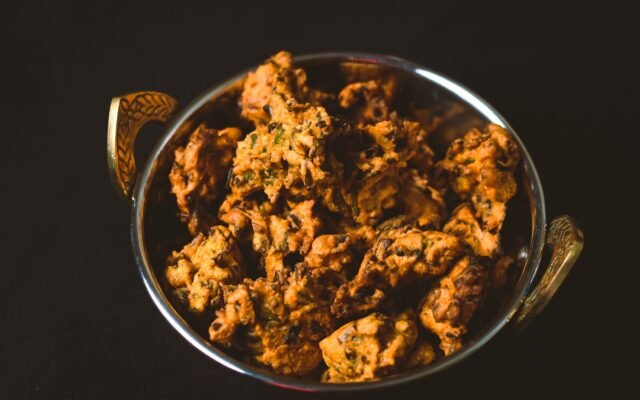
Sankranti, a vibrant harvest festival celebrated across India, marks the transition of the sun into the zodiac sign of Capricorn. This joyous occasion is not only a time for festivities and rituals but also a culinary celebration. Each region of India has its unique dishes and traditions that reflect local culture, climate, and agricultural practices. The diverse array of foods prepared during Sankranti showcases the rich tapestry of Indian cuisine.
This article delves into the festive specials this Sankranti, exploring traditional recipes and culinary practices from various parts of the country. From the sweet treats of the south to the savory delights of the north, there is much to savor and celebrate.
As you plan your travels around this festival, consider immersing yourself in these regional culinary experiences. Whether you are visiting family or exploring new places, the food you enjoy can provide a deeper understanding of the culture and traditions associated with Sankranti.
Regional Delicacies from South India
In southern India, Sankranti is celebrated with great enthusiasm, and the culinary offerings are a testament to the region’s agricultural abundance. One of the most popular dishes during this time is Pongal, a comforting mixture of rice and lentils cooked with ghee, pepper, and cumin. Variations include Sweet Pongal, which is prepared with jaggery, cardamom, and garnished with cashews and raisins.
Another signature dish is the Puliyodarai, a tangy tamarind rice that is often served during festivals. The combination of spices used in this dish varies from one household to another, making it a delightful exploration of flavors. Additionally, the use of seasonal vegetables in curries and stir-fries reflects local produce, making the meals not just delicious but also nutritious.
- Pongal: A rice and lentil dish, often flavored with spices and sometimes sweetened with jaggery.
- Puliyodarai: Tamarind rice, known for its tangy flavor and made with a variety of spices.
- Sweet Treats: Various sweets like Mysore Pak and Coconut Burfi are made, often using local ingredients.
Festive Foods in Western India
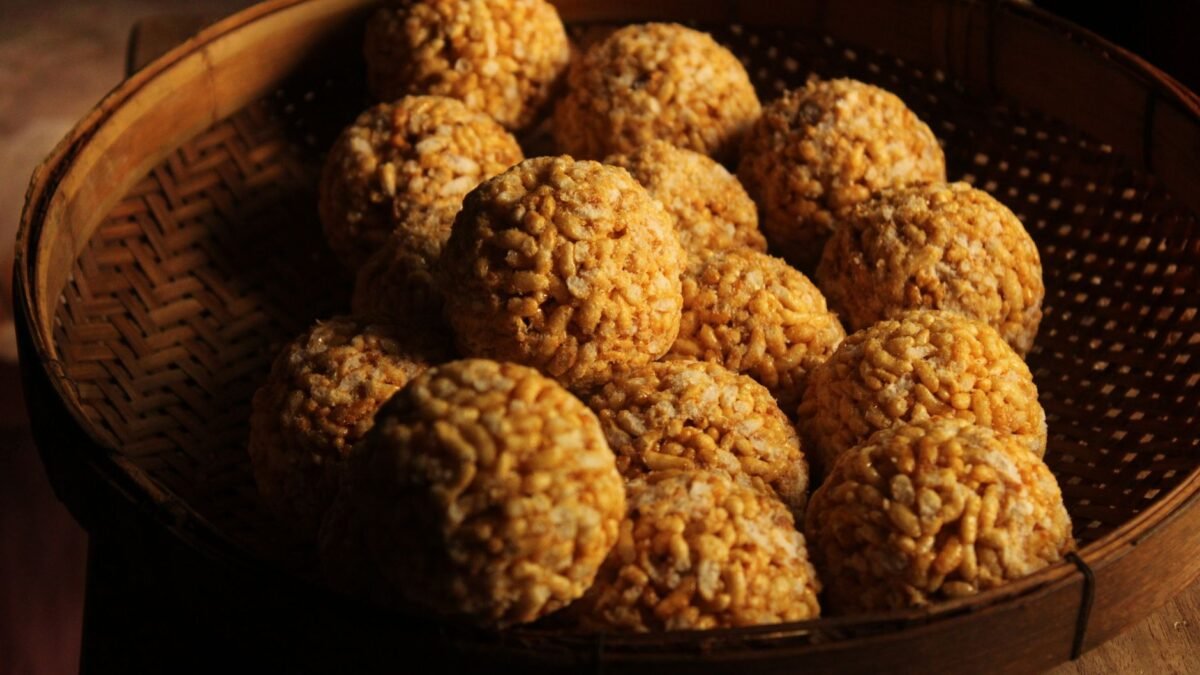
As we move to Western India, particularly in Maharashtra and Gujarat, Sankranti is celebrated with a mix of sweet and savory dishes. One of the highlights is the tilgul, a sweet made from sesame seeds and jaggery. This sweet treat symbolizes the spirit of togetherness, as it is often exchanged among friends and family.
In Gujarat, the preparation of Undhiyu, a mixed vegetable dish, is a must during the festival. The combination of seasonal vegetables, spices, and the unique cooking method, which involves slow cooking in an earthen pot, adds to the depth of flavor. The dish is often paired with puris or rotis, making it a hearty meal.
- Tilgul: Sweet made from sesame seeds and jaggery, shared among loved ones.
- Undhiyu: A mixed vegetable dish, symbolizing the harvest season.
- Chikki: A crunchy snack made from nuts and jaggery, enjoyed during the festival.
Northern Delights for Sankranti
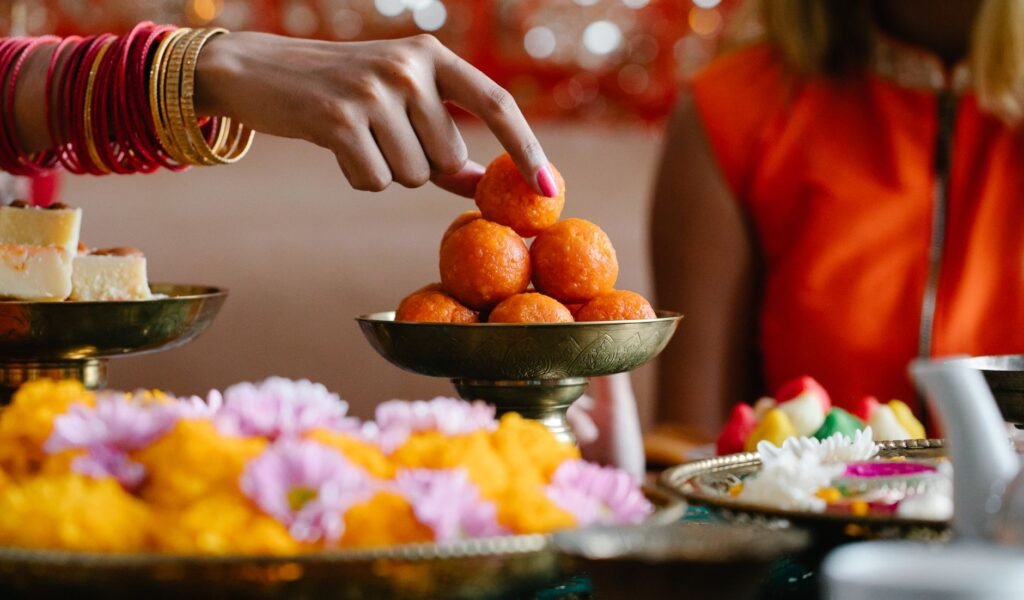
In Northern India, particularly in Punjab and Uttar Pradesh, Sankranti is celebrated with a plethora of dishes that highlight the local harvest. One of the most iconic dishes is the Makki di Roti served with Sarson da Saag, made from mustard greens and spices. This combination is a staple during the winter months and is particularly cherished during Sankranti.
Sweets also play an essential role in the celebrations. Gajak, a popular sweet made from sesame seeds and jaggery, is widely enjoyed during this time. The crunchy texture and rich flavor make it a festive favorite.
| Dishes | Description |
|---|---|
| Makki di Roti | Flatbread made from cornmeal, often enjoyed with mustard greens. |
| Sarson da Saag | Mustard greens cooked with spices, a winter favorite. |
| Gajak | Crunchy sweet made from sesame seeds and jaggery. |
East Indian Festivities
In the eastern states like West Bengal and Odisha, Sankranti is marked by unique culinary traditions. The use of rice and lentils is prevalent, with dishes like Puli Bhara, a rice preparation with a stuffing of lentils and spices. Additionally, sweets like Patishapta, a crepe filled with coconut and jaggery, are commonly made during this festive time.
Fish is also a significant part of the diet here, with many preparing fish curry as a main dish during the celebrations. The emphasis on fresh ingredients and traditional cooking techniques is evident in the flavorful meals served during Sankranti.
- Puli Bhara: Rice dish with lentil stuffing, showcasing local flavors.
- Patishapta: Crepes filled with coconut and jaggery, a sweet treat.
- Fish Curry: A staple in many households, highlighting the region’s culinary heritage.
Cooking Traditions and Methods
Traditional cooking methods during Sankranti often involve the use of clay pots and open fires, which enhance the flavors of the dishes. Many families prefer to cook outside, especially if they have access to open spaces, as it brings a festive atmosphere to the cooking process. This approach not only encourages communal cooking but also allows for the use of fresh, seasonal ingredients that are locally sourced.
In addition, many regions emphasize the use of eco-friendly practices during Sankranti. For instance, using natural sweeteners like jaggery instead of refined sugar is a common practice, reflecting a connection to the land and sustainability.
Cooking together as a family is a cherished tradition, with each member contributing to the preparation of festive meals. This communal aspect adds an element of joy and celebration to the culinary process, making the food even more special.
Celebrating Sankranti with Food
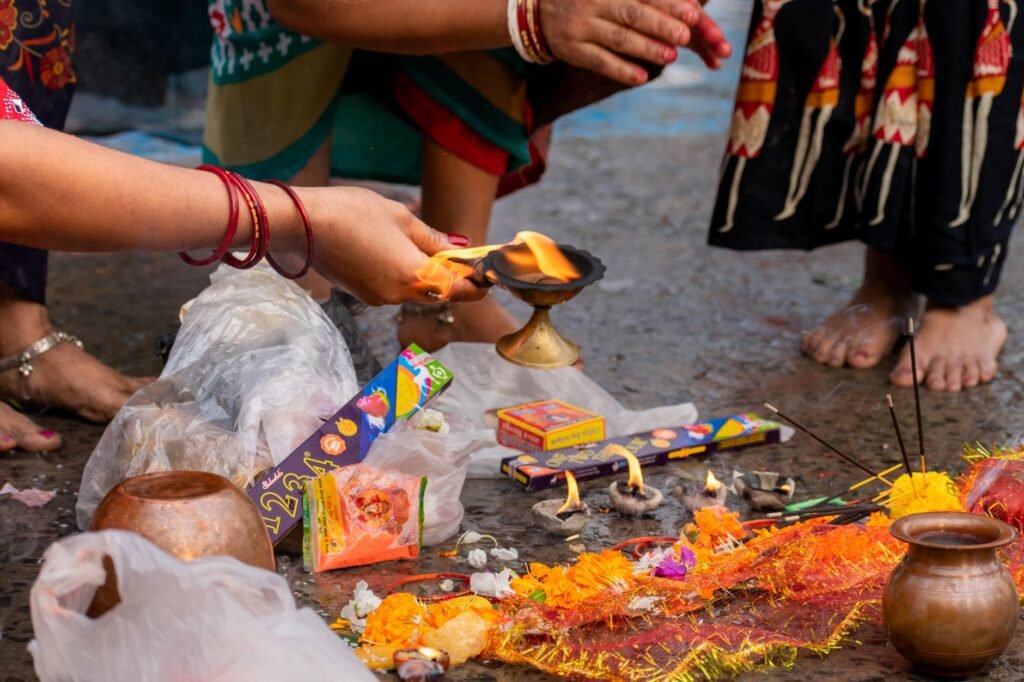
Food plays a central role in the celebrations of Sankranti, acting as a medium for sharing joy and fostering community. Many families take the opportunity to invite friends and neighbors over for meals, showcasing their culinary skills and sharing traditional dishes. This spirit of togetherness is a hallmark of the festival, as people come together to celebrate the harvest season.
In addition to traditional family gatherings, many regions host fairs and festivals where local food vendors showcase their specialties. This is an excellent opportunity for travelers to explore the diverse culinary landscape of India during Sankranti. Sampling street food and local delicacies can provide a deeper understanding of the region’s culture and traditions.
As you partake in these celebrations, consider learning about the significance of each dish, which often carries historical and cultural meanings. Engaging with locals can also enhance your experience, as they share stories and traditions associated with the food being prepared and enjoyed.
Unique Sankranti Celebrations in Urban India
Urban Melas and Food Festivals
As Sankranti approaches, urban centers across India buzz with vibrant melas (fairs) and food festivals that celebrate this harvest festival with zest. In cities like Mumbai, Bangalore, and Delhi, food stalls pop up featuring a blend of traditional and modern culinary delights. These fairs not only offer an array of food items but also provide a platform for local artisans and farmers to showcase their produce.
Visitors can savor popular dishes such as:
- Pongal – A rice and lentil dish, often flavored with ghee and spices.
- Tilgul – A traditional sweet made from sesame seeds and jaggery.
- Kite-shaped snacks, reflecting the spirit of kite flying associated with the festival.
These urban celebrations also include workshops and cooking demonstrations, allowing attendees to learn how to prepare various Sankranti dishes. Local chefs often share their personal recipes, enhancing the community experience and ensuring that traditional methods are passed down to the next generation.
Fusion Cuisine: Traditional Meets Modern
The culinary landscape during Sankranti is not just limited to traditional dishes; it also sees the rise of fusion cuisine that combines classic elements with contemporary twists. Chefs in metropolitan cities experiment by incorporating local ingredients into global formats, resulting in unique dishes that pay homage to Sankranti while appealing to modern palates.
For instance, a chef might create:
- Quinoa Pongal – A health-conscious take on the traditional dish, substituting rice with quinoa.
- Sesame Seed Energy Bars – Inspired by tilgul, these bars are perfect for a quick snack.
- Jaggery Flavored Cheesecake – A fusion dessert that combines traditional jaggery sweetness with a western classic.
This blend of flavors not only attracts food lovers but also sparks conversations about the evolution of Indian cuisine, making Sankranti celebrations in urban areas a melting pot of culinary creativity.
Street Food Specialties During Sankranti
Street food is an essential part of India’s culinary culture, and during Sankranti, vendors often introduce special items that reflect the festive spirit. From sweet treats to savory snacks, these offerings are a must-try for anyone celebrating the festival.
Some popular street food items that emerge during this time include:
- Chikki – A crunchy sweet made from jaggery and nuts, often sold by street vendors.
- Bhakri – A type of flatbread made from millet, served with spicy chutneys.
- Kite-shaped samosas – A playful take on the traditional samosa, often filled with seasonal vegetables.
Street food stalls also create a vibrant atmosphere, drawing families and friends together to celebrate with food. The communal experience of enjoying these treats adds to the festive cheer.
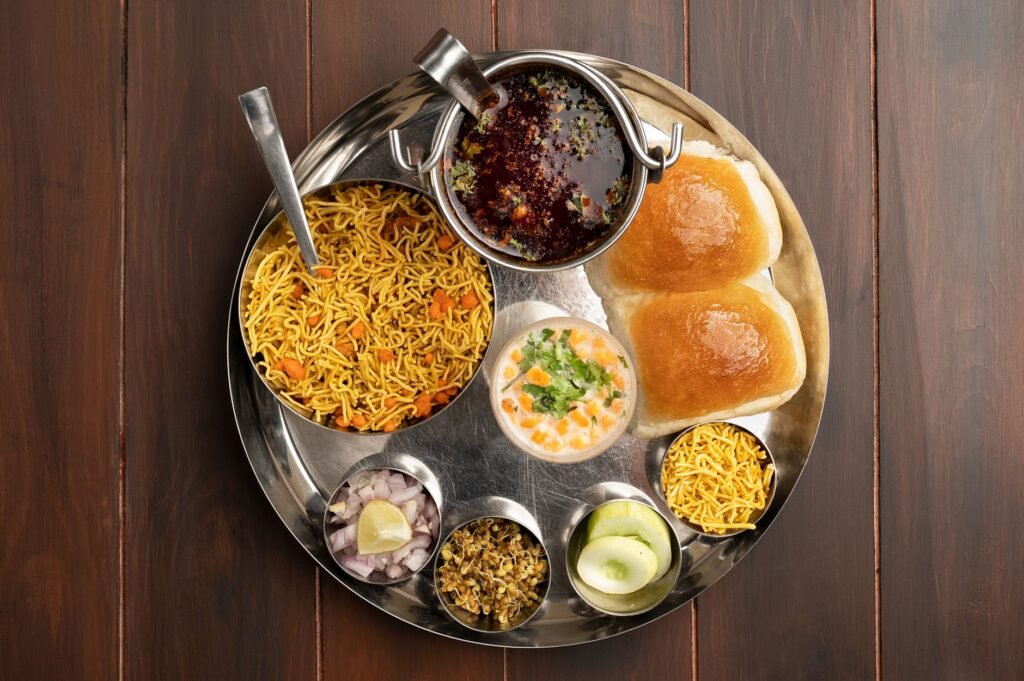
The Role of Seasonal Ingredients in Sankranti Foods
Local Grains and Pulses
During Sankranti, the significance of seasonal ingredients is highlighted, particularly local grains and pulses. As a harvest festival, Sankranti marks the time when various crops are collected, and these ingredients become central to the culinary celebrations. Traditional dishes often feature grains like rice, millet, and wheat, which are not only nutritious but also symbolize prosperity.
Commonly used grains include:
- Rice – Often the base for various festive dishes like Pongal.
- Jowar – A staple grain used in flatbreads and porridge.
- Moong dal – A lentil that is essential for many traditional recipes.
Using locally sourced, seasonal ingredients not only supports farmers but also enhances the flavors and nutritional value of the dishes served during Sankranti.
Seasonal Vegetables and Fruits
In addition to grains, seasonal vegetables and fruits play a vital role in Sankranti celebrations. These ingredients are often used in various preparations, from curries to salads, showcasing the bounty of the harvest. The emphasis on fresh produce not only elevates the taste but also reflects the festival’s connection to nature and sustainability.
Some popular seasonal vegetables and fruits include:
- Pumpkin – Commonly used in sweets and savory dishes.
- Carrots – Used in making halwa or as a crunchy addition to salads.
- Guava – A popular fruit that is often enjoyed fresh or in chutneys.
Choosing seasonal produce also encourages a healthier diet and promotes biodiversity, as traditional recipes often highlight region-specific ingredients.
Herbs and Spices Unique to Sankranti
The festive foods prepared during Sankranti are often enhanced by the use of herbs and spices that are characteristic of this time of year. These ingredients not only add flavor but also have cultural and medicinal significance, often believed to bring good luck and health in the new year.
Some of the key herbs and spices used include:
- Cumin – Frequently used in tempering dishes for added warmth.
- Coriander – Used both as a spice and garnish, offering a fresh flavor.
- Turmeric – Known for its health benefits, turmeric is a staple in festive cooking.
The thoughtful use of these ingredients in Sankranti recipes reflects the deep-rooted connection between food, culture, and health in Indian traditions, making each dish a celebration of life and prosperity.
Community Involvement and Cooking Competitions
Local Competitions and Culinary Showcases
As part of the Sankranti festivities, many communities organize cooking competitions that encourage participation from families and individuals. These contests often focus on traditional recipes, allowing participants to showcase their culinary skills and creativity. Local events provide a platform for individuals to share their family recipes and stories, fostering a sense of community and cultural pride.
Competitions may include categories such as:
- Best Traditional Dish – Focusing on authenticity and adherence to traditional methods.
- Most Creative Fusion Dish – Encouraging innovation and modern twists on classics.
- Audience Favorite – Based on votes from attendees, adding an element of community engagement.
These competitions are often accompanied by live demonstrations, where chefs share tips and tricks, making it an enriching experience for both participants and spectators.
Community Cooking Events
Beyond competitions, community cooking events become a significant part of the Sankranti celebrations. These gatherings often bring families together to prepare meals collaboratively, reinforcing social bonds and shared traditions. Participants learn from each other, exchange recipes, and enjoy the fruits of their labor together.
Such events may feature:
- Group cooking sessions – Where participants prepare large quantities of traditional dishes.
- Potluck-style meals – Encouraging each family to bring a dish, promoting variety.
- Storytelling sessions – Sharing the history and significance of the dishes being prepared.
These communal cooking experiences create lasting memories and strengthen the ties between generations, ensuring that the culinary heritage associated with Sankranti continues to thrive.
Preserving Culinary Heritage
In light of modernization, there is a growing movement within communities to preserve traditional cooking methods and recipes associated with Sankranti. Elders often take the lead in teaching younger generations about the significance of each dish and the stories behind them. This effort not only preserves culinary heritage but also instills a sense of identity and belonging among community members.
Efforts to preserve culinary heritage include:
- Workshops on traditional cooking techniques – Focusing on methods passed down through generations.
- Documentation of family recipes – Creating cookbooks or digital archives to share with future generations.
- Collaborative projects with local schools – Teaching children about the festival’s foods and their cultural significance.
Through these initiatives, the essence of Sankranti as a celebration of harvest and community is kept alive, ensuring that future generations appreciate the rich tapestry of flavors and traditions that define Indian cuisine.
Frequently Asked Questions
What is Sankranti?
Sankranti is a harvest festival celebrated across India, marking the transition of the sun into Capricorn. It is characterized by various rituals, feasts, and community gatherings.
What are the key dishes prepared during Sankranti?
Key dishes vary by region but generally include Pongal in the south, Tilgul and Undhiyu in the west, Makki di Roti and Sarson da Saag in the north, and Puli Bhara and Patishapta in the east.
How can I experience Sankranti while traveling?
To experience Sankranti, visit local celebrations, participate in cooking classes, and engage with families to learn about traditional dishes and customs associated with the festival.
Are there any special ingredients used for Sankranti dishes?
Common ingredients include sesame seeds, jaggery, rice, lentils, and seasonal vegetables, reflecting the local harvest and culinary traditions.
The Bottom Line
This Sankranti, take the opportunity to explore the rich culinary traditions that define this vibrant festival across India. Each region offers a unique perspective on flavors, ingredients, and cooking methods that are deeply rooted in local culture. By embracing the diverse festive specials, you will not only enjoy delightful meals but also gain a greater appreciation for the customs and community spirit that Sankranti embodies.